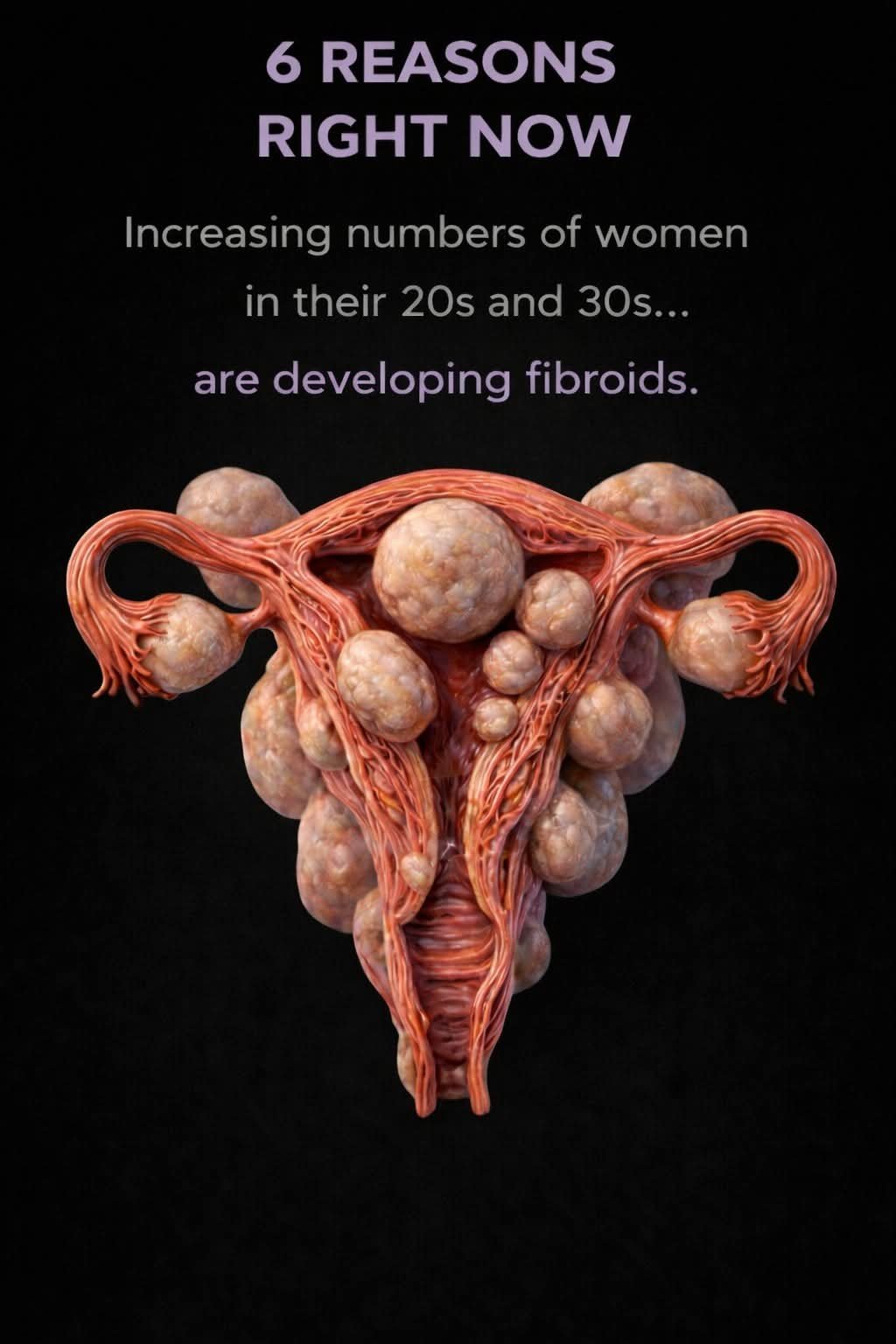
Uterine fibroids are becoming increasingly common among women in their 20s and 30s, sparking concern and curiosity about why this trend is on the rise. Here’s an exploration of the issue highlighted in the image—six key reasons why more young women are developing fibroids.
1. Hormonal influences: Estrogen and progesterone promote fibroid growth. Younger women with higher hormone levels or imbalances (due to lifestyle or medical conditions) may experience more fibroid development.
2. Genetic predisposition: A family history of fibroids increases risk. Genetic factors can make younger women more susceptible to tumor formation in the uterus.
3. Diet and lifestyle: High intake of red meat, processed foods, and low consumption of fruits/vegetables may contribute to fibroid growth. Sedentary habits also raise risk.
4. Obesity and metabolic factors: Excess body weight can increase estrogen production, fostering an environment where fibroids thrive. Metabolic syndrome is linked to higher fibroid incidence.
5. Early exposure to endocrine disruptors: Chemicals in plastics, pesticides, or cosmetics can mimic hormones, potentially triggering abnormal uterine tissue growth in young adults.
6. Delayed childbearing: Women who postpone pregnancy may experience longer exposure to uninterrupted menstrual cycles, which can stimulate fibroid formation.
Understanding these factors can help young women take preventive measures, such as maintaining a balanced diet, managing weight, and seeking medical advice if symptoms like heavy bleeding or pelvic pain appear. Early detection and lifestyle adjustments are key to managing uterine fibroids effectively.
