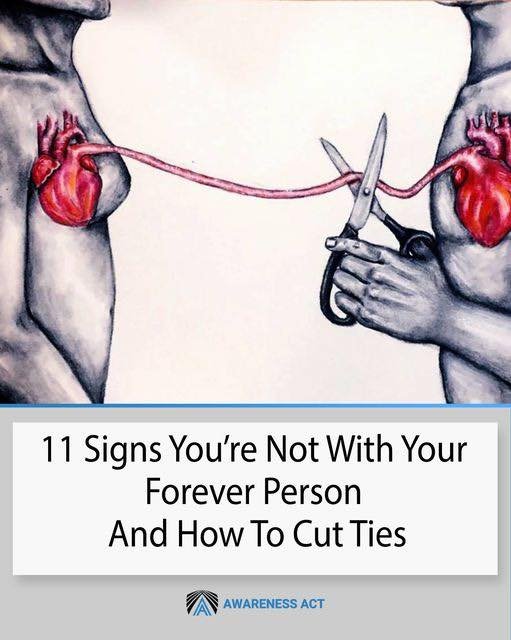
11 Signs You’re Not with Your Forever Person
Recognizing the signs that you’re not with your forever person can be tough, but acknowledging them is the first step towards making a change. Here are 11 signs that might indicate you’re not with the right person:
1. You Feel Unhappy or Unfulfilled: You consistently feel unhappy, unfulfilled, or drained in the relationship.
2. Lack of Communication: You and your partner don’t communicate effectively, leading to misunderstandings and conflict.
3. Different Values or Goals: You and your partner have different values, goals, or priorities that are causing tension.
4. No Emotional Support: You don’t feel supported or heard by your partner, leading to feelings of isolation.
5. Lack of Intimacy: The emotional or physical intimacy in your relationship has dwindled.
6. Feeling Trapped: You feel trapped or stuck in the relationship, with no clear way out.
7. Constant Criticism: You’re constantly criticized, belittled, or made to feel bad about yourself.
8. Different Conflict Resolution Styles: You and your partner handle conflicts differently, leading to unresolved issues.
9. Lack of Trust: Trust has been broken, and you don’t feel like you can rely on your partner.
10. You’re Stuck in a Routine: Your relationship has become stale, with no excitement or effort to improve it.
11. Your Gut Feeling: You have a persistent gut feeling that something’s off, and you’re not happy.
How to Cut Ties
If you’ve recognized these signs in your relationship and feel it’s time to move on, here are some steps to help you cut ties:
1. Reflect on Your Reasons: Understand why you want to end the relationship.
2. Choose the Right Time and Place: Pick a private, quiet spot to have the conversation.
3. Be Honest and Direct: Explain your reasons for ending the relationship clearly.
4. Be Respectful: Treat your partner with respect and kindness.
5. Be Prepared for a Reaction: Your partner might be upset, so be patient and empathetic.
6. Set Boundaries: Establish boundaries to protect your emotional well-being.
7. Seek Support: Reach out to friends, family, or a therapist for support.
8. Focus on Self-Care: Take time to heal and focus on yourself.
Prioritize your emotional well-being and take care of yourself during this challenging time.
