What Is Lung Cancer?

Lung cancer occurs when cancerous cells grow in the lung. The abnormal growth of the cancerous cells usually starts in the alveoli or the lining of the bronchi. The alveoli are tiny sacs in the lungs that help you breathe in oxygen. The bronchi are tubes that carry air to your lungs. These cells can later spread to the smaller branches of the bronchi (bronchioles) or the alveoli at the end of these branches. As the disease progresses, lung cancer can invade the surrounding body tissue, lymph nodes, and bloodstream.1 American Cancer Society. What is lung cancer? Early symptoms of lung cancer can be hard to notice. You may have difficulty breathing, a persistent cough, or coughing up blood as the disease progresses. Treatments depend on the type, what stage of cancer you are in, and the size and location of the tumor.1 Lung cancer is the third most common cancer in the United States. More than 230,000 people are diagnosed annually.2 The disease claims more than 130,000 lives every year, accounting for nearly 25% of all cancer deaths.3 Smoking is the leading risk factor for lung cancer. Healthcare providers recommend quitting smoking to lower your risk. Continuing to smoke after you develop lung cancer can quickly worsen your condition. Smoking can be a hard habit to break. Other lifestyle changes may help as you work on using less tobacco.1 Types of Lung Cancer Healthcare providers classify lung cancer into non-small cell lung cancer (NSCLC) or small cell lung cancer (SCLC). NSCLC usually spreads slower than SCLC.4 Non-Small Cell Lung Cancer (NSCLC) NSCLC is the most common form of lung cancer, making up about 80% to 85% of all cases.3 There are three primary types of NSCLC: adenocarcinoma, squamous cell carcinoma, and large cell carcinoma. Adenocarcinoma is the most common type of lung cancer. Smoking causes almost 90% of all NSCLC cases. Adenocarcinoma is also the most common type of lung cancer among non-smokers.5 Small Cell Lung Cancer (SCLC) SCLC accounts for about 15% of lung cancer diagnoses.6 Tobacco use almost always causes SCLC. SCLC can spread to your brain, liver, and bones very quickly. There are two types of SCLC: small-cell carcinoma (oat cell cancer) and combined small-cell lung carcinoma, which is rare.6 Lung Cancer Symptoms Lung cancer can occur without any early warning signs. A healthcare provider may detect cancer accidentally—say, if you have a chest X-ray for another reason—before you develop symptoms. Symptoms mostly develop after lung cancer progresses into an advanced stage. Most people have chest-related symptoms, such as:7 Chest pain Coughing up blood Hoarse voice Persistent infections (e.g., bronchitis and pneumonia) Persistent or worsening cough Trouble breathing Wheezing Lung cancer can affect other body parts if the cancerous cells spread. Symptoms may include:8 Bone pain Fatigue and weakness Headache Swollen lymph nodes Unexplained weight loss Yellowing of the skin and eyes (if the cancer spreads to the liver)
Avoid these 10 things before an gynecologist appointment

The majority of women will probably see a gynecologist occasionally to make sure their health is under control and to help avert any possible problems. Even though women are aware of the importance of this appointment, we still have a tendency to postpone it. Undressing in front of someone in that situation is uncomfortable for the majority of us. Here are some things to avoid when visiting a gynecologist to make your visit a little more enjoyable. 1. Don’t freak out Because it feels so awkward to expose yourself to your doctor, are you anxious about seeing your gynecologist? Numerous women share your sentiments, so you’re most certainly not alone. Sitting with your legs spread wide in a gynecological exam chair while someone examines you is, to be honest, one of the most uncomfortable things you can do. The problem is that these tests are essential because they are the most effective means of early detection and treatment of cancers such as breast and cervical cancer or sexually transmitted infections.You must therefore overcome your fear. Keep in mind that seeing a lot of nude women is a regular part of your doctor’s job. Things like toned thighs, painted toenails, and whether or not you’ve shaved aren’t important to them. Your health is their top priority. And whenever you begin to feel self-conscious, you can remind yourself of that. Your doctor is there to make sure you’re healthy, not to care about your appearance. 2. Arriving without taking a shower? Your doctor obviously doesn’t want to examine someone who hasn’t taken care of themselves, even if they don’t care if you shave or have hair down there. This will not only improve your health but also make your doctor’s job easier. Therefore, change into clean, comfortable underwear. Making sure you feel comfortable during the appointment is the main goal. However, because douching can upset the natural balance of vaginal flora and its acidity, many gynecologists advise against it altogether. Before a pelvic exam, it is recommended to wash or rinse the vagina with only warm water. It’s also advisable to refrain from using any vaginal foams or creams for 48 hours before the exam. 3. Disguising symptoms Have you had a persistent feeling that something is wrong down there? Perhaps you’ve been itching all the time but are afraid to mention it because it makes you uncomfortable? Since your doctor can only assist you if you are honest with them, you must venture outside of your comfort zone in this situation. It is useless to conceal symptoms. Discuss any concerns you have with your physician. They are there to assist, not to pass judgment. 4. Steer clear of sex Avoiding sexual activity for up to 24 hours prior to a gynecological appointment is advised by some experts. Sometimes, having sex can irritate the skin, which could make it more difficult to diagnose some conditions. Condoms can help prevent infections, but some of them contain spermicide, which can change the pH levels in the vagina. In order to guarantee the accuracy of cervical screening tests, it is also best to refrain from using personal lubricants prior to the appointment. 4. Avoid using Google After spending hours on the internet looking for answers to your symptoms, you’re now prepared to give your doctor a detailed explanation of everything you’ve read and every illness you believe you may have. The problem is that your doctor, not Google, is the expert. Although it’s normal to want to know what’s happening with your body, your doctor is qualified to diagnose you. He doesn’t require you to explain your online research to him. rely on him to fulfill his duties. Allow him to lead the discussion and share his thoughts with you. That’s why he’s there, after all. 5. Possessing inquiries but not voicing them Having questions is normal, but suppressing them can make you feel uncertain. Asking your gynecologist anything on your mind is perfectly acceptable. Do you feel too ashamed to ask the many questions you have about your body, birth control, or a potential pregnancy? You don’t have to worry! The ideal person to discuss these matters with is your physician. Talk about the things that are important to you. Keep in mind that all doctors are required to maintain confidentiality, so you don’t need to be concerned about them disclosing your queries or worries to third parties. 6. The chair Is the image of the gynecological chair a little frightening to you? It can appear quite intimidating at first, particularly on your first visit. However, don’t be alarmed; it’s only a chair. Correct positioning enables a thorough examination of your abdomen. For this reason, it’s critical to maintain your composure and avoid becoming tense. There’s no need to worry because the exam shouldn’t hurt. However, if you’re not sitting correctly or are overly tense, your doctor will let you know. Here are some pointers to keep you relaxed throughout the test. 7. Move forward by sliding Gynecologists frequently need to remind patients to push forward in the chair multiple times. Make sure you’re sitting far enough forward for your doctor to conduct the examination correctly to make things easier for them. Just slide forward slightly and move your hips in the direction of the doctor. This will guarantee a more efficient and seamless exam. 8. Initial visit to a gynecologist It may be a good idea for a young woman who has never seen a gynecologist to make an appointment, but this does not imply that you must have a gynecological exam immediately. Instead, you could just schedule a first consultation with the gynecologist. Younger women should be made aware that an examination is not expected to occur during the initial visit. It’s also advised to bring a friend or partner for support during the initial consultation. 9. Put your inquiries in writing. Some gynecologists advise women who have previously visited a gynecologist to write down the questions they would like answered … Read more

BE VERY CAREFUL 🚨. If you get this, you are infected with …. See more

1. The paschal mystery as the basis of conversion Christian joy flows from listening to, and accepting, the Good News of the death and resurrection of Jesus. This kerygma sums up the mystery of a love “so real, so true, so concrete, that it invites us to a relationship of openness and fruitful dialogue” (Christus Vivit, 117). Whoever believes this message rejects the lie that our life is ours to do with as we will. Rather, life is born of the love of God our Father, from his desire to grant us life in abundance (cf. Jn 10:10). If we listen instead to the tempting voice of the “father of lies” (Jn 8:44), we risk sinking into the abyss of absurdity, and experiencing hell here on earth, as all too many tragic events in the personal and collective human experience sadly bear witness. In this Lent of 2020, I would like to share with every Christian what I wrote to young people in the Apostolic Exhortation Christus Vivit: “Keep your eyes fixed on the outstretched arms of Christ crucified, let yourself be saved over and over again. And when you go to confess your sins, believe firmly in his mercy which frees you of your guilt. Contemplate his blood poured out with such great love, and let yourself be cleansed by it. In this way, you can be reborn ever anew” (No. 123). Jesus’ Pasch is not a past event; rather, through the power of the Holy Spirit it is ever present, enabling us to see and touch with faith the flesh of Christ in those who suffer. This year the Lord grants us, once again, a favourable time to prepare to celebrate with renewed hearts the great mystery of the death and resurrection of Jesus, the cornerstone of our personal and communal Christian life. We must continually return to this mystery in mind and heart, for it will continue to grow within us in the measure that we are open to its spiritual power and respond with freedom and generosity. 2. The urgency of conversion It is good to contemplate more deeply the paschal mystery through which God’s mercy has been bestowed upon us. Indeed, the experience of mercy is only possible in a “face to face” relationship with the crucified and risen Lord “who loved me and gave himself for me” (Gal 2:20), in a heartfelt dialogue between friends. That is why prayer is so important in Lent. Even more than a duty, prayer is an expression of our need to respond to God’s love which always precedes and sustains us. Christians pray in the knowledge that, although unworthy, we are still loved. Prayer can take any number of different forms, but what truly matters in God’s eyes is that it penetrates deep within us and chips away at our hardness of heart, in order to convert us ever more fully to God and to his will. In this favourable season, then, may we allow ourselves to be led like Israel into the desert (cf. Hos 2:14), so that we can at last hear our Spouse’s voice and allow it to resound ever more deeply within us. The more fully we are engaged with his word, the more we will experience the mercy he freely gives us. May we not let this time of grace pass in vain, in the foolish illusion that we can control the times and means of our conversion to him. 3. God’s passionate will to dialogue with his children The fact that the Lord once again offers us a favourable time for our conversion should never be taken for granted. This new opportunity ought to awaken in us a sense of gratitude and stir us from our sloth. Despite the sometimes tragic presence of evil in our lives, and in the life of the Church and the world, this opportunity to change our course expresses God’s unwavering will not to interrupt his dialogue of salvation with us. In the crucified Jesus, who knew no sin, yet for our sake was made to be sin (cf. 2 Cor 5:21), this saving will led the Father to burden his Son with the weight of our sins, thus, in the expression of Pope Benedict XVI, “turning of God against himself” (Deus Caritas Est, 12). For God also loves his enemies (cf. Mt 5:43-48). The dialogue that God wishes to establish with each of us through the paschal mystery of his Son has nothing to do with empty chatter, like that attributed to the ancient inhabitants of Athens, who “spent their time in nothing except telling or hearing something new” (Acts 17:21). Such chatter, determined by an empty and superficial curiosity, characterizes worldliness in every age; in our own day, it can also result in improper use of the media. 4. A richness to be shared, not kept for oneself Putting the paschal mystery at the centre of our lives means feeling compassion towards the wounds of the crucified Christ present in the many innocent victims of wars, in attacks on life, from that of the unborn to that of the elderly, and various forms of violence. They are likewise present in environmental disasters, the unequal distribution of the earth’s goods, human trafficking in all its forms, and the unbridled thirst for profit, which is a form of idolatry. Today too, there is a need to appeal to men and women of good will to share, by almsgiving, their goods with those most in need, as a means of personally participating in the building of a better world. Charitable giving makes us more human, whereas hoarding risks making us less human, imprisoned by our own selfishness. We can and must go even further, and consider the structural aspects of our economic life. For this reason, in the midst of Lent this year, from 26 to 28 March, I have convened a meeting in Assisi with young economists, entrepreneurs and change-makers, with the aim of shaping a … Read more

🌶BE CAREFUL, if you notice this in your underwear, it means you have Ca…see more👇

Bananas are one of the most popular fruits worldwide, and for good reason. Not only are they naturally delicious and versatile, but they are also packed with essential nutrients that can profoundly benefit your body. Incorporating a banana into your daily diet is a simple yet effective way to enhance your overall health and well-being. Curious about how this humble fruit can impact your body? Let’s dive into the science-backed benefits of eating a banana every day. Boost Energy Levels Bananas are often referred to as nature’s energy bars—and for good reason. With their combination of natural sugars, such as fructose, glucose, and sucrose, and complex carbohydrates, bananas provide a quick and sustained energy boost. This makes them an ideal snack for athletes or anyone needing a mid-day pick-me-up. Additionally, the presence of vitamin B6 in bananas helps convert food into energy, making you feel more alert and active throughout the day. A single banana contains about 3 grams of fiber, which is approximately 10% of your recommended daily intake. Dietary fiber is essential for maintaining a healthy digestive system. Bananas are particularly rich in soluble fiber, which can help soften stools and prevent constipation. Moreover, bananas act as natural prebiotics, nourishing the good bacteria in your gut. This supports a balanced microbiome, which is crucial for overall digestive health. Strengthen Your Heart Bananas are a powerhouse of potassium, a vital mineral for heart health. Potassium helps regulate blood pressure by counteracting the effects of sodium and relaxing blood vessel walls. By eating a banana every day, you can lower your risk of hypertension and other cardiovascular issues. Additionally, the fiber in bananas has been shown to lower LDL (bad) cholesterol levels, further reducing the risk of heart disease. Enhance Brain Function Your brain’s ability to function efficiently depends on a steady supply of nutrients, and bananas deliver several key ones. The vitamin B6 in bananas aids in the production of neurotransmitters like serotonin and dopamine, which are essential for mood regulation. Additionally, the magnesium and potassium content in bananas supports proper neural function, helping you stay focused and alert. Regular consumption of bananas may even improve memory and cognitive performance over time. Improve Bone Health While bananas don’t contain high levels of calcium, they are rich in nutrients that indirectly support bone health. For instance, bananas contain magnesium, which aids in calcium absorption. They are also an excellent source of potassium, which helps prevent the loss of calcium from bones, reducing the risk of osteoporosis. Moreover, bananas are a good source of vitamin C, which is essential for collagen production and maintaining the structural integrity of bones. Aid in Weight Management If you’re looking to manage your weight, bananas can be a helpful addition to your diet. They are naturally low in calories—a medium banana has about 105 calories—and high in fiber, which helps you feel full longer. The resistant starch found in unripe bananas can also reduce appetite and promote fat burning. As a naturally sweet fruit, bananas can satisfy your sugar cravings without adding unnecessary calories. Promote Healthy Skin Bananas are a great source of antioxidants, including vitamin C, which combat oxidative stress and reduce signs of aging. Vitamin C also plays a key role in collagen production, keeping your skin firm and youthful. Additionally, the moisture-retaining properties of bananas can hydrate your skin from the inside out. Some people even use mashed bananas as a natural face mask for smoother, more radiant skin. Enhance Mood and Reduce Stress Feeling stressed or down? A banana might help lift your spirits. Bananas are rich in tryptophan, an amino acid that the body converts into serotonin, a mood-regulating neurotransmitter. This can help alleviate symptoms of anxiety and depression. The vitamin B6 in bananas also plays a role in the synthesis of serotonin and norepinephrine, contributing to better mood stability. Furthermore, the magnesium content in bananas can help relax muscles and reduce stress levels. Regulate Blood Sugar Levels Despite their natural sweetness, bananas have a relatively low glycemic index (GI), especially when they are not overly ripe. This means they provide a slow, steady release of glucose into the bloodstream, preventing spikes and crashes in blood sugar levels. The fiber in bananas also helps regulate blood sugar by slowing the absorption of carbohydrates. For people with type 2 diabetes or those at risk, a daily banana can be a healthy snack option when eaten in moderation. Support Immune Health Bananas contain several nutrients that are essential for a strong immune system, including vitamin C, vitamin B6, and antioxidants. These nutrients help the body fight off infections and reduce inflammation. The prebiotic properties of bananas also play a role in immune health by fostering a balanced gut microbiome, which is closely linked to overall immunity. Improve Kidney Health Potassium is crucial for kidney function, and bananas are one of the richest natural sources of this mineral. Eating a banana every day can help maintain healthy potassium levels, which, in turn, supports optimal kidney function. Research has shown that people who consume potassium-rich foods regularly have a lower risk of developing kidney stones. Reduce Exercise-Related Muscle Cramps If you’ve ever experienced muscle cramps after a workout, bananas might be the solution. They are rich in electrolytes like potassium and magnesium, which help prevent muscle cramps and soreness. Eating a banana before or after exercise can replenish these vital nutrients and keep your muscles functioning smoothly. Bananas are much more than a convenient snack. They’re a nutrient-dense superfood with the power to transform your health when consumed daily. From improving digestion and heart health to enhancing mood and skin quality, bananas offer a wide array of benefits that make them a must-have in your diet. So, the next time you reach for a snack, consider picking up a banana. Your body will thank you!

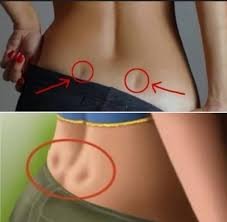
If you have these two holes in your back, it means you don’t…See more

Do you have two holes in your lower back? Then see what it meansDo you have two holes in your lower back? Then see what it means Our bodies may surprise you. One of them is as follows: What is a butt or back dimple, exactly? Small holes or dimples known as “dimples of Venus” frequently appear on the lower backs of women. Also called “Venus Holes,” they have several names. They’re called “Apollo Holes” by men. Here is a comprehensive explanation of the Venus Holes. There are craters on Venus.These holes are caused by a little ligament that is crushed between the skin and the posterior superior iliac spine.The location of the pelvic bones is more frequently found where they converge. Due to the lack of muscle, the skin enlarges to fill the space, leaving a slight depression or “hole” above the waist.The honorific name “Venus” is given to Venus, the Roman goddess of love and beauty, because it is believed that she represents beauty. You don’t always have these beautiful indentations. Venus holes cannot be created; one either has them or they do not. What does it all ultimately mean? Your health will benefit from these gaps. The “Venus Holes” represent a robust body and healthy blood flow. They are sexual as well. Orgasms seem to come more easily to those with Venus Holes. The Venus holes’ ability to enhance blood flow and their advantageous positioning in the pelvic region, which encourages climaxing, are the causes of this. People with Apollo or Venus dimples engage in sex more frequently because they get excited more easily and generally find it more enjoyable. Weight loss may benefit from the Venus holes. According to medical professionals, if your dimples are very obvious, you are underweight, which shows that you have a healthy weight and a full, active life.

A research reveals your body knows when death is near, and it all starts in the nose

Despite years of research and the advance of techology, there are some things about human’s body that still remain a mystery for doctors and researchers. Knowing how complex our bodies are, this doesn’t really come as a surprise. As some of us have what we call a sixth sense and can predict things in advance, a recent research revealed that we can also sense when death is approaching. Scientists say that when someone dies, the body immediately begins to break down. During these moments, putrescine, a foul and toxic scent that is the result of decomposition, is released. Apparently, humans subconsciously recognize this putrefying odor. Not only that, the scent, when released, causes an immediate response. Two researchers, Arnaud Wisman from the University of Kent’s School of Psychology in Canterbury, UK and Ilan Shira from the Department of Behavioral Sciences in Arkansas’ Tech University in Russellville, AK, say that just like animals, humans can sense scents and then act accordingly. At the end of the day, that’s part of survival across the species. When humans are exposed to the odor of putrescine, they express a conscious and subconscious reaction to it. Some of the experiments conducted by these two researchers revealed that when people are exposed to the scent of putrescine, they move away, just like the animals which either run away or fight when they sense danger. “We do not know why we like (or dislike) someone’s smell, and we’re usually not aware of how scent influences our emotions, preferences, and attitudes,” Wisman and Shira explain. “It is hard to think of a scent as frightening,” other researchers claim. However, scents do make people more vigilant of their surroundings. Sex pheromones, which are defined as odors produced by either males or females, that stimulate one or more behavioral reactions in the opposite sex, bringing the males and females together for the purpose of mating are just another example of the effect of scent at humans. “Putrescine signals a different type of message than pheromones, but people’s responses to putrescine (avoidance and hostility) do seem indeed to be the opposite of responses to many sexual pheromones,” researchers explain. At the same time, the researchers explain that humans are not aware o the odor and don’t consciously associate it with death or fear.

When to worry about neck lumps and what to do about them…read more

The lymph nodes are an important part of our immune system because they help fight off germs and sickness. But it can be a sign of something wrong if lymph nodes in the neck get swollen or hurt. Most of the time, swollen lymph nodes are just a harmless sign of an illness. However, they can also be a sign of something more serious, like cancer. When should you be worried about a lump in your neck, and what should you do about it? To understand what lumps in the neck mean, you need to know how lymph nodes work. Lymph nodes are small structures that look like beans. They filter lymph fluid to get rid of germs, waste, and cancer cells. When you have an illness, your lymph nodes often get bigger as they try to trap and get rid of the pathogens that are invading your body. Most of the time, this swelling means that the defence system is working well. But sometimes large lymph nodes are a sign that something is wrong. If a lymph node gets hard, grows quickly, or comes with other symptoms like fever, weight loss, or pain, it could be a sign of a more serious health problem. In this situation, it’s very important to see a doctor to find out why the lymph node is swollen. If you have a swollen lymph node in your neck, you should keep a close eye on it and see a doctor if any of the following happen: Swelling that doesn’t go away for more than two weeks A lymph gland that grows quickly or gets hard Several large lymph nodes spread out in different body parts How Doctors Tell If Lymph Nodes Are Swollen If you go to the doctor with a swollen lymph node, they will do a physical check, ask about your medical history, and may suggest imaging tests or a biopsy to find out why the node is swelling. Choices for Treatment What you do to treat swollen lymph nodes depends on what’s causing them. If the swelling is caused by an infection, your doctor may give you medicines or suggest pain killers that you can buy without a prescription. If the swelling is caused by an inflammatory disease, your doctor may suggest drugs that weaken the immune system or ease the symptoms. If the swelling is caused by cancer, you may be able to get chemotherapy, radiation therapy, or surgery to remove the lymph nodes that are swollen. In conclusion While swollen lymph nodes in the neck may be a sign of an illness, they are usually nothing to worry about. If you know what the symptoms and signs of swollen lymph nodes are and when to see a doctor, you can make sure that you get quick care and treatment if you need it. Remember that you should see a doctor right away if you have a swollen lymph node that won’t go away, grows quickly, or is followed by other symptoms.

If a woman asks you to PUT ON 4 it’s because she’s not here anymore… See more

Embarking on the rollercoaster of love, we often find ourselves deciphering the mixed signals that define the trajectory of a relationship. Sometimes, amid the emotional maze, there emerge unmistakable signs that suggest a shift in romantic dynamics. And the signs she doesn’t want a relationship with you may begin to take root. Or you may begin to notice signs she doesn’t love you anymore. While these signs may be subtle, it is important to learn how to recognize them lest you keep investing in a connection with no future. It’s crucial to approach this journey of realization with a sense of self-awareness and open-mindedness, recognizing that understanding these signals can pave the way for healthier connections and personal growth. So, if you’re wondering how to tell if a girl doesn’t like you anymore, pay attention. We bring you a lowdown on the biggest signs that she is not in love with you and doesn’t want a relationship, in consultation with emotional mindfulness and relationship coach Pooja Priyamvada (M.Phil), certified in Psychological and Mental Health First Aid from Johns Hopkins Bloomberg School of Public Health and the University of Sydney, who specializes in counseling for issues like extramarital affairs, breakups, separation, grief, and loss. 21 Clear Signs She Doesn’t Want A Relationship With You Everyone is looking for the right person. Navigating the complex world of romantic relationships can be both thrilling and challenging. One of the most difficult aspects is deciphering whether the person you’re interested in is equally invested in pursuing a new relationship. While clear communication is crucial, sometimes people convey their feelings through subtle signs. Let’s explore 21 clear signs she doesn’t want a relationship with you, helping you put two and two together: 1. She’s not available anymore One of the biggest signs she doesn’t want a relationship with you is that she doesn’t return your calls and your text messages are left on read. When she consistently makes chronic excuses or has a busy schedule that prevents her from spending time with you, it might indicate a shift in priorities. This could be a sign that she’s not actively seeking a deeper connection. Maybe she is just busy. Or maybe she is busy talking to other guys. Here’s what her lack of availability might look like: Not calling you often: Maybe she once called you often and your conversations lasted hours. But that’s not happening anymore Always busy: She takes way too long to reply. Sometimes she doesn’t check your texts for a whole day Always canceling: She cancels her plans with you. It’s been going on like that for a while Related Reading: 18 Signs She Is Pretending To Love You And What Should You Do 2. Those endless hours on call are history Communication is the lifeblood of a relationship. When you find yourself constantly initiating conversations and she rarely reciprocates, it suggests that she is losing interest in you. This change may indicate a shift in her focus or emotional availability. If you’re not spending as much time on phone calls as you used to in the early stages of dating or getting to know each other, then this is definitely one of the signs of a girl not interested in you. Pooja points out, “One-word responses or delayed communication can signify a reluctance to engage in deep, meaningful conversations. Such behavior may indicate a desire to maintain a surface-level interaction and avoid deeper emotional connections.”

One Month Before A Heart Attack, Your Body Will Warn You Of These 7 Signs

Did you know that the main cause of death in the US are heart attacks? The stressful way of life and the junk food we keep eating is a great contributor for this illness becoming so common and so dangerous over the last years.Leading a healthy lifestyle and trying to decrease the levels of stress in your life can help protect you from heart failure, but another thing that can be very useful, even lifesaving, is knowing the symptoms of heart failure a month before it happens. These are the symptoms that you might have a heart attack in a month. Make sure you always treat these as red flags.If you have congestive heart failure, one or both of your heart’s lower chambers lose their ability to pump blood effectively. As a result, blood can back up in your legs, ankles and feet, causing edema. 2. Fatigue When the arteries become narrow your heart receives a lot less blood than it is used to.This makes the heart work a whole lot harder than it normally would have to, leaving you feeling overly tired and drowsy just about all of the time. 3. Shortness of breath When your heart is getting less blood this means it your lungs are not going to be able to get as much oxygen to the lungs as you normally would. The two systems depend on one another so without one you can’t have the other. If you have been having trouble breathing it is best to consult a doctor as soon as possible, this could mean it is getting close to time for your attack. 4. Weakness When your body becomes weak, all of a sudden it is because the arteries becoming more narrow are not allowing blood circulation properly. Your muscles aren’t getting what they need, and this could cause you to fall even for what may seem like at first no reason so be especially careful. Promoted Content 5. Dizziness and Cold Sweats The poor circulations is also causing the blood flow to your brain to be restricted. This is very life threatening. This will at first cause dizziness and clamminess. You should not ignore this. 6. Chest Pressure If you are having onset symptoms of a heart attack chances are you have been experiencing discomfort in your chest, whether it’s minor pain or built-up pressure. This will constantly increase until the attack itself happens. 7. Flu or Cold Symptoms If you feel as if you are having flu symptoms out of nowhere this could be because the attack itself is about to happen within the near future. Many people feel they have developed a cold just days before their attacks. How to handle this: If you or someone you know is experiencing these symptoms, please see a doctor as soon as possible. The best way to prevent a heart attack is by noticing the symptoms early on.

Here’s Why You Get Emotionally Attached After Having Sex

Sex has made me do some dumb things over the years. Including ending up in a relationship I didn’t plan, simply because I got attached when we hooked up. Why does sex create attachment like this, even when you know better? As it turns out, logic is no match for brain chemistry, and when you have sex, feelings naturally come along with it — whether you like it or not. “It can be very common to feel attachment to someone after sex, since the brain releases oxytocin during arousal, stimulation of the genitals and nipples, intercourse, or orgasm,” sexologist Tanya M. Bass tells Elite Daily. “The release of this hormone after being physically intimate may cause a feeling of attachment and closeness.” Oxytocin is known as the feel-good hormone, as it promotes feelings of love, bonding, and well-being. And if you’re wondering whether men get emotionally attached after sex as often as women, I’ll tell you this much: According to Bass, oxytocin is “found more abundantly in females.” This explains why women are oftentimes more likely to catch feelings after sex — while men are more likely to catch an Uber home. Of course, all genders can get mushy after hooking up. Here are just a few other fun facts about the relationship between sex and those pesky sex feelings. Attachment Is Driven By Oxytocin Leah Flores/Stocksy During sex, the brain is flooded with oxytocin, which is called the “cuddle hormone” for a reason. As Carla Marie Manly, a clinical psychologist and relationship expert, previously told Elite Daily, oxytocin can create a sense of stability and intimacy in relationships — even if that stability and intimacy is only actually in your head. “When you are not with a partner who brings us a sense of loving comfort and connection, feelings of anxiety and stress tend to increase,” she said. “An increase in stress hormones (adrenaline and cortisol) are associated with depression, anxiety, and aggression.” The cure for that stress: having sex again. Oxytocin Dependency Is Definitely A Thing Have you ever had that friend (or maybe that friend is you… no judgment) who seem to be almost addicted to love? It’s called oxytocin dependency, and the struggle is real. “Many people find pleasure and thrive off the feelings that this hormone produced,” says Bass. “The release of the hormone can increase testosterone production in many individuals which can increase libido, feelings of lust and attachment.” Oxytocin activates the reward center of the brain, creating a sense of euphoria. That cycle of reward can create an addiction to the neurochemical response to love. Yikes. Phenylethylamine & Dopamine Also Play A Role Oxytocin isn’t the only neurochemical reeking havoc in your brain during sex. According to Manly, phenylethylamine (the love molecule) and dopamine (the reward hormone) are also released, and once you experience that rush of chemicals, it’s natural to crave a repeat performance. “When you reconnect with your partner after a protracted absence, the brain often moves into the ‘courtship’ state of being flooded with phenylethylamine, oxytocin, and dopamine,” she said. “This leads to a strong desire to connect, have sex, and feel bonded to one’s partner.” Parts Of Your Brain Shut Down During Sex miodrag ignjatovic/E+/Getty Images If you’ve ever thought your orgasm drove you “out of your mind,” you’re not actually that far off. As it turns out, the lateral orbitofrontal cortex actually shuts down during an orgasm. “[It’s] so overwhelmingly exciting, pleasurable, and rewarding that our brains during orgasm look almost identical to a brain on heroin,” sexologist and author Dr. Jess O’Reilly previously told Elite Daily. “And since the lateral orbitofrontal cortex, which is the section behind the left eye responsible for sound decision-making, turns off completely during orgasm, we often toss reason to the wind when the prospect of sex presents itself.” Sexual Release Feels Good This may seem obvious, but sex feels good, and when you experience that rush of feel-good chemicals, it’s easy to associate those positive feelings with your sexual partner. In your mind, it’s possible that person isn’t just someone with whom you had sex, but the someone who brought down your stress levels, heightened your senses, and temporarily sent your brain into overdrive. That’s pretty powerful stuff. When you break it down and dig into the science, the attachment many people feel after sex can seem a lot less romantic. But it can also be a relief to know a lot of what you’re feeling isn’t something you can control. It’s your brain, and those meddling hormones doing what they’ve evolved to do. So while you might not be able to stop yourself from getting attached, you might at least be able to recognize what’s happening. And knowledge (especially about how not to get caught up) is power. Sources: Tanya M. Bass, sexologist Carla Marie Manly, clinical psychologist and relationship expert Dr. Jess O’Reilly, sexologist and author Editor’s Note: This story has been updated by Elite Daily Staff. This article was originally published on 09.29.17