In one of the most fascinating environmental discoveries of the year,

In one of the most fascinating environmental discoveries of the year, scientists have found that certain fig trees in Kenya can literally turn carbon dioxide into stone. Unlike most plants that simply store carbon in their wood and leaves, these remarkable trees take the process a step further… transforming CO₂ into tiny crystals of calcium carbonate, the same mineral found in limestone and chalk. This means that instead of releasing carbon back into the atmosphere when the tree dies or decays, it remains locked away for centuries in a rock-like form. Researchers from Kenya, Switzerland, Austria, and the U.S. presented this breakthrough at a major science conference in Prague, showing that fig species like Ficus wakefieldii are especially good at this process. Using advanced imaging at Stanford University’s synchrotron lab, they confirmed how deep within the trunk and surrounding soil these mineral “carbon stones” were forming… a hidden treasure of climate protection growing silently in nature.This process, called the oxalate-carbonate pathway, has been known in some plants before but never deeply studied in fruit trees… making this a groundbreaking discovery. The scientists leading the research, from the University of Zurich and Nairobi Technical University, believe this could change the way we think about tree planting and farming. Imagine a world where fruit trees not only provide food but also capture and trap carbon in stone form… making farms powerful carbon sinks. This discovery could help shape future reforestation and agricultural projects, especially in tropical regions where fig trees thrive. It’s a reminder that sometimes, the most powerful climate solutions are already growing right in front of us… we just need to understand how to use them.
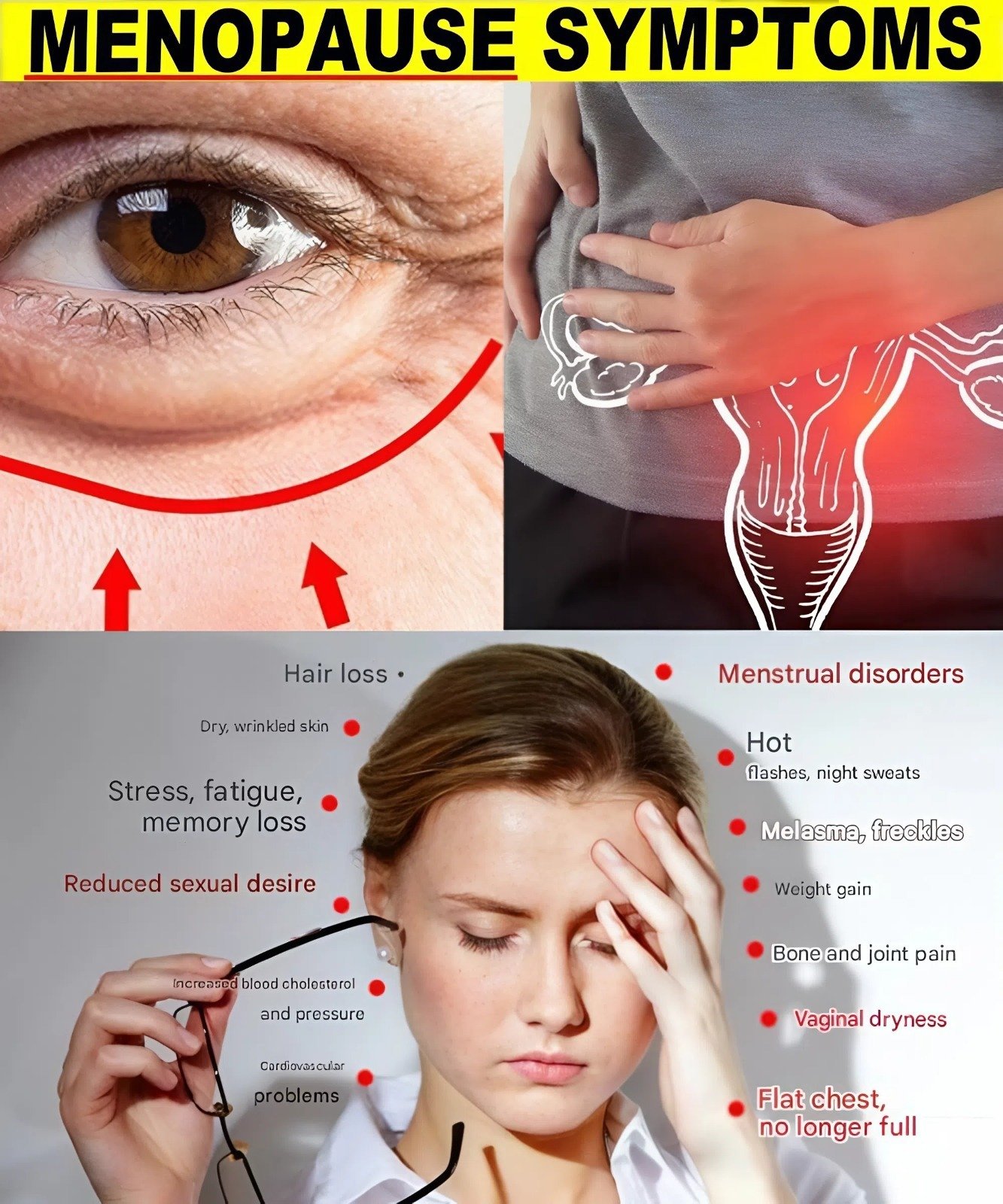

9 Signs You’re Actually Going Through Menopause (Even If You Didn’t Realize It)

Let’s be honest—menopause doesn’t exactly knock on the door and introduce itself. One day you’re powering through your routine, and the next? Your body starts acting… different. The truth is, menopause doesn’t arrive all at once—it sneaks in with small changes that are easy to brush off. So, how do you know if you’re actually going through menopause? These 9 signs are more common than you think—and they might just explain a lot. 1. Hot Flashes Out of Nowhere Suddenly sweating while you’re sitting still? Welcome to the club. Hot flashes are one of the most recognizable (and uncomfortable) signs of menopause. They come fast, burn hot, and leave you wondering if your thermostat is broken. 2. Night Sweats That Soak the Sheets It’s not just bad dreams—waking up drenched in sweat could be your hormones taking a wild ride. Estrogen fluctuations during menopause can mess with your body’s ability to regulate temperature, especially at night. 3. Mood Swings You Can’t Explain One minute you’re laughing, the next you’re crying over a coffee commercial. Hormonal shifts can make your emotions feel like a rollercoaster. You’re not alone—and no, you’re not overreacting. 4. Irregular or Missing Periods Menopause doesn’t flip a switch. Your periods may become irregular—longer, shorter, heavier, lighter, or missing for months. If your cycle’s become unpredictable, your body could be transitioning into menopause (aka perimenopause). 5. Trouble Sleeping Can’t fall asleep? Or waking up at 3 AM wide awake? Hormonal imbalances can seriously mess with your sleep cycle. Add in night sweats and anxiety, and you’ve got the perfect storm for insomnia. 6. Brain Fog Is Real Forgot why you walked into the room? Lost your train of thought mid-sentence? Cognitive changes like memory lapses and poor concentration are surprisingly common during menopause—and frustrating, too. 7. Low Libido If your sex drive took a nosedive, hormones are likely to blame. Decreased estrogen and testosterone levels during menopause can affect not just desire but also comfort during intimacy. 8. Vaginal Dryness and Discomfort This is one of those changes no one talks about—but many experience. Lower estrogen levels cause thinning and drying of vaginal tissues, leading to irritation or discomfort, especially during sex. 9. Weight Gain Around the Belly If you’re gaining weight despite eating the same and staying active, menopause may be the culprit. Hormonal changes shift fat storage, especially to the abdominal area. And no, it’s not just about willpower—your metabolism is changing.

There is no more precise way: the most accurate way to check the freshness of chicken eggs…full detail in comment

Eggs are an essential ingredient in the kitchen, and their freshness is key to ensuring both the quality of the dishes and food safety. Using an egg that is not fresh can affect the taste of recipes and even cause health problems. Fortunately, there is a simple and effective method to determine whether or not an egg is fresh, and all you need is a glass of water. This trick will allow you to check the freshness of the eggs in seconds, without having to open them! How to check the freshness of eggs with a glass of water With this method, you’ll not only avoid risks, but you’ll also get the most out of your ingredients. Make sure to practice it and share this trick with your friends! Procedure: Read more on next page

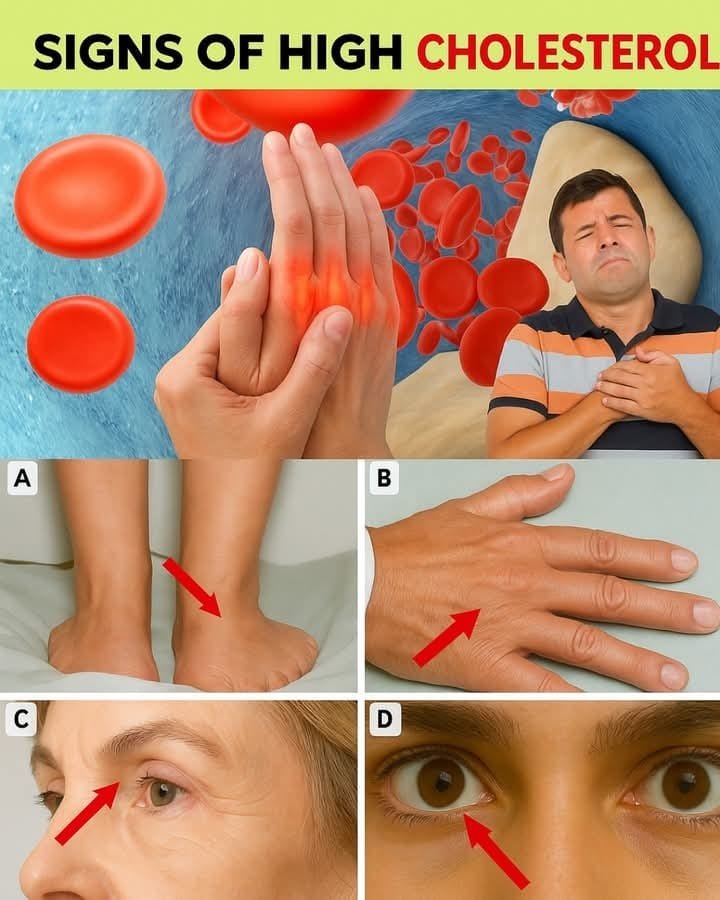
The Sneaky Danger of High Cholesterol….reading continue

Cholesterol is essential—it helps build cells and produce hormones—but too much of it can spell trouble. When levels rise, fatty deposits called plaque can clog arteries, setting the stage for heart attacks, strokes, and other serious issues. Over 90 million Americans have high cholesterol, yet many don’t know it because it often hides without obvious symptoms. The catch? Your body may drop subtle hints, and ignoring them could cost you. Let’s explore the 10 warning signs your body might be using to flag high cholesterol, paired with real stories to keep you hooked and empowered to act. 10 Warning Signs Your Body Might Be Sending ❤️ Chest Pain or Angina Imagine a tight, squeezing pressure in your chest that stops you in your tracks. For Emma, 55, this was her wake-up call. High cholesterol can cause plaque buildup in heart arteries, restricting blood flow and triggering chest pain known as angina. This discomfort, often described as heaviness or burning, is a red flag that your heart needs attention. Ignoring it could lead to serious complications. Could this be happening to you? The next sign might hit closer to home. 😓 Shortness of Breath Climbing a flight of stairs shouldn’t leave you gasping, but for John, 60, it did. When cholesterol clogs arteries to the heart or lungs, oxygen delivery suffers, making even light activity feel exhausting. If you’re winded after simple tasks or struggle to catch your breath, your body might be signaling reduced circulation. This warning is critical, but the next clue could explain your daily fatigue. 😴 Constant Fatigue and Low Energy Ever feel drained despite sleeping well? Sarah, 48, did—until she addressed her cholesterol. Poor circulation from plaque buildup means less oxygen reaches your muscles and tissues, leaving you tired and low on stamina. This exhaustion isn’t just a bad day; it could point to cholesterol issues. The next sign takes the problem to your legs. 🦵 Leg Pain or Numbness Mark, 57, loved evening walks until leg cramps made them unbearable. High cholesterol can narrow arteries in the legs, causing peripheral artery disease (PAD). This leads to cramping, numbness, or a cold sensation in one foot compared to the other. If walking feels painful or your legs tingle, your body might be crying for help. But wait—the next sign shows up on your skin. 🟡 Yellowish Skin Patches (Xanthomas) One day, Clara, 50, noticed waxy, yellowish bumps near her eyes. These patches, called xanthomas, are cholesterol deposits under the skin, often appearing around eyelids, elbows, or joints. While harmless, they’re a visible clue of high cholesterol levels. Clara’s doctor confirmed her levels were elevated, prompting action. The next sign involves your eyes directly. Read more on next page

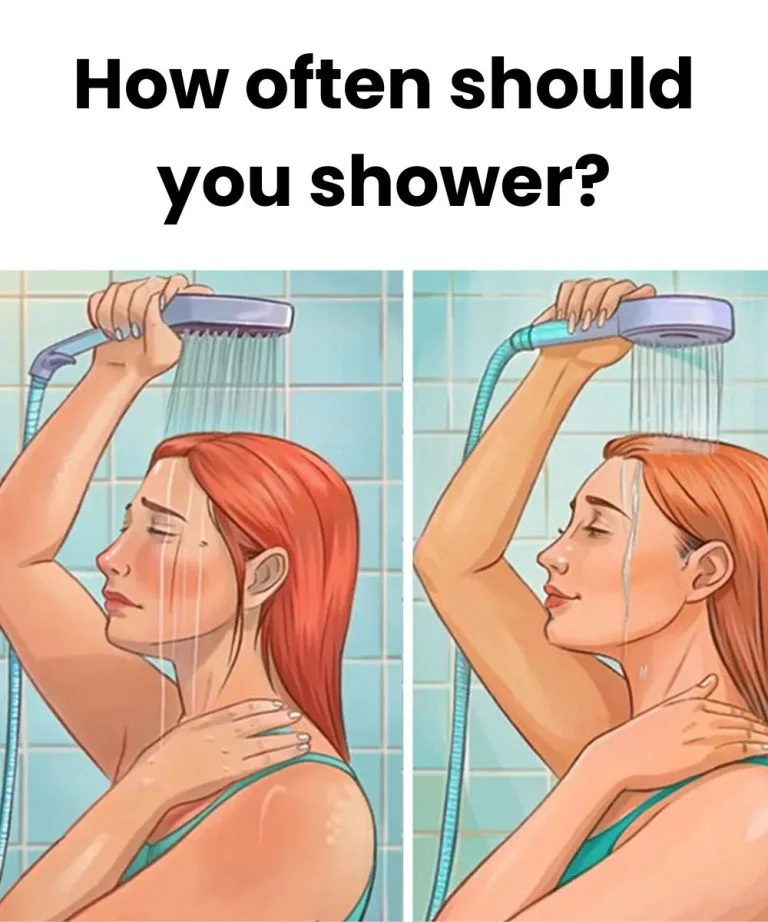
How Bathing Too Often Can Harm Your Health…full details in 1st comment

Bathing is one of life’s simple pleasures. A warm shower can refresh your body, ease tension, and wash away a long day’s fatigue. But while cleanliness is essential, overdoing it can actually do more harm than good especially for older adults or people with sensitive skin. Here’s why bathing too often might be affecting your health in ways you don’t realize. 1. It Strips Away Your Skin’s Natural Oils Your skin has a thin layer of natural oils that keeps it soft, hydrated, and protected. When you bathe too frequently particularly with hot water or harsh soaps—you strip away those oils. Over time, this can lead to: Dry, flaky skin Itching or irritation Increased sensitivity and premature aging If your skin often feels tight or itchy after showering, it may be a sign that you’re washing away too much of its natural moisture. 2. It Disrupts the Skin’s Natural Microbiome Our skin isn’t just a barrier—it’s home to millions of beneficial bacteria that protect us from harmful germs. Frequent scrubbing and antibacterial soaps can wipe out these “good” bacteria, leaving the skin vulnerable to infections, inflammation, and eczema. A healthy balance of skin flora helps keep your immune system strong. So, sometimes, being too clean can actually make your skin weaker. Older adults often have a harder time regulating body temperature. Bathing too often especially in very hot or very cold water can cause sudden temperature shifts that make you dizzy or lightheaded. Frequent hot showers may also dilate blood vessels and lower blood pressure, leading to fatigue or faintness. Cold showers, on the other hand, can shock the body if you’re not used to them. To stay safe, keep your water warm but not steaming, and avoid long baths if you tend to feel dizzy afterward. 4. It Dries Out Your Scalp and Weakens Hair Your scalp also produces natural oils that nourish and protect your hair. Washing too often can strip these oils away, leading to dryness, brittleness, and even increased hair loss. If you notice your hair feeling coarse or breaking easily, try reducing how often you shampoo. For most people, washing hair 2–3 times a week is enough to keep it clean and healthy. 5. It May Leave You Feeling More Tired Than Refreshed     While a shower can feel energizing, too many baths in a day especially after meals or physical activity can make your body work harder to adjust its blood flow. Instead of boosting energy, this can leave you feeling drained, dizzy, or sleepy. The key is to bathe at the right time: ideally after your body has cooled down from exercise and at least one hour after eating. How Often Should You Bathe? Most adults: Once a day is perfectly fine. Older adults or those with dry skin: Every 2–3 days is often enough, with gentle sponge baths on the in-between days. Always moisturize after bathing to restore lost hydration. Avoid very hot or very cold water. Use mild, fragrance-free soaps that don’t strip your skin’s oils.

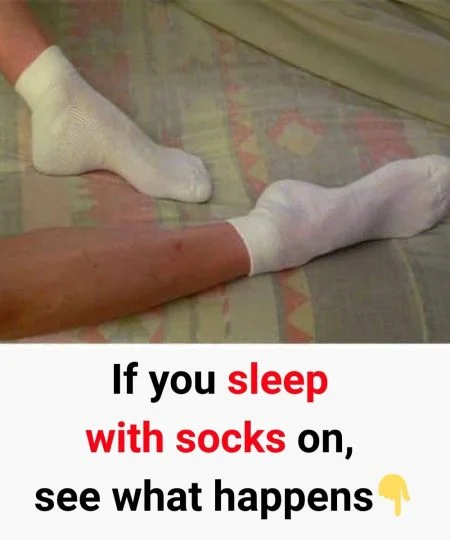
Why Seniors Should Wear Socks Even at Home

For many seniors, wearing socks indoors might seem unnecessary. Yet this simple daily habit can have powerful effects on health and comfort. As we age, our circulation slows, our skin becomes thinner, and we lose body heat more easily. That’s why keeping the feet warm and protected can help improve blood flow, support deeper sleep, and even prevent painful foot conditions. Sometimes, small habits bring the biggest benefits. 1. Better Circulation and Warmth Cold feet are common among older adults due to reduced blood flow. When the feet are cold, blood vessels constrict, making it harder for blood to circulate. This can worsen conditions like diabetes, arthritis, or swelling. Wearing soft, breathable socks made from natural materials—such as cotton, bamboo, or wool—helps trap gentle warmth without overheating. Keeping the feet warm allows blood to flow more freely, easing stiffness and discomfort. Proper circulation supports overall heart and vascular health, making socks a simple yet effective way to care for your body.Did you know that warm feet can help you fall asleep faster? Studies show that when your feet are comfortably warm, your blood vessels widen, signaling your body that it’s time to rest. This process, called vasodilation, helps regulate internal temperature and promote relaxation. For seniors who struggle with insomnia or wake up during the night, wearing clean, lightweight socks to bed can help maintain warmth, improve sleep quality, and reduce nighttime leg cramps. It’s a natural, drug-free solution for better rest. . Skin Protection and Safety As we age, the skin on our feet becomes thinner and more fragile. Walking barefoot on hard or cold floors can lead to cracks, dryness, or even infections. Socks act as a gentle barrier, keeping feet safe from friction and bacteria. For seniors with diabetes, this protection is especially important because even a small cut can lead to serious complications. Additionally, non-slip or grip socks can help prevent falls—a common risk for older adults. They provide stability on smooth surfaces and add a layer of safety with every step.4. Hygiene and Smart Sock Choices Clean socks mean healthy feet. Change your socks daily, and wash them in warm water to remove sweat and bacteria. Avoid tight or elastic bands that restrict blood flow, and look for “diabetic-friendly” or “compression-light” designs that provide support without pressure. Choose seamless socks to prevent irritation, and make sure they fit comfortably—not too loose, not too tight. A few pairs of well-made socks are an easy investment in your health and comfort. Conclusion – A Simple Habit, A Big Difference Wearing socks at home might seem like a small thing, but it can improve circulation, protect delicate skin, enhance sleep, and prevent dangerous slips. For seniors, comfort and safety often begin from the ground up. So the next time you’re relaxing at home, slip on a cozy pair of socks. Let that gentle warmth remind you that caring for your health can be simple—and start with something as small as your feet.

10 Genius Aspirin Hacks You Need to Try….reading continue

important: The tips below are for general, at-home use and are not medical advice. Aspirin (acetylsalicylic acid) can irritate skin and interact with certain medications. Do not use aspirin topically or orally if you’re allergic to aspirin/salicylates, have active skin infections or open wounds, are on blood thinners, have bleeding disorders, stomach ulcers, severe asthma triggered by NSAIDs, or are under medical instruction to avoid NSAIDs. Aspirin is not recommended for children or teens with viral illness because of the risk of Reye’s syndrome. Always patch test skin hacks (inner forearm, 15–20 minutes) and discontinue if burning, redness, or rash occurs. When in doubt, check with a healthcare professional. Why Aspirin Shows Up in DIY Hacks Aspirin is best known as an over-the-counter pain reliever, but its active family (salicylates) also has keratolytic (exfoliating) and anti-inflammatory properties. That’s why you’ll see it in dandruff tips, pimple dabs, and callus softeners. Used thoughtfully and sparingly, aspirin can be a handy addition to your at-home toolkit—with common-sense precautions to keep your skin and health protected. 1) Soothe Insect Bites Occasional itchy bites can ruin your day. A quick aspirin paste may offer short-term comfort by dialing down surface redness and itch.

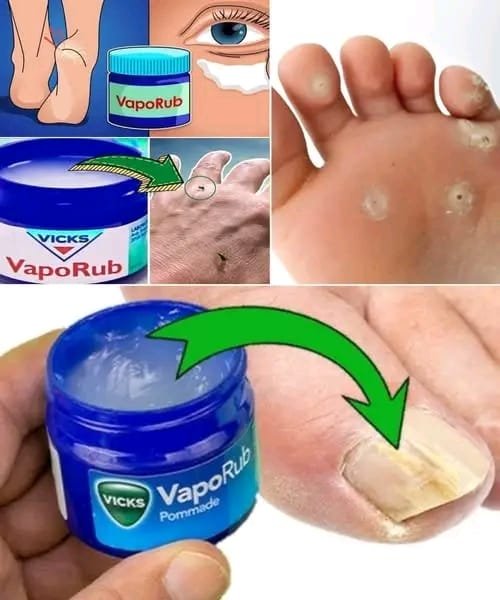
8 Surprising Uses of Vicks VapoRub

Most people know Vicks VapoRub as a soothing ointment for coughs and colds. But did you know this little blue jar has many other clever and surprising uses? Thanks to its menthol, camphor, and eucalyptus oil, Vicks can be more versatile than you think. Here are eight ways to make the most of it: 1. Relieve Headaches 🤕     Apply a small amount to your temples and forehead. The menthol helps cool the skin and ease tension, bringing quick relief from headaches. 2. Ease Muscle and Joint Pain 💪 Massage Vicks onto sore muscles or stiff joints. Its warming and cooling sensation improves blood flow and reduces discomfort. 3. Repel Mosquitoes 🦟 The strong smell of camphor and eucalyptus acts as a natural mosquito repellent. Dab some on your arms, legs, or ankles before bed to keep the bugs away. 4. Heal Cracked Heels 👣 Before going to sleep, apply a thick layer of Vicks to your heels, wear socks, and leave overnight. It softens skin and helps heal dryness. 5. Treat Toenail Fungus 🦶 Apply Vicks directly to the affected toenail daily. The antifungal properties in its ingredients can help slow the growth of fungus. Read more on next page

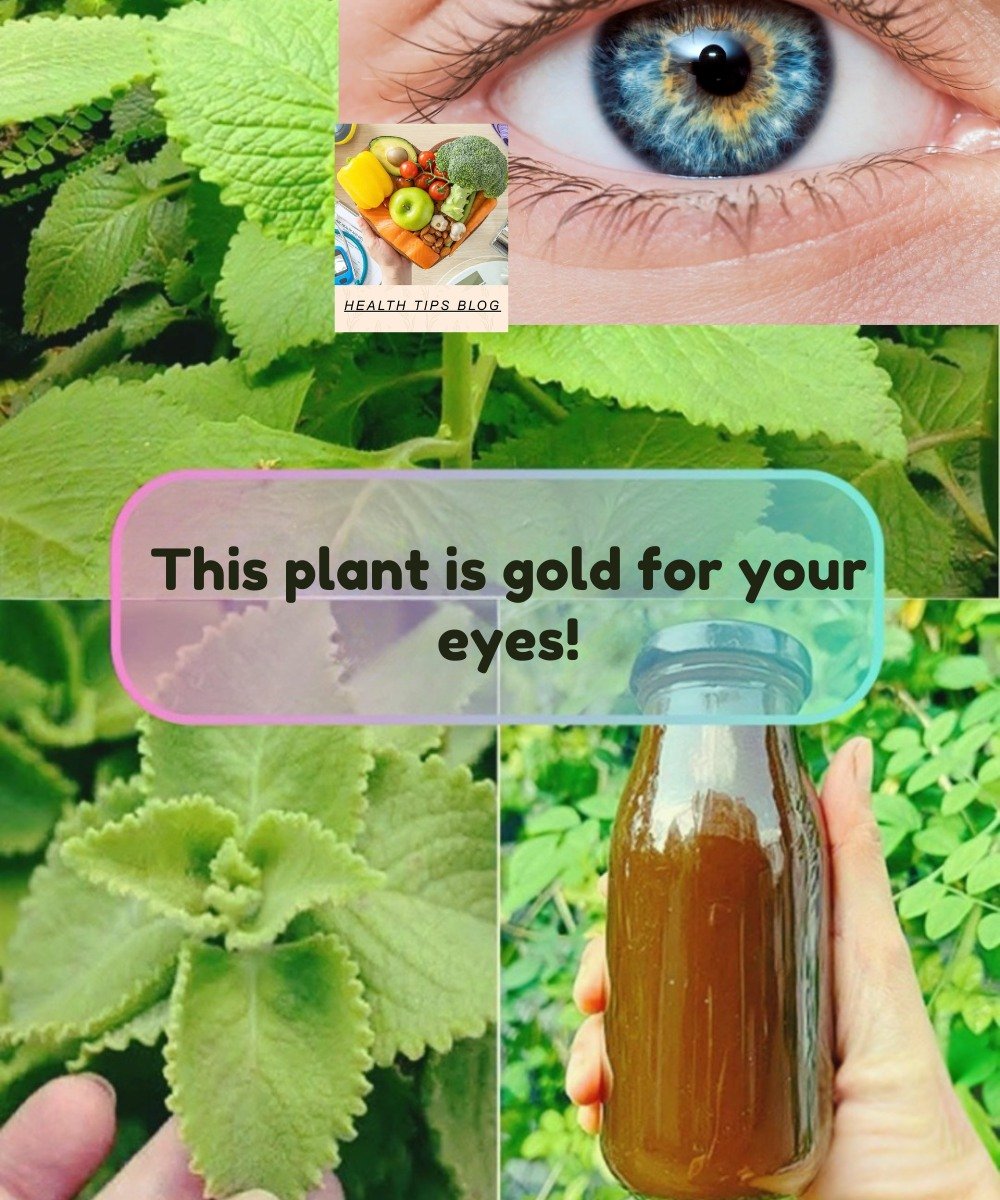
Cuban Oregano (Orégano Orejón) for Eye Health: Gentle Home Remedies 🌿👀

Cuban oregano —also known as orégano orejón, Spanish thyme, or Plectranthus amboinicus— is more than just a flavorful kitchen herb. For centuries, this aromatic plant has been valued in traditional wellness practices thanks to its antioxidant, anti-inflammatory, and soothing properties. Rich in flavonoids, tannins, and essential oils, Cuban oregano is believed to support eye comfort, circulation, and protection from oxidative stress. Below, you’ll find some popular home remedies with Cuban oregano that people have traditionally used to care for their vision naturally. 🌱 home remedies with Cuban Oregano for Vision 1. Cuban Oregano Tea for Eye Wellness Ingredients: 5 fresh Cuban oregano leaves 1 cup of water honey (optional) How to prepare: Boil the water and add the fresh leaves. Let steep for 10 minutes, then strain. Sweeten with honey if desired. Potential benefits: May help reduce oxidative stress in the eyes. Supports better circulation for visual health.

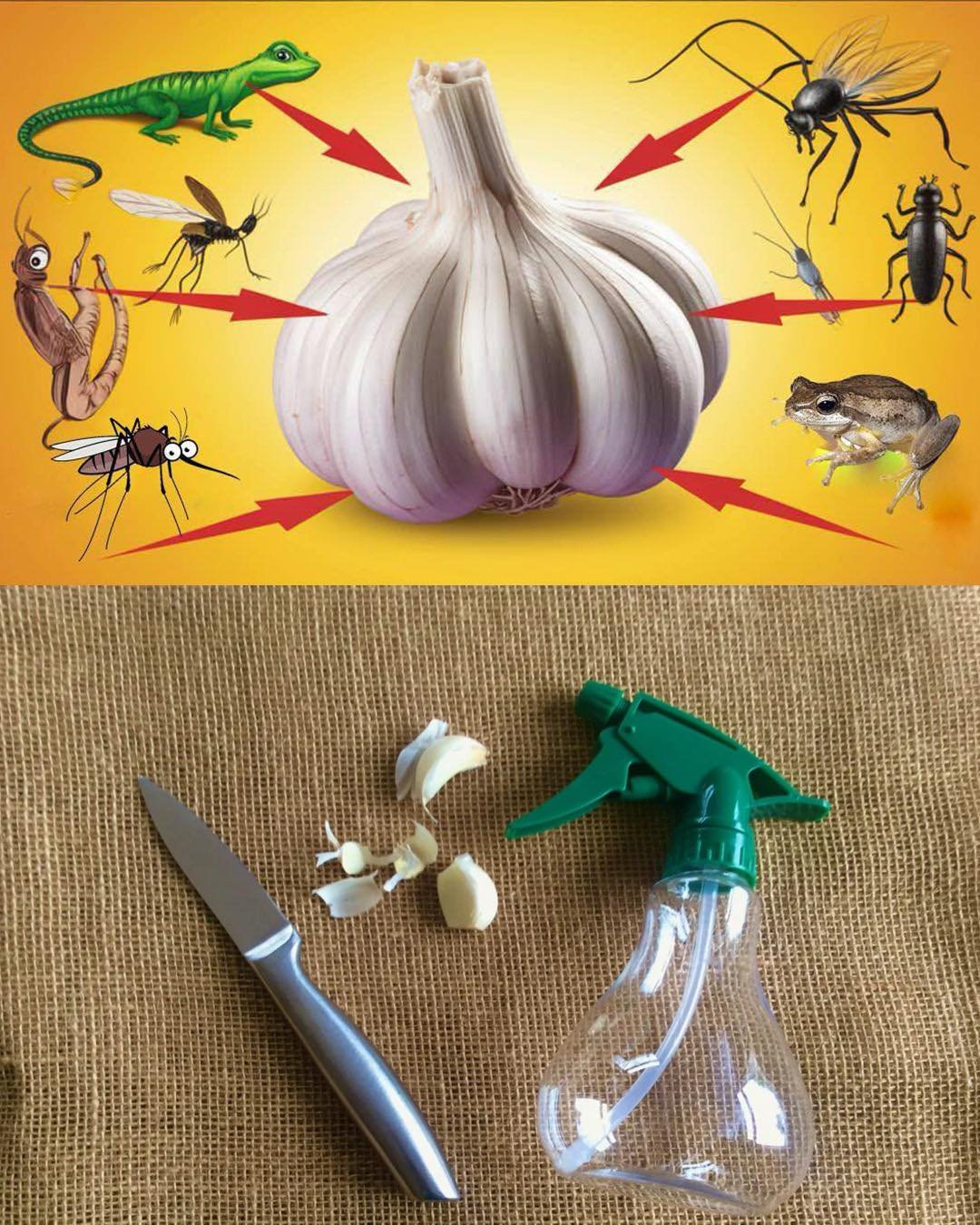
How to Use Garlic to Get Rid of Pests: Mice, Flies, Lice, Cockroaches, Lizards, Mosquitoes, and Kitchen Cockroaches

Garlic is more than just a culinary delight; it’s also an incredibly effective natural remedy for pest control. With its strong scent and powerful properties, garlic can be a great ally in getting rid of pests like mice, mosquitoes, flies, cockroaches, lice, and even lizards. Using garlic for pest control offers an eco-friendly, safe, and economical solution, especially in households with children and pets. Here’s how you can use garlic to keep your home pest-free. 1. Garlic Spray for Mosquitoes and Cockroaches Why It Works: Garlic’s strong odor is highly repellent to many pests, including mosquitoes and cockroaches. The natural sulfur compounds in garlic irritate the pests’ sensory systems, making the area unbearable for them to enter or linger. How to Use: Ingredients: 3-4 garlic cloves, 1 liter of water, a few drops of liquid soap. Preparation: Crush or finely chop the garlic cloves and add them to the water. Let the mixture sit for 24 hours, allowing the garlic to infuse the water fully. Strain the garlic pieces out and add a few drops of liquid soap to help the solution stick to surfaces. Application: Pour the solution into a spray bottle and apply it directly to areas where mosquitoes and cockroaches are likely to hide, such as around window sills, doorways, or cracks in the walls. Benefits: This garlic spray is both an effective and safe alternative to chemical insecticides. It won’t harm pets or children when used properly, making it ideal for households looking for a more natural solution to pest control.