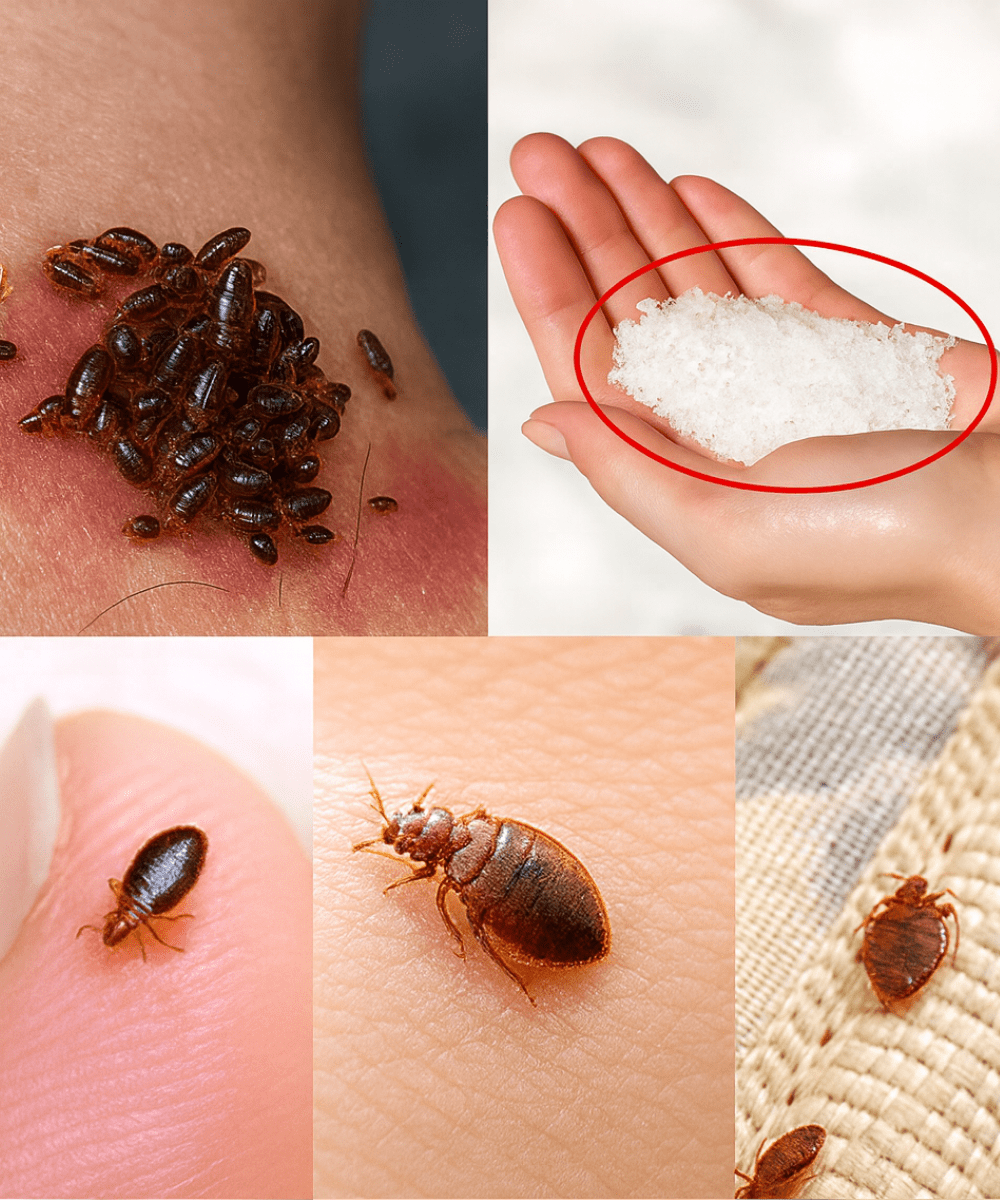
You step outside to enjoy your beautiful garden, only to spot dozens of tiny reddish-brown bugs crawling all over your favorite plants. Your heart sinks — are these bedbugs? The thought of an infestation spreading from the yard into your home is terrifying. You’ve worked so hard on your garden, and now these pests are sucking the life out of your roses, tomatoes, and herbs. The worst part? They multiply fast, and chemical sprays feel scary with kids and pets around. But here’s the good news: there’s one completely natural trick used by professional organic gardeners that can make these pests disappear in minutes — and I’ll reveal exactly how to do it in just a moment. True bedbugs (the ones that bite you at night) almost never live in gardens. They hate sunlight and prefer dark, cozy spots inside mattresses and furniture. What you’re actually seeing outdoors are common garden pests that look shockingly similar: Aphids Chinch bugs Carpet beetle larvae Spider mites or thrips These little invaders are usually reddish-brown, oval-shaped, and about the size of an apple seed — no wonder people panic and think “bedbugs!” But here’s what really hurts: even if they’re not bedbugs, they’re still destroying your plants. They pierce leaves and suck out the sap, leaving yellow spots, curled foliage, and stunted growth. Left unchecked, an infestation can wipe out an entire vegetable patch in weeks. The truth is… most gardeners give up and reach for toxic pesticides. Big mistake. The #1 Natural Weapon Organic Gardeners Swear By After testing dozens of home remedies, one stands far above the rest: neem oil + mild soap spray. Neem oil comes from the seeds of the neem tree (Azadirachta indica), a plant used for thousands of years in India for pest control and medicine. Multiple studies, including research published in the Journal of Insect Science, show that the active compound azadirachtin disrupts insect hormones, stops feeding within minutes, and prevents reproduction — all without harming humans, pets, or beneficial insects when used correctly. And the best part? You’ll see results almost immediately. How to Make the Powerful Neem Oil Spray at Home (Takes 2 Minutes) You don’t need fancy equipment — just four common items you probably already have. Ingredients: 2 teaspoons 100% cold-pressed neem oil (make sure it smells strong and bitter — that’s how you know it’s real) ½ teaspoon mild liquid dish soap (unscented, preferably Castile or baby shampoo) 1 quart (about 1 liter) warm water Clean spray bottle (16–32 oz) Step-by-Step Instructions: Pour the warm water into your spray bottle. Add the liquid soap first and shake gently — this helps the oil mix properly. Add the neem oil, close the bottle, and shake vigorously for 20–30 seconds until milky. That’s it — your spray is ready! How to Apply It Like a Pro: Spray in the early morning or evening (never in direct sun — it can burn leaves). Coat both the tops and undersides of leaves where pests hide. Lightly mist the soil around the base too — many pests crawl up from there. Reapply every 3–5 days for active infestations, then once a week for prevention. Most pests stop feeding within minutes and start dropping off or fleeing. After 2–3 applications, their life cycle is completely broken. Why This Works So Much Faster Than Other Natural Remedies Method Speed of Results Kills Eggs? Safe for Bees? Smell Neem oil + soap spray Minutes to hours Yes Yes (if applied at dusk) Strong but fades Diatomaceous earth 24–48 hours No Yes None Insecticidal soap alone Hours No Yes Mild Garlic/chili spray Repels only No Yes Very strong Neem wins almost every time — and research backs it up. 3 Bonus Natural Tricks to Make Your Garden Pest-Proof All Season Want even stronger protection? Layer these methods: Food-Grade Diatomaceous Earth Sprinkle a thin ring around plant bases. It scratches the pests’ outer layer, causing them to dehydrate. Reapply after rain. Garlic + Hot Pepper Spray (Extra Strength Repellent) Blend 4 cloves garlic + 2 hot chilies + 2 cups water. Let sit overnight, strain, add a drop of soap, and spray. Insects hate the smell. Companion Planting That Actually Works Marigolds — repel aphids and nematodes Basil — keeps mosquitoes and flies away Nasturtiums — act as a “trap crop” that lures aphids away from veggies These plants create a living shield around your garden. Important Safety Tips (Please Read Before Spraying) Do: Always test on one leaf first and wait 24 hours. Wear gloves — pure neem oil can irritate skin. Encourage ladybugs and lacewings (they eat hundreds of aphids a day!). Don’t: Spray during the heat of the day. Use regular dish soap with antibacterial agents or heavy fragrances. Give up after one application — consistency is key. Frequently Asked Questions Q: Can this neem spray kill actual bedbugs if they somehow get outside? A: Yes, neem oil is one of the few natural substances shown to repel and disrupt indoor bedbugs too, though professional treatment is still needed for heavy infestations. Q: Is neem oil safe for vegetable gardens and edible plants? A: Absolutely — it’s approved for organic farming. Just wash produce well before eating. Q: How long does the smell last? A: The strong garlic-like odor fades within a few hours outdoors. Final Thought: Your Garden Can Thrive Without Toxic Chemicals You don’t have to choose between a beautiful garden and a safe home. With a simple neem oil spray made in minutes, you can stop “bedbug lookalikes” dead in their tracks — naturally, cheaply, and safely. Try it this weekend. Your plants will look greener and healthier within days, and you’ll finally enjoy your yard without worrying about creepy crawlers. Happy (and pest-free) gardening! Disclaimer: This article is for informational purposes only and is not a substitute for professional pest control or medical advice. Always patch-test natural sprays on plants and consult a local extension service if you’re unsure about pest identification.