The Joy of Shared Plants: How Bringing a Blooming Plant to Work Can Brighten Your Day

The Joy of Shared Plants: How Bringing a Blooming Plant to Work Can Brighten Your Day There’s something magical about having plants around us, especially when they’re in full bloom. The vibrant colors and sweet fragrances can instantly uplift our mood and create a sense of joy. If you’re like many people, you might struggle to keep plants thriving in your home, but bringing one to work can be just the solution you need. Why Plants at Work Are a Great Idea 1. Boosts Morale: Plants have a way of bringing people together and creating a sense of community. When coworkers see a blooming plant, it can spark conversations and brighten everyone’s day. 2. Improves Air Quality: Plants are natural air purifiers, removing toxins and pollutants from the air. This can lead to improved health and productivity for everyone in the office. 3. Reduces Stress: Being around plants has been shown to reduce stress and anxiety. The calming effect of nature can be especially beneficial in a busy work environment. Tips for Caring for Your Plant at Work 1. Choose a Low-Maintenance Plant: Opt for plants that are easy to care for, like succulents or air plants. These can thrive in indoor conditions with minimal maintenance. 2. Provide Adequate Light: Make sure your plant is getting enough light. If it’s a flowering plant, it might need more direct sunlight. 3. Water Wisely: Overwatering can be detrimental to plants. Check the soil regularly and water only when necessary. The Benefits of Sharing Plants 1. Builds Camaraderie: Sharing plants can foster a sense of community and teamwork. Coworkers might bond over their shared love of plants or offer tips on plant care. 2. Creates a Sense of Responsibility: When multiple people are involved in caring for a plant, it can create a sense of shared responsibility and accountability. 3. Enhances the Work Environment: Plants can add a touch of nature to the office, making it a more pleasant place to work. Conclusion Bringing a blooming plant to work can have a significant impact on your day and the days of those around you. With a little care and attention, your plant can thrive and bring joy to everyone in the office. Do you have a favorite plant that brings you joy? Share your plant stories in the comments below!

Creative Ways to Respond to “I Love You” Without Saying It Back

For many women, hearing the words “I love you” for the first time can be both heartwarming and nerve-racking. Sometimes, you may not feel ready to say it back, or maybe your emotions are still evolving. Other times, you may care deeply for someone but prefer to express yourself differently. And that’s perfectly normal. Love is a journey, not a race, and no one should feel pressured to say those three words before they’re truly ready. The good news is, there are many creative, thoughtful, and even playful ways to respond without using the exact phrase “I love you too.” From showing appreciation to using humor or redirecting the moment, you can acknowledge their feelings while staying true to your own. Below are several creative ways women can respond when someone says “I love you,” without saying it back—yet still keeping the moment kind, respectful, and even a little fun.1. Express Gratitude for Their Feelings One of the simplest and most genuine ways to respond is by showing appreciation. Instead of mirroring the exact words, you can say something like, “That means so much to me,” or “I really appreciate how you feel about me.” This response acknowledges their emotions while giving you space to process your own. It’s a way of saying, “I hear you, I value you, and I’m glad you feel comfortable sharing this with me,” without rushing into words you might not be ready for. 2. Use Humor to Lighten the Moment If your relationship has a playful vibe, humor can be the perfect way to respond. Joking around keeps the mood fun and prevents things from becoming too heavy too quickly. For example, you could smile and say, “Wow, I must be really lovable!” or “Well, someone’s feeling romantic today!” Playful banter works especially well if you’re not ready for a serious conversation yet, but still want to keep the interaction warm and enjoyable. Instead of repeating “I love you,” you can respond with a heartfelt compliment that highlights what you genuinely admire about the person. For instance, you could say, “You always make me feel so special,” or “I really love how thoughtful you are.” Compliments redirect the moment while also reinforcing the bond you share. It’s a way to affirm your appreciation without making a declaration you’re not ready for. 4. Let Your Actions Speak Louder Than WordsSometimes, actions are more powerful than any phrase. If you’re not sure what to say, respond physically with affection—a warm hug, holding their hand, or even giving them a sweet kiss. Non-verbal responses can express intimacy and connection without forcing you to say something you’re not ready to say. This works especially well if you want to reassure them of your affection without using the word “love” prematurely. 5. Be Honest About Your Feelings Honesty builds trust in any relationship. If you care deeply for the person but aren’t at the “love” stage yet, you can gently explain where you are emotionally. For example, you might say, “I really like where this relationship is going, and I want to take my time,” or “I’m not quite ready to say it yet, but I love being with you.” This approach is respectful and prevents misunderstandings. It shows you’re serious about your connection but also committed to being authentic. 6. Turn It Into a Conversation If you feel caught off guard, asking a meaningful question can shift the spotlight and create deeper intimacy. Try responding with something like, “What made you say that right now?” or “When did you realize you felt that way?” Not only does this help you understand their feelings better, but it also keeps the conversation open and flowing. Sometimes, listening can be just as powerful as speaking. 7. Playfully Dodge the Moment If you’re unsure how serious the declaration was, you can respond in a lighthearted, flirty way. Saying things like, “Careful, you’ll make me blush!” or “I know, I’m pretty amazing, right?” allows you to acknowledge the sentiment without diving too deep. This works particularly well if you’re in the early stages of dating and still figuring out your emotions. 8. Show You Care in Different Words Love can be expressed in many ways, not just by saying “I love you.” If you deeply care for someone but don’t want to use that phrase yet, you can say things like, “I care about you so much,” or “You mean a lot to me.” These responses provide comfort, reassurance, and intimacy without pressuring you into saying something you don’t feel ready to express. 9. Talk About Your Shared Future Sometimes, the best way to respond is by shifting the focus toward the future. You can say something like, “I’m excited to see where this goes,” or “I can’t wait for our next adventure together.” Discussing future plans shows commitment and interest in building a relationship, which can feel just as powerful as saying “I love you.” 10. Use Affectionate Nicknames and Warmth A sweet and playful way to respond is by leaning on affection. Using nicknames like, “Aww, you sweet talker,” or “You’re adorable,” can soften the moment and make them feel appreciated. While it may not be the direct response they were hoping for, it still creates intimacy and reinforces your bond. Sometimes, the best way to ease the tension is by gently changing the subject—without ignoring their feelings. For example, after smiling and thanking them, you could ask, “How was your day?” or “Tell me more about what you’re thinking right now.” This creates balance between acknowledging their words and keeping the mood relaxed. 12. Share a Memory Instead Another beautiful way to respond is by recalling a meaningful memory you’ve shared together. Saying something like, “Remember that time we stayed up all night talking? That was one of my favorite moments with you,” can be just as powerful as saying “I love you.” Memories anchor your bond in real experiences, reminding them that they matter to you in ways … Read more


The Power of Dandelions: A Natural Wonder

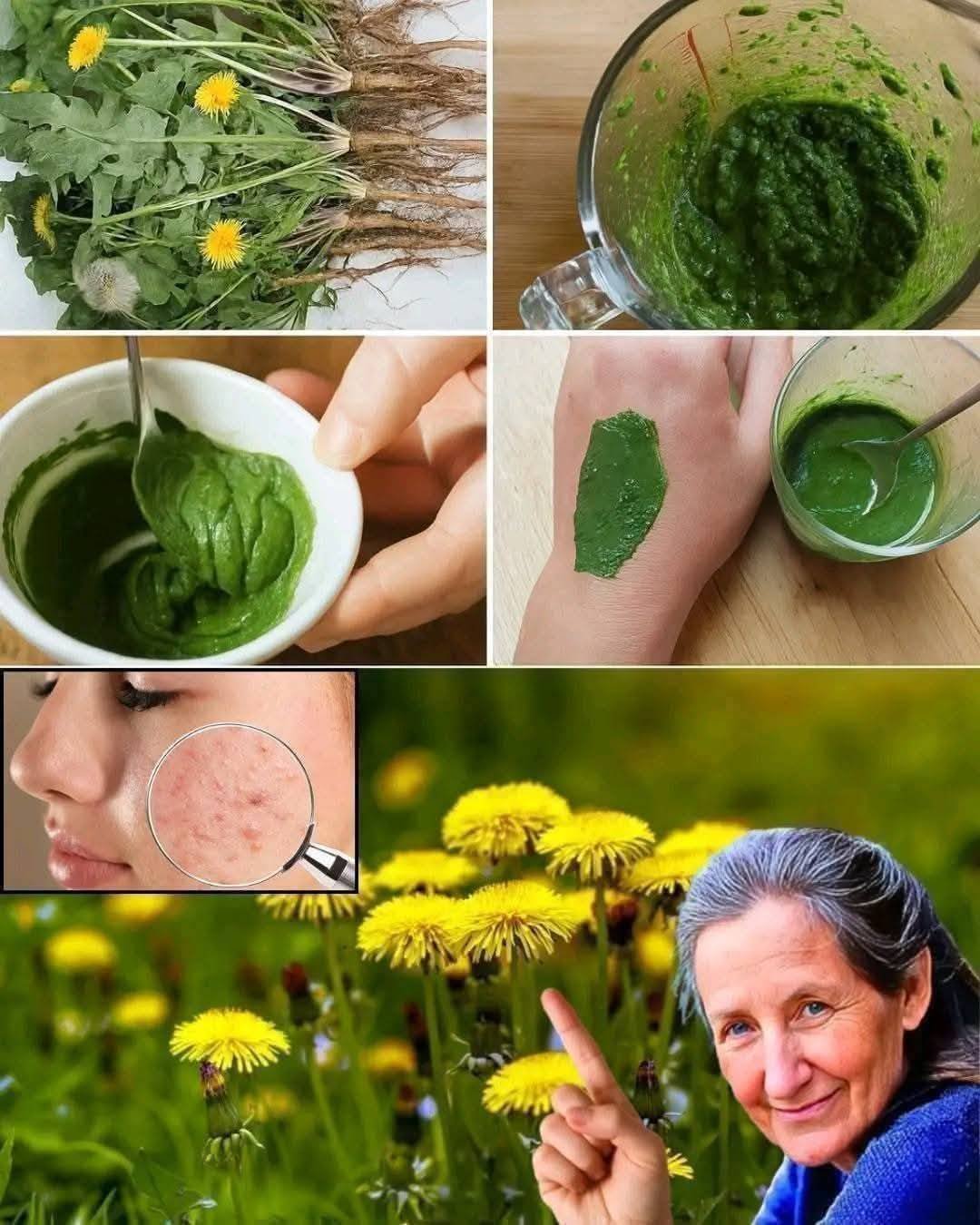
  The Power of Dandelions: A Natural Wonder Dandelions, with their bright yellow flowers and lush green leaves, are more than just a common weed. This humble plant has been used for centuries for its medicinal, culinary, and cosmetic benefits. In this article, we’ll explore the uses and benefits of dandelions, as showcased in the images of dandelion leaves being made into a green paste for skincare. Dandelion Uses – Skincare: The images show dandelion leaves being blended into a paste, likely for use in skincare. Dandelion extract is known for its anti-inflammatory and antioxidant properties, which can help soothe and protect the skin. – Medicinal Properties: Dandelions have been used in traditional medicine for their potential health benefits, including supporting liver health and aiding digestion. – Culinary Uses: Dandelion greens can be eaten raw in salads, cooked in soups, or used to make teas. Benefits of Dandelion in Skincare – Anti-inflammatory: Dandelion extract may help reduce inflammation and soothe irritated skin. – Antioxidant properties: Dandelions contain antioxidants that can help protect the skin from damage caused by free radicals. The Woman in the Dandelion Field The image of the woman in the dandelion field suggests a connection to nature and the use of natural ingredients for wellness. Dandelions are often seen as a symbol of resilience and adaptability, growing in a variety of conditions. Conclusion Dandelions are a versatile and beneficial plant with uses in skincare, medicine, and cuisine. The images highlight the potential of dandelions in natural skincare products, leveraging their anti-inflammatory and antioxidant properties. Sources: – Healthline – Botanical studies on dandelion uses Do you want to know more about using dandelions for skincare or other purposes?

Prostate Health: 5 Healing Drinks to Support Your Well-being

Prostate Health: 5 Healing Drinks to Support Your Well-being As men age, prostate health becomes an increasingly important concern. A healthy diet and lifestyle can play a significant role in supporting prostate health, and certain drinks have been shown to have beneficial effects. In this article, we’ll explore five healing drinks that can help support your prostate health. 1. Green Tea [Image: A cup of green tea] Green tea is rich in antioxidants called catechins, which have been shown to have anti-inflammatory and anti-cancer properties. Studies have suggested that drinking green tea regularly may help reduce the risk of prostate cancer. 2. Pomegranate Juice [Image: A glass of pomegranate juice] Pomegranate juice is rich in antioxidants and has anti-inflammatory properties, which can help protect the prostate gland from damage. Studies have shown that pomegranate juice may help slow the progression of prostate cancer. 3. Cranberry Juice [Image: A glass of cranberry juice] Cranberry juice is known for its ability to prevent urinary tract infections, which can be a concern for men with prostate issues. Cranberry juice may also help reduce inflammation and promote prostate health. 4. Turmeric Latte [Image: A cup of turmeric latte] Turmeric contains a compound called curcumin, which has potent anti-inflammatory and antioxidant properties. Drinking turmeric latte regularly may help reduce inflammation and promote prostate health. 5. Ginger Tea [Image: A cup of ginger tea] Ginger has anti-inflammatory properties, which can help reduce inflammation and promote prostate health. Ginger tea may also help alleviate symptoms of an enlarged prostate. Incorporating these Drinks into Your Daily Routine Adding these healing drinks to your daily routine can be easy and delicious. Try incorporating them into your diet in the following ways: – Drink a cup of green tea or ginger tea with your breakfast – Enjoy a glass of pomegranate or cranberry juice as a mid-morning snack – Warm up with a turmeric latte on a chilly evening Conclusion A healthy diet and lifestyle are essential for supporting prostate health. Incorporating these five healing drinks into your daily routine can help promote prostate health and reduce the risk of prostate-related issues. [Image: A healthy prostate diagram] Sources: – National Institutes of Health – American Cancer Society – Harvard Health Publishing Consult Your Doctor If you have concerns about your prostate health, consult with your doctor before making any changes to your diet or lifestyle

The Amazing Coriander Leaf: Unlocking its Health Benefits and Culinary Uses

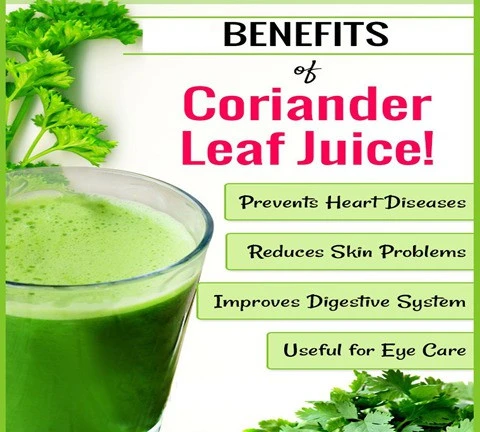
The Amazing Coriander Leaf: Unlocking its Health Benefits and Culinary Uses Coriander leaves, also known as cilantro or Chinese parsley, are a popular herb used in many cuisines around the world. Not only do they add flavor and aroma to dishes, but they also offer numerous health benefits. In this article, we’ll explore the nutritional value, health benefits, and culinary uses of coriander leaves, along with some delicious recipe ideas. Nutritional Value of Coriander Leaves [Image: A bunch of fresh coriander leaves] Coriander leaves are rich in vitamins A, C, and K, as well as minerals like potassium and iron. They also contain antioxidants and flavonoids, which have anti-inflammatory properties. Health Benefits of Coriander Leaves 1. Digestive Health: Coriander leaves have been used for centuries to aid digestion and relieve symptoms of indigestion and bloating. 2. Antioxidant Properties: The antioxidants in coriander leaves help protect against cell damage and reduce the risk of chronic diseases like cancer and heart disease. 3. Anti-Inflammatory Effects: Coriander leaves have anti-inflammatory properties, which can help reduce inflammation and alleviate symptoms of conditions like arthritis. [Image: A person holding a plate of salad with coriander leaves] Culinary Uses of Coriander Leaves 1. Indian Cuisine: Coriander leaves are a staple herb in Indian cooking, used in curries, chutneys, and salads. 2. Mexican Cuisine: Cilantro, another name for coriander leaves, is a key ingredient in salsas, salads, and marinades. 3. Middle Eastern Cuisine: Coriander leaves are used in salads, stews, and as a garnish for soups and rice dishes. [Image: A plate of Indian curry with coriander leaves garnish] Recipe Ideas 1. Coriander Chutney: Blend coriander leaves with green chilies, garlic, and lemon juice for a delicious and healthy condiment. 2. Cilantro Lime Rice: Mix chopped coriander leaves with cooked rice, lime juice, and olive oil for a flavorful side dish. 3. Coriander and Lemon Chicken: Marinate chicken in a mixture of coriander leaves, lemon juice, and garlic for a tasty and aromatic main course. [Image: A plate of coriander and lemon chicken] Conclusion Coriander leaves are a nutritious and versatile herb that can add flavor and nutrition to a variety of dishes. With their numerous health benefits and culinary uses, it’s no wonder why coriander leaves are a staple in many cuisines around the world. [Image: A bunch of fresh coriander leaves with a chef’s hat] Sources: – USDA Nutrition Database – Healthline – Epicurious Share Your Favorite Recipe: How do you use coriander leaves in your cooking? Share your favorite recipe in the comments below!

Discover the Surprising Benefits of Cloves for Belly Health

Discover the Surprising Benefits of Cloves for Belly Health Buy vitamins and supplements In the realm of natural remedies, cloves stand out for their impressive health benefits, especially when it comes to belly health. This aromatic spice, commonly used to enhance the flavor of dishes, also offers a wealth of medicinal properties that might reduce your need to visit the pharmacy. Why Cloves? Cloves are a powerhouse of antioxidants and contain important compounds like eugenol, which has been shown to have anti-inflammatory and digestive health properties. These components make cloves an excellent natural remedy for soothing stomach issues and promoting overall digestive wellness. How to Use Cloves for Belly Health: Using cloves to aid in belly health is a simple and traditional remedy. Here’s how you can incorporate this spice into your routine: Ingredients: A small handful of whole cloves A clean, thin cloth or handkerchief continued on next page

*The Terrifying Reality of Sleep Paralysis: Why Do You Wake Up Unable to Move?*

*The Terrifying Reality of Sleep Paralysis: Why Do You Wake Up Unable to Move?* Have you ever woken up in the middle of the night, fully conscious and aware of your surroundings, but completely paralyzed? You’re not alone. Sleep paralysis is a mysterious and terrifying phenomenon that affects millions of people worldwide. In this article, we’ll explore the causes, symptoms, and treatment options for sleep paralysis. *What is Sleep Paralysis?* Sleep paralysis is a condition that occurs when you’re falling asleep (hypnagogic) or waking up (hypnopompic). During this time, you’re unable to move or speak, despite being conscious and aware of your surroundings. It’s like your body is frozen, but your brain is wide awake. [Image: A person lying in bed, with a ghostly figure looming over them] *Causes of Sleep Paralysis* 1. *Sleep Stage:* Sleep paralysis often occurs during REM sleep, when your brain is active and dreams happen. Your body is paralyzed to prevent acting out dreams, but sometimes this paralysis lingers when you wake up. 2. *Sleep Deprivation:* Lack of sleep, irregular sleep schedules, or sleep disorders like narcolepsy can trigger sleep paralysis. 3. *Genetics:* Family history might play a role. 4. *Stress and Anxiety:* High levels of stress and anxiety can increase the risk. 5. *Other Factors:* Sleep disorders, certain medications, or substance abuse can also contribute. [Image: A person sleeping, with a clock in the background showing an irregular sleep schedule] *Symptoms of Sleep Paralysis* – Inability to move or speak – Fear or anxiety – Hallucinations (visual or auditory) – Shortness of breath – Pressure on the chest or feeling of weight [Image: A person trying to scream, but with a speech bubble crossed out] *Treatment Options* 1. *Establish a Sleep Schedule:* Regular sleep hours can help. 2. *Improve Sleep Quality:* Create a relaxing bedtime routine, avoid caffeine and electronics before bed. 3. *Manage Stress:* Practice relaxation techniques like meditation, deep breathing, or yoga. 4. *Get Enough Sleep:* Aim for 7-9 hours of sleep each night. [Image: A person meditating in bed, with a peaceful atmosphere] *Conclusion* Sleep paralysis is a mysterious and terrifying phenomenon, but it’s not a sign of a serious medical condition. By understanding the causes and symptoms, you can take steps to prevent and manage sleep paralysis. If you’re experiencing frequent or severe sleep paralysis, consider talking to a healthcare professional for guidance. [Image: A person sleeping peacefully, with a calm and serene atmosphere] *Sources:* – National Sleep Foundation – American Academy of Sleep Medicine – Mayo Clinic *Share Your Experience:* Have you ever experienced sleep paralysis? Share your story in the comments below.

9 Symptoms of Diabetes That Most People Might Overlook When They’re Still Young

1. Constant Thirst and Dry Mouth If you find yourself reaching for water all the time, even right after drinking, it could be a red flag. High bl00d sugar pulls fluids from your tissues, leaving you dehydrated and craving more water. 2. Frequent Urination Needing to use the bathroom more often than usual especially waking up several times at night can indicate your body is trying to flush out excess glucose. 3. Unexplained Fatigue Many young adults assume exhaustion comes from overworking or lack of sleep. But if you’re constantly tired despite rest, it could mean your cells aren’t getting enough energy due to insulin resistance. 4. Sudden Weight Changes Losing or gaining weight without altering your diet or activity level is a war:ning sign. In diabetes, your body may begin breaking down fat and muscle for fuel when it can’t use glucose effectively. 5. Blurred Vision

Brighten Your Smile Naturally: Toothpaste, Lemon, and Salt Remedy for Healthier Teeth

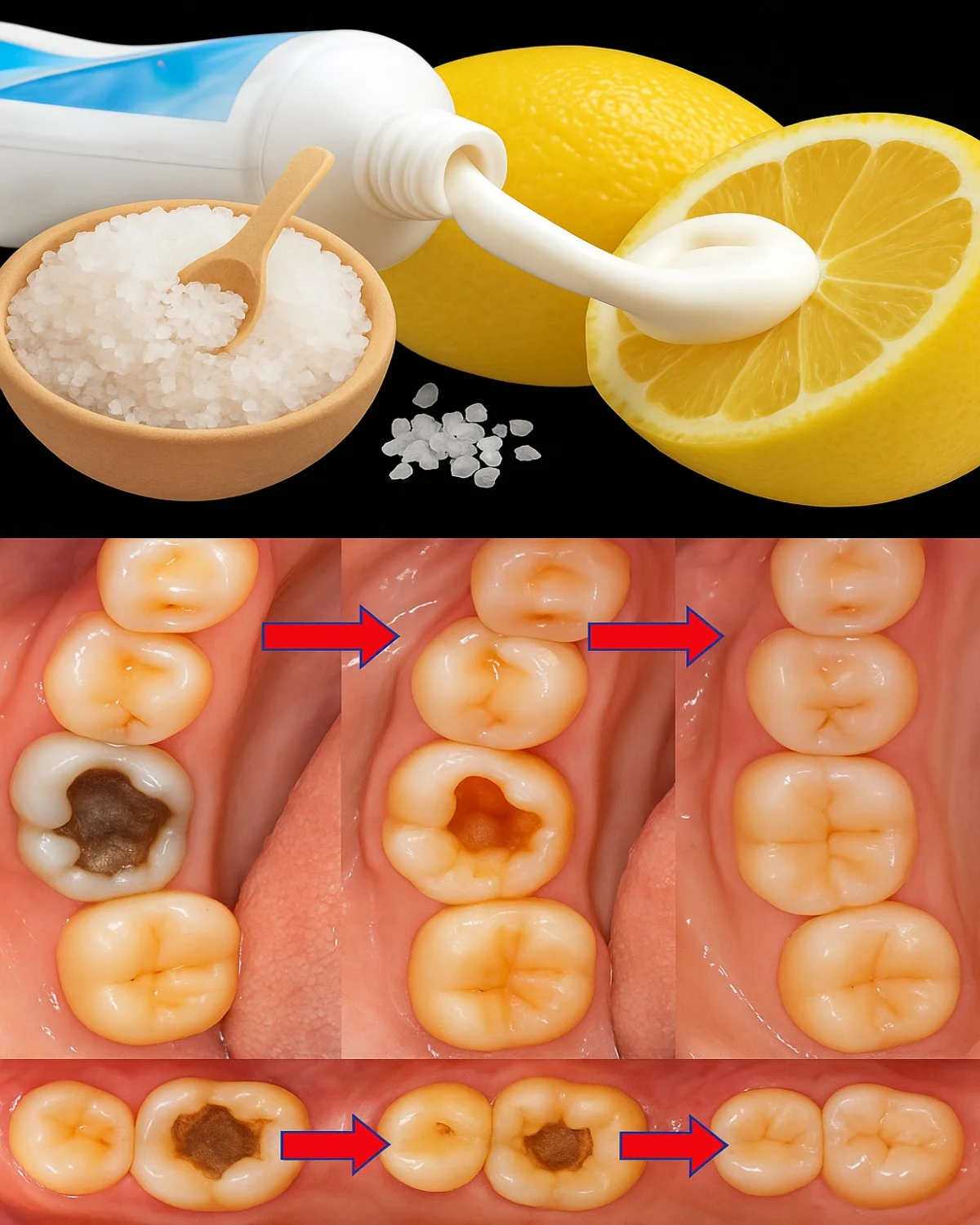
  Brighten Your Smile Naturally: Toothpaste, Lemon, and Salt Remedy for Healthier Teeth   Ever flash a grin and spot yellow stains or feel a twinge that whispers trouble? What if three everyday items—your trusty toothpaste, a zesty lemon, and simple salt—could team up to polish away worries and fortify your enamel? The cool mint of paste blends with citrus spark and salty grit, creating a fizz that feels like a mini spa for your teeth. But pause—there’s a sneaky mistake that could harm more than help. Curious to avoid it? The Silent Decay Threat Lurking in Your Mouth Plaque builds daily, acids erode, and before you know it, cavities crash the party. Did you know 92% of adults aged 20-64 have had dental caries? Coffee, sweets, and skipped brushings accelerate the damage. Ever bite into an apple and wince? That pain signals urgency—your teeth crave reinforcement. What if your kitchen held a gentle guard? Why Fancy Whitening Kits Let You Down You’ve shelled out for strips and gels promising pearly perfection, yet sensitivity flares and stains return. Why do 70% of users quit after two weeks? Harsh bleaches strip without strengthening. Imagine a mix that cleans, brightens, and may support remineralization naturally. Hold that smile—the first ingredient steps up… 9. Toothpaste: Your Daily Defense Base Linda, 48, brushed religiously but yellowed anyway—coffee was her vice. She upgraded her paste routine with this twist. Plaque vanished faster, breath stayed fresh. Fluoride in toothpaste may reduce decay risk by 24%, per CDC data. Cool, minty foam coats like a shield. But alone, it’s predictable—add the zing… 8. Lemon: The Stain-Busting Spark Mark, 55, hid his smile at reunions—nicotine ghosts lingered. A lemon-infused scrub lifted years in days. Citric acid may dissolve surface stains, studies in Journal of Dentistry suggest. Bright, tangy burst wakes your mouth like sunrise. Yet enamel’s delicate—enter the buffer… 7. Salt: The Gentle Abrasive Ally Dry mouth left Susan, 50, with sticky buildup and early decay spots. Fine salt polished smoothly, no harsh scrape. Research in Acta Odontologica shows saline rinses may inhibit bacteria growth. Subtle ocean kiss tingles softly. But the trio’s synergy? That’s where magic brews… 6. Triple-Threat Cleanse Power Solo, each fights grime. Together? They scrub, brighten, and balance pH. A 2021 study in BMC Oral Health noted citrus-salt pastes improved cleanliness over plain brushing. Imagine teeth gleaming without the dentist drill. Wondering how it tackles sensitivity next? 5. Sensitivity Soother You’ll Feel Hot coffee or ice cream triggering jolts? Salt desensitizes nerves, lemon vitamin C supports gums, toothpaste seals tubules. Linda sipped lattes pain-free after a week. Fizzy mix calms like a whisper. But the whitening wow? It’s subtle yet stunning… 4. Natural Glow Without the Burn Dull enamel dims your confidence. This combo lifts stains gently, revealing your true shade. Mark’s teeth lightened two tones—no peroxide sting. Sparkling paste meets yellow zest, a sunrise in your sink. Yet gum health hides deeper benefits… 3. Gum Guardian in Every Swish Bleeding when you floss? Salt’s antimicrobial edge, lemon’s antioxidants, and fluoride team up. Susan’s gums pinked up, inflammation eased. Studies in Periodontology hint at reduced gingivitis markers. Salty-citrus swirl massages tenderly. But cavity defense? That’s the crown… 2. Enamel Armor Boost Acids soften surfaces daily. This mix may neutralize and remineralize, toothpaste leading the charge. Linda’s dentist noted stronger spots at checkups. Gritty yet kind, like beach sand on silk. Ready for the full smile revival? 1. The Confidence-Restoring Ritual Toothpaste, lemon, salt don’t just clean—they empower. Brighter, stronger, healthier smiles emerge. Linda, Mark, Susan traded grimaces for grins. But how to mix without etching your enamel? Your 3-Ingredient Smile Paste Ingredient Role Sensory Cue Toothpaste Fluoride protector Minty cool foam Lemon Juice Stain lifter Zesty sunshine Salt Mild polisher Subtle salty grit Squeeze 1 teaspoon fluoride toothpaste, add 3 drops fresh lemon juice, sprinkle pinch fine sea salt. Stir into paste. That’s your glow getter. But frequency matters—guidelines incoming. Safe Brushing Blueprint Step Action Safety Note 1 Use fresh lemon Bottled lacks potency 2 Mix fresh each time Avoid waste 3 Brush gently 1 minute Soft bristles only 4 Rinse thoroughly Spit, don’t swallow 5 Limit to 2-3x weekly Daily risks acid wear Sensitive teeth? Skip lemon, double toothpaste. Pregnant or on meds? Doc first—citrus may interact. Thinking, “Won’t acid hurt?” Moderation is key; salt buffers, fluoride rebuilds. Start slow—your enamel will thank you. Real Grins, Real Wins Linda’s coffee smiles? Fearless. Mark’s stains? Faded history. Susan’s gums? Firm and pink. They brushed doubt away, one swirl at a time. Your toothbrush awaits its upgrade. Claim Your Brighter Tomorrow Morning mirror shows stains and shadows—or it could reflect a radiant, resilient smile. Toothpaste, lemon, salt stand ready to polish your path. Healthier teeth aren’t luck; they’re a two-minute ritual away. Mix tonight, shine by dawn. Your confidence just texted: “Let’s glow.” P.S. Fun fact: Sailors used lemon to fight scurvy—and stained teeth. You’re flipping the script. Share this with your coffee crew—they’ll flash thanks mid-sip

The ‘world’s deadliest food’ claims over 200 lives every year, yet nearly 500 million people still eat it

When it comes to our diet, we should be mindful that the food we choose to consume affects our health and overall well-being. Opting for a balanced diet helps ensure our body gets all the necessary nutrients. Some foods, however, can be dangerous, such as cassava, which is labeled “world’s deadliest food.” Cassava is a root vegetable rich in Vitamin C and copper. It is native to Central and South America, and is highly popular throughout the tropics. In fact, it is used the same way as the potato. The top producing countries of this highly consumed vegetable are Nigeria, Thailand, and Indonesia. It is believed that cassava is consumed by over 500 million people worldwide. However, if eaten raw, it can pose risks due to the harmful compounds it contains. According to the World Health Organization (WHO), around 200 people die due to consumption of cassava annually.