Alert! 8 Drugs That Cause Serious Dementia
Many people are unaware that certain common medications can seriously affect their memory and brain health. It’s essential to consider whether the medications you’re taking could be contributing to your cognitive decline. Can you identify these medications and avoid them to improve your quality of life? Recent research has shown that memory loss is not an inevitable consequence of aging. Some medications taken without proper guidance can have adverse effects on the mind. How can we protect our minds while treating other illnesses?    Omeprazole’s Dangers for the Brain Omeprazole is widely prescribed to treat conditions such as heartburn. It belongs to the class of drugs known as proton pump inhibitors (PPIs), which also includes lansoprazole, pantoprazole, and esomeprazole. These drugs reduce stomach acid production, but their prolonged use has been linked to serious risks to brain health. Epidemiological studies show a link between PPIs and an increased risk of dementia and memory loss. In one study of 6,000 participants, 10% of those who took omeprazole for 3 years experienced memory loss. Another study found that 33% of patients taking the drug for more than 4.5 years reported cognitive problems. This may be due to decreased absorption of vitamin B12, which is essential for neuronal function. Omeprazole is often used without a prescription, but it is crucial to consult a doctor before starting long-term treatment. PPI treatment should generally be limited to periods of 2 weeks to 3 months, depending on needs and dietary adjustments. Anticholinergics: The Hidden Side of Popular Drugs Anticholinergics are used to treat various conditions, including Parkinson’s disease and urinary disorders. They work by blocking acetylcholine, a key neurotransmitter for memory and learning. Studies show that they increase the risk of dementia. For example, a study from the University of Washington followed more than 3,500 older adults for 10 years and found that those who regularly used anticholinergics had a 54% increased risk of developing dementia. Common anticholinergics linked to cognitive decline include meclizine, scopolamine, biperiden, oxybutynin, and diphenhydramine. However, others such as glycopyrronium and tiotropium have not shown these effects. Patients and physicians should carefully weigh the risks and benefits of these medications. Corticosteroids and the Brain Corticosteroids are used to treat various inflammations and autoimmune diseases. However, prolonged use, especially oral use, can cause serious side effects such as disorientation, anxiety, and depression. A British study found that people taking corticosteroids long-term had a higher risk of developing dementia. Glucocorticoids like prednisone affect brain function by altering levels of the stress hormone cortisol. Even inhaled corticosteroids like fluticasone can have negative effects if used in high doses or for a long time. It is essential that healthcare professionals closely monitor their use and consider alternative treatments.
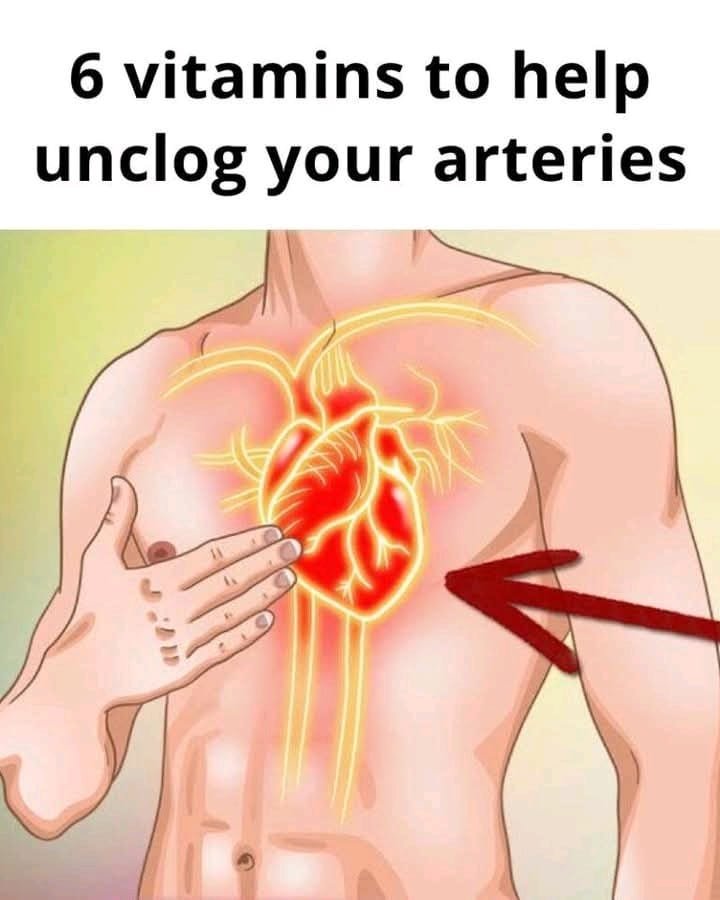

6 Vitamins to Unclog Your Arteries

6 Vitamins to Unclog Your Arteries November 5, 2025 by admin Atherosclerosis is a condition where the inner walls of your arteries become damaged and clogged with a hardened substance known as plaque. This buildup narrows the arteries and restricts the normal flow of blood, leading to poor circulation and increasing your risk of heart attacks, strokes, and blood clots. What’s Really Going On? Your heart pumps oxygen-rich blood through your arteries to keep your body alive and functioning. But when the inner lining of those arteries becomes inflamed or damaged—often due to stress, poor diet, smoking, and other factors—tiny cracks or lesions start to form. In response, your body sends LDL cholesterol to these areas like a sort of biological bandage. However, if the underlying causes aren’t addressed, the arteries continue to deteriorate. Over time, plaque forms—a hardened mix of scar tissue (fibrin), calcium, cholesterol, and other debris. This plaque hardens like bone, narrowing the arteries even more and obstructing blood flow. If a major coronary artery becomes completely blocked, it can lead to a heart attack—and even death. Symptoms of Blocked Arteries You might feel pressure or pain in your chest—especially during physical activity or emotional stress—that eases when you rest. This kind of discomfort often stems from high blood pressure and poor blood flow to and from the heart. Other warning signs include pain or swelling on the left side of the body, such as the left shoulder or arm. You may also find it harder to breathe, especially while walking, because your arteries aren’t delivering enough oxygen. In some people, there are no symptoms at all. Plaque can silently build up for decades before causing a major blockage. If left untreated, it can thicken and greatly increase your risk of heart attacks, strokes, blood clots, or even death.

Delicious Beetroot and Lemon Juice Cleans Colon Waste and Loses Weight

Delicious Beetroot and Lemon Juice Cleans Colon Waste and Loses Weight A poisoned colon can affect our quality of life and generate other pains, such as diabetes or frequent headaches. Purifying it brings benefits to the whole organism. Many people do not know this , but it is estimated that 90% of diseases and weight problems are linked to a dirty colon. This organ plays an important role in our health because it is responsible for expelling all the toxins and waste that our body does not need and which, in the long term, can cause serious health problems. The juice we offer combines the benefits of beetroot, carrots and red apple to make an ideal drink for cleansing the intestine: Ingredients : 6 kale leaves 3 carrots 2 red apples cut into pieces 1 beet Half a peeled lemon 2.5 cm piece of ginger Do not forget to peel and wash the carrots, beet and lemon. Make sure your fruits and vegetables are organic. Instructions : Continue Reading in next page

Essential Tips for Enjoying Chia Seeds Safely and Effectively

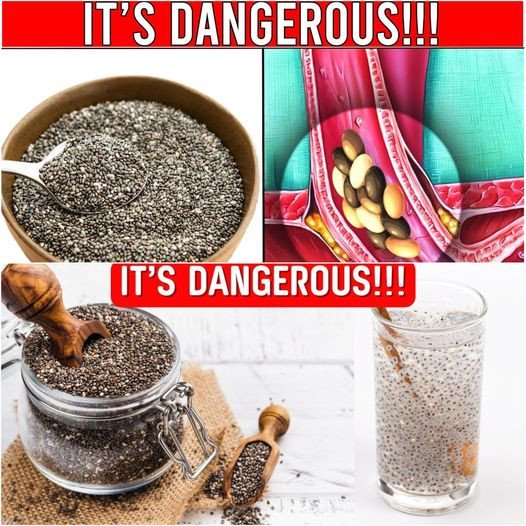
Essential Tips for Enjoying Chia Seeds Safely and Effectively October 24, 2025 by admin Chia seeds, those tiny specks of nutritional goodness, have become a staple in the pantries of health enthusiasts worldwide. Packed with omega-3 fatty acids, antioxidants, and a wealth of fiber, they’re a fantastic addition to any diet. However, there’s a crucial step you must never skip when incorporating chia seeds into your meals. Let’s dive into this vital tip to ensure you’re reaping all the benefits of chia seeds without any downsides. The Importance of Hydration The magic of chia seeds lies in their ability to absorb up to 12 times their weight in water, transforming into a gel-like substance. This unique property is what makes chia seeds so beneficial for digestion and maintaining hydration. However, if consumed dry and in large amounts without sufficient water, they can absorb moisture directly from your digestive tract, potentially leading to blockages or discomfort. How to Safely Enjoy Chia Seeds

Why Do Hotel Bathrooms Have Transparent Glass Doors?

Why Do Hotel Bathrooms Have Transparent Glass Doors? Many modern hotels are designed with transparent or semi-transparent bathroom  doors, and while this might surprise guests, there are specific reasons behind this design choice: Aesthetic Appeal & Spacious FeelTransparent  glass creates the illusion of a larger, more open room. It makes compact hotel spaces feel less confined and more luxurious. Modern & Stylish DesignHotels often use glass bathrooms as part of a contemporary interior style. It gives a sleek, high-end look that aligns with modern architecture. Lighting Benefits Glass allows natural or artificial light from the bedroom to flow into the bathroom, reducing the need for extra lighting and enhancing the overall ambience. Romantic / Couple-Friendly Concept    Next Page

Vaseline and Cornstarch Make You a 16 Year Old Girl No Matter How Old You Are

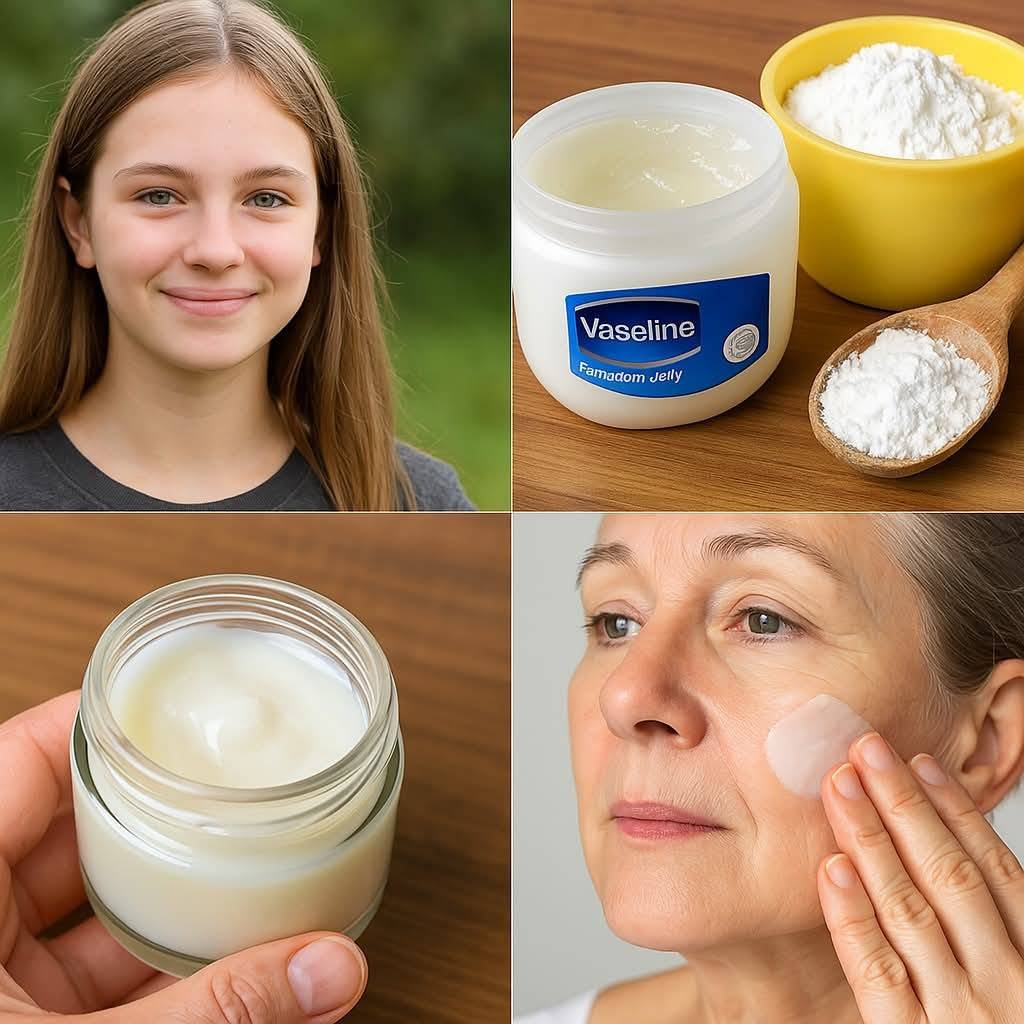
Introduction The internet’s buzzing about this skin-smoothing, glow-boosting DIY. A simple mix of Vaseline and cornstarch has taken over beauty feeds, promising baby-soft skin and that fresh, youthful look we all crave. It’s cheap, easy, and the results? Kinda magical. Origin and Cultural Significance This trick didn’t come from a lab—it came from beauty lovers who swear by old-school hacks passed down through generations. Vaseline has been around since the 1800s as a skin-protecting staple, while cornstarch has long been used to absorb oil and soothe skin. Together? They’re a humble powerhouse from kitchen and bathroom cabinets alike. Cultural Significance What makes this special is its accessibility. No need for expensive serums or fancy masks. This is skincare for everyone—just two ingredients with timeless appeal. It’s a celebration of beauty traditions that rely on simplicity, not price tags. Ingredients Quantity 1 tablespoon Vaseline (petroleum jelly) 1 tablespoon cornstarch Optional Additions A drop of vitamin E oil for extra nourishment A few drops of rosewater or aloe gel for soothing scent and hydration 1/2 teaspoon turmeric (for glow, but beware staining) Tips for Success Mix until smooth: No lumps for that creamy consistency. Apply to clean, dry skin only. Leave on for 10–20 minutes max—then rinse gently with warm water. Use 2–3 times a week for best results. Patch test first, especially if you have sensitive skin! Instructions

Types of Shirts You Should Never Wear to a Funeral

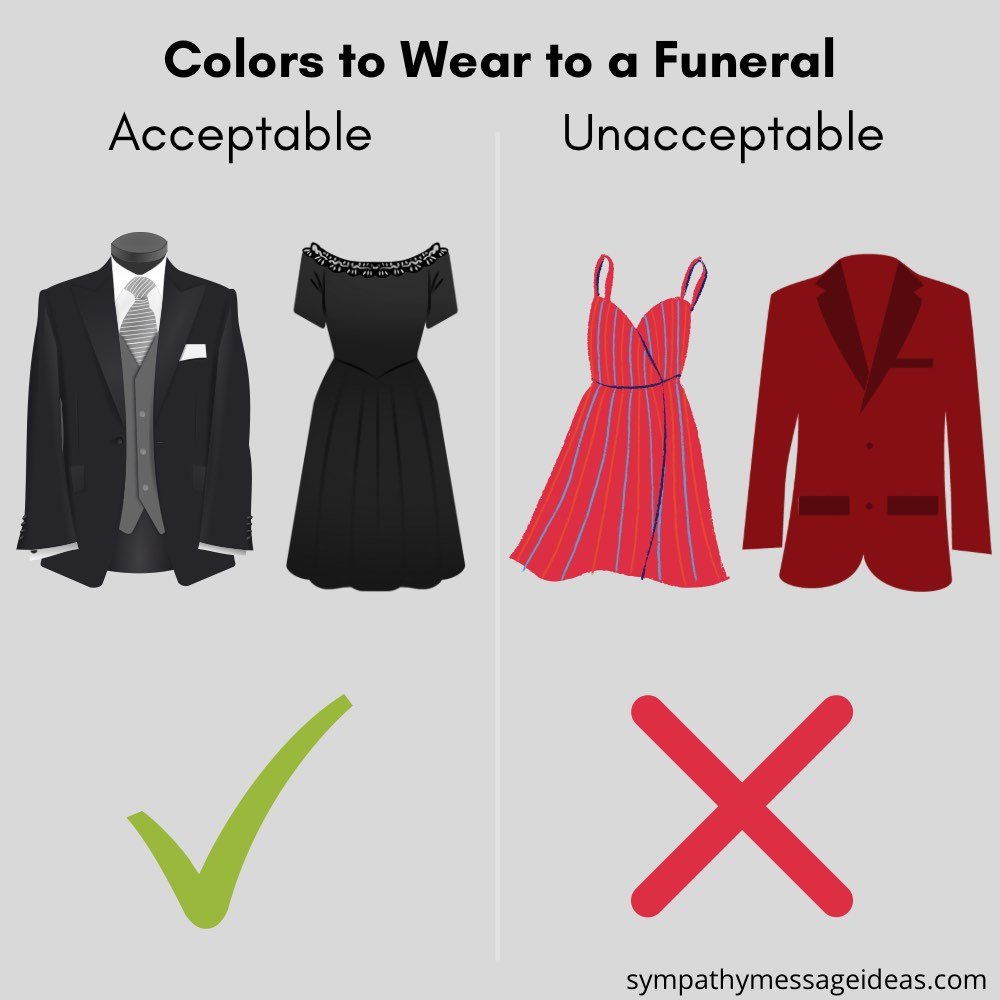
Funerals are sacred occasions meant to honor a life and offer comfort to grieving families. While everyone understands that emotions matter most, the way you present yourself also communicates respect. Your outfit doesn’t have to be expensive or overly formal, but it should reflect sensitivity to the moment. One of the easiest mistakes people make is choosing the wrong shirt — something too casual, flashy, or distracting for such a solemn event. To help you navigate this delicate occasion with dignity, here are the types of shirts you should never wear to a funeral, and what’s better to wear instead. 1. Brightly Colored or Neon Shirts Funerals are not the time to stand out. Bright reds, yellows, pinks, and neon shades can appear disrespectful or attention-seeking. These colors symbolize energy, joy, or celebration — which are opposite to the tone of mourning. Discover more Clothing Best clothing retailers T-shirt silk T-Shirts clothing button-up Trousers Shirt T-shirts Better choice: Stick with muted tones such as black, gray, navy, charcoal, or deep brown. Soft pastels can be acceptable for memorials with a “celebration of life” theme, but always lean toward subdued hues unless otherwise requested by the family. 2. Shirts with Loud Prints or Graphics Graphic tees, bold logos, and shirts with slogans are never appropriate at a funeral. Even if the message seems harmless, printed clothing draws attention away from what matters most — remembering the person who passed. Better choice: A solid-color shirt or subtle pattern like pinstripes or a fine check is ideal. The goal is simplicity and respect, not self-expression. 3. Sleeveless or Crop Tops Funerals are formal and often held in religious settings. Wearing sleeveless tops, tank tops, or crop shirts can be seen as overly casual or even disrespectful. Better choice: Opt for long-sleeved or three-quarter-sleeve shirts. If you prefer short sleeves, layer with a modest blazer, cardigan, or shawl to maintain decorum. 4. Sheer or Tight-Fitting Shirts Transparent or form-fitting clothing can appear inappropriate for a funeral, no matter how fashionable. This is a moment for humility, not attraction. Better choice: Choose fabrics that are opaque and modestly fitted. Cotton, linen, or lightweight wool are excellent materials for comfort and formality. 5. Shirts with Sparkle, Sequins, or Glitter Even subtle shimmer can feel out of place at a funeral. Sparkly details are typically reserved for parties, not solemn gatherings. Better choice: Matte fabrics work best — such as cotton, silk blends, or crepe. Keep the outfit understated to show quiet respect. 6. Casual T-Shirts or Polos Unless the family has specified casual attire, plain T-shirts and polo shirts are generally too informal for a funeral. They may suggest a lack of effort or seriousness. Better choice: Men should wear a button-up dress shirt, preferably tucked in, while women can opt for a blouse or modest dress shirt. Add a blazer or sweater for a polished look. 7. Shirts That Are Too Wrinkled or Untidy Even a perfectly simple shirt can appear disrespectful if it’s wrinkled, dirty, or unkempt. It gives the impression that you didn’t take the time to prepare properly. Better choice: Press your shirt beforehand, check for stains, and ensure it’s neatly tucked in. This small act shows care and respect for the occasion. 8. Shirts with Offensive or Inappropriate Messages This should go without saying, but any shirt with profanity, alcohol references, or political statements is entirely inappropriate — even if worn unintentionally. Better choice: Always keep the focus on the person being honored. If you’re unsure whether a shirt is appropriate, it’s probably not. 9. Sports Jerseys or Branded Apparel Wearing a team jersey, athletic shirt, or any clothing with large brand logos can come across as disrespectful, even if you’re close to the deceased. It signals casualness and diverts attention from the reason everyone has gathered. Better choice: A plain, dark shirt paired with dress pants or a skirt is far more suitable and doesn’t need to be expensive. 10. Overly Trendy or Revealing Tops Funerals are not fashion events. Shirts with cutouts, plunging necklines, or trendy asymmetrical designs can unintentionally draw focus away from the ceremony. Better choice: Choose timeless over trendy. Classic button-downs, modest blouses, or simple sweaters always look appropriate and respectful. What You Should Wear Instead If you’re unsure about what’s suitable, remember this rule: “Dress as though you’re attending a conservative business meeting.” You don’t need to overdress — just aim for neat, modest, and neutral. Here are some safe choices: For women: A dark blouse or long-sleeved top with trousers or a modest skirt. For men: A button-up shirt in black, navy, or gray with dress pants and optional tie. For everyone: Avoid flashy jewelry, strong perfume, or distracting accessories. Final Thoughts The purpose of funeral attire is not to impress — it’s to show respect, empathy, and support. What you wear silently communicates that you understand the gravity of the moment and the pain of those grieving. Choosing your shirt thoughtfully is a small but meaningful gesture. Because in times of loss, respect and sensitivity speak louder than words.

Here’s Why You Should Urinate After Eating

Here’s Why You Should Urinate After Eating November 3, 2025 by admin Most of us think about what we eat and when we eat, but we rarely draw attention to what occurs in our body immediately after a meal—especially something as simple as urinating. While it may not seem connected, going to the bathroom after eating can actually reflect important aspects of your health. In fact, it may benefit your body more than you think. 1. Helps the Kidneys Filter Waste When you eat, especially foods that are rich in protein or sodium, your kidneys kick into gear to refine excess waste and keep balance in your body. Urination is how your body gets rid of these waste products. If you hold it in too long, it may stress your kidneys and cause discomfort or bloating. Going to the bathroom after a meal is a good way to help your kidneys function more efficiently. 2. Encourages Electrolyte Balance CONTINUE READING ON THE NEXT PAGE 🥰💕

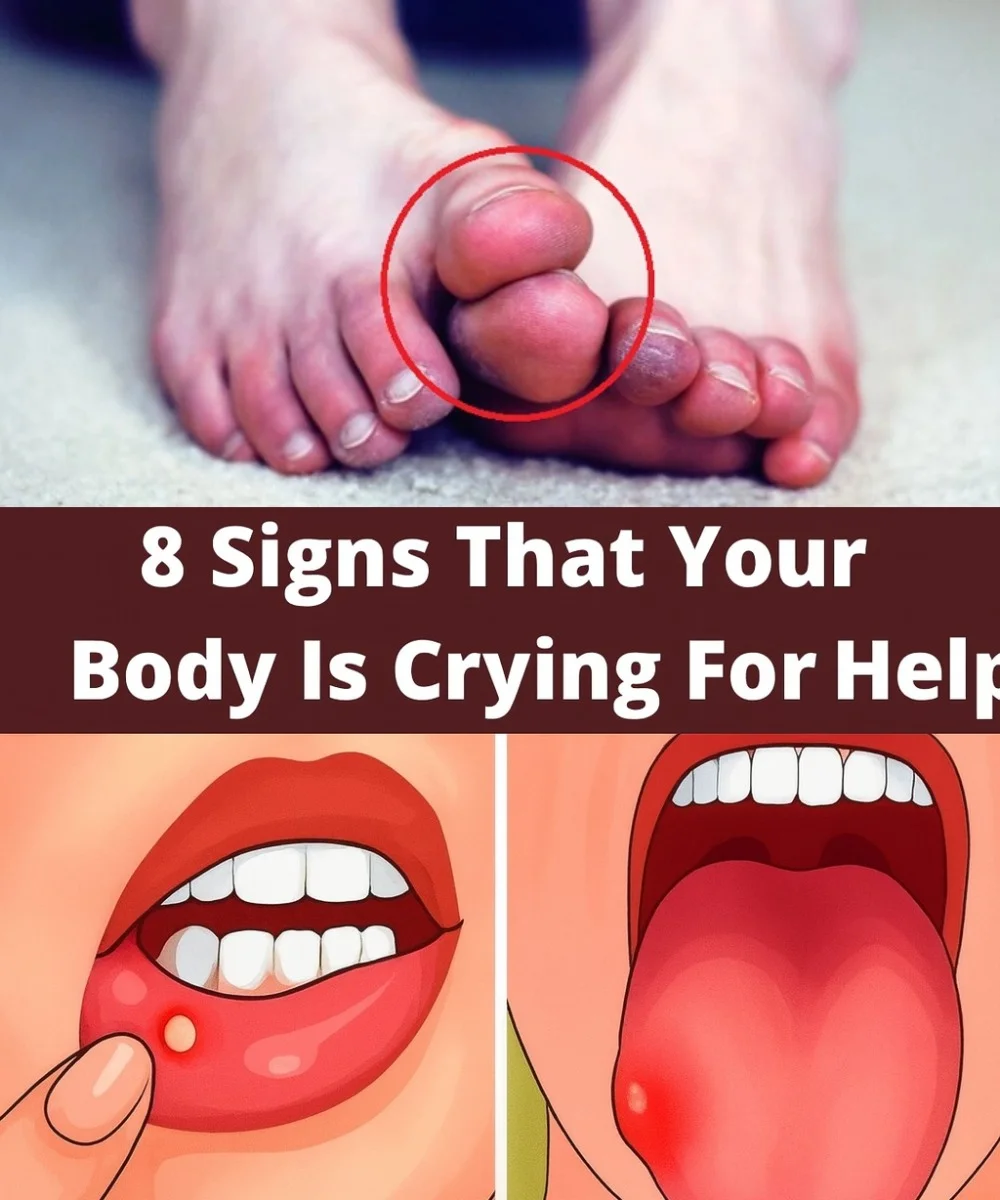
8 Silent Signals Your Body Is Screaming for Help

8 Silent Signals Your Body Is Screaming for Help October 29, 2025 by Admin Your body is a master communicator, constantly sending you signals about its health. But are you paying attention? Those subtle aches, odd sensations, or nagging discomforts you brush off could be your body’s desperate plea for help. Ignoring these signs might mean missing early warnings of nutrient deficiencies, stress overload, or even serious health conditions. Dive into this guide to uncover 8 critical signs your body is crying out for attention—and learn how to respond before it’s too late. 🩺 Buy vitamins and supplements Let’s decode these signals together and empower you to take charge of your health! Buy vitamins and supplements 🩹 1. Frequent Mouth Ulcers: More Than Just a Sore Spot Painful sores inside your mouth aren’t just annoying—they could be a red flag. Frequent mouth ulcers often point to deficiencies in  vitamin B12, iron, or folate, which are essential for healthy cell production. Stress or a weakened immune system can also trigger these sores, signaling your body is under strain. If you’re battling recurring ulcers, it’s time to evaluate your diet and stress levels. Boost your intake of leafy greens, lean meats, or fortified cereals, and consider consulting a doctor for persistent issues.

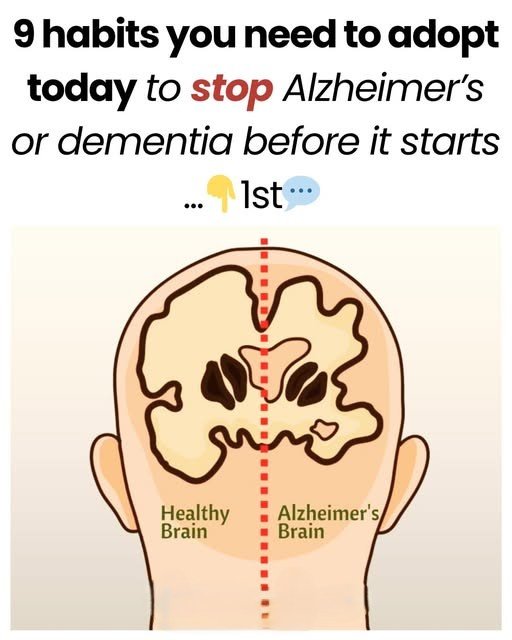
9 Habits You Need To Adopt Today To Stop Alzheimer’s or Dementia Before It Starts

Alzheimer’s is the 6th leading cause of death in the United States. It actually kills more people than breast cancer and prostate cancer combined . Instead of putting the focus on preventing Alzheimer’s, the medical community puts emphasis on slowing the progression of the disease after onset with drugs and therapy. However, if you truly understand dementia, then you can change your lifestyle to protect your brain from cognitive decline before it happens. What is Dementia According to the Alzheimer’s Association: “Dementia is a general term for a decline in mental ability severe enough to interfere with daily life… Dementia is not a specific disease. It’s an overall term that describes a wide range of symptoms associated with a decline in memory or other thinking skills severe enough to reduce a person’s ability to perform everyday activities.” Dementia is characterized by the impairment of at least two of these mental functions: Advertisement Memory Communication and language Ability to focus and pay attention Reasoning and judgment Visual perception Dementia is a progressive illness, meaning that it gets worse as it progresses. It may start with forgetting where you placed your keys and can turn into forgetting your relatives or forgetting to eat.   The disease causes damage to brain cells and interferes with cell communication. This affects thinking, judgment, movement, behavior and feelings.   Risk factors for dementia include (3): Head injuries Impaired thyroid function Depression Low physical activity Obesity Poor diet and vitamin deficiencies Certain medication High cholesterol High blood pressure Diabetes Alcohol use Smoking Old age Family history of Alzheimer’s disease If you find yourself in these risk factor categories, taking steps in preventing Alzheimer’s now can improve cognitive function in older age. Dementia vs. Alzheimer’s         Top 10 Early Signs of Dementia – Reverse Naturally Alzheimer’s is actually the most common type of dementia, accounting for 60-80% of cases. Other varieties of the disease include : Vascular dementia Dementia with Lewy bodies Mixed dementia Parkinson’s disease Frontotemporal dementia Creutzfeldt-Jakob disease Normal pressure hydrocephalus Huntington’s Disease Wernicke-Korsakoff Syndrome Early signs of Alzheimer’s include having difficulty remembering recent conversations, names or locations, as well as apathy and depression. Later on, symptoms may include impaired communication, poor judgment, disorientation, confusion, behavior changes and difficulty speaking, swallowing and walking. Alzheimer’s is characterized by beta-amyloid deposits in the brain, twisted strands of the protein tau, as well as nerve cell damage and death. 9 Natural Tricks for Preventing Alzheimer’s Disease If you are a high risk for dementia or if you have a family history of the disease, there are a few things you can do regularly to lower your risk of developing dementia. Preventing Alzheimer’s is straightforward, you just have to put in the work! 1. Quit Smoking As Web MD puts it: “While smoking has long been known to increase the risk of dying from cancer and heart disease, researchers in Finland say they’ve found strong reason to believe that smoking more than two packs of cigarettes daily from age 50 to 60 increases risk of dementia later in life.” It’s never too late to quit: “former smokers or people who smoked less than half a pack per day did not appear to be at increased risk of developing dementia.” Researchers theorized that the increased risk is partly due to the fact that smoking contributes to oxidative stress and inflammation. Many other studies have also confirmed the link between smoking and Alzheimer’s If you’re having trouble quitting, there are many natural herbs that can support your efforts to ditch the bad habit and clear up some toxins in your lungs after quitting.