Drinking water with lemon can “detox” the body and “clean” the kidneys…more details>>>
The image shows a claim that drinking water with lemon can “detox” the body and “clean” the kidneys. Here’s a straightforward breakdown of what’s really going on: Lemon Water: What It Actually Does 1. Hydration: Adding lemon to water can make plain water more appealing, encouraging you to drink more, which supports overall hydration and kidney function. 2. Vitamin C: Lemons provide vitamin C, an antioxidant that helps protect cells from oxidative stress. 3. No special “detox” effect: The human body has its own detox systems (liver and kidneys) that process and eliminate waste naturally. There’s no scientific evidence that lemon water “cleans” or “detoxifies” the kidneys beyond normal hydration. 4. Kidney health: Healthy kidneys filter blood and remove waste. Staying well‑hydrated supports kidney function, but lemon water isn’t a special kidney‑cleaning treatment. Practical tips for kidney health – Drink enough water throughout the day to stay hydrated. – Maintain a balanced diet low in excessive salt and processed foods. – Manage blood pressure and blood sugar, as they affect kidney function. – Consult a healthcare professional for personalized kidney health advice. Bottom line Lemon water is a refreshing, vitamin‑C‑rich beverage that can aid hydration, but it doesn’t perform any magical “detox” or kidney‑cleaning action beyond normal water’s effects. You want to know more about evidence‑based ways to support kidney health or hydration tips?


My uncle swears by this quick trick to thaw frozen door locks in just 1 minute. Here’s how it works and why it’s handy for icy winter mornings

When temperatures drop, moisture inside a lock can freeze, making the key jam or preventing the lock from turning. The simple fix shown in the photo involves heating the key (usually with a lighter or match) and inserting the hot key into the frozen lock. The heat transfers to the lock’s internal mechanism, melting the ice and freeing the pins so the lock operates smoothly again. ### Step-by‑step guide 1. Heat the key: Hold the tip of your key over a flame for about 10–15 seconds. Be careful not to burn yourself or melt the key’s material. 2. Insert quickly: Slip the hot key into the frozen lock as soon as it’s warm. 3. Turn gently: Once the key is in, turn it normally. The heat should melt the ice inside, allowing the lock to open within a minute. 4. Repeat if needed: If the lock is heavily frozen, you may need to reheat the key and try again. ### Tips & precautions – Use a metal key; plastic keys can melt or warp. – Avoid using excessive flame that could damage the lock’s finish. – For safety, keep a fire extinguisher or water nearby when working with open flames. – If the lock frequently freezes, consider applying a lock de‑icer spray or lubricant to prevent future issues. This one‑minute trick can save you from being locked out on a frosty day, and it’s a handy tip to keep in your winter emergency kit. Want me to also explain how to prevent door locks from freezing in the first place?

Should eat eggs with coffee!! Old muscles become stronger, and memory is revived! …. Thank you😍 Recipe in (c.o.m.m.e.n.t ).👇

Coffee and eggs are common foods that, when consumed normally, are not linked to cancer. There is no credible evidence that combining them creates a carcinogenic effect. Health authorities like the WHO and major cancer research organizations have not identified any such risk from coffee‑egg mixtures. The visual of a brain on fire is a dramatic exaggeration used to scare people. In reality, brain health is influenced by overall diet, lifestyle, and genetics, not by simple food combinations like coffee and eggs. If you’re interested in nutrition and cancer prevention, focus on balanced diets rich in fruits, vegetables, whole grains, and lean proteins, and follow evidence‑based guidelines from reputable health institutions. Do you want to know more about scientifically proven cancer‑risk factors or reliable sources for nutrition information?

The “Zero‑Effort” Jewelry Cleaning Trick Your Nana Loves

Yo, here’s a catchy article about that “one‑trick” jewelry‑cleaning hack your nana swears by: If you’ve ever stared at tarnished gold rings and wondered how to make ‘em sparkle without breaking a sweat, you’re in luck. The secret your nana’s bragging about is soaking the jewelry in a simple soap‑and‑water solution. 1. Mix the solution – Fill a bowl with warm water and add a few drops of mild dish soap (the kind you use for dishes). 2. Soak the pieces – Drop your gold rings (or other non‑porous jewelry) into the soapy water and let them sit for 5–10 minutes. The suds loosen dirt and grime. 3. Give ‘em a gentle scrub – After soaking, use a soft toothbrush or cloth to lightly brush away any remaining residue. 4. Rinse & dry – Rinse the jewelry under clean water and pat it dry with a lint‑free towel or let it air‑dry. Why It Works The soap breaks down oils and dirt, while the warm water helps the solution penetrate tiny crevices. For gold and most non‑porous metals, this method is safe and effective, giving your pieces a shiny finish with minimal effort. Tips & Tricks – Avoid using this method on pearls, opals, or heavily glued jewelry – the water can damage them. – For tougher tarnish, add a splash of baking soda to the mix (but test on a small area first). – Keep an eye on intricate settings; sometimes a soft brush is enough without soaking. So next time your jewelry needs a quick pick‑me‑up, just whip up that soapy bath and let the magic happen—just like nana’s secret! ✨💍 You wanna know if this trick works on specific types of jewelry (like silver or costume pieces)?

How Water Fasting Regenerates Immunity, Slows Down Aging & Lowers the Risk of Heart Attacks

Water fasting, the practice of consuming only water for a set period, has gained attention for its potential health benefits. The image illustrates a woman drinking water, with an inset highlighting the heart, suggesting a link between hydration, fasting, and cardiovascular health. What is Water Fasting?Water fasting involves abstaining from all food and beverages except water. It is typically done for therapeutic or spiritual purposes and can range from 24 hours to several days, depending on individual goals and medical supervision. Claimed Benefits of Water Fasting1. Immunity Regeneration: During fasting, the body may trigger autophagy, a cellular cleanup process that removes damaged cells and promotes the regeneration of immune cells, potentially strengthening the immune system. 2. Anti‑Aging Effects: Fasting is thought to reduce oxidative stress and inflammation, factors associated with aging. Some studies suggest it may improve cellular repair mechanisms, contributing to slower aging. 3. Heart Health: Fasting can influence metabolic factors like blood pressure, cholesterol, and insulin sensitivity, which may lower the risk of heart attacks. Proper hydration supports blood circulation and cardiovascular function. Considerations & Precautions- Medical Supervision: Extended fasting should be undertaken under professional guidance, especially for individuals with health conditions like diabetes or heart disease. – Hydration: Adequate water intake is essential to prevent dehydration and support bodily functions during fasting. – Balanced Approach: Fasting isn’t suitable for everyone; nutritional needs and lifestyle should be considered. Practical Tips for Safe Water Fasting- Start with short fasting periods (12–24 hours) and gradually increase duration if desired. – Listen to your body; break the fast if you experience severe discomfort or adverse symptoms. – Reintroduce food gradually with light, nutrient‑rich meals after fasting. Bottom LineWhile water fasting shows promise in boosting immunity, slowing aging, and protecting heart health, individual results vary. Consulting healthcare professionals and prioritizing safety are key to harnessing its potential benefits. Would you like more details on how to plan a safe water‑fasting regimen or evidence‑based research on its effects? 🌊💪🩺

“The Night‑Time Bathroom Hack – Does It Really Work?

Article: “The Night‑Time Bathroom Hack – Does It Really Work?”Many people experience the annoyance of waking up in the middle of the night to use the bathroom, which can disrupt sleep and affect overall restfulness. Various “hacks” circulate online claiming to reduce or eliminate nocturnal bathroom trips. The meme in the picture suggests a simple positional change while sleeping can stop nighttime urges to urinate. What the Position Change Involves1. Standard sleep position (left image): The head rests directly on the pillow, which is typical for most sleepers. 2. Suggested hack position (right image): The head is turned and the cheek rests on the hand, with the arm stretched over the pillow. The idea may be that pressure on the arm or altered body alignment influences bladder signals. Scientific Perspective on Nocturia (Nighttime Urination)- Nocturia is usually caused by factors such as fluid intake before bed, bladder capacity, age‑related changes, or medical conditions like diabetes or prostate issues. – Sleep position alone has not been proven to stop the physiological need to urinate; managing fluid intake and treating underlying health issues are more effective strategies. – Some studies suggest certain sleeping positions can affect snoring or sleep apnea, but evidence linking position to bladder control is limited. Practical Tips to Reduce Nighttime Bathroom Visits- Limit fluids 1–2 hours before bedtime, especially caffeine or alcohol. – Empty the bladder fully right before sleeping. – Manage health conditions with a doctor’s guidance (e.g., treating prostate issues or diabetes). – Maintain good sleep hygiene to improve overall sleep quality. Bottom LineThe illustrated “do this” trick is more of a humorous meme than a medically validated solution. For persistent nocturia, consulting a healthcare professional is advisable to rule out or treat underlying causes. Do you want to know more about proven methods for reducing nighttime urination, or are you interested in other sleep‑related hacks? 🛌✨

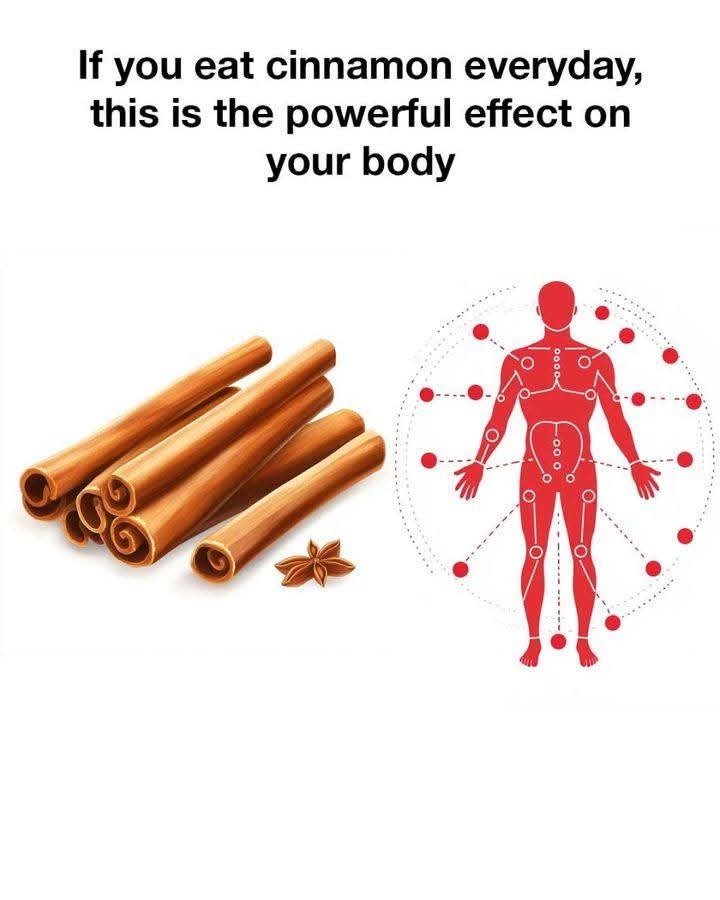
I dont know this..Eating cinnamon every day can have several notable effects on the body, as suggested by the image that shows cinnamon sticks alongside an illustrated human figure highlighting various bodily systems. Cinnamon is a popular spice derived from the inner bark of trees belonging to the Cinnamomum genus. It contains compounds like cinnamaldehyde, which give it antioxidant, anti-inflammatory, and antimicrobial properties. When consumed regularly in moderate amounts, cinnamon may: 1. Regulate blood sugar – Some studies indicate that cinnamon can improve insulin sensitivity and help lower blood glucose levels, which is beneficial for people with type 2 diabetes. 2. Support heart health – The spice may reduce LDL (bad) cholesterol and triglycerides, contributing to a healthier cardiovascular system. 3. Boost antioxidant activity – Cinnamon’s antioxidants can neutralize free radicals, protecting cells from oxidative stress. 4. Aid digestion – It may alleviate gastrointestinal discomfort and improve gut function. 5. Anti‑inflammatory effects – The cinnamaldehyde can help reduce inflammation in the body, potentially easing conditions like arthritis. The red diagram on the human figure in the image suggests that cinnamon’s benefits may affect multiple body systems, from joints to circulation. However, the effects can vary depending on the type of cinnamon (e.g., Ceylon vs. cassia) and the amount consumed. Excessive intake, especially of cassia cinnamon, can lead to side effects due to coumarin, which may strain the liver in large doses. Incorporating cinnamon into your diet can be simple: add it to oatmeal, smoothies, or tea, or sprinkle it on fruits. Moderation is key to enjoying its benefits while avoiding potential risks. Would you like more details on safe daily dosage or specific recipes that use cinnamon for health benefits?

Eating cinnamon every day can have several notable effects on the body, as suggested by the image that shows cinnamon sticks alongside an illustrated human figure highlighting various bodily systems. Cinnamon is a popular spice derived from the inner bark of trees belonging to the Cinnamomum genus. It contains compounds like cinnamaldehyde, which give it antioxidant, anti-inflammatory, and antimicrobial properties. When consumed regularly in moderate amounts, cinnamon may: 1. Regulate blood sugar – Some studies indicate that cinnamon can improve insulin sensitivity and help lower blood glucose levels, which is beneficial for people with type 2 diabetes. 2. Support heart health – The spice may reduce LDL (bad) cholesterol and triglycerides, contributing to a healthier cardiovascular system. 3. Boost antioxidant activity – Cinnamon’s antioxidants can neutralize free radicals, protecting cells from oxidative stress. 4. Aid digestion – It may alleviate gastrointestinal discomfort and improve gut function. 5. Anti‑inflammatory effects – The cinnamaldehyde can help reduce inflammation in the body, potentially easing conditions like arthritis. The red diagram on the human figure in the image suggests that cinnamon’s benefits may affect multiple body systems, from joints to circulation. However, the effects can vary depending on the type of cinnamon (e.g., Ceylon vs. cassia) and the amount consumed. Excessive intake, especially of cassia cinnamon, can lead to side effects due to coumarin, which may strain the liver in large doses. Incorporating cinnamon into your diet can be simple: add it to oatmeal, smoothies, or tea, or sprinkle it on fruits. Moderation is key to enjoying its benefits while avoiding potential risks. Would you like more details on safe daily dosage or specific recipes that use cinnamon for health benefits?

“How often should you look at bed verschonen? That is how often you should look at bed according to experts, the truth will surprise you”

The image shows a neatly made bed with white linens and an inset picture of a red dust mite, hinting at the hidden microscopic life that lives in bedding. Experts recommend inspecting and cleaning your bed (verschonen means “to change/refresh” in German) regularly to reduce allergens like dust mites. ArticleThe Surprising Truth About Bed Hygiene: How Often Should You “Verschonen” Your Bed? Every night, you spend about a third of your life in bed, but what you don’t see can affect your health. Hidden in your mattress, pillows, and sheets are millions of dust mites—tiny organisms that feed on dead skin cells and can trigger allergies or respiratory issues. The German word verschonen (to change or refresh) reminds us that regular bed maintenance is essential. What experts recommend1. Change sheets weekly: Fresh linens reduce mite populations and bacteria buildup. 2. Inspect mattresses every 3–6 months: Look for stains or wear that can harbor allergens. 3. Wash pillows and duvets: Do this every 3–6 months, depending on material. 4. Vacuum the mattress: Use a HEPA filter to capture dust and mites. Why it mattersDust mites thrive in warm, humid environments like beds. Their waste particles become airborne and can cause sneezing, itching, or asthma flare‑ups. Regular verschonen (refreshing) of your bedding breaks their lifecycle and improves sleep quality. Tips for a cleaner bed- Use allergen‑proof mattress and pillow covers. – Dry sheets on high heat to kill mites. – Air out the mattress occasionally. Keeping an eye on your bed’s condition and refreshing it regularly can make a big difference in your health and comfort. So, check your bedding often— the truth about what’s living in your bed might surprise you! Want tips on specific cleaning products for dust‑mite control?

The #1 Drink for Managing High Uric Acid & Gout….more details >>>

Gout is a form of arthritis caused by excess uric acid in the blood, leading to sharp crystals forming in joints—often the big toe, as highlighted in the X‑ray of the blue foot with a red inflamed joint. The graphic suggests a cup of coffee (or a dark beverage) as a top remedy for lowering uric acid and easing gout symptoms. What the science says- Hydration & diet: Water and low‑purine foods are proven ways to reduce uric acid levels. Doctors usually recommend limiting alcohol, red meat, and sugary drinks. – Specific drinks: Some studies suggest certain beverages like cherry juice or coffee may modestly lower uric acid or gout risk, but results vary. Coffee’s effect is linked to its antioxidant properties, not a direct “cure.” – Medical treatment: Managing gout typically involves medication (e.g., allopurinol) and lifestyle changes prescribed by a healthcare professional. Practical tips for gout management1. Stay hydrated – drink plenty of water. 2. Balanced diet – reduce purine‑rich foods and alcohol. 3. Medication – follow a doctor’s advice for uric‑acid‑lowering drugs if needed. 4. Monitor symptoms – severe or frequent attacks require professional evaluation. Bottom lineWhile the image promotes a drink as a gout “reverser,” reliable management of high uric acid and gout involves a combination of diet, hydration, and medical guidance. Consult a healthcare provider for personalized advice. Do you want more details on dietary choices that help control uric acid, or tips for managing gout flare‑ups?

Only 1 Miracle Fruit to Reduce an Enlarged Prostate…..

The image presents an advertisement-style graphic with the headline “JUST 1 FRUIT FOR PROSTATE” and shows two sections linking specific foods to prostate health: 1. Top section: An illustration of lungs/ prostate-like organs pointing to an avocado, suggesting avocado benefits the prostate. 2. Bottom section: A female doctor beside a pile of pecan nuts with an arrow linking the nuts to an inflamed bladder/prostate illustration, implying pecans affect the prostate/bladder. Article based on the imageFoods Claimed to Influence Prostate Health (Based on the Graphic) The graphic promotes two foods—avocado and pecan nuts—as having effects on the prostate gland. However, scientific evidence supporting the claim that a single fruit or nut dramatically cures or treats prostate issues is limited. Here’s what research generally says about diet and prostate health: – Avocado: Rich in healthy fats, vitamins (E, C), and antioxidants, avocados may support overall cellular health. Some studies associate monounsaturated fats with reduced inflammation, which could indirectly benefit prostate tissue. – Pecan nuts: Packed with antioxidants, omega-6 fatty acids, and phytochemicals, pecans are thought to promote heart and cellular health. There is no strong direct link between pecans and specific prostate improvement, though a nutrient-rich diet supports general wellness. Key points- Prostate health is influenced by overall nutrition, lifestyle, and medical care. No single food is a proven cure for prostate conditions. – A balanced diet with fruits, vegetables, nuts, and healthy fats supports general health and may reduce inflammation. – For prostate concerns, consult a healthcare professional for evidence-based advice and treatment. Advice for readersIf you’re looking to support prostate health, focus on a varied diet, regular exercise, and medical screenings as recommended by your doctor. Claims about single foods curing diseases should be verified with medical professionals. Do you want more information on scientifically proven dietary recommendations for prostate health?