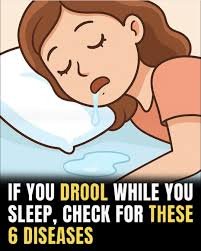
If you tend to wake up with a damp pillow, you may wonder why you drool in your sleep. It’s typically not cause for concern to drool, particularly if you sleep on your side. However, some health issues like sleep conditions, nasal congestion, and neurological conditions may cause you to breathe with your mouth open or produce too much saliva, medically known as hypersalivation or sialorrhea.1 Overnight, your mouth produces saliva to protect the tissues in your mouth. That saliva can spill out of your mouth as drool when your facial muscles relax in your sleep and your mouth falls open. Making changes to how you sleep or managing underlying conditions can help you limit your drooling.2 1. Sleep Position You may notice you drool more when you sleep on your side or stomach. Thanks to gravity, side- or stomach-sleeping makes it easier for drool to escape from your mouth. While you sleep, your muscles typically relax. Since the muscles around your mouth are relaxed, your mouth can be relaxed enough that saliva slips out. Sleeping on your side or stomach allows for the saliva to come out the side of your mouth.342. Nasal Congestion Nasal congestion (rhinitis) is when your nasal passages swell and fill with excess mucus or snot, causing a stuffy nose. Nasal congestion usually gets worse when you lie down.5 As a result, you may start breathing out of your mouth while you sleep and start drooling.Nasal congestion is often a side effect of cold viruses, flu viruses, or sinus infections.5 If you have allergies, you might also experience nasal congestion after breathing in allergens like dust, pollen, or animal dander.6 It’s also possible to be congested because you’re pregnant. Pregnancy nasal congestion, or pregnancy rhinitis, usually occurs in the second or third trimester. The exact cause of pregnancy rhinitis isn’t fully understood, but it’s likely caused by changing hormones and increased blood vessels during pregnancy.7 In addition to drooling in your sleep, nasal congestion can cause a runny nose, sore throat, sinus pressure, and coughing.5 3. Gastroesophageal Reflux Disease (GERD) Gastroesophageal reflux disease (GERD) causes stomach acid to flow back up the esophagus, which is the tube that connects your mouth and stomach. This regurgitation of stomach acid into the mouth can eventually damage the mouth tissue, teeth, and esophagus. People with GERD are more likely to experience irritated mouth tissue that leads to hypersalivation, causing them to drool more while they sleep.8 GERD can also cause difficulty swallowing (dysphagia), which makes it feel like food is stuck in the throat.9 Excessive drooling is often a side effect of dysphagia.10 Other symptoms of GERD can include:9 National Institute of Diabetes and Digestive and Kidney Diseases. Symptoms & causes of GER & GERD. Burning in the middle of the chest or toward the throat (heartburn) Chronic cough Nausea Sour taste in the mouth 4. Obstructive Sleep Apnea (OSA) Obstructive sleep apnea (OSA) causes you to temporarily stop breathing while you sleep.11 People with OSA are more likely to start mouth breathing, which can lead to more drooling while you sleep.1213 Mandibular advancement devices, which are mouthpieces used to help treat OSA, can also cause excessive production of saliva and, in turn, drooling while you sleep.8 Other symptoms of OSA include:11 Daytime drowsiness or sleepiness Irritability Loud snoring Loud snorts or gasps while sleeping Snoring interrupted by long periods of silence OSA is typically caused by narrow airways that become blocked when your throat muscles relax during sleep. People with jaw issues, large tongues, and certain mouth shapes can also experience OSA.11 5. Teeth Grinding Teeth grinding is medically referred to as bruxism. Grinding your teeth at night is known as sleep bruxism, and it can lead to excessive drooling. People who grind their teeth are more likely to breathe through their mouth, which can increase drooling while you sleep. Teeth grinding can also damage teeth, which may increase saliva production to protect the mouth from infection.8 Other symptoms of bruxism include:14 Daytime sleepiness Fragmented sleep from frequently waking up Headaches Jaw stiffness or pain Restless sleep Teeth sensitivity to hot or cold The exact cause of bruxism isn’t well understood, but it’s often linked to emotional stress and sleep apnea.14 6. Oral Issues Cavities can lead to drooling. You might also drool if a tooth or an area of soft tissue in the mouth is infected. Your body may produce more saliva when you have a cavity or infection in an attempt to wash away germs.1 The excess saliva may come out of your mouth at night as drool. 7. Neurological Conditions The nervous system—the brain, spinal cord, and nerves—helps control body functions like breathing, mood, movement, and thinking. The nervous system also helps stimulate saliva production and swallowing.115 Neurological conditions or traumatic brain injuries often lead to difficulty swallowing and excessive saliva production. As a result, people with neurological conditions drool more during the day and night.1 Common neurological conditions that cause swallowing issues and, in turn, drooling, include stroke, cerebral palsy, and Parkinson’s disease.16 Other symptoms of a neurological condition can include trouble speaking, moving, breathing, regulating mood, and processing memories.15 8. Medications Certain medications can cause hypersalivation as a side effect, leading to excess drooling while you sleep. Medications that can cause drooling include:17 Antidopaminergic drugs: Antipsychotic medications used to treat schizophrenia, like Clozaril (clozapine), are known to increase salivation—especially at night. 2 Benzodiazepines: A class of depressant drugs used to treat anxiety disorders, insomnia, and seizures can change swallowing patterns and lead to excessive drooling. These can include Xanax (alprazolam), Librium (chlordiazepoxide), and Valium (diazepam) Direct muscarinic agonists: These medications stimulate the nervous system to treat various conditions. As a result, they also increase salivation and drooling. Medications include the urinary tract infection (UTI) medication Urecholine (bethanechol), the glaucoma and dry mouth medication Salagen (pilocarpine), and the Sjogren’s syndrome medication Evoxac (cevimeline). Indirect muscarinic stimulants: Alzheimer’s disease and dementia medications like Aricept (donepezil), Razadyne (galantamine), and Exelon (rivastigmine) can stimulate … Read more