Husbands With These 2 Bad Habits May Put Their Wives at Higher Risk of Breast Cancer – Stop Them Now Before They Harm The Whole Family

The influence of a husband’s habits on his wife’s well-being is far greater than many couples realize. Small daily choices — whether neglecting exercise or lighting a cigarette — can quietly accumulate into significant health risks over time. Many women don’t realize that their partner’s daily choices can have a direct impact on their own long-term health. Two common habits — often dismissed as harmless or purely personal — may quietly raise a wife’s risk of developing serious breast conditions. Breast health remains one of the most pressing concerns for women worldwide. It is well established that lifestyle and environment play a central role in shaping a woman’s risk, yet surprisingly, a husband’s behaviors can also influence outcomes in significant ways. A caring, supportive partner doesn’t just provide emotional security but also shares responsibility for protecting his wife’s health. Experts warn that two seemingly small habits, often overlooked in daily life, may indirectly but powerfully contribute to increased risk factors for breast disease in women. Recognizing these risks and adjusting together as a couple can go a long way in building not just a healthier lifestyle but also a more resilient relationship. Habit 1: Skipping Exercise, Pulling the Wife Into a Sedentary Lifestyle It may not seem related at first glance, but a husband’s reluctance to exercise can set the tone for his partner’s routines. Couples often influence one another’s behaviors more than they realize, especially after years of marriage. When a husband spends long hours sitting, avoids physical activity, and combines that with irregular eating habits, the wife is much more likely to adopt a similar lifestyle. Scientific studies have consistently linked physical inactivity and excess weight with a higher risk of breast problems, particularly among women over the age of 40. A lack of movement can disrupt hormonal balance, leading to increased estrogen levels — a factor known to accelerate abnormal cell growth in breast tissue. Without regular exercise, maintaining a healthy weight becomes difficult for both partners. Over time, this creates a household culture where unhealthy habits are normalized, making it almost impossible for the wife to sustain a protective, active lifestyle. Advice: Couples should commit to exercising together, whether through daily walks, fitness classes, or weekend sports. Beyond reducing health risks, shared physical activity can strengthen emotional bonds, improve mood, and create a sense of teamwork in protecting each other’s well-being. Cigarette smoke remains one of the most dangerous and underestimated household hazards. Even when smoking on balconies, in bathrooms, or away from common areas, the harmful particles cling to hair, skin, clothing, and surfaces — creating what experts call “third-hand smoke.” This invisible residue lingers in the home and continues to affect loved ones, especially a wife who shares close daily contact. Passive exposure to tobacco smoke has been proven to raise the risk of breast health complications, particularly for women in their pre-menopausal years. According to research from the World Health Organization, women living with smokers may face up to a 20–30% higher risk compared to those in smoke-free homes. The danger doesn’t stop at breast health. Secondhand smoke is also linked to long-term damage to the lungs, heart, and reproductive system. Even if a husband avoids smoking directly in front of his wife, the toxic particles he carries into the shared environment can leave a lasting impact. Advice: The most effective solution is complete cessation of smoking. Short-term alternatives, like smoking only outdoors, changing clothes, or showering before close contact, can reduce exposure but do not eliminate the risk entirely. Quitting altogether is the only way to ensure a safe, supportive environment for both partners. Building a Healthier Future Together The influence of a husband’s habits on his wife’s well-being is far greater than many couples realize. Small daily choices — whether neglecting exercise or lighting a cigarette — can quietly accumulate into significant health risks over time. On the other hand, conscious, shared lifestyle changes can lower those risks dramatically while strengthening trust and companionship in marriage. Protecting breast health is not just a woman’s responsibility. It is a shared journey where both partners play vital roles. By making small but meaningful adjustments today, couples can look forward to a future that is not only healthier but also more harmonious and fulfilling….

Urgent warning issued to millions to ‘stay indoors’ this weekend……see more >

A brutal shift is underway across the United States—and it’s only getting worse. What started as a scorching blast in the Southwest is now expanding fast, pulling millions into dangerous, almost summer-like conditions far too early in the year. Meteorologists are warning that as many as 23 states will fall under a powerful “heat dome” stretching into the central part of the country. By Friday and Saturday, temperatures could spike up to 30 degrees above what’s normal for late March. The heat that first gripped California, Nevada, and Arizona is now marching east. States like Texas, Kansas, Missouri, Illinois, and even the Dakotas are next in line, turning what should be mild spring days into something far more extreme. A heat dome acts like a lid in the atmosphere. High pressure traps hot air near the ground, blocks clouds from forming, and allows the sun to beat down without relief—intensifying every hour people spend outside. In places like Texas and Nevada, temperatures are expected to climb to or exceed 100°F, shattering records that have stood for decades. It’s not just heat—it’s history being rewritten in real time. Even regions like the Midwest and Great Plains will feel it. Areas that usually see 40–60°F in March could surge into the 80s, creating a sudden and unnatural jump that many aren’t prepared for. The National Weather Service has issued hazardous weather warnings, not just for the heat—but for what comes with it. Dry air and extreme temperatures are creating perfect conditions for wildfires to ignite and spread rapidly. Across the Southwest, at least 30 cities have already broken daily temperature records. And as this system keeps moving, one question remains—how much further will it go before it finally breaks?

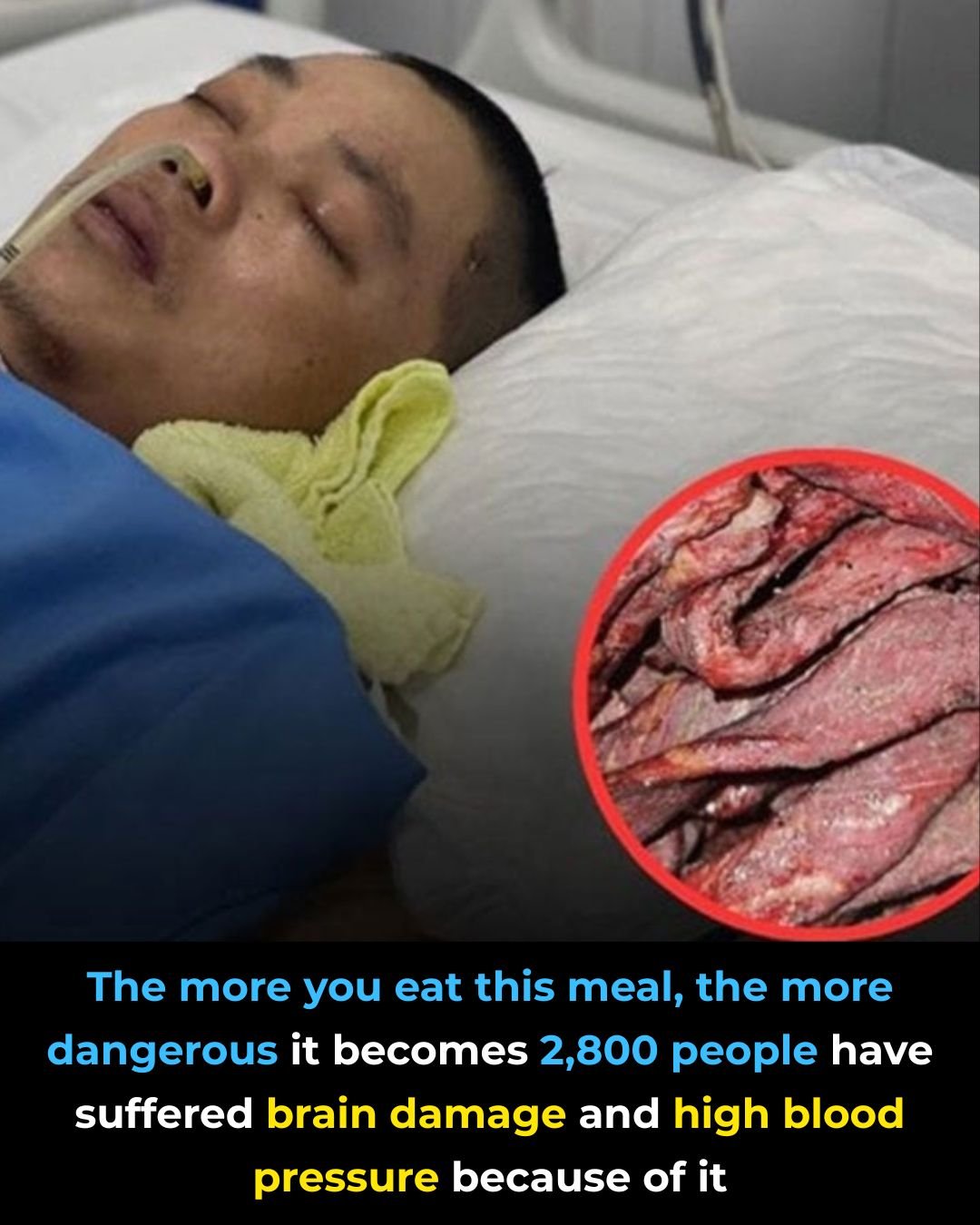
Why Eating More Processed Meat Increases Your Risk for Serious Health Problems

Processed meat is designed for convenience. It is salty, shelf-stable, and engineered to taste strong even after weeks in a fridge. That same processing also changes what ends up in the body. Over time, frequent intake can raise the risk for colorectal cancer, cardiovascular disease, and type 2 diabetes. The goal is not panic or perfection. It is clarity about what the evidence shows, what the likely mechanisms are, and what practical swaps can lower exposure without turning meals into a daily argument. What “Processed Meat” Actually Means Public health research defines processed meat as preserved products like bacon, sausages, and deli meats, which tend to become frequent habits and carry higher long-term health risks than fresh meat. Image Credit: Pexels People often use “processed” as a vague insult, yet public health research uses a practical definition. Processed meat is meat preserved through methods that extend shelf life and change flavor. Those methods include curing, smoking, salting, or adding chemical preservatives. This definition matters because the health signals linked to processed meat stay stronger than the signals for unprocessed meat in many large studies. Harvard School of Public Health researchers described the category in plain language: “Processed meat was defined as any meat preserved by smoking, curing, or salting, or with the addition of chemical preservatives.”  That covers bacon, ham, hot dogs, sausages, salami, and many deli slices. These foods also tend to travel with extra sodium, stabilizers, and curing agents that do not appear in the same amounts in fresh meat. In real life, processed meat often shows up as an “add-on” that becomes a habit. A few slices in a sandwich can turn into a daily lunch default. A sausage at breakfast can become a weekend routine. The health impact usually tracks repeated exposure over years, not a single meal. Understanding the definition helps people spot how often processed meat appears across the week, including in mixed dishes like pizzas, pies, and ready meals. Global cancer authorities classify processed meat as carcinogenic based on strong evidence linking regular intake to colorectal cancer, even though the risk level differs from smoking. Image Credit: Pexels The strongest public warning about processed meat comes from the cancer evidence. The International Agency for Research on Cancer, which is part of the World Health Organization, reviewed the research and classified processed meat as carcinogenic to humans. This classification reflects confidence in the evidence, not a promise that everyone who eats bacon will get cancer. The World Health Organization explains the classification in direct terms: “In the case of processed meat, this classification is based on sufficient evidence from epidemiological studies that eating processed meat causes colorectal cancer.” That is a serious statement. It is based on population studies that track diet over time and compare cancer outcomes across intake levels, while adjusting for other risk factors. The WHO also addresses a common misunderstanding. People hear “Group 1” and assume the risk level matches smoking. The WHO clarifies that the category describes the strength of evidence, not equal danger across exposures. That distinction is important, yet it should not dilute the message. When an everyday food category reaches “sufficient evidence” for causing colorectal cancer, the safest move is to reduce frequency and portion size, especially if it has become a daily staple. Nitrates, Nitrites, and N-Nitroso Compounds in the Gut Curing agents in processed meat can contribute to the formation of cancer-linked compounds in the gut, especially when combined with low-fiber diets and high-heat cooking. Image Credit: Pexels Many processed meats use curing agents, including nitrate and nitrite compounds, to control microbes, stabilize color, and create the familiar “cured” taste. Inside the body, these compounds can participate in chemical reactions that generate N-nitroso compounds. Researchers often focus on these compounds because several are carcinogenic in animal models, and human studies link conditions that increase their formation with higher cancer risk. The National Cancer Institute’s Cancer Trends Progress Report summarizes a key concern: “Studies have shown increased risks of colon, kidney, and stomach cancer among people with higher ingestion of water nitrate and higher meat intake compared with low intakes of both, a dietary pattern that results in increased NOC formation.” That wording connects exposure, diet, and a plausible mechanism, which is why it shows up in many evidence reviews. This does not mean all nitrates behave the same way. Vegetables contain nitrate too, yet they also deliver vitamin C, polyphenols, and fiber that may limit harmful nitrosation reactions. Processed meat is different because curing agents appear alongside heme iron, high-heat cooking, and low-fiber meals that can shift gut chemistry. The “risk package” is not one ingredient. It is a bundled set of exposures that tends to travel with processed meat, especially when it replaces fiber-rich foods across the week. Sodium Load, Blood Pressure, and Vascular Strain Processed meat delivers large amounts of hidden sodium that raise blood pressure over time and increase the risk of heart disease and stroke. Image Credit: Pexels Processed meat is one of the easiest ways to overshoot sodium without noticing. The salt does not just sit on the surface. It is built into the product for preservation and taste, and it stacks up fast across sandwiches, snacks, and quick dinners. High sodium intake raises blood pressure in many people, and elevated blood pressure raises the risk for heart disease and stroke. The U.S. Food and Drug Administration makes a point that surprises many shoppers: “Most dietary sodium (over 70%) comes from eating packaged and prepared foods.” Processed meat sits right in that packaged category, and it is often paired with other salty foods like bread, cheese, sauces, and crisps. That combination can push daily sodium far above recommended limits even when meals do not taste extremely salty. The Centers for Disease Control and Prevention links sodium intake to concrete outcomes: “Eating too much sodium can increase your blood pressure and your risk for heart disease and stroke.” Blood pressure damage builds quietly over time, then shows up as stiffer arteries, thicker heart muscle, and higher event risk later on. People who already have hypertension, kidney disease, or a family history of … Read more

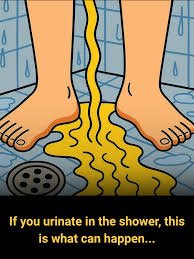
You’ll be surprised what happens if you pee in the shower.

Is Urinating in the Shower Harmful? What You Should KnowIs Urinating in the Shower Harmful? What You Should Know A common habit raises questions about hygiene and health risks. Urinating in the shower is a topic that often sparks curiosity and debate. While some people consider it harmless or even convenient, others question whether it could pose hygiene or health risks. Understanding the facts behind this common habit can help you make informed decisions about personal hygiene and overall cleanliness. Is It Hygienic?From a basic biological standpoint, urine from a healthy person is typically sterile when it leaves the body. This means it generally does not contain harmful bacteria. In a shower setting, running water quickly washes it away, reducing the likelihood of contamination However, hygiene is not only about bacteria. The cleanliness of your bathroom environment matters. If the shower is not cleaned regularly, any residue—combined with moisture—could contribute to unpleasant odors or microbial growth over time. Maintaining proper cleaning habits is essential regardless of personal routines. 5 Potential Concerns to ConsiderAlthough urinating in the shower is unlikely to cause direct harm in most cases, there are a few considerations to keep in mind. One concern is habit formation. Some experts suggest that consistently associating the sound or feel of running water with urination may affect bladder control over time, especially in certain individuals. Another factor is shared spaces. In households where multiple people use the same shower, maintaining high hygiene standards becomes even more important. What may seem harmless to one person could be uncomfortable or undesirable for others.

Why Chin Hair Appears in Women—and When to Take a Closer Look…see more >

Noticing a few hairs on your chin can feel surprising, but in most cases it’s a normal part of how the body changes over time. Hormones—especially androgens like testosterone—play a key role. Even though these are often labeled “male hormones,” women naturally produce them too. As levels shift with age or life stages, and as your skin’s sensitivity changes, it’s common for fine or coarse hairs to appear along the chin, jawline, or upper lip. Genetics also matter, meaning some people are simply more prone to visible facial hair than others. In many situations, this kind of hair growth is harmless. However, there are times when it can be part of a broader pattern. For example, Polycystic Ovary Syndrome (PCOS) is a condition that may include increased facial hair along with symptoms like irregular periods, acne, or weight changes. Hormonal transitions such as menopause can also make existing hair growth more noticeable. In rarer cases, certain medications or underlying health conditions may contribute. Health   The key is to notice changes over time. If chin hair appears gradually and remains mild, it’s usually nothing to worry about. But if the growth becomes sudden, rapid, or is accompanied by other symptoms—like changes in your menstrual cycle or skin—it’s worth speaking with a healthcare professional. Getting clarity early can help rule out underlying causes and guide appropriate care if needed. For everyday management, there are plenty of safe options, from simple methods like tweezing or trimming to longer-term solutions such as laser treatments. Choosing what works best comes down to personal comfort and preference. Most importantly, this is a common experience, and understanding the “why” behind it can make it feel far less concerning—and far more manageable.

That White Strand in Your Egg Isn’t a Flaw — Here’s What It Means,…see more>

You crack an egg into a bowl, ready to cook, and notice a thin white strand attached to the yolk. At first, it may look unusual, and some people feel unsure about whether it should be there. It’s common to try to remove it or question the quality of the egg. However, this small detail is completely natural and harmless. In fact, it can even be a helpful sign that your egg is fresh, turning a moment of doubt into reassurance. This strand is called the chalaza, a natural part of the egg’s structure. Its role is to help keep the yolk centered within the egg white. It acts like a support system, preventing the yolk from moving too much as the egg is handled. Most eggs contain two of these strands, one on each side of the yolk, although usually only one is clearly visible when you crack the shell. While it may look unfamiliar, it is simply part of how eggs are formed. The appearance of the chalaza can also give a clue about freshness. In fresher eggs, it is thicker and more noticeable, while in older eggs it becomes thinner and less visible. This means that seeing a firm, white strand is often a good sign. Since it is made of the same type of protein as the egg white, it is completely safe to eat and blends in during cooking without affecting taste or texture. There is usually no need to remove the chalaza unless you are preparing recipes that require a very smooth consistency, such as certain sauces or desserts. For everyday cooking, it does not change the quality of your dish. Understanding this small detail can make cooking feel more comfortable, showing that natural foods often include features that are simply part of their design.

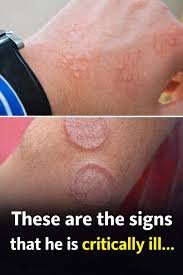
These are the signs that he is cr…see more >

Groin skin irritation is a common concern that can result from a variety of causes including friction, moisture, and hair removal practices. One frequent issue is ingrown hairs, where hair curls back into the skin, causing red, itchy bumps that may become infected. They are often linked to shaving, waxing, or tight clothing. Treatment involves warm compresses, gentle exfoliation, and pausing hair removal until the area heals. Another cause of irritation is folliculitis, which is inflammation of the hair follicles caused by bacteria, fungi, or physical irritation. It appears as small red or white-headed bumps and may be itchy or painful. Common triggers include tight clothing, shaving, or exposure to contaminated water. Treatment typically includes antibacterial soaps, topical ointments, or, in severe cases, oral antibiotics. Tinea cruris, commonly known as jock itch, is a fungal infection that affects the groin and upper thighs. It thrives in moist environments and is more common in men. Symptoms include red, scaly patches and itching or burning. Prevention and treatment include keeping the area dry, wearing breathable clothing, and applying antifungal creams. Contact dermatitis is another condition that results from allergic or irritant reactions due to substances like soaps, detergents, or certain fabrics. Symptoms include redness, itching, and in some cases, blisters. Treatment focuses on avoiding triggers, using fragrance-free products, and applying hydrocortisone cream if needed. Intertrigo is a rash that develops in skin folds due to moisture, friction, and limited air flow. It presents as red, raw skin, often with a stinging sensation or odor. Managing it involves keeping the area dry, applying barrier creams, and treating any secondary infections. Preventive care includes good hygiene, careful shaving, wearing breathable fabrics, and using mild products. Medical attention should be sought if symptoms persist, worsen, or are accompanied by fever or spreading rash.

King Charles’ Address to Congress Highlights Unity and Shared History…..See More>

King Charles made a notable appearance during the recent state visit to the United States, delivering a speech before Congress that received strong applause from those in attendance. The visit, which also includes Queen Camilla, is widely viewed as an effort to strengthen the long-standing relationship between the United Kingdom and the United States at a time when global discussions remain active and complex. His presence marked an important moment in the visit, drawing attention from both officials and the public. During his address, King Charles reflected on the deep historical ties that connect the two nations. He highlighted key moments when the United Kingdom and the United States worked together during times of challenge, emphasizing cooperation, resilience, and mutual support. His remarks focused on the importance of unity and maintaining strong partnerships when addressing global issues. By referencing shared experiences and past collaborations, he reinforced the enduring connection between the two countries. Observers noted that parts of the speech also touched on current international concerns. While some listeners interpreted certain remarks in different ways, the overall message remained centered on cooperation and shared responsibility. King Charles encouraged continued dialogue and collaboration among allies, underlining the importance of working together to promote stability and long-term peace in an evolving global landscape. The reaction inside Congress included a standing ovation, reflecting appreciation for both the tone and message of the speech. Following the address, conversations continued online, with many highlighting its focus on shared values and cooperation. As the state visit continues, this moment is being recognized as a meaningful example of diplomacy in action, demonstrating how history, respect, and communication can help strengthen international relationships.

Columbo star…Shocking News… Reading Continue>>>

Jacqueline Falk, the adopted daughter of legendary Columbo star Peter Falk, has died at the age of 60. She was found dead earlier this week at a residence in Los Angeles, and authorities have officially ruled the death a suicide, according to the Los Angeles County Medical Examiner’s Office. It remains unclear whether she left a note, and the case is still listed as open while formalities are completed. Jacqueline was one of two daughters adopted by Peter Falk and his first wife, Alyce Mayo, during their marriage, which lasted from 1960 to 1976. Peter Falk with his daughter at the 2002 NBC 75th Anniversary in New York City. (Photo by Walter McBride/Corbis via Getty Images) Both of her parents predeceased her. Peter Falk, beloved for his iconic role as Lieutenant Columbo in the long-running TV series Columbo, died in 2011 at the age of 83 after a long battle with Alzheimer’s disease. Alyce Mayo passed away in 2016 at the age of 85. Jacqueline’s death marks a tragic end to a family story once closely tied to one of television’s most recognizable actors. READ MORE

Online claims about…See More>

In the aftermath of the alarming incident at the White House Correspondents’ Dinner, where an armed suspect allegedly attempted to breach security, a separate narrative quickly began to spread online. While authorities focused on the facts of the case and the ongoing investigation, social media platforms became flooded with claims suggesting that the entire event may have been staged. These theories, lacking verified evidence, have nonetheless gained traction, fueled in part by a widely circulated clip involving Karoline Leavitt. The incident itself involved Cole Tomas Allen, who authorities say arrived at the venue armed with a shotgun, handgun, and knives. According to officials, he attempted to push past a security checkpoint and exchanged gunfire with law enforcement before being subdued and arrested. Inside the venue were high-profile figures including Donald Trump and Melania Trump, both of whom were quickly escorted to safety as the situation unfolded. Despite the seriousness of the event and the confirmation from law enforcement that it is being treated as a genuine attempted attack, online speculation began to take a different direction. Much of the attention has centered on comments made earlier in the evening by Karoline Leavitt during a media appearance. While previewing the president’s speech, she remarked that there would be “some shots fired tonight in the room,” referring to the traditional comedic “roasting” that takes place during the dinner. After news of the incident broke, some social media users began interpreting that remark literally rather than figuratively. Posts began circulating that suggested the comment indicated prior knowledge of the attack. These interpretations quickly evolved into broader conspiracy theories claiming that the entire event had been orchestrated. However, there is no verified evidence supporting those claims, and officials have not indicated any basis for such conclusions. Authorities, including Todd Blanche, have emphasized that the investigation is grounded in physical evidence, witness accounts, and recovered materials linked to Cole Tomas Allen. According to preliminary findings, the suspect may have intended to target members of the administration, “likely including the president.” Investigators are also reviewing a manifesto and digital records believed to outline his motivations and planning. Further reinforcing the seriousness of the situation, Jeanine Pirro confirmed that the suspect is facing multiple federal charges, with additional charges expected as the investigation develops. Officials have consistently described the incident as a real and dangerous breach that was contained due to the rapid response of security personnel. Their statements stand in contrast to the online speculation, which continues to circulate despite a lack of supporting evidence. The spread of these theories highlights how quickly narratives can diverge in the digital age, particularly during high-profile events involving political figures. A single phrase—taken out of context—can become the foundation for widespread claims, even when those claims contradict verified information. In this case, the phrase “shots fired,” commonly used in a humorous or rhetorical sense at such events, became a focal point for speculation once the real incident occurred. Experts often note that in moments of uncertainty or fear, people may search for patterns or explanations that provide a sense of control or understanding. This can sometimes lead to the amplification of unverified or misleading interpretations. The situation surrounding the White House Correspondents’ Dinner serves as a clear example of how quickly that process can unfold, especially when video clips and quotes are shared without full context. Meanwhile, investigators remain focused on reconstructing the timeline of events and understanding how Cole Tomas Allen was able to access the venue with weapons. Early indications suggest he may have checked into the hotel ahead of time, potentially bypassing stricter entry screening. This aspect of the case is expected to be a key focus as authorities review security procedures and identify any vulnerabilities. Public officials have also addressed the broader implications of the incident, stressing the importance of relying on verified information during unfolding situations. While speculation may continue online, the official stance remains clear: the event is being treated as a legitimate security threat that was successfully contained. The emphasis, according to authorities, is on accountability, investigation, and preventing similar incidents in the future. As the case progresses, more details are expected to emerge regarding the suspect’s background, intentions, and actions leading up to the event. For now, the contrast between official findings and online speculation underscores a larger issue—how information is interpreted, shared, and sometimes distorted in real time. The incident itself was brief but serious; the conversation that followed has proven far more expansive, shaped as much by perception as by fact.