When bitten by a snake, you should do these things first..Reading continue>
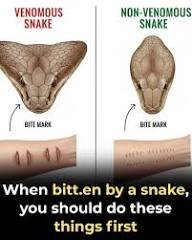
When it comes to an emergency, not just in agriculture but in general, having the right training and knowledge for a quick first-aid response can save lives. When the warmer seasons see a spike in temperature, it’s important to educate your workers as part of their health and safety practices. Discuss what to do if anyone is bitten by a snake, where snake bites commonly occur and the importance of identifying deadly snakes. The Royal Flying Doctors Service (RFDS) has estimated that there are around 3,000 snake bites in Australia every year. With recent figures recording 550 hospitalisations and two deaths due to snake bites each year. According to both the RFDS and the Australian Snakebite Project, in attacks where the snake was positively identified, the brown snake was the most common biter (41%), followed by the tiger snake (17%) and red-bellied black snake (16%). Three-quarters of the people bitten by snakes are males aged in their 30s – a common demographic among Australian farmers. Despite popular opinion that snake bites happen out in the bush, the RFDS recorded that 57% of snake bites actually occur near houses, not in the bush. Half of all bites occurred while people were out walking, with gardening and trying to catch a snake the most common other scenarios. Snakes will often be close to farmhouses and buildings in search of water or mice. Maintaining a clean yard area including keeping water sources located in set areas, removing attractions for rodents and maintaining vegetation levels will help lessen the attraction for snakes. This type of yard maintenance also reduces fire fuel loads in peak fire seasons. More than 90% of snakebites happen on the upper or lower limbs, so ensuring you have adequate personal protective equipment (PPE) can provide protection when the correct footwear, long pants and sleeves and gloves are used while working outside. Adequate first aid training and knowledge of what to do in all emergencies, including a snake bite emergency, can be critical to survival and should form part of your farm safety policies and regular training refresher modules for staff. Staff should be well-informed of first aid kit locations and emergency contact details. Surprisingly, the bites are often painless and may go unnoticed as there may only be light lacerations, scratches, or light bruising along with some bleeding or swelling. Common symptoms include an unexplained collapse, vomiting and abdominal pain, bleeding or paralysis. Did you know there are two different types of snake bites? The Dry Bite Whilst dry bites can be painful and cause swelling and redness, the bite itself is “dry” as the snake does not release venom. Remember, you can’t always tell which type of snake bite a person has suffered so you should always seek medical attention. The Venomous bite As mentioned previously, a venomous bite is where the snake releases venom containing poison into a wound. This poison is used to stun, numb or kill the victim. Venomous bites will also result in swelling and redness as well as nausea, blurred vision, irregular heartbeat, breathing difficulty and a number of other symptoms. It is essential to act quickly after a snake bite. Here are our top 6 do’s and don’ts if you are bitten by a snake: Do seek medical help immediately as the venom can cause severe damage to health or even death within a few hours. Do NOT allow the victim to walk or move their limbs. Use a splint or sling to minimise all limb movement. Put the patient on a stretcher or bring transportation to the patient. Do NOT incise or cut the bite or apply a high tourniquet. Cutting or incising the bite won’t help. High tourniquets are ineffective and can be fatal if released or result in loss of limb. Do bandage firmly, splint and immobilise to stop the spread of venom. To slow the spread of venom, major medical associations recommend placing a folded pad over the bite area. Then apply a firm bandage to wrap the entire limb, from bottom to top. It should not stop blood flow to the limb or congest the veins. Only remove the bandage in a medical facility, as the release of pressure will cause a rapid flow of venom through the bloodstream. Do NOT wash the area of the bite or try to suck out the venom. It is extremely important to retain traces of venom for use with venom identification kits. Do NOT attempt to catch/kill the snake. Recent advances in medication mean that snakebites can be treated with a generic polyvalent anti-venom, so you do not need to stay in the area to identify the colour and type of snake. Once initial first aid has been applied in any situation, medical attention should be sought immediately. When it comes to emergencies, empowered agricultural employees are safe employees.
I Found A Secret Profile My Husband Kept Hidden And The Truth Left Me In Tears

The glow of the smartphone screen illuminated the dark bedroom in the quiet hours past midnight. It was a Tuesday night, and sleep remained stubbornly out of reach, leaving me to scroll aimlessly through various platforms just to distract my mind from the lingering, heavy exhaustion that had become my constant companion. Over the past two years, life had been reduced to a blur of medical treatments, painful physical therapy, and the slow, frustrating process of recovery. My world had shrunk to the four walls of our home, and my self-esteem had withered alongside my physical strength. I was a shadow of the woman I used to be. Then, my thumb froze. Right there on the screen, staring back at me from a platform I did not even know he used, was my husband’s name and photograph. My heart hammered violently against my ribs, the sudden spike of adrenaline completely shattering the quiet stillness of the night. A wave of confusion, followed immediately by a chilling wash of fear, overtook my senses. Could he be living a double life? Was this some kind of sick joke, or the confirmation of my deepest, most agonizing insecurities? For several long minutes, I sat completely frozen, my mind racing through every conceivable scenario. I told myself it had to be a mistake. Perhaps it was a fake account created by someone else, or a bizarre glitch in the system. But as I looked closer, the details were unmistakable. The profile featured his favorite photographs, his specific brand of humor in the bio, and even referenced small, intimate memories that only he and I shared. The Anonymous Message Instead of waking him up or confronting him with anger, a strange, surreal sense of calm curiosity settled over me. The initial panic gave way to a quiet, burning need to understand what was happening beneath the surface. With trembling fingers and a racing pulse, I created a simple, entirely anonymous profile. I did not use my real name, my photograph, or any details that could be traced back to me.Taking a deep breath to steady my shaking hands, I opened the chat window and sent a single, simple message. I braced myself, expecting the worst. I was entirely prepared for a deceitful response, a flirtatious remark, or an outright admission of betrayal that would finally break my already fragile heart. The reply came almost instantly. Our conversation began gently, almost unnaturally ordinary. His tone was polite, thoughtful, and unfailingly kind—the very same gentle qualities that had drawn me to him when we first met all those years ago. As the exchange continued, I kept waiting for the other shoe to drop. I waited for the moment he would say something inappropriate, something that would tear away the last remaining threads of my trust. But the conversation remained entirely focused and respectful. The Unexpected Revelation Then, unexpectedly, he sent an attachment. My breath caught in my throat, and the room seemed to spin as the image loaded on my phone screen. It was a photograph of me. But it was not the current version of me, tired and worn down by illness. It was a picture taken years earlier, on a sun-drenched beach before everything had changed. In the photo, I looked vibrant, healthy, joyful, and completely full of life. My eyes welled with tears as I stared at the woman I used to be. My confusion deepened when he followed the image with a message, explaining with immense tenderness that the woman in the photograph was his wife. Moments later, he shared something even more profound. He sent me a link to a private journal or profile he had written entirely about me. As I read through his words, the tears began to fall freely. He had written about my immense strength, my ongoing struggles with chronic pain, and the heartbreaking, quiet way I had begun to doubt my own worth and beauty. He detailed how hard it was for him to watch me suffer, not just physically, but emotionally, as I struggled to find my place in a world that had moved on without me. A Search For Hope As I read further into the exchange, the entire narrative shifted. He explained that he was not on the platform for anything inappropriate or deceitful. Instead, he had created the space to ask strangers a simple, heartfelt question. He was asking people from all walks of life how to help a loved one rediscover their sense of value and joy after a severe, life-altering hardship. Conversation after conversation revealed thoughtful, touching responses from people all over the world. There were stories of their own recoveries, practical advice on how to support a partner through trauma, and endless streams of encouragement from people who truly understood the complex journey of pain and healing. He had gathered these messages over months, saving them carefully in a digital archive. While I had been lying in bed quietly questioning my own worth and feeling like a burden to the people around me, he had been reaching out into the world. He was collecting kindness, perspective, and insight, hoping against hope to find the right words and the right way to help me see myself the way he saw me. A Quiet Understanding I closed my phone, pulling the screen away from my face, and sat in the dark for a long time. I was completely overwhelmed. The tears streaming down my face were not born from hurt or betrayal, but from a profound, unexpected warmth that flooded my chest. I felt an overwhelming sense of love and gratitude that I had not experienced in years. Slowly, I pushed the blankets aside and walked out of the dark bedroom. I made my way quietly down the hallway toward the living room. There sat my husband, bathed in the soft light of the television, sitting exactly as he always did—calm, familiar, and steady. I walked over and sat beside him … Read more

5 Silent Warnings Your Body May Give Months Before a Heart Attack

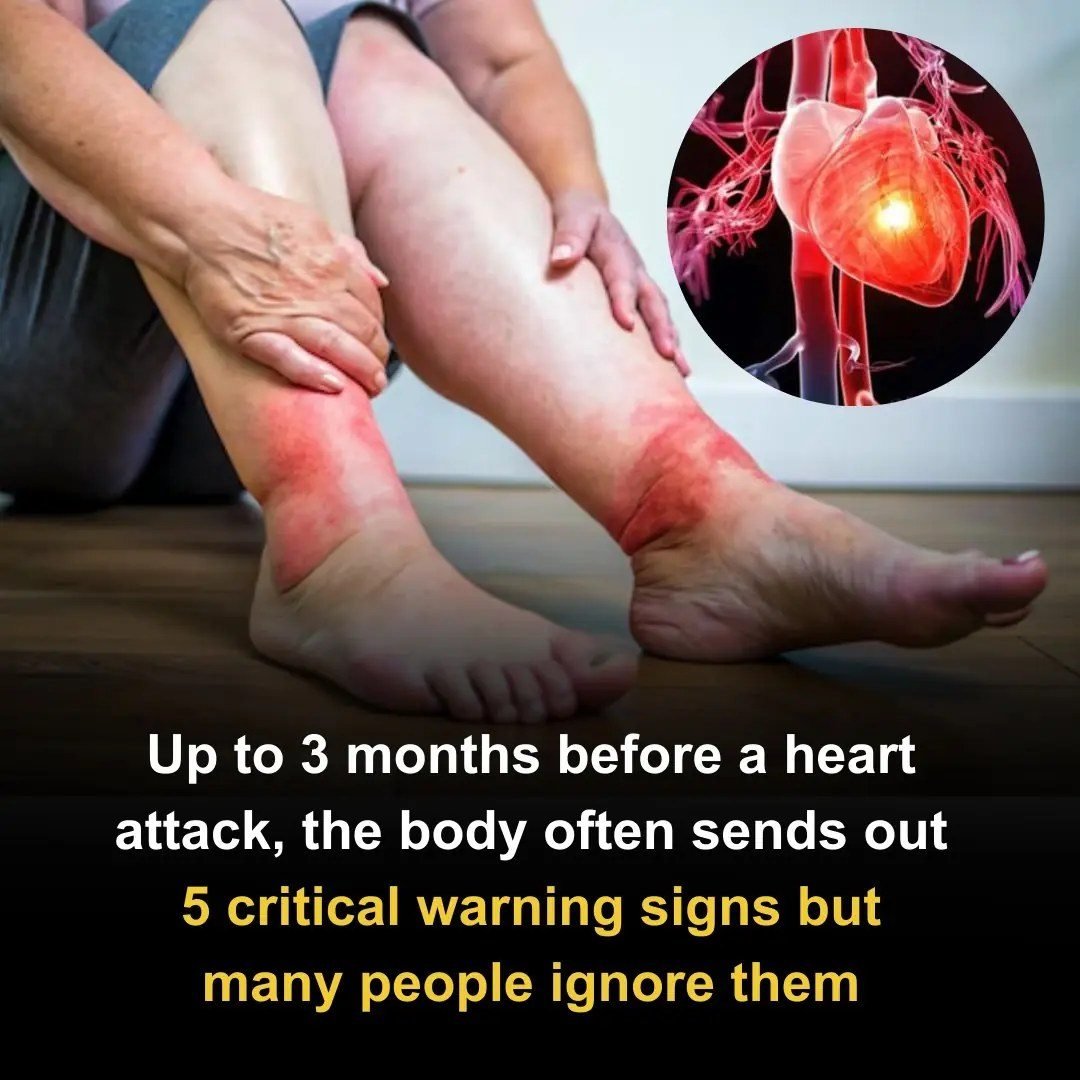
Your body may warn you MONTHS before a heart attack — but most people ignore these signs 5 Silent Warnings Your Body May Give Months Before a Heart Attack Many people believe heart attacks happen suddenly without warning, but doctors say the body often sends subtle signals weeks or even months before a serious cardiac event occurs. The problem is that these symptoms are often ignored because they seem mild, unrelated, or easy to blame on stress, aging, or lack of sleep. Health experts warn that recognizing these early signs could help people seek medical attention sooner and potentially prevent life-threatening complications. 1. Unusual Fatigue One of the most common early warning signs is extreme fatigue that feels different from normal tiredness. Many people report feeling exhausted even after resting or sleeping well. Doctors explain that reduced blood flow forces the heart to work harder, which can leave the body feeling drained. Research has found that unusual fatigue is especially common in women before a heart attack. 2. Shortness of Breath Difficulty breathing during simple daily activities may also be an early sign that the heart is struggling. Some people experience breathlessness while walking, climbing stairs, or even resting. Experts say this may happen because the heart cannot pump blood efficiently, causing fluid buildup and reduced oxygen circulation. 3. Sleep Problems Doctors say disrupted sleep is another warning sign many people overlook. Some individuals experience insomnia, sudden waking during the night, anxiety, or difficulty staying asleep in the weeks leading up to a heart attack. Researchers believe stress hormones, circulation changes, and heart strain may contribute to these sleep disturbances. 4. Chest Discomfort or Pressure Although severe chest pain is the most recognized symptom of a heart attack, experts say early chest discomfort may appear much more subtly. People may feel pressure, tightness, burning, heaviness, or mild discomfort in the chest that comes and goes. The sensation may spread to the arms, jaw, neck, back, or stomach. 5. Dizziness, Nausea, or Cold Sweats Feeling lightheaded, nauseous, dizzy, or suddenly breaking into cold sweats can also signal heart trouble. Doctors warn that these symptoms are often mistaken for stress, low blood sugar, digestive issues, or exhaustion, causing many people to delay seeking help. Experts Warn Not to Ignore These Signs Cardiologists emphasize that symptoms may appear differently in men and women. Women are more likely to experience fatigue, nausea, sleep problems, dizziness, and shortness of breath instead of dramatic chest pain. Doctors say people should seek medical attention immediately if symptoms become severe, sudden, or persistent. Health experts also recommend reducing heart attack risk by: Exercising regularly Avoiding smoking Managing stress Controlling blood pressure and cholesterol Maintaining a healthy diet Getting regular health screenings Many heart attacks may seem sudden, but in reality, the body often whispers warnings long before it scream