Women’s who…
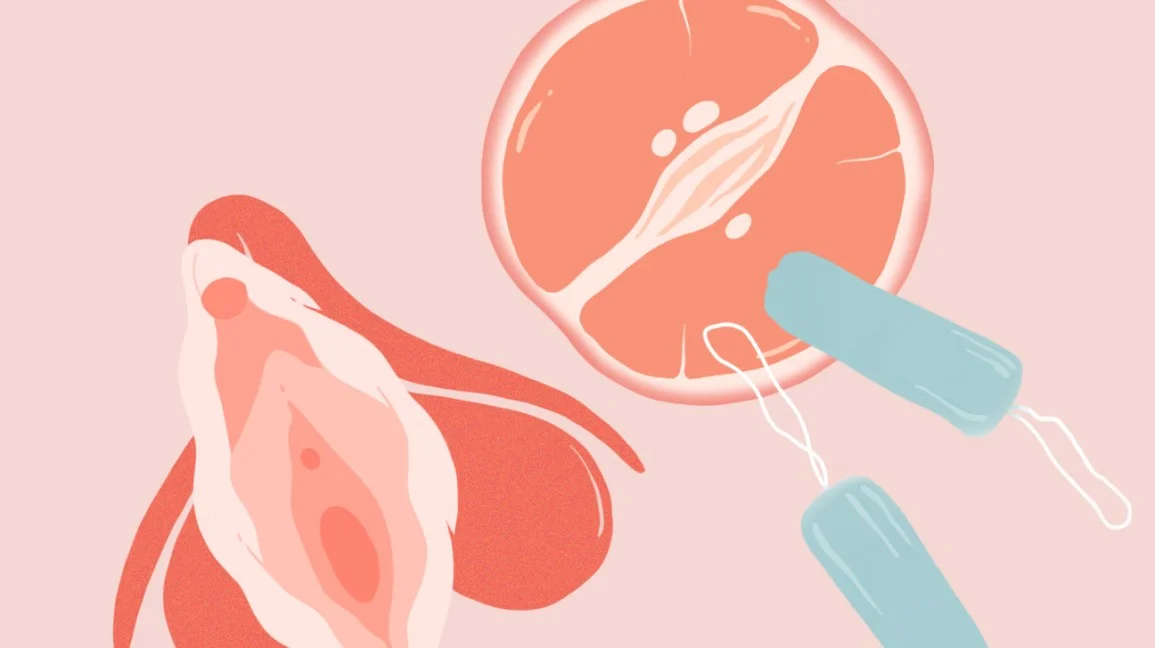
1. The Vagina of Women in Their 20s to 30s During this period, a woman’s vagina typically faces challenges related to sexual activity, contraception, pregnancy, and childbirth. Vaginal Changes: At this stage, the color and texture of the vulva and vaginal area may be affected by genetic factors and hormonal levels. Pubic hair fully develops during these years, and the vaginal walls are generally firm and elastic. The skin around the area is thicker compared to earlier years, and many women experience optimal vaginal health during this time. Childbirth: The pelvic floor is at its strongest in this age range, making it a favorable time for pregnancy and childbirth. Women in their 20s and 30s often have fewer complications during labor. Sexual Activity: Some women may experience vaginal dryness, particularly if using certain contraceptives. It’s essential to carefully manage the frequency of sexual activity and consider hydration and lubrication when needed to ensure comfort. 2. From Age 30 to 40: The Importance of Pelvic Floor Exercises As modern society has led many women to delay pregnancy and childbirth until after 30, this age group presents unique challenges for pelvic health. Vaginal Changes: The pigmentation of the vulvar area may change over time, and it can become darker in some cases. The skin and muscles around the vagina remain relatively elastic but may begin to show signs of aging. Pubic hair may also become finer. Childbirth: By age 30, pelvic floor health may begin to decline. The muscles that support the bladder, uterus, and bowels can weaken, leading to issues like urinary incontinence or a feeling of heaviness. These changes may be more pronounced after childbirth, requiring extra care during recovery. Pelvic floor exercises, such as Kegel exercises, are highly recommended to strengthen these muscles. Sexual Activity: While libido doesn’t necessarily decrease in your 30s, external factors like work, family responsibilities, and stress can affect desire. For women who are breastfeeding, hormonal changes can lead to vaginal dryness, making sexual activity potentially uncomfortable. Regular pelvic exercises can help maintain comfort. 3. How Does the Vagina Change Between Ages 40 and 50? Most women will begin to experience perimenopause during their 40s, which is the stage leading up to menopause. The changes that occur during this period significantly impact the vagina and overall reproductive health. Vaginal Changes: During perimenopause, women may experience fluctuations in estrogen levels, leading to symptoms like vaginal dryness and thinning of the skin. The vulvar area may also become paler, and pubic hair might thin or turn gray. As collagen production decreases, vaginal elasticity may reduce, and some women notice a decrease in natural lubrication during sexual activity. Childbirth: Pregnancy and childbirth in the 40s can place significant strain on the pelvic floor muscles. This may lead to an increased risk of pelvic organ prolapse or other pelvic issues. Maintaining a consistent routine of pelvic exercises is important to keep the pelvic muscles strong and functional. Sexual Activity: Vaginal dryness becomes more pronounced in this age range due to lower estrogen levels. It is advisable to use lubricants during sexual activity to reduce discomfort. Additionally, pelvic floor exercises can help alleviate some of the discomfort that may come with vaginal dryness and vaginal atrophy. 4. The Vagina of Postmenopausal Women Over 50 After age 50, most women enter menopause, which marks the end of the reproductive years. This brings about a series of changes that affect vaginal health. Vaginal Changes: Postmenopausal women may experience vaginal atrophy, where the vaginal walls shrink and become thinner due to the significant drop in estrogen levels. This leads to reduced lubrication and a more fragile vaginal environment. The vulvar area may also become drier and paler, and pubic hair may be sparse. Childbirth: Pregnancy at this stage is quite rare and often comes with significant risks. For women who may be experiencing menopause symptoms, pregnancy could lead to complications, such as pelvic organ prolapse. Sexual Activity: With significantly lower estrogen levels, vaginal lubrication is minimal, and intercourse may cause discomfort due to vaginal dryness. It’s important for women to use lubricants and engage in extended foreplay to make sexual activity more comfortable. In addition, it is crucial to continue practicing pelvic floor exercises to support overall vaginal health. Conclusion: Understanding Vaginal Health at Every Stage of Life As women age, their vaginal health changes in response to hormonal fluctuations, life events, and natural aging. Understanding these changes can help women maintain good health, make informed decisions about contraception and sexual health, and seek appropriate care when necessary. It is vital to adopt a healthy lifestyle and incorporate pelvic exercises, such as Kegel exercises, to support pelvic floor health at every stage of life. By doing so, women can manage the changes in their body effectively and continue to lead active, fulfilling lives. A Woman’s Large Breasts Indicate That Her Vag… They’re right there on our chest—AA or DDD, perky or pendulous, nipples pale pink or dark brown—and yet most of us don’t give our breasts much thought day to day. But we should. Here’s what the look and feel of your dynamic duo can tell you about your health. growing breastsAlex Kokoulin/Getty Images If your breasts are growing, it’s likely due to weight gain (because breasts are made up of mostly fat cells, in addition to glandular tissue), pregnancy (as milk ducts ramp up for breast-feeding), birth control pills, and/or hormonal changes related to your menstrual cycle (they’re very sensitive to shifts in estrogen and progesterone). No need to worry, though you might need to buy new bras. Shrinking size shrinking breast sizemoodboard/Getty Images If you find your chest shrinking, you’ve likely either lost weight or your estrogen levels are falling, perhaps from going off the pill or impending menopause. If you’re seeing shrinkage and none of those apply (especially if you also have hair loss, acne, and facial hair), consider being tested for polycystic ovary syndrome (PCOS), which is characterized by high levels of the hormones testosterone and DHEA. Or maybe just lay off the Starbucks. A study in the British Journal … Read more