Lumps on Body: What Do Neck Lumps Mean?…See More>>>

Lymph nodes play a crucial role in our immune system, acting as our body’s defense hubs against infections and other harmful invaders. Situated in various areas of the body, lymph nodes in the neck, or cervical lymph nodes, can sometimes become swollen or tender, raising questions about potential underlying health issues. So, when should you worry? And how can you distinguish between a benign condition and something more serious? Let’s dive into what you need to know about neck lymph nodes, their function, and when they may signal a more significant concern. Understanding the Role of Neck Lymph Nodes Lymph nodes, small bean-shaped structures, are found throughout the body, with many located in the neck, armpits, and groin. They are an integral part of the lymphatic system, which filters lymph fluid to remove bacteria, waste, and cancer cells. When faced with an infection or illness, lymph nodes often swell as they work to trap and eliminate harmful pathogens. This swelling is known as lymphadenopathy, which generally indicates that your immune system is functioning as it should. However, while neck lymph nodes frequently swell due to benign infections, they can occasionally be a sign of something more serious, such as cancer. Learning the differences between benign and cancerous lymph nodes can help you understand when to seek medical attention. Common Causes of Swollen Neck Lymph Nodes Several factors can cause lymph nodes in the neck to swell. Most commonly, these include: Infections: Viral infections like the flu, colds, and other respiratory infections often lead to swollen lymph nodes in the neck. Conditions such as tonsillitis, strep throat, and ear infections are also frequent culprits. Bacterial Infections: More severe infections, like tuberculosis, can cause lymph nodes to swell significantly. Bacterial infections often require antibiotics to fully resolve the inflammation. Autoimmune Diseases: Conditions such as lupus and rheumatoid arthritis can lead to chronic swelling in the lymph nodes. Cancers: Certain cancers, including lymphoma, leukemia, and metastasis from nearby cancers (like head and neck cancer), can cause lymph nodes to swell. Understanding what might be causing swollen lymph nodes can guide you in determining when to consult a healthcare provider. How to Recognize a Cancerous Lymph Node While it’s common for lymph nodes to swell due to infections, some characteristics may indicate a more serious issue. Here are signs that a swollen lymph node could be cancerous: 1. Hardness and Texture Benign lymph nodes are generally soft and tender. Cancerous lymph nodes, on the other hand, are often hard and feel firm to the touch. They can resemble a small rock or pebble under the skin. 2. Size and Growth Normal lymph node swelling due to an infection typically does not exceed 1.5 centimeters in diameter and resolves within a few weeks. Cancerous lymph nodes tend to grow larger and do not reduce in size over time. Benign lymph nodes can be painful, especially when touched. Cancerous lymph 4. Location and Spread Cervical lymph nodes are primarily located in the neck. However, lymph nodes that are affected by cancer may not remain isolated in one area; they may spread to nearby regions, such as under the jaw, behind the ears, or even further down the neck. If you notice a persistent lump in these areas that doesn’t diminish, it might be time for a medical evaluation. When to Seek Medical Attention for Swollen Lymph Nodes It’s essential to monitor any swelling in your neck’s lymph nodes and recognize when a doctor’s visit is necessary. Here are some general guidelines for when you should seek medical help: Persistent Swelling: If your lymph nodes remain swollen for more than two weeks, consult a healthcare provider for further evaluation. Unexplained Fever and Weight Loss: These symptoms, coupled with swollen lymph nodes, may suggest a more serious condition, including lymphoma or other cancers. Rapid Growth and Hardness: Lymph nodes that quickly become hard or grow larger could indicate cancerous changes and should be assessed by a doctor. How Doctors Diagnose Swollen Lymph Nodes in the Neck During a medical visit, your doctor will perform a series of evaluations to determine the cause of your swollen lymph nodes. Here’s what to expect: Physical Examination: Your doctor will palpate (or feel) the lymph nodes in your neck to check for size, shape, tenderness, and mobility. This helps assess whether the lymph node feels typical or more concerning. Medical History: You’ll discuss recent infections, illnesses, or symptoms, such as fever, sore throat, or weight loss. Your doctor may also ask about any family history of cancer or autoimmune diseases. Imaging Tests: If needed, an ultrasound, CT scan, or MRI may be recommended to get a better view of the lymph node structure and size. Biopsy: If the lymph node appears suspicious, your doctor may perform a biopsy, where a small sample of tissue is taken for further examination. This is the most definitive way to identify cancerous cells. Treating Swollen Lymph Nodes: What Are Your Options? Treatment for swollen lymph nodes depends on the underlying cause. Here’s an overview of the typical treatments for different causes of lymphadenopathy: Infections: Viral infections often resolve on their own, but bacterial infections may require antibiotics. Your doctor may also recommend over-the-counter pain relievers to ease any discomfort. Autoimmune Conditions: Medications to suppress the immune system or alleviate symptoms may be necessary. Your doctor may also recommend lifestyle changes to manage symptoms more effectively. Cancer: Treatment options for cancer-related lymph node swelling include chemotherapy, radiation therapy, and sometimes surgery to remove the affected lymph nodes. Early diagnosis is critical for the most effective treatment. Conclusion While swollen lymph nodes in the neck are often a benign response to infection, they can sometimes be an indicator of more serious health issues, including cancer. Recognizing the signs of a potentially cancerous lymph node, such as persistent swelling, hardness, and painless growth, can help you know when it’s time to seek medical advice. Regular check-ups and staying informed about the signs to watch for can ensure that … Read more


What’s the Purpose of the Fabric Strip Across Hotel Beds? (It’s Not Just for Looks!) 🌟

You walk into a hotel room after a long day, drop your bag, kick off your shoes, and collapse onto the bed. That’s when you notice it—a strip of fabric stretched across the foot of the mattress. Sometimes black, sometimes velvet, sometimes patterned, it’s a piece many guests barely register. Most push it aside or toss it on a chair, assuming it’s purely decorative. But this humble bed runner, also called a bed scarf or sash, serves multiple practical purposes that make hotel stays cleaner, easier, and more comfortable. When guests first enter a room, they are rarely ready to sleep. They might sit on the bed in outdoor clothes, rest their feet while wearing shoes, or snack with hands that aren’t exactly clean. The bed runner acts as a protective barrier, preventing dirt, crumbs, and oils from reaching the pristine sheets beneath. It’s essentially a welcome mat for the bed, keeping linens cleaner and easing housekeeping efforts. The runner also provides a safer surface for food and drinks. Room service trays, takeout, or late-night snacks are less risky on a dark, stain-resistant strip than on white bedding. Similarly, it serves as a landing zone for belongings like jackets, backpacks, or laptops, keeping street dust and germs away from the sleeping area.Less obvious, the runner protects the bed during private or intimate moments. Because it is washable and replaceable, it prevents stains or moisture from reaching the comforter or mattress, saving time and resources for housekeeping. Finally, it enhances the room’s aesthetic, adding polish, color, and a sense of luxury. The bed runner is far more than decoration—it is a quiet, thoughtful design feature that solves real problems for both guests and staff. Next time you see one, don’t toss it aside—use it intentionally and appreciate its clever purpose

20 Minutes ago in Washington DC, Mike Pence was confirmed as…See more

The room went silent when Mike Pence walked in. Not a rally. Not a campaign. A closed-door coronation. In a single afternoon, the man many Republicans wrote off as finished quietly took control of the right’s most powerful idea factory. Some call it retirement. Others whisper it’s a shadow presidency in waiting. Because this isn’t about 2024 at al Mike Pence’s move to lead the Heritage Foundation is less a soft landing than a calculated re-entry into the heart of Republican power. From this perch, he doesn’t need campaign crowds or cable hits; he needs memos, blueprints, and loyal operatives. Project 2025 becomes his weapon, a detailed script for the next conservative administration, no matter whose name appears on the ballot. While Trump-aligned populists sneer at “think tank Republicans,” Pence is betting the future still belongs to those who write the rules, staff the agencies, and frame the arguments. His focus on abortion, education, and China signals a moral and strategic crusade, not a nostalgic throwback. Heritage gives him what the vice presidency never fully did: an independent power base. If elections choose presidents, institutions like this decide what those presidents can actually do. Pence just claimed one of the most important.

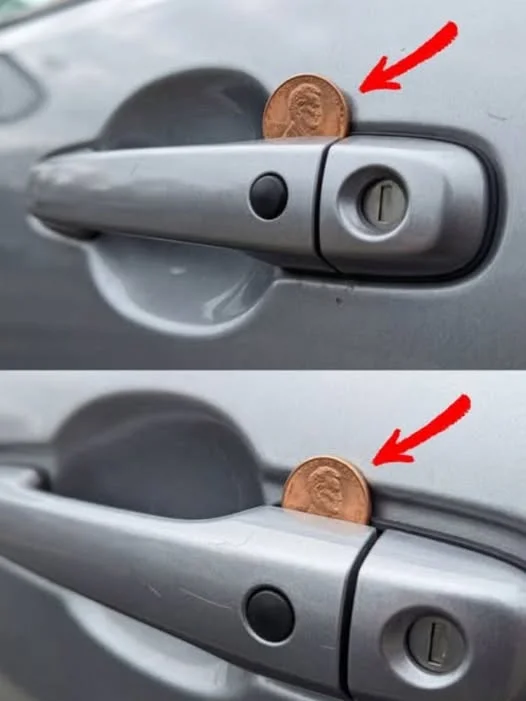
If You See a Penny in Your Car Door Handle—Here’s What It Really Means (And What to Do)

You’re rushing out to your car—coffee in hand, kids in tow, already late for work—when you notice something odd: a penny wedged in your door handle. Your first thought? “Weird… must’ve fallen out of someone’s pocket.” But then you hear the rumors: “It’s a car thief’s trick!” “They’re testing if your car is unlocked!” “It’s a signal to an accomplice!” So… should you panic? Call the police? Or just toss the penny and go about your day? Let’s cut through the fear-mongering and get to the truth—because the reality is more nuanced (and far less sinister) than viral warnings suggest. The Viral Claim: “The Penny Trick” Explained The story goes like this: A thief slips a penny or nickel into the gap of your passenger-side door handle. When you try to lock your car with your key fob or manual lock, the door seems to lock—but the penny prevents it from fully engaging. You walk away thinking your car is secure… but it’s not. The thief returns later, opens the door, and steals your belongings (or your car). Some versions even claim the penny is a distraction tactic: you struggle to unlock the door, get frustrated, and while you’re distracted, an accomplice strikes. Sounds clever, right? But here’s the problem: it’s largely a myth—with a tiny grain of truth. The Reality: Why This “Trick” Rarely Works (Especially on Modern Cars) ✅ On Older Cars (Pre-2000s): ✅ On Older Cars (Pre-2000s): Some manual locks could be jammed by a small object, potentially preventing the latch from closing fully. But even then, you’d likely feel resistance when closing the door or see the handle not sit flush. ❌ On Modern Vehicles (2000s–Today): Most cars have central locking systems—if one door isn’t closed, the car often won’t lock at all (you’ll hear repeated beeps or see a warning light). Door handles are designed with tight tolerances—a penny simply won’t fit in the latch mechanism without being obvious.

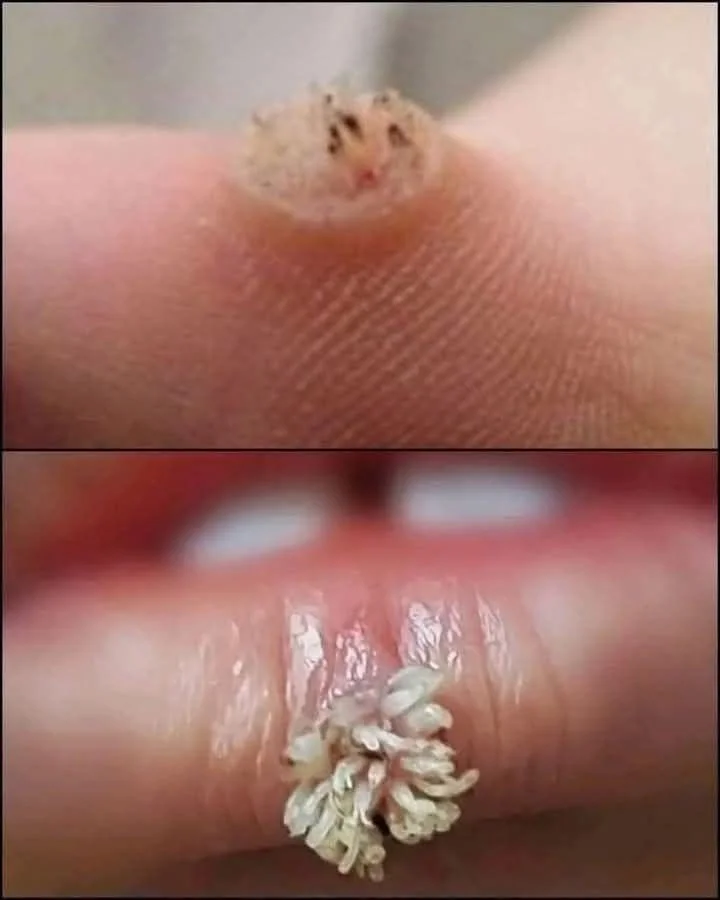
BE VERY CAREFUL . If you get this, you are infected with ….SeeMore>>>

Warts are small, rough growths on the skin caused by the human papillomavirus (HPV). While they are typically harmless, warts can be unsightly, uncomfortable, or even embarrassing. Many people turn to over-the-counter treatments or medical procedures for wart removal, but natural remedies have long been a popular alternative. These home-based solutions often utilize common household ingredients and are appealing due to their simplicity and accessibility. Though scientific evidence supporting some of these methods is limited, anecdotal success stories abound. If you’re looking to remove warts naturally, here are several approaches worth considering. Understanding Warts and Why Natural Remedies May Work Before diving into remedies, it’s important to understand what causes warts. HPV infects the top layer of the skin, causing rapid cell growth that results in raised bumps. The immune system plays a critical role in fighting off HPV, so anything that boosts immunity or irritates the wart—potentially triggering an immune response—may aid in its removal. Natural remedies aim to either stimulate the immune system, physically break down the wart tissue, or create an inhospitable environment for the virus. Below are some tried-and-true options: 1. Apple Cider Vinegar (ACV)Condiments & Dressings Apple cider vinegar is one of the most widely recommended natural remedies for warts. Its high acidity creates an environment where the virus cannot thrive, while also breaking down the wart tissue over time. How to Use: Soak a cotton ball in apple cider vinegar. Secure it over the wart using a bandage or tape.Fruits & Vegetables Leave it on overnight and repeat daily until the wart disappears. Note: ACV can cause mild irritation, so it’s wise to dilute it with water if your skin is sensitive. 2. Garlic Garlic contains allicin, a compound with potent antiviral and antibacterial properties. Applying garlic directly to a wart may help combat the underlying HPV infection. How to Use: Crush a clove of garlic and apply the paste to the wart. Cover with a bandage and leave it on for several hours or overnight. Repeat daily until the wart falls off. For added effectiveness, mix crushed garlic with a few drops of olive oil to prevent excessive drying. 3. Tea Tree Oil Tea tree oil is renowned for its antimicrobial and antiviral properties. It works by penetrating deep into the skin to target the virus responsible for the wart. How to Use: Dilute tea tree oil with a carrier oil like coconut or almond oil (1 part tea tree oil to 2 parts carrier oil). Apply the mixture to the wart twice daily using a cotton swab. Home Tips & Tricks BE VERY CAREFUL . If you get this, you are infected with… BE VERY CAREFUL . If you get this, you are infected with …. See more Warts are small, rough growths on the skin caused by the human papillomavirus (HPV). While they are typically harmless, warts can be unsightly, uncomfortable, or even embarrassing. Many people turn to over-the-counter treatments or medical procedures for wart removal, but natural remedies have long been a popular alternative. These home-based solutions often utilize common household ingredients and are appealing due to their simplicity and accessibility. Though scientific evidence supporting some of these methods is limited, anecdotal success stories abound. If you’re looking to remove warts naturally, here are several approaches worth considering. video of: Coocamber UV Cell Phone Sanitizer REVIEWPlay Video Coocamber UV Cell Phone Sanitizer REVIEW Fullscreen Share Watch onHumix Coocamber UV Cell Phone Sanitizer REVIEW Understanding Warts and Why Natural Remedies May Work Before diving into remedies, it’s important to understand what causes warts. HPV infects the top layer of the skin, causing rapid cell growth that results in raised bumps. The immune system plays a critical role in fighting off HPV, so anything that boosts immunity or irritates the wart—potentially triggering an immune response—may aid in its removal. Natural remedies aim to either stimulate the immune system, physically break down the wart tissue, or create an inhospitable environment for the virus. Below are some tried-and-true options: 1. Apple Cider Vinegar (ACV)Condiments & Dressings Apple cider vinegar is one of the most widely recommended natural remedies for warts. Its high acidity creates an environment where the virus cannot thrive, while also breaking down the wart tissue over time. How to Use: Soak a cotton ball in apple cider vinegar. Secure it over the wart using a bandage or tape.Fruits & Vegetables Leave it on overnight and repeat daily until the wart disappears. Note: ACV can cause mild irritation, so it’s wise to dilute it with water if your skin is sensitive. 2. Garlic Garlic contains allicin, a compound with potent antiviral and antibacterial properties. Applying garlic directly to a wart may help combat the underlying HPV infection. How to Use: Crush a clove of garlic and apply the paste to the wart. Cover with a bandage and leave it on for several hours or overnight. Repeat daily until the wart falls off. For added effectiveness, mix crushed garlic with a few drops of olive oil to prevent excessive drying 3. Tea Tree Oil Tea tree oil is renowned for its antimicrobial and antiviral properties. It works by penetrating deep into the skin to target the virus responsible for the wart. How to Use: Dilute tea tree oil with a carrier oil like coconut or almond oil (1 part tea tree oil to 2 parts carrier oil). Apply the mixture to the wart twice daily using a cotton swab Continue application for several weeks as needed. Avoid applying undiluted tea tree oil, as it can irritate sensitive skin. 4. Duct Tape Occlusion Therapy This unconventional method gained popularity after studies suggested it might mimic the effects of salicylic acid, a common ingredient in commercial wart treatments. The theory is that covering the wart deprives it of oxygen and triggers an immune response. How to Use: Cut a piece of duct tape slightly larger than the wart. Cover the wart completely and leave it on for six days. After removing the tape, soak … Read more

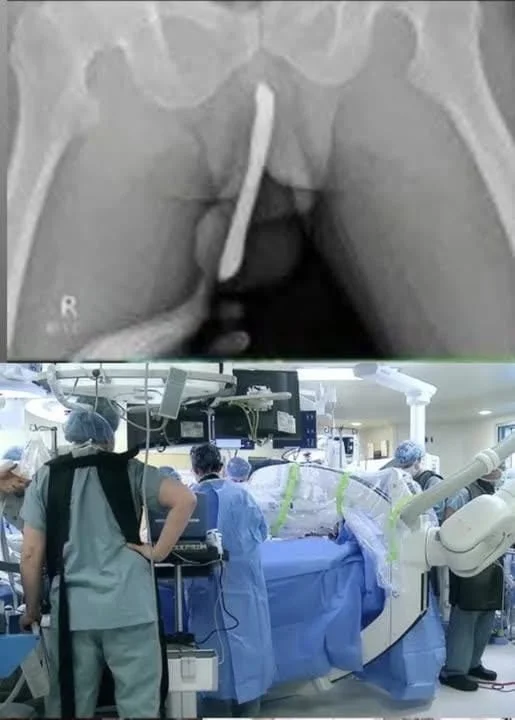
Girl had to be hospitalized for wanting to use a pe…See more

Teen Girl Hospitalized After Inserting Pen Inside Herself – Doctors Issue Warning A shocking case has gone viral on social media after a young girl had to be rushed to the hospital for a bizarre and dangerous act. According to reports, the teenager inserted a pen into her private parts, which led to severe internal injuries and complications. Doctors performed an emergency surgery to remove the object and stabilize her condition. Medical experts are now warning young people not to experiment with foreign objects, as it can lead to life-threatening infections or permanent damage. 🚨 Doctors urge parents to talk to their children about body safety and health. ⚠️ Never insert non-medical objects into the body – it can have serious consequences. Read more below

13 countries join….Read More>>>

In a dramatic escalation of global security concerns, a coalition of thirteen countries has reportedly united in response to growing geopolitical instability, sparking widespread alarm across diplomatic and defense communities worldwide. The announcement comes amid rising tensions between major world powers, as images circulate showing advanced missile transport systems on the move alongside senior political figures at a high-level international setting. Analysts say the symbolism alone has been enough to rattle global markets and trigger emergency meetings at the highest levels of government. According to early reports, the newly formed alliance is described as a “defensive coordination effort,” aimed at countering what member states view as increasing strategic threats and military posturing. While officials have stopped short of confirming imminent military action, the scale of cooperation suggests a significant shift in global power dynamics. Military experts note that the presence of long-range missile platforms in the imagery sends a powerful message—one of deterrence, readiness, and technological capability. “This is not just about weapons,” one security analyst said. “It’s about signaling influence, unity, and resolve.” World leaders have urged calm, emphasizing the importance of diplomacy over confrontation. Emergency sessions have reportedly been convened at international institutions to prevent further escalation and to open communication channels between opposing blocs. Citizens around the world are watching closely as events unfold, with many fearing the consequences of miscalculation in an already fragile global environment. Whether this coalition marks the beginning of a new balance of power—or a dangerous step toward wider conflict—remains to be seen.

BREAKING: At least 4 dead, 10 injured after mass shooting at child…See more

The laughter ended with the sound of gunfire. In moments, a child’s birthday party in Stockton turned from celebration to chaos as parents screamed and guests scattered across the yard. What had been music, balloons, and cake became confusion and fear. Four people were killed, and ten others were rushed to hospitals, leaving families shattered by a night meant for joy. Shoes and party favors lay abandoned, small reminders of how suddenly everything changed. Neighbors and relatives struggled to comprehend how a family gathering became the scene of unimaginable loss. As the noise faded, shock took its place. Parents who shielded children replayed those seconds again and again, questioning whether they could have done anything differently. The decorations will be removed and the home cleaned, but the memories will remain. A birthday cake, once the symbol of happiness, became a silent marker of tragedy. Investigators now study surveillance footage and follow leads, including reports of a suspicious vehicle. Answers may come slowly, but the pain is immediate and lasting. For those who were there, this was not a headline or statistic. It was a dividing line between life before the shooting and life after it. As Stockton mourns, the community is left facing a haunting question: how does a city recover when even the most innocent celebrations no longer feel safe?

Iranian Submarine Fired 2 Torpedoes at a U.S. Aircraft Carrier — Then THIS Happened…

Dramatic hypothetical naval warfare scenario involving an Iranian submarine and the U.S. aircraft carrier USS Abraham Lincoln (CVN-72). While fictionalized, the scenario is used to explore modern naval tactics, submarine stealth capabilities, and the challenges faced by contemporary naval forces in high-stakes maritime environments.   Set in the strategically important Arabian Sea, the scenario imagines an Iranian Kilo-class submarine operating undetected for eleven days. The submarine allegedly takes advantage of advanced stealth features and careful planning to avoid discovery while maneuvering into a position beneath the American aircraft carrier. A key element of the story is the use of an “acoustic shadow,” a tactic in which the submarine hides behind a large commercial vessel, such as a supertanker, to mask its sound signature from enemy sonar systems. This allows it to move closer to its target while remaining concealed. After reaching its firing position, the submarine launches two torpedoes in a coordinated attack. The first serves as a distraction, intended to draw defensive systems away from the primary threat. The second torpedo is portrayed as a more sophisticated weapon capable of reacquiring the carrier’s signature and adjusting its course toward a vulnerable point on the ship. The brief interval between launches creates a tense situation in which the carrier’s crew must react almost immediately to avoid disaster. The scenario then shifts to the defensive response aboard the USS Abraham Lincoln. Personnel quickly activate anti-torpedo countermeasures and other defensive systems designed to detect, track, and neutralize incoming underwater threats. A naval aviator, identified as Lieutenant Commander James Porter, is already airborne and becomes part of the broader response effort. His rapid assessment of the threat and coordination with the ship’s crew highlight the importance of training, communication, and readiness during naval emergencies. As the attack unfolds, the carrier’s defenses successfully intercept the first torpedo. The second continues toward the vessel, creating a final high-pressure moment. According to the scenario, advanced defensive technology and coordinated action ultimately prevent the torpedo from striking the ship. The carrier survives without significant damage, demonstrating the effectiveness of modern naval protection systems when combined with disciplined personnel and rapid decision-making. Following the failed attack, U.S. forces locate and neutralize the submarine, ending the confrontation. The article uses this outcome to illustrate the constant contest between offensive and defensive technologies in modern warfare. It emphasizes that while stealth submarines can pose serious threats to large surface ships, aircraft carriers and naval task forces employ sophisticated detection systems, countermeasures, and coordinated tactics to defend against such dangers. The broader message of the article focuses on lessons for military planners. It highlights the growing importance of undersea warfare, technological innovation, electronic detection systems, and realistic training. The scenario also reflects ongoing concerns about how future conflicts at sea could unfold, particularly in strategically sensitive regions where major powers and regional rivals operate in close proximity. Ultimately, the hypothetical encounter serves as a thought experiment about the evolving nature of naval warfare. It underscores the continuing importance of preparedness, technological advancement, and adaptability as nations seek to protect their interests in increasingly complex and contested maritime environments.

A Serious Accident Occurred Minutes Ago on the Sa… Road

Tragedy in the US/ Car hits pedestrians in Manhattan, two dead and three seriously injured Two people were killed and three others were seriously injured after a vehicle went out of control and crashed into pedestrians in New York City. The accident occurred on Friday afternoon in the Manhattan area, when the driver of the vehicle, according to preliminary reports, lost control of his car.