People disturbed after realising what yellow stuff in your eyes when you wake up actually is
Let’s be honest—waking up to find yellow crust in the corner of your eyes isn’t exactly glamorous. In fact, it’s kind of gross. But what if we told you that this seemingly nasty morning surprise is actually a sign that your body is doing its job while you sleep? That’s right. That yellow gunk isn’t random—there’s some pretty cool science behind it. So if you’ve ever rubbed your eyes in the morning and wondered, “What is this stuff?”—you’re not alone. Let’s dive into the slightly weird, a little gross, and totally fascinating truth about sleep crust. What Is That Yellow Stuff in Your Eye….. Let’s be honest—waking up to find yellow crust in the corner of your eyes isn’t exactly glamorous. In fact, it’s kind of gross. But what if we told you that this seemingly nasty morning surprise is actually a sign that your body is doing its job while you sleep? That’s right. That yellow gunk isn’t random—there’s some pretty cool science behind it. So if you’ve ever rubbed your eyes in the morning and wondered, “What is this stuff?”—you’re not alone. Let’s dive into the slightly weird, a little gross, and totally fascinating truth about sleep crust. What Is That Yellow Stuff in Your Eyes You’ve probably heard it called all sorts of names—sleep dust, eye boogers, eye crust, or rheum (yep, that’s the scientific name). But here’s what’s really happening: while you sleep, your eyes continue to produce a mixture of mucus, oil, skin cells, and other debris. Why? Because your eyes need to stay lubricated—even when they’re closed. Throughout the day, you blink, which helps clear out all that gunk. But at night? No blinking. That means everything your eye would normally flush away just… collects. And by morning, voilà—you’ve got yourself a little pile of eye debris. Dead Bacteria? That’s Right—You Won the War in Your Sleep According to neuroscientist Dr. Andrew Huberman, what you’re actually seeing when you wipe that crust away is evidence of a battle your immune system won overnight. That yellow tinge? It’s often the remains of dead bacteria your eye fought off while you were catching Z’s. Think of it this way: your body was quietly fighting off invaders while you dreamed about pizza or forgot to set your alarm. And when you wipe your eyes in the morning, you’re literally sweeping away the aftermath of that microscopic battle. It’s kind of like starting your day with a tiny victory. Who knew? Video : Eye Discharge, Eye Boogers, Rheum, Sleep in Your Eyes. What is it? What Causes It? Why It’s Yellow (and Sometimes White or Clear) Eye discharge comes in a few varieties. Most of the time, it’s: Clear or white – Just normal mucus and oil Yellow or greenish – More common when your immune system is active (hello, dead bacteria) Crusty – When the fluid dries up overnight Sticky – Usually if you’ve got allergies or are a little dehydrated So a little yellow crust? Totally normal. But if it starts to look more like glue than a light coating, that could be a sign of something else. When Eye Discharge Isn’t So Innocent While most eye goop is harmless, there are times when it can point to a bigger issue—like conjunctivitis (aka pink eye). This condition is usually caused by bacteria, viruses, or allergies and can be pretty uncomfortable. If you wake up with: Thick, yellow pus sticking your eyelashes together Redness in the whites of your eyes Burning, itching, or that gritty “sand-in-your-eye” feeling Light sensitivity Then it might be time to see a doctor. Fortunately, conjunctivitis often clears up on its own, but it’s always good to keep an eye on it (pun intended). What You Should—and Shouldn’t—Do With Eye Crust Okay, so you’ve got that morning eye crust. What now? Here’s what you should do: Wash your hands first. Always. Your fingers carry bacteria, and your eyes are super sensitive. Gently clean your eyes with warm water. The NHS recommends boiling water, letting it cool, and using a clean cotton pad for each eye. Use a cold compress. If your eyes are puffy or irritated, a cool flannel can help reduce inflammation. Blink more often during the day. This helps keep your tear ducts active and flush out irritants. Here’s what you shouldn’t do: Don’t rub your eyes roughly. This can irritate them or introduce bacteria. Don’t share towels or pillows. Especially if you’ve got signs of conjunctivitis—it’s highly contagious. Don’t use expired eye drops or makeup. Old products can harbor bacteria and make things worse. TikTok Reacts: From Sleep Crust to Self-Esteem Boost Of course, the internet has weighed in on this revelation, and reactions have ranged from shock to self-celebration. One TikTok user summed it up perfectly: “I refuse to lose—even when I’m sleeping.” Another said, “Starting the day with a victory.” And then there’s the kid who said he used to put it in his tea. We’ll… just move past that one. But in all seriousness, learning that this weird little morning ritual is actually a sign that your body is working hard for you? That’s a mindset shift worth having. Want to Keep Your Eyes Healthy? Here’s How Your eyes are amazing. They clean themselves, fight bacteria, and help you see the world—all while you sleep. If you want to keep them in top shape, here are a few tips: Stay hydrated. Dry eyes produce more mucus, so drink your water. Get enough sleep. Deep, restorative sleep allows your glymphatic system (yes, your brain’s cleaning crew!) and your eyes to do their jobs. Use a humidifier. Especially if you live in a dry climate or use heating/AC a lot. Wear sunglasses. Protecting your eyes from UV damage keeps your tear glands happy. Take breaks from screens. Follow the 20-20-20 rule: every 20 minutes, look at something 20 feet away for 20 seconds. Video : Doctor Reveals Mucus Fishing Syndrome! Conclusion: Celebrate the Eye Crust, Just Don’t Ignore the Red Flags So the next time you wake up and notice that crusty yellow gunk in your eyes, don’t be grossed out—be proud. Your immune system … Read more


20 Things That A Man Will Do If He Truly Loves You With All Of His Heart,,,,Read More>

 20 Things That A Man Will Do If He Truly Loves You With All Of His Heart   Sometimes, you’re just not going to be sure whether the guy you’re with is truly in love with you or not. Sure, he can say that he loves you. But you also know that there are so many guys out there who are toxic and manipulative; guys who would say whatever just to get a girl to trust them. And you don’t want to fall victim to such a man. But you don’t want to be closing yourself off to a man’s love entirely either. So, what do you do? Well, you only ever want to be investing yourself in a guy who you know is truly in love with you. And how would you be able to tell? Well, this article is going to try to give you a clearer picture of what this man truly looks like. A man who truly loves you is a man who wouldn’t hesitate to do these things: 1. He acts nicely towards your friends because it’s important to him that they have a good impression of him. 2. He really makes it a point to plan amazing date nights with you because he never wants you to feel like he takes you for granted or that you’re not worth the effort. 3. He doesn’t really hold you back when you want to let loose and have fun at the bar. And if you get drunk, he always makes sure to take care of you and get you home safely. 4. He waits for you to get home before he watches the latest Game of Thrones episode because he knows that you want to watch it together with him even though he’s itching to see it already. 5. He brags about you to his friends and family because he is genuinely proud of everything that you are and all the things that you accomplish in your life. 6. He willingly takes a million photos of you whenever you ask him to even though he knows you’re only doing it for your Instagram feed. 7. He lets you choose the movies that you’re going to see for date night even though he isn’t really fond of your choices. He just wants to spend time with you. 8. He gives you a lot of surprise kisses and hugs just so that you know that he’s always willing to get affectionate with you. 9. He lets you take a bite of his food even though he’s really hungry because he knows that you really do love eating. 10. He makes it a point to ensure that your family has a favorable view of him. He knows that it’s so important to you that your family actually likes him. 11. He always supports you in the pursuit of your goals and dreams. He never wants to serve as a kind of shackle or barrier that will keep you from achieving your heart’s deepest desires. 12. He accompanies you to events and parties that even you don’t want to go to just because he doesn’t want you to feel like you’re alone. He’s always willing plus one for you. 13. He cooks dinner for you and he makes sure it’s ready by the time you get home so that you won’t have to worry about it after a long and tiring day at work. 14. He buys you random gifts or flower bouquets on random days because he doesn’t think that expressions of love should only be reserved for special occasions. 15. He always makes sure to text you first thing in the morning whenever he wakes up and he always texts you goodnight before he falls asleep. 16. He has a light and funny conversation with you to brighten up your mood but he’s also willing to have deep and serious conversations with you about life and the universe. 17. He constantly reassures you that the two of you have a future together and he always shows a willingness to talk about your plans as a couple. 18. He never holds back his feelings for you. He doesn’t shy away from letting it be known to you and to the world just how much he loves you. 19. He always stays patient with you even when you are at your absolute worst. He never makes you feel bad or guilty for making mistakes or for being human. He makes you feel loved and accepted regardless of your shortcomings. 20. He shows a willingness to put your needs above his own. He’s become completely selfless and he always makes sure that your needs are being met and that your expectations are being fulfilled.

Lovely Childhood Photo of Donald Trump Reveals Gentle Beginnings…see more….

A faded childhood photo of a young blonde boy, eyes full of curiosity and calm, recently resurfaced on social media, and it’s none other than a tender glimpse of a young Donald Trump. What’s grabbing attention isn’t the image’s artfulness, but the powerful contrast between that peaceful childhood moment and the divisive persona known around the globe. Comments flooded the post: some call it “sweet” and “not a monster,” while others lament, “What an absolute shame that this boy grew into an amoral atrocity.” These emotional reactions underscore how one simple snapshot can stir deep feelings, depending on one’s perspective of the man he became. Sandwiched in a sea of family portraits, that young Trump looks unremarkable: a serene child with wide, searching eyes, unaware of the storms his future would bring. It’s a pause in time before privilege, pressure, and public scrutiny refract his path.   Donald John Trump entered the world on June 14, 1946, in Queens, New York, as one of five children born to Fred and Mary Anne MacLeod Trump. His father, a successful real estate magnate, believed life was a contest and only the strongest should succeed. At home, the standards were high; softness was a weakness, and toughness was prized above all. Fred Trump, stern and achievement-focused, ran the household with hard-nosed discipline. He rewarded assertiveness and resilience, not tenderness or emotional openness. As Donald’s mother became gravely ill during his young years, her absence left him even more reliant on his father’s principles: winning at all costs. By age 13, his parents had enrolled him in the New York Military Academy, hoping structured discipline would contain his unruly energy. The strict environment, all hierarchy and control, seemed to suit his combative spirit, making him stronger, more determined, and more hardened.   That military chapter cemented his competitive nature and commitment to “winning.” Over the years, that foundation morphed into media fame and political clout. His early life, one of privilege mixed with grinding expectations, set the stage for his ambition and public presence. Fast-forward: Trump has become one of the most polarizing leaders in modern history. His political career is marked by audacity, controversy, and a willingness to push boundaries, whether by proposing to annex Canada or entertaining the idea of purchasing Greenland. His presidency and beyond have been defined by a bold, unapologetic leadership style. Efforts like Project 2025, which aimed to reshape civil service systems, sparked fierce debate. Admirers champion his assertiveness, while critics warn of threats to democratic traditions and social equity. That childhood photograph remains culturally poignant. It’s a gentle reminder that every prominent or controversial person begins with an ordinary past. To some, it resonates as a poignant contrast: an innocent boy, now overshadowed by ambition, controversy, and power. To others, it raises questions: What turns a curious child into a figure of global contention?   This touching childhood photo reminds us how dramatically life paths can change. The peaceful young boy in the picture grew up to be a world leader known for unsettling policies and divisive rhetoric. Regardless of your viewpoint, the photo highlights an undeniable truth: childhood innocence does not ensure a gentle future, and privilege and pressure can shape destinies in unexpected ways. What are your thoughts on this?

If you have purple veins on your legs, it means you are..

This guide will help you understand the causes, symptoms, possible treatment methods and ways to prevent purple veins on your legs. Most common causes of purple veins Several key factors can contribute to their development: Genetics – Heredity plays a key role. Certain genes that weaken the walls of blood vessels can be inherited and increase the risk. Sedentary lifestyle – Sitting or standing for extended periods reduces blood circulation, leads to blood retention and additional pressure on the veins. Overweight – Excess weight puts pressure on the veins in the legs, weakens the valves and leads to problems over time.

Kelly Ripa: Hospitalized in Critical Condition… See more

Kelly Ripa’s sudden collapse has stunned even those closest to her, not just because of the severity, but because it struck someone who seemed to embody health and vitality. Sources say her admission to intensive care was swift and serious, with doctors racing to stabilize her while still searching for the underlying cause. Mark Consuelos has reportedly barely left her side, canceling commitments and quietly coordinating with family as they navigate the shock in private.

How to stay calm when you find unwanted “guests” in your child’s hair…..see more>>>

To add to your excellent summary, here is the practical, “no-fuss” guide on how to actually remove a tick safely and how to prevent them, keeping in mind the simple, age-old wisdom you appreciate: 🛑 The Right Way to Remove a Tick (And the Myths to Avoid) If you find a tick attached to your skin (perhaps after gardening or taking a walk), don’t panic. You can handle it safely at home in about 60 seconds. The “Tweezers” Method (The Gold Standard): Get the right tool: Use a pair of fine-tipped tweezers. Grab it right: Grasp the tick as close to your skin’s surface as possible. You want to grab its “head” or mouthparts, not its swollen, blood-filled body. Pull straight up: Pull upward with steady, even pressure. Don’t twist or jerk the tick (this can cause the mouth-parts to break off and remain in the skin). If this happens, remove the mouth-parts with tweezers. If you can’t easily get them out, leave them alone and let the skin heal. Clean up: After removing the tick, thoroughly clean the bite area and your hands with rubbing alcohol, an iodine scrub, or plain soap and water. 🚫 The Old Wives’ Tales (What NOT to do): You might hear old advice about how to get a tick to “back out” on its own. Do not do these things, as they can actually cause the tick to vomit its stomach contents (and potential diseases) into your bloodstream: Do NOT smother it with Vaseline, nail polish, or petroleum jelly. Do NOT try to burn it off with a hot match. Do NOT squeeze or crush the tick’s body.

Kids with kids: Where are Britain’s youngest parents now…..see more>

When the story of then 13-year-old Alfie Patten went viral, then Prime Minister David Cameron stated, “I just thought how worrying that in Britain today children are having children.” Even before reaching the legal age to buy party poppers, Alfie became the youngest ever father in Britain. It was later determined that another young man, slightly older than Alfie was the real father, and this incident ruined Alfie’s life completely. Even today, he’s facing plenty of issues, including alcohol abuse and problems with the law. However, the story of Alfie and the girl who gave birth to his alleged daughter isn’t the only one of youngsters becoming parents in Britain. Tressa Middleton, the youngest mother in Britain, who gave birth to her first daughter at the age of just twelve, recently announced she’s expecting her fourth child. The now 29-year-old mom shared the news of her pregnancy on the social media by posting a photo of the ultrasound. She welcomed her latest child 17 years after she made headlines for being the youngest mother Britain has ever seen. “So guys, it’s another girl!!” she captioned her post. “Four girls, I can’t believe it. Good luck, Darren.” Tressa’s story is a heartbreaking one. Her parents were alcohol and drug abusers and her childhood was a tough one, to say the least. She fell pregnant at the age of 11 and gave birth at 12, shortly after finishing elementary school. Following the birth of her daughter, the young mom battled depression and started using drugs and alcohol, which resulted in losing the custody of her girl. The baby was put up for adoption. The father’s identity was kept a secret until 2009, or three years after Tressa gave birth. At one point, she broke down and confessed that her daughter was her brother’s who s******y assaulted her from the time she was seven years old. The 34-year-old Jason was found guilty and sentenced to four years in prison in 2009. Speaking to the Daily Mail in 2011, Tressa confessed that “sometimes he blackmailed or bribed me to do it. “He’d say he was going to tell Mum. He’d give me things – joints, drink, cigarettes. Or he’d threaten me.” Since then, Tressa has battled to put her life back on track and overcome her addictions, which cost her around £400 every day. The girl’s identity was kept a secret, but what is known, as per The Sun, that she was s******y assaulted and her family was unaware of that. “It has come as a big shock,” a family friend said in 2021 to The Sun. “She’s now being surrounded by expert help. The main thing is that she and the baby are OK.” Prior to the case of Alfie, it was Sean Stewart who was thought to be the youngest father in Britain. In 1998, Sean’s next door neighbor, Emma Webster, 15, got pregnant with his child. At the time, Sean was 11 years old. A month after turning twelve, Sean’s son, Ben Louis, was born and Sean was granted a day off from school. Sean and Emma were neighbors and according to her, he would climb to her rooftop to see her. “He said he was 12, I’d never have gone out with him if I’d known he was 11,” she told The Sunday Telegraph at the time. Shortly after giving birth, Emma married someone else and moved to a £200,000 house, while Sean continued attending his local school before leaving Bedfordshire in his early adolescence. According to The Daily Mail, in the early 2000s, he was incarcerated for seven months for stealing. Speaking of him, Emma said at the time, “I don’t know where Sean is or what he is doing. I don’t want to talk about it anymore because I don’t think it helps Ben.” No matter how unbelievable these stories sound, the one that is the most shocking of all is that of Lina Medina from Peru who gave birth at the age of just five. Today, Medina is 89 years old. When she gave birth in 1939, she became the youngest mother in the history. Allegedly, she suffered from “precocious puberty,” a disorder that causes puberty to start earlier than usual. At the time, it was believed that Medina’s child was her father’s but he was eventually freed of all charges because of insufficient evidence. Teenage couples of a comparable age who have consensual s*x in the UK and are under the legal consent age of 16 are unlikely to face legal action. But all s****l activity with children under the age of 13 is illegal. Please SHARE this article with your family and friends on Facebook.

The Reason You Sometimes Get Sudden Stabbing Chest Pains Has Finally Been Explained….see more>>>

Sometimes, Googling your symptoms actually leads to a helpful answer  If you’re at a certain point in life, chances are you’ve felt sudden sharp chest pains without knowing what caused them. It’s a pretty common experience, but not many people know the actual reason behind it.  Whenever you feel any pain in your chest, it’s natural—especially if you worry about your health—to think something might be wrong with your heart. But the truth is, it’s often something way less serious than that. There’s loads of information online about heart attacks and other heart issues, but searching symptoms on Google can sometimes make things worse. It’s easy to convince yourself it’s the worst-case scenario when it’s really not. If you’re doing your part to keep your heart in good shape—like eating well, staying active, and not dealing with any major risk factors—it’s unlikely that these random pains are a sign of something dangerous like a heart attack.  In fact, if you feel a stabbing pain in your chest that goes away quickly and you’re not experiencing other symptoms like shortness of breath or pain going down your left arm, it’s probably not a heart issue at all. And since anxiety can actually trigger or worsen these pains, stressing about it might be doing more harm than good. So what’s behind it? Doctors say it’s something called precordial catch syndrome (PCS), a harmless condition that’s been known about since as far back as 1893. Chest pain and shooting sensations down your left arm can indicate a heart attackGetty Stock Photo Precordial catch syndrome, which is also known as Texidor’s twinge, causes sharp, sudden chest pains. Thankfully, they usually last only a few minutes and are not dangerous. Interestingly, this condition tends to happen more in children—especially those between six and 12 years old—and in younger adults rather than older people.  The pain often comes out of nowhere while you’re just sitting or resting. That’s another reason doctors are confident it isn’t heart-related, since heart issues usually flare up during physical activity or stress, not while you’re doing nothing. Doctors still aren’t completely sure what causes PCS, though some think it could be linked to irritation in the chest wall or nerves between the ribs, known as intercostal nerves. Research is still ongoing.   It’s easy to become anxious about the symptoms but you shouldn’t need to worryGetty Stock Images Even though these sharp pains can be really uncomfortable—and understandably worrying if they happen a lot—the good news is that the condition itself isn’t dangerous. In most cases, simply taking slow, deep breaths and hearing that everything is okay can help calm things down.  Of course, if you’re ever unsure or the pain sticks around longer than usual, it’s always a smart idea to check in with your doctor to be safe.

🚨Trump FALLS AGAIN! — White House Doctor Breaks S…See more….

The Power of a Sensational Headline Headlines are designed to grab attention. In the age of social media, publishers compete fiercely for clicks, views, and engagement. A title like: “Trump FALLS AGAIN! White House Doctor Breaks Silence” immediately creates urgency. Readers naturally want answers to questions such as: Did something serious happen? Is the former president ill? Has new medical information emerged? Could this affect future political developments? The emotional impact of these questions encourages people to click, comment, and share before reading the full story. Unfortunately, this environment can sometimes reward exaggeration more than accuracy. Why Health Stories About Political Leaders Go Viral The health of national leaders has always been a topic of public interest. Throughout history, citizens have wanted to know whether those seeking or holding powerful offices are physically and mentally capable of performing their duties. This interest is not limited to any political party. When health questions arise about leaders, the public often reacts strongly because leadership decisions can affect millions of lives. For this reason, even minor incidents involving public figures can quickly become major news stories. A brief stumble, a cough during a speech, or a moment of visible fatigue may be analyzed extensively online. Sometimes these discussions are based on facts. Other times, speculation quickly outpaces verified information. The Social Media Amplification Effect Modern social media platforms make it easier than ever for rumors to spread. A single video clip lasting only a few seconds can generate millions of views. Without context, viewers may draw conclusions that are not supported by the full footage. For example: A short clip may show a person appearing unsteady. A longer video may reveal that the individual simply missed a step. The original context may completely change the interpretation. Yet many people never see the longer version. Instead, they react to the edited clip. This phenomenon affects politicians, celebrities, athletes, and public figures across the political spectrum. The Growing Interest in Presidential Health Americans have long paid close attention to presidential health. Historical examples include: Franklin D. Roosevelt and concerns regarding his physical condition during World War II. John F. Kennedy and later revelations about various medical challenges. Ronald Reagan and discussions surrounding age and health. Joe Biden and ongoing debates about fitness for office. As a result, discussions regarding Trump’s health receive significant public attention regardless of political affiliation. Supporters often argue that media outlets exaggerate minor incidents. Critics sometimes suggest that visible moments deserve closer examination. The truth frequently lies somewhere between these extremes. How Rumors Become “Facts” Online One reason misleading stories spread so effectively is repetition. When people see the same claim multiple times, they may begin to assume it is true. Psychologists sometimes refer to this as the “illusory truth effect.” The process often unfolds like this: A social media account posts a dramatic claim. Other accounts repeat it. Commentary channels discuss it. More users share the story. The claim begins to feel established. At that point, many readers forget to ask the most important question: What is the evidence? Without reliable evidence, even widely repeated claims remain unverified. The Role of Medical Professionals When headlines mention doctors, readers tend to pay attention. Medical professionals generally carry significant credibility because of their expertise. However, readers should distinguish between: Verified medical statements. Anonymous sources. Speculation from commentators. Actual medical reports. A headline suggesting that a doctor “broke silence” may sound dramatic. Yet after reading the full article, readers sometimes discover that no major revelation was made at all. Instead, the article may simply repeat previously known information. This is why careful reading matters. Political Polarization and Public Reactions Political polarization has transformed how many people interpret news. Supporters and opponents of public figures often view the same event very differently. For example: One group may see a stumble as completely insignificant. Another group may view the same moment as evidence of a larger issue. Social media algorithms can reinforce these differences by showing users content that aligns with their existing beliefs. As a result, different audiences may come away with entirely different conclusions despite viewing the same event. The Economics Behind Viral Political Content Online publishers earn revenue through traffic. The more clicks an article receives, the more valuable it becomes from an advertising perspective. This creates incentives to use emotionally charged language. Common examples include: “Bombshell” “Shocking” “Explosive” “Panic” “Collapse” “Breaking” Such words are effective because they trigger curiosity. Readers naturally want to know what happened. Yet dramatic wording does not automatically indicate dramatic facts. Why Verification Matters Responsible readers should verify information before sharing it. A few useful questions include: Who is reporting the story? Established news organizations typically follow editorial standards and verification procedures. Are multiple sources confirming the claim? If only one source is making an extraordinary claim, caution is warranted. Is there direct evidence? Video footage, official statements, and documented reports are generally stronger forms of evidence than anonymous speculation. Does the headline accurately reflect the article? Sometimes the headline appears much more dramatic than the actual content. The Human Side of Political Discussions Political leaders are often discussed as symbols, but they are also human beings. Public scrutiny can be intense. Every appearance, speech, gesture, and movement may be analyzed in extraordinary detail. This reality affects not only Trump but many prominent figures worldwide. Healthy public discussion should focus on verified information rather than assumptions. When conversations become driven entirely by rumors, misinformation can flourish. Lessons for Media Consumers The current media landscape rewards speed. Unfortunately, accuracy sometimes suffers when information spreads faster than verification. Readers can protect themselves by developing strong media literacy habits. These include: Reading beyond headlines. Checking original sources. Looking for evidence. Comparing multiple reports. Avoiding emotionally driven conclusions. These simple practices help separate fact from speculation. The Bigger Picture Whether one supports Trump, opposes him, or remains politically neutral, the broader lesson remains the same. Claims about public figures should be evaluated carefully. Dramatic headlines often generate attention, but attention … Read more

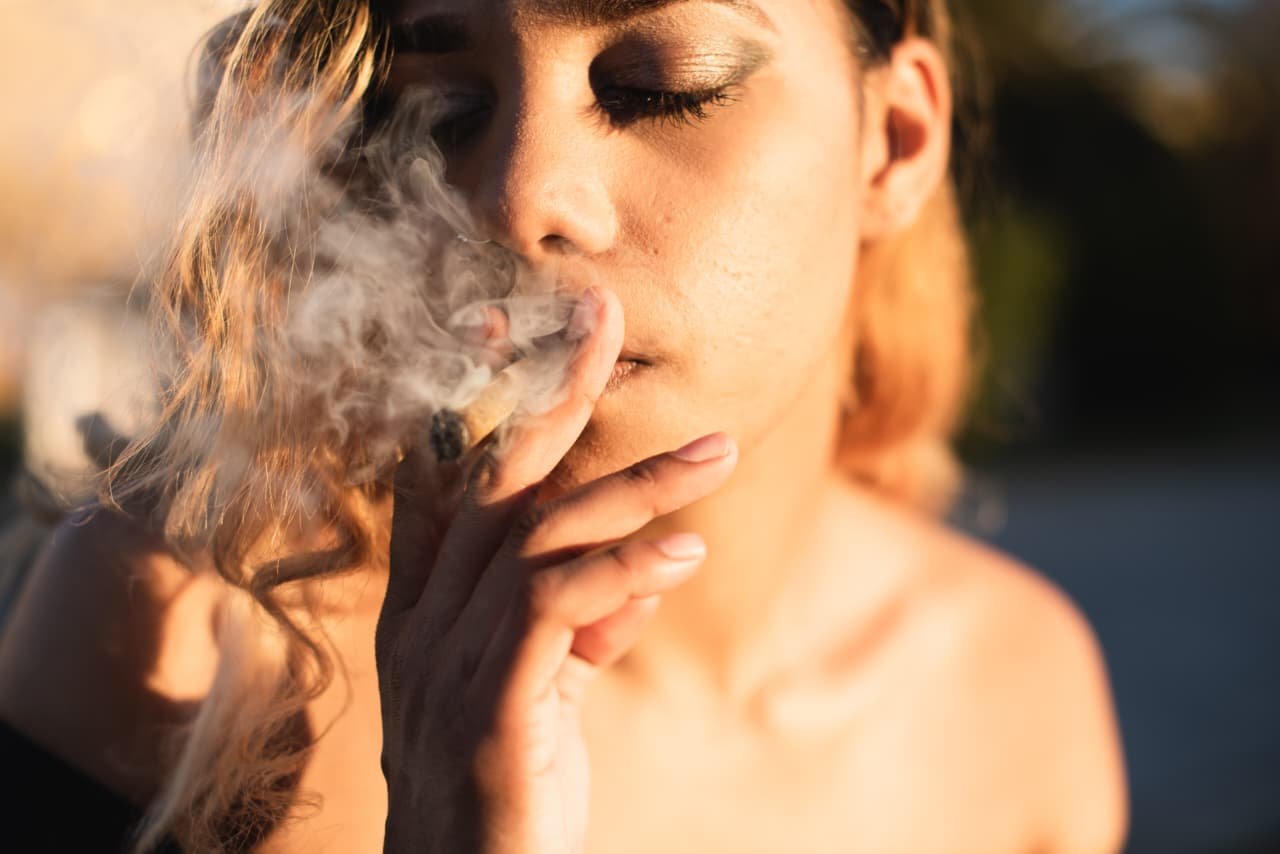
How Smoking Weed Affects Your Body During a Workout….see more>>>

 Maximising performance and boosting enjoyment in exercise is a continual pursuit for athletes, gym rats and joggers alike. From well planned-out exercising regimens to carefully curated diets, fitness enthusiasts and professionals are always seeking fresh, new ways to push their limits and unlock their full potential. However, as the legal landscape surrounding smoking weed continues to evolve and societal perceptions shift, fitness enthusiasts have been exploring the benefits of smoking weed as part of their exercising regime. But is it merely a passing fad, or does cannabis genuinely possess the capacity to enhance athletic performance and overall exercise experience? Advertisement A Different Kind of High: Cannabis and the Runner’s High Credit: Pexels While the research is extremely inconclusive as to whether smoking weed improves performance, there have been positive reviews on its effectiveness on improving mental fortitude and motivation for doing exercise. Some individuals report that working out while high on weed can enhance their focus, reduce anxiety, and amplify their enjoyment of the activity. Cannabis has come to the forefront as a potential shortcut to a similar state of elevated mood and altered perception. Jessamyn Stanley, a yoga teacher, body positivity advocate, and writer, emphasizes the mental benefits of smoking or ingesting weed before a workout. “Using weed before a workout is a great way to get out of your head about what’s to come,” she explains. The anticipation of a challenging workout can often be a barrier to entry, draining emotional energy and leading to negative associations with exercise. By quieting the mental chatter and fostering a sense of ease, cannabis may help individuals overcome this hurdle and approach their workouts with a more positive mindset. The Potential Benefits: Mood, Focus, and Pain Relief Credit: Pexels Some proponents suggest that cannabis may possess properties that can directly enhance athletic performance and recovery. One such benefit is mood enhancement, as smoking weed is well-known for its mood-altering effects attributed to the psychoactive compound tetrahydrocannabinol (THC). By stimulating the release of dopamine, a neurotransmitter associated with pleasure and reward, THC can induce feelings of euphoria, relaxation, and reduced anxiety. This mood boost can make exercise feel less like a chore and more like an enjoyable activity, potentially increasing adherence and motivation. While THC can sometimes impair cognitive function, some individuals report that it can also enhance focus and concentration, particularly when engaged in repetitive or monotonous activities. This heightened focus can be particularly beneficial for activities like long-distance running or cycling, where mental endurance is important. Pain relief is another potential benefit, as cannabis has been used for centuries as a pain reliever. By interacting with the body’s endocannabinoid system, cannabis can reduce pain perception and inflammation, allowing individuals to push through discomfort and exercise for longer durations. Furthermore, Dr. Gary Starr, MD, medical director of FOCUS, an international non-profit working toward developing cannabis quality management standards, suggests that marijuana might reduce the inflammation response in the body after a heavy workout. The Scientific Evidence: A Mixed Bag Credit: Pexels While there are positive personal anecdotes and experience from those who’ve smoked weed for exercising, the scientific evidence regarding the effects of smoking weed on exercise remains limited and inconclusive. A 2017 study published in the Journal of Science and Medicine in Sport found that while pot probably doesn’t physically improve your athletic performance, it may be excellent for getting your mind in the game. A survey published in the journal Nature found that approximately 70% of respondents living in states where recreational cannabis is legal reported that being high on pot made working out more enjoyable.This survey has also revealed that individuals who used cannabis before or after exercise spent more time working out than those who did not. However, it is important to acknowledge the limitations of these studies. Observational studies can only establish correlations, not causation, and the small sample sizes in many of these studies make it difficult to generalize the findings to larger populations. Read More: Cannabis Use Linked to Epigenetic Changes, Study Shows The Risks and Considerations: Heart Rate, Hydration, and Dose Credit: Pexels Before you start puffing the magic dragon, there are a couple of risks of smoking weed to take into consideration. Cannabis is known to increase heart rate, which can be particularly problematic for individuals with underlying heart conditions or arrhythmias. Additionally, THC can impair coordination and judgment, increasing the risk of exercise-related injuries, making caution and the avoidance of activities requiring precise movements essential. Dehydration is another concern, as highlighted by Meryl Montgomery, co-founder of Barbari, who emphasizes the importance of staying hydrated due to THC’s impact on glucose metabolism. Finally, determining the appropriate dosage is highly individual, depending on factors like body weight, tolerance, and cannabis strain, with a low-and-slow approach generally recommended. CBD: A Non-Psychoactive Alternative Credit: Pexels For those seeking the potential benefits of cannabis without the psychoactive effects of THC, cannabidiol (CBD) offers a promising alternative. CBD is a non-intoxicating compound found in cannabis that has been shown to possess a variety of therapeutic properties, including pain relief, anxiety reduction, and anti-inflammatory effects. Kendra Freeman, president of business development and product development at Mendi, a CBD company for athletes, suggests that adding some CBD to the mix may be beneficial, especially for those who are unsure about how their body reacts to THC. CBD won’t make you all floaty the way THC will, so you might find yourself able to focus on your workout more. Conclusion: Proceed with Caution and Awareness Credit: Pexels If you’re considering smoking weed as part of your exercise routine, it’s important to proceed with caution and awareness. Start with a low dose, pay attention to your body’s signals, and avoid activities that require precise movements or quick reflexes. It’s also essential to consult with a healthcare professional to discuss any potential risks or interactions with underlying health conditions or medications.