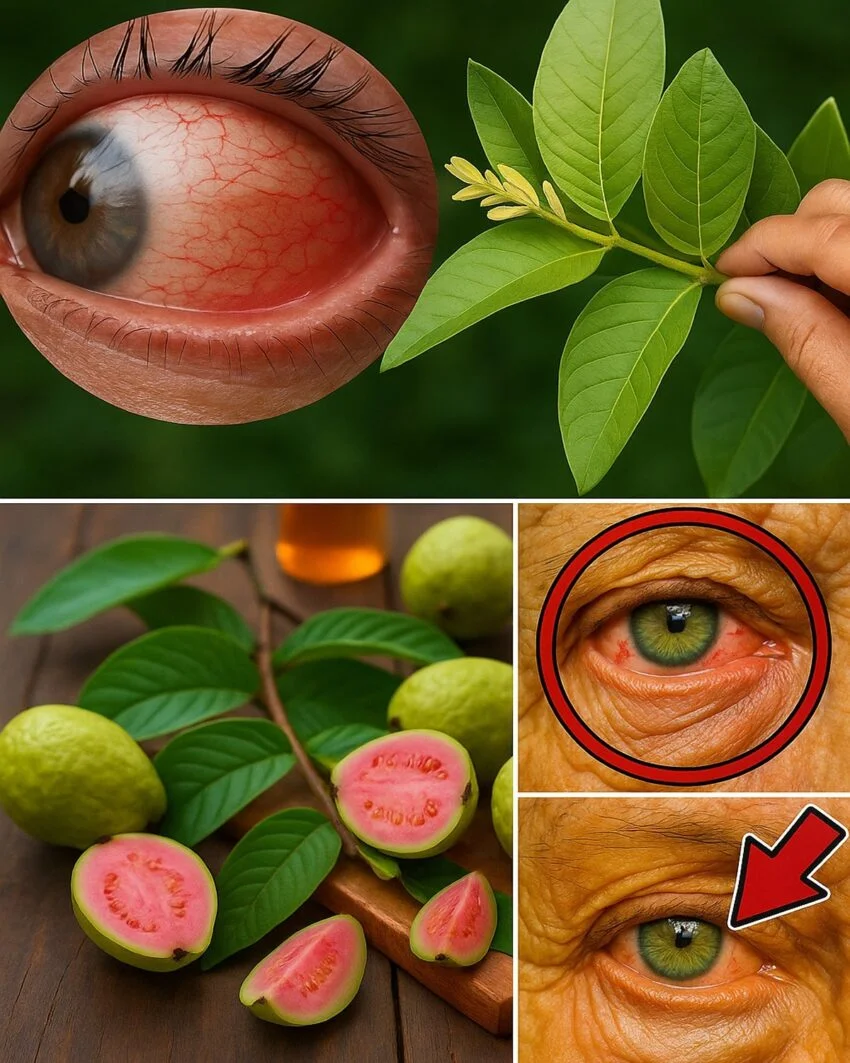
How Guava Benefits Eye Health (Through Consumption)
Guava is a powerhouse of nutrients essential for good vision and preventing age-related eye problems. Here’s a breakdown of the key components:
Vitamin A & Beta-Carotene: Guava is rich in Vitamin A and its precursor, beta-carotene. Vitamin A is vital for:
Low-Light Vision: It is a component of rhodopsin, a protein in your eyes that allows you to see in low-light conditions. A deficiency can lead to night blindness.
-
-
Protecting the Cornea: It helps maintain a clear cornea.
-
-
Vitamin C: Guava is one of the richest natural sources of Vitamin C, even higher than oranges.
-
Antioxidant Protection: Vitamin C is a powerful antioxidant that helps protect the eyes against damage from free radicals.
-
Collagen Production: It aids in the production of collagen, a protein that provides structure to the sclera (the white of the eye) and cornea.
-
Reduces Cataract Risk: Studies have shown that adequate Vitamin C intake can help lower the risk of developing cataracts.
-
-
Lycopene: This antioxidant gives pink guava its color.
-
It helps protect the eyes from oxidative stress, which is linked to age-related macular degeneration (AMD).
-
-
Lutein and Zeaxanthin: These are often called the “eye vitamins.”
-
They accumulate in the retina (specifically the macula) and act as a natural sunblock, filtering harmful blue light.
-
They are strongly linked to a reduced risk of chronic eye diseases, including AMD and cataracts.
-
Natural Guava Remedies (Safe and Unsafe)
Here’s how to distinguish between safe dietary practices and unsafe topical applications.
✅ SAFE: Beneficial Dietary Practices
The safest and most effective way to use guava for your eyes is to eat it.
-
Eat Fresh, Ripe Guava: Simply slice and eat the fruit as a healthy snack.
-
Guava Smoothie: Blend guava with other eye-healthy fruits like bananas (for potassium) and a handful of spinach (for more lutein).
-
Guava Leaf Tea (for General Antioxidant Support): While the leaves don’t have the same profile as the fruit, guava leaf tea is a healthy, antioxidant-rich beverage that contributes to overall wellness, which indirectly supports all bodily functions, including eye health.
❌ UNSAFE & RISKY: Topical Folk Remedies
These are common in traditional talk but are not recommended by medical professionals due to the high risk of infection and injury.
-
Putting Guava Leaf Extract in the Eyes: Steeping leaves in water does not create a sterile solution. It can be contaminated with bacteria, fungi, or debris from the leaf.
-
Applying Guava Pulp or Juice to the Eyes: As mentioned, this is a direct route to introducing irritants and pathogens.
-
Using Guava Leaf Water as an Eyewash: This is not sterile saline and should never be used to rinse the eyes.
What to Do for Common Eye Problems
If you are experiencing eye issues, here are safe and recommended approaches:
-
For Eye Strain and Fatigue:
-
Follow the 20-20-20 rule: Every 20 minutes, look at something 20 feet away for 20 seconds.
-
Ensure proper lighting when reading or using screens.
-
Use artificial tears (over-the-counter lubricating eye drops) to refresh dry eyes.
-
-
For Pink Eye (Conjunctivitis), Styes, or Infections:
-
Consult a doctor or ophthalmologist. Self-treating with natural remedies can worsen the condition.
-
A doctor can prescribe antibiotic or antiviral drops if necessary.
-
Apply a clean, warm compress by using a washcloth soaked in warm (not hot) water. Wring it out and place it over your closed eyelid. This is a safe and effective method to soothe styes and mild irritation.
-
Conclusion
Guava is a fantastic fruit for supporting long-term eye health due to its rich content of Vitamin A, Vitamin C, and antioxidants like lycopene, lutein, and zeaxanthin. The correct way to harness its power is by making it a regular part of your diet.
However, never apply guava or its leaves directly to your eyes. For any specific eye problem like infection, pain, or persistent redness, always seek professional medical advice from a doctor or ophthalmologist. They can provide a proper diagnosis and safe, effective treatment.
