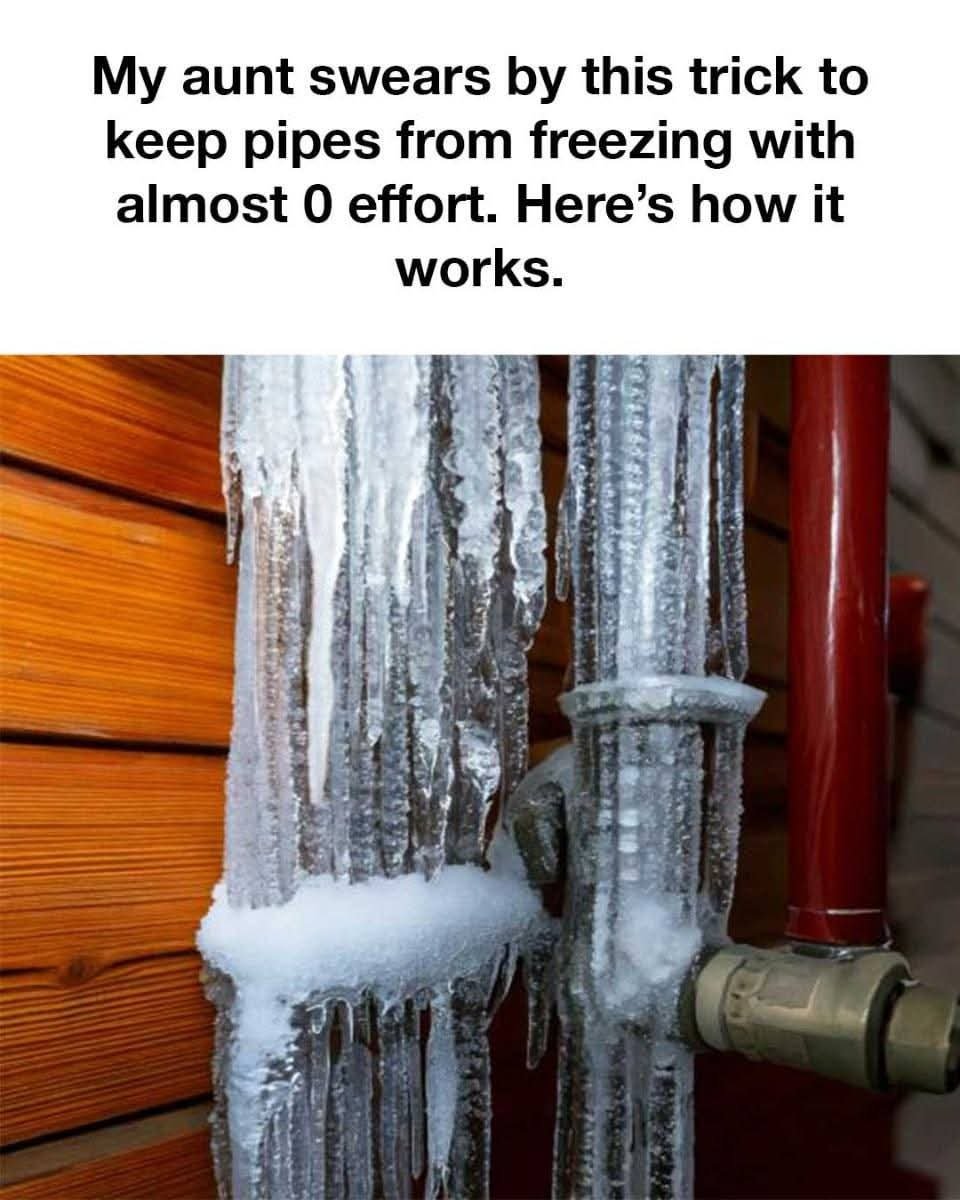
How the method works (or doesn’t)1. Continuous drip: A slight flow prevents static water from turning to ice inside the pipe.
2. Limitations: The drip must be reliable; if the flow stops, ice can still form and burst the pipe.
3. Energy use: Leaving a faucet running wastes water and may increase utility bills.
4. Better alternatives: proper insulation, heating tape, or draining the system are more effective and safer long‑term solutions.
Practical tips to prevent pipe freezing- Insulate exposed pipes with foam sleeves or wrapping.
– Seal gaps in walls or foundations where cold air can reach pipes.
– Use thermostat‑controlled heat tape on vulnerable sections.
– Drain outdoor or unused pipes before winter if feasible.
The “aunt’s trick” can work in a pinch, but relying on a simple drip isn’t a foolproof fix. Proper insulation and preventive maintenance give better protection against burst pipes in cold weather.
Want to know more about choosing the right insulation for your climate?
