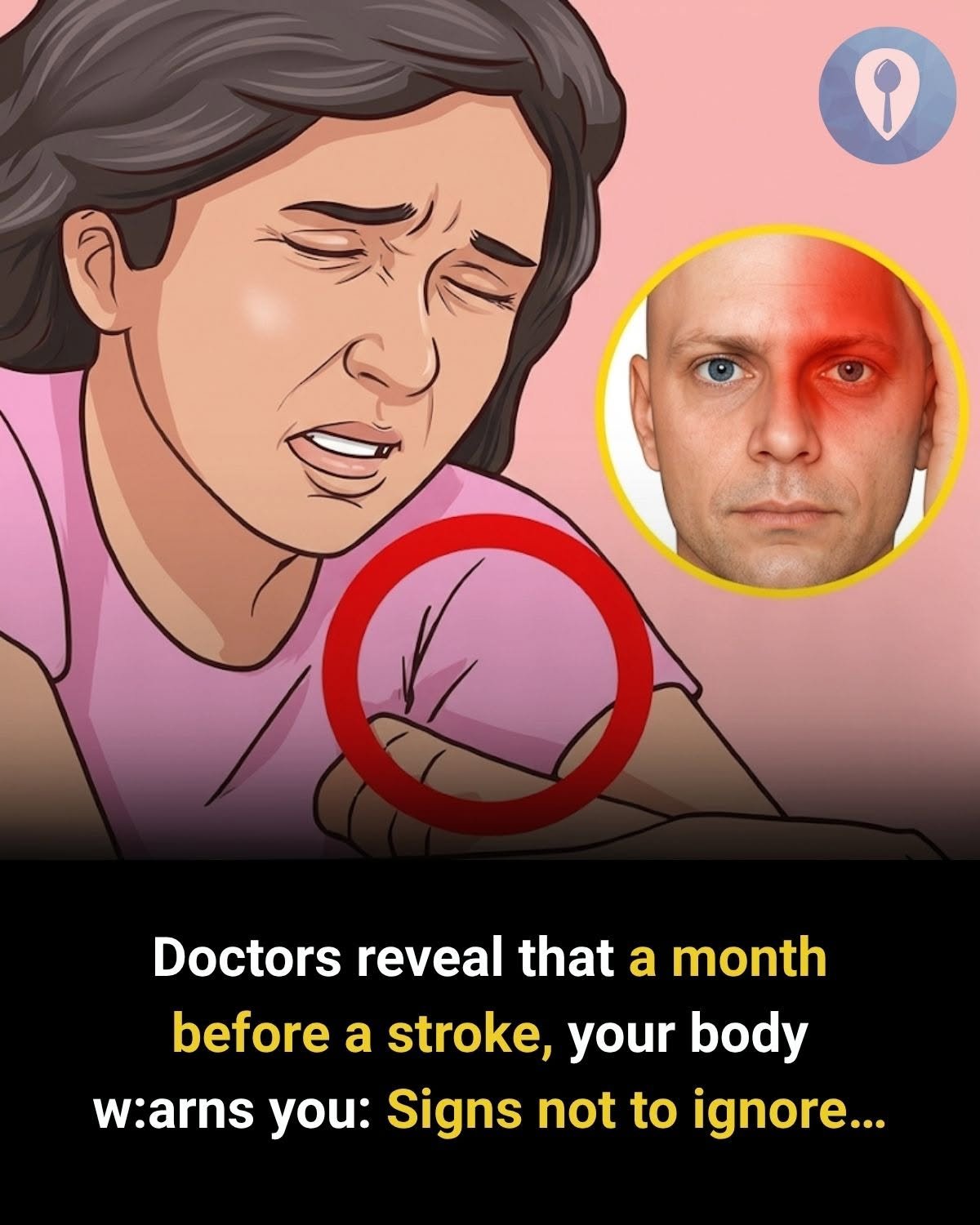
Your Body Could Be Warning You Up to a Month Before a Heart Attack: 9 Symptoms Women Should Never Ignore
Heart disease remains one of the leading causes of death worldwide, yet many people still believe that a heart attack always begins with sudden, crushing chest pain.
Medical research suggests otherwise—especially for women.
Over the past few decades, scientists have discovered that women often experience very different warning signs before a heart attack. In many cases, symptoms appear weeks before the actual cardiac event, giving the body an opportunity to signal that something is wrong.
A landmark study published in the journal Circulation examined 515 women who had experienced heart attacks and found that nearly 80% reported at least one warning symptom more than a month before the attack occurred.
Surprisingly, chest pain was not the most common symptom reported.
Instead, many women described experiencing unusual fatigue, sleep problems, anxiety, and other seemingly unrelated health issues that were easy to dismiss.


Many women experience subtle symptoms weeks before a heart attack, often mistaking them for stress or exhaustion.
1. Unusual Fatigue
One of the most commonly reported early warning signs is overwhelming fatigue.
This isn’t the normal tiredness that follows a busy day. Women in the study described feeling exhausted by routine activities such as walking, climbing stairs, making the bed, or carrying groceries.
If persistent fatigue suddenly appears without a clear explanation, it may warrant medical attention.
2. Sleep Disturbances
Difficulty falling asleep, staying asleep, or waking up feeling unrested may be another warning sign.
Many women reported significant changes in sleep patterns in the weeks leading up to a heart attack.
Although sleep problems can have many causes, sudden or unexplained changes should not be ignored.
3. Anxiety or a Sense of Doom
Some women reported intense anxiety, nervousness, or a persistent feeling that something was wrong.
Doctors say this symptom can sometimes occur because reduced blood flow to the heart triggers physiological changes that affect the nervous system.
4. Shortness of Breath
Breathlessness during normal daily activities may indicate that the heart is struggling to pump blood effectively.
If simple tasks suddenly leave you winded, especially when combined with other symptoms, medical evaluation is recommended.
5. Indigestion or Stomach Discomfort
Many women mistake heart attack symptoms for digestive issues.
Nausea, indigestion, bloating, or stomach pain may occur before or during a heart attack, making it easy to assume the problem is related to food or the digestive tract.


Heart attack symptoms in women often extend beyond chest pain and may resemble common digestive or respiratory issues.
6. Pain in the Back, Neck, Jaw, or Shoulders
Unlike the classic image of chest pain radiating down the left arm, women are more likely to experience discomfort in the neck, jaw, shoulders, upper back, or even between the shoulder blades.
This pain may come and go or gradually worsen over time.
7. Dizziness or Lightheadedness
Feeling faint, dizzy, or suddenly unsteady can occur when blood flow to the brain becomes compromised.
While dizziness is common and often harmless, persistent or unexplained episodes should not be overlooked.
8. Sweating Without a Clear Cause
Breaking out in a cold sweat despite not exercising or being in a hot environment can be an important warning sign.
Many women describe sudden episodes of clammy skin or excessive perspiration shortly before a heart attack.
9. Chest Discomfort
Although chest pain is not always the most prominent symptom in women, it remains one of the most important warning signs.
The sensation may feel like pressure, tightness, fullness, squeezing, burning, or discomfort rather than sharp pain.
Any new or unexplained chest discomfort should be taken seriously.


Experts say women should not wait for severe chest pain before seeking medical attention.
Why Many Women Delay Seeking Help
Researchers found that many women fail to recognize these symptoms as potential signs of a heart attack.
In a survey published in Circulation, only 65% of women said they would call emergency services if they believed they might be having a heart attack.
Experts warn that delaying treatment can significantly increase the risk of severe heart damage or death.
When to Seek Emergency Care
Doctors emphasize that anyone experiencing symptoms that feel unusual, persistent, or significantly different from their normal state of health should seek immediate medical attention.
Even if you’re uncertain whether your symptoms are heart-related, it is safer to be evaluated than to ignore potential warning signs.
Health professionals also encourage patients to seek a second opinion if they feel their concerns have not been adequately addressed.
The Bottom Line
A heart attack rarely comes completely without warning. For many women, the body begins sending subtle signals weeks before a major cardiac event occurs.
Unusual fatigue, sleep disturbances, anxiety, shortness of breath, digestive issues, unexplained sweating, dizziness, pain in the neck or jaw, and chest discomfort may all be early signs that should never be ignored.
Recognizing these symptoms early—and seeking prompt medical attention—could save a life.
