
A healthy vagina naturally has a mild scent that can change throughout the month. Hormones, sweat, sexual activity, and the balance of beneficial bacteria all influence vaginal odor. Because of this, not every change in smell is a sign that something is wrong.
One odor that many women notice is a slightly sour or tangy smell. In many cases, this scent is completely normal and reflects the vagina’s naturally acidic environment. However, if the odor becomes unusually strong or is accompanied by other symptoms, it could indicate an underlying condition that deserves medical attention.
Understanding what different odors may mean can help you recognize when everything is functioning normally—and when it may be time to see a healthcare provider.
Here are 4 common reasons why your vagina may have a sour smell and what each one could mean.
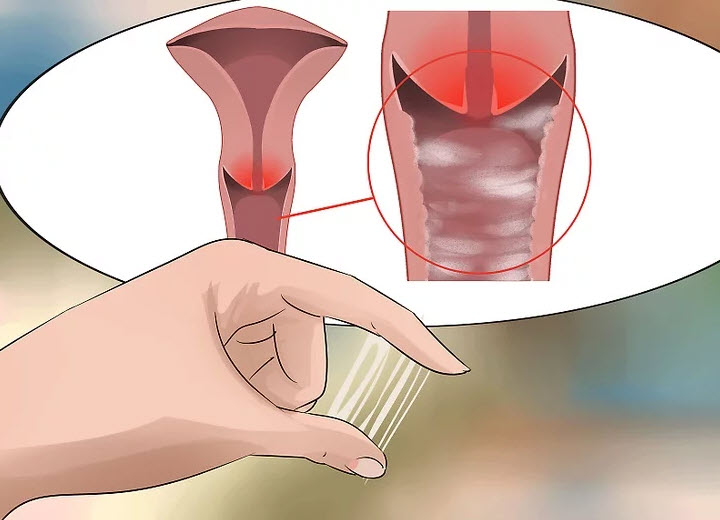
Why Does the Vagina Have a Natural Scent?
The vagina is home to billions of beneficial bacteria, primarily Lactobacillus species. These bacteria help maintain a healthy vaginal environment by producing lactic acid.
This acidic environment usually has a pH between 3.8 and 4.5, which helps:
- Prevent harmful bacteria from multiplying
- Reduce the risk of certain infections
- Maintain the natural balance of the vaginal microbiome
Because of this acidity, many healthy women describe their normal vaginal odor as:
- Slightly sour
- Tangy
- Mildly fermented
- Musky
A faint sour smell alone is often a normal finding.
Reason #1: A Healthy Acidic pH
One of the most common reasons for a mild sour smell is simply that your vagina is healthy.
The beneficial Lactobacillus bacteria produce lactic acid, which keeps the vaginal environment acidic.
This acidity:
- Supports healthy bacteria
- Discourages harmful microorganisms
- Helps protect against infections
Just as yogurt has a slightly tangy smell because of lactic acid, a healthy vagina may also have a mild acidic scent.
What is considered normal?
A healthy vaginal odor usually:
- Is mild rather than overpowering
- Varies throughout the menstrual cycle
- Changes slightly after exercise
- Changes after sexual activity
- Returns to normal without treatment
If there is no itching, pain, burning, unusual discharge, or irritation, a mild sour odor is usually not a cause for concern.
Reason #2: Sweat and Daily Activities
The vulva contains many sweat glands.
During:
-
- Exercise
-
- Hot weather
- Tight clothing
- Stress
- Long workdays
Sweat mixes with:
- Natural skin bacteria
- Vaginal secretions
- Sebum
- Moisture
This combination may temporarily produce a stronger sour or musky smell.
This does not necessarily mean there is an infection.
How to reduce odor naturally
Simple habits may help:
- Change out of sweaty clothing promptly.
- Wear breathable cotton underwear.
- Avoid staying in wet swimsuits for long periods.
- Gently wash the vulva with warm water during your daily shower.
- Change underwear daily.
Strong soaps, scented washes, and perfumes are usually unnecessary and may actually disrupt the natural balance of the vaginal microbiome.
Reason #3: Hormonal Changes Throughout the Menstrual Cycle
Hormones affect nearly every aspect of vaginal health.
Changes in estrogen levels during:
- Ovulation
- Menstruation
- Pregnancy
- Breastfeeding
- Perimenopause
- Menopause
can influence:
- Vaginal discharge
- Moisture
- pH
- Natural odor
For example:
Before ovulation
Discharge often becomes:
- Clear
- Slippery
- Stretchy
The odor may become slightly stronger.
During menstruation
Blood has a different pH than the vagina.
As menstrual blood mixes with vaginal bacteria, odor may temporarily change.
During pregnancy
Hormonal shifts increase blood flow and vaginal secretions.
