Is It True That Garlic Kills 14 Types of Bacteria and 13 Types of Infections?
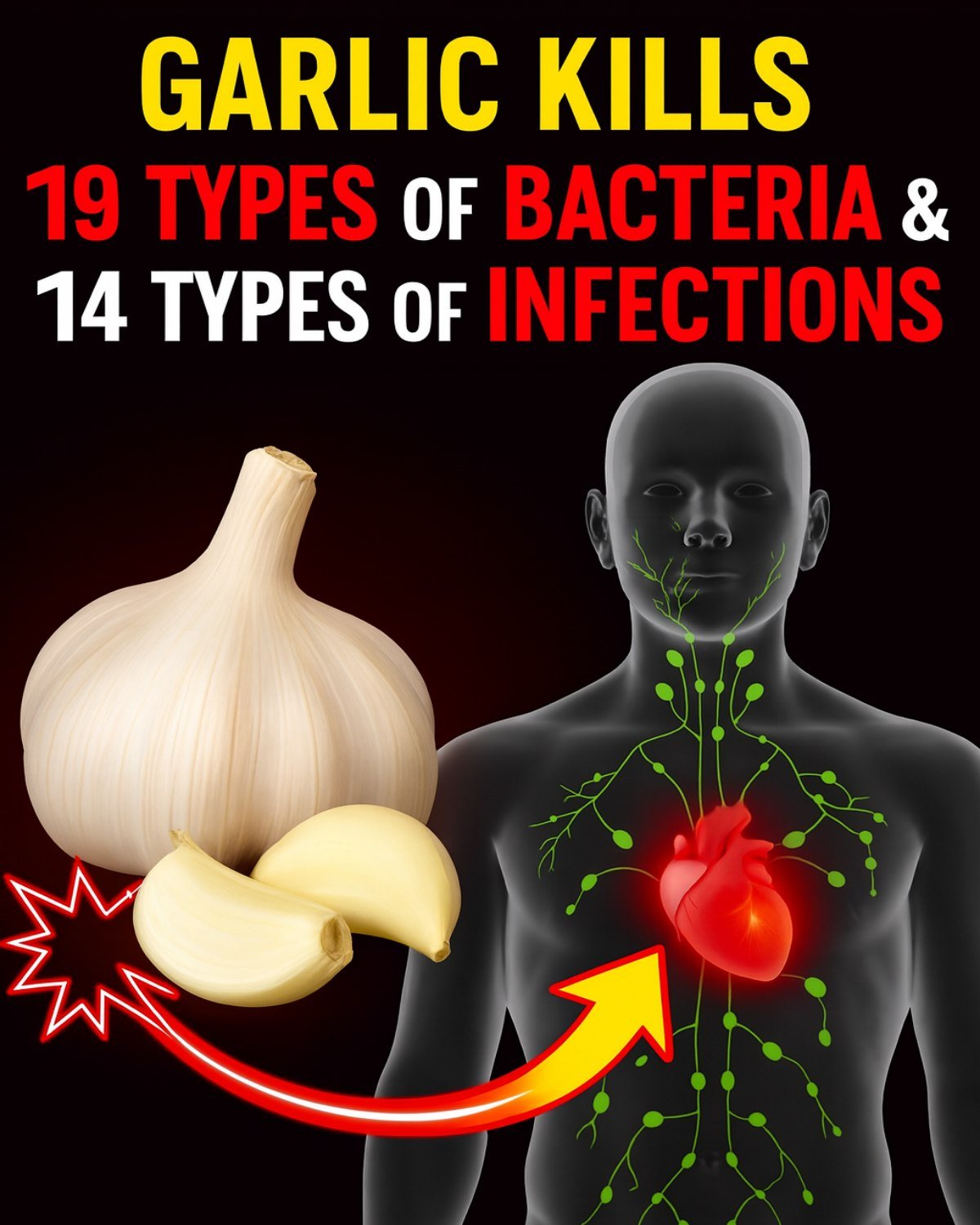
Garlic has been used for centuries as a natural remedy, and many claims circulate online about its “superpowers,” including the idea that it kills 14 types of bacteria and 13 types of infections.So, what does science really say? ⭐ 1. Garlic Has Real Antibacterial Properties Garlic contains allicin, a powerful natural compound created when fresh garlic is crushed or chopped.Laboratory studies show that allicin can: Slow down bacterial growth Damage bacterial cell walls Help the body fight infections Some bacteria affected by garlic in lab conditions include: E. coli Salmonella Staphylococcus aureus Helicobacter pylori (linked to stomach ulcers) Klebsiella species 👉 This means garlic really does have antibacterial activity, but… ⚠️ 2. The “14 bacteria, 13 infections” claim is exaggerated There is no official scientific list that says garlic kills exactly “14 bacteria and 13 infections.”This number usually comes from viral posts or alternative-health websites, not medical research. Garlic can help support the body’s fight against microbes, but it is not a replacement for medical treatment. ⭐ 3. Garlic Has Antifungal & Antiviral Effects Too Some studies show benefits against: Candida (yeast infections) Fungal skin infections Certain viruses (like the common cold) But again, these results come from lab studies — meaning garlic works well in a petri dish, not necessarily as a cure inside the human body. 📌 4. How Garlic Helps in Real Life
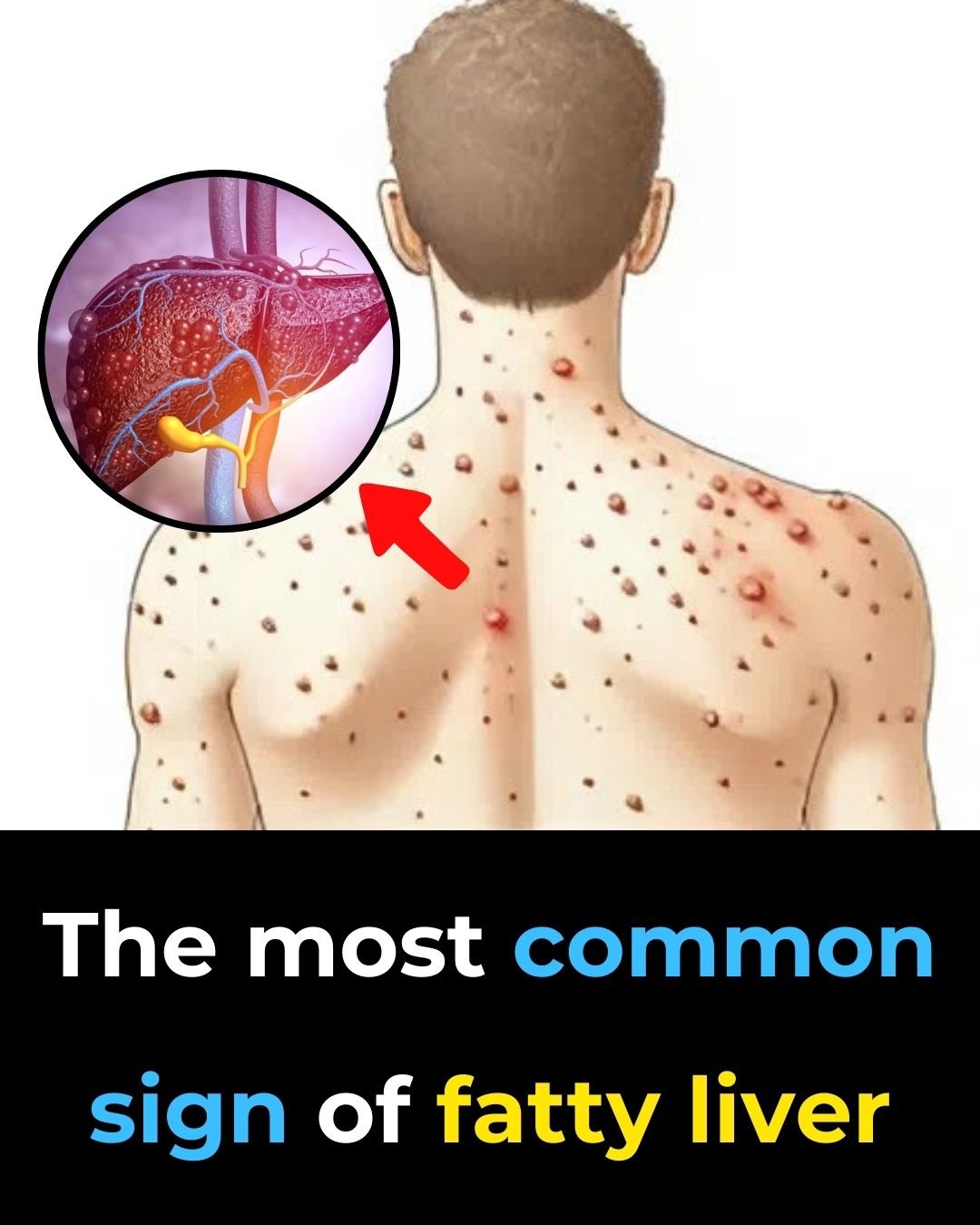
Fatty Liver: Causes, Symptoms, Treatment & Home Remedies

Fatty Liver: Causes, Symptoms, Treatment & Home Remedies Fatty liver, also known as hepatic steatosis, is a condition where excess fat builds up in the liver. Here’s what you need to know: Causes of Fatty Liver – Obesity: Excess body fat, especially around the waist – Insulin Resistance: Type 2 diabetes or prediabetes – Excessive Alcohol Consumption: Heavy drinking can lead to alcoholic fatty liver disease – Poor Diet: High sugar, salt, and unhealthy fat intake – Lack of Exercise: Sedentary lifestyle – Genetics: Family history of fatty liver or other liver diseases Symptoms of Fatty Liver – Fatigue: Feeling tired or weak – Abdominal Pain: Pain or discomfort in the upper right abdomen – Weight Loss: Unexplained weight loss – Nausea and Vomiting: Feeling sick or vomiting – Jaundice: Yellowing of the skin and eyes (in severe cases)

No one should die of cancer, let alone lose their sight. That’s why I’m going to share a recipe to remove all the cancer cells from your body and prevent vision loss.

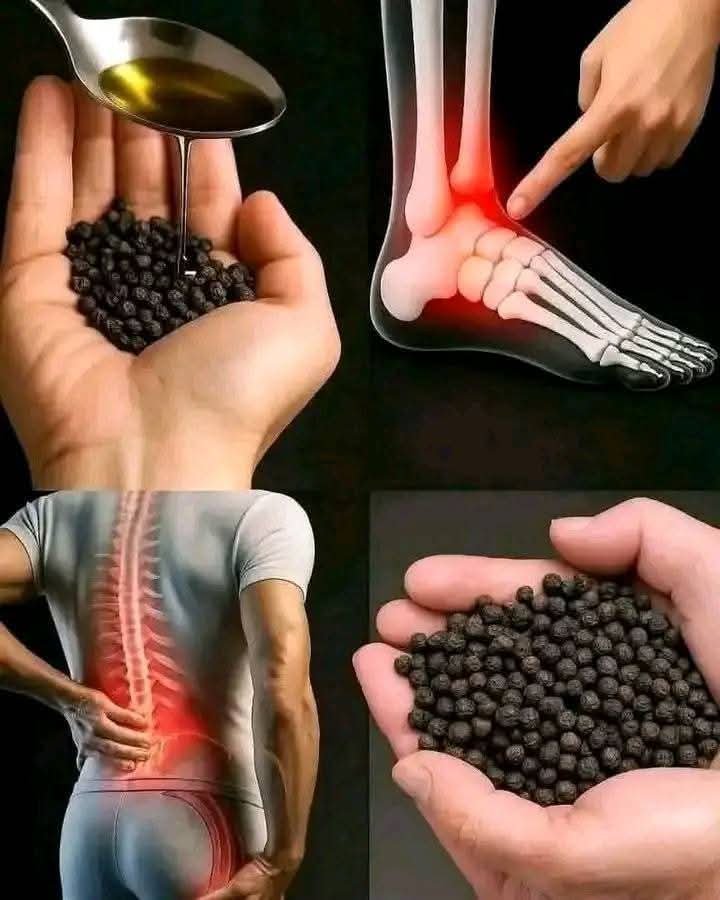
Nature’s Remedy for Joint and Back Pain? Exploring the Potential of Black SeedsThe image depicts a compelling narrative about the potential benefits of black seeds (often referred to as black cumin or Nigella sativa) in alleviating joint and back pain. Let’s break down what the visuals suggest and explore the topic further. What Does the Image Show?- Top Left: A hand holding black seeds with oil being poured from a spoon, hinting at the use of black seed oil. – Top Right: A graphic of a foot with a highlighted painful ankle joint, suggesting relief for joint pain. – Bottom Left: A person experiencing back pain (highlighted in red on the spine), implying the seeds may help with back issues. – Bottom Right: A hand holding a handful of black seeds, emphasizing their potential as a natural remedy. Potential Benefits of Black Seeds for Pain ReliefBlack seeds have been used in traditional medicine for centuries, particularly in regions like Pakistan and other parts of South Asia and the Middle East. Some people believe they offer benefits for: – Joint Pain: Anti-inflammatory properties in black seed oil might help reduce pain in joints like the ankle. – Back Pain: The seeds are thought to have analgesic and anti-inflammatory effects that could soothe lower back pain. Traditional Use and ResearchIn Pakistan and other countries, Nigella sativa is often used in herbal remedies. Some studies suggest: – Black seed oil contains thymoquinone, which has anti-inflammatory and antioxidant properties. – Traditional practitioners use it for various ailments, including pain management. Important Considerations- Consult a Doctor: Before using black seeds or their oil for pain relief, consult a healthcare professional, especially if you have existing conditions or take medications. – Not a Cure-All: While some people report benefits, scientific evidence is still evolving. Pain management should be approached holistically. ConclusionThe image highlights black seeds as a potential natural remedy for joint and back pain. While traditional use supports this idea, users in Pakistan or elsewhere should balance traditional wisdom with modern medical advice. If you’re considering using black seeds for pain relief, speak to a healthcare provider to understand the best approach for your needs.

“Clove Soak: A Natural Remedy for Relaxation and Wellness”

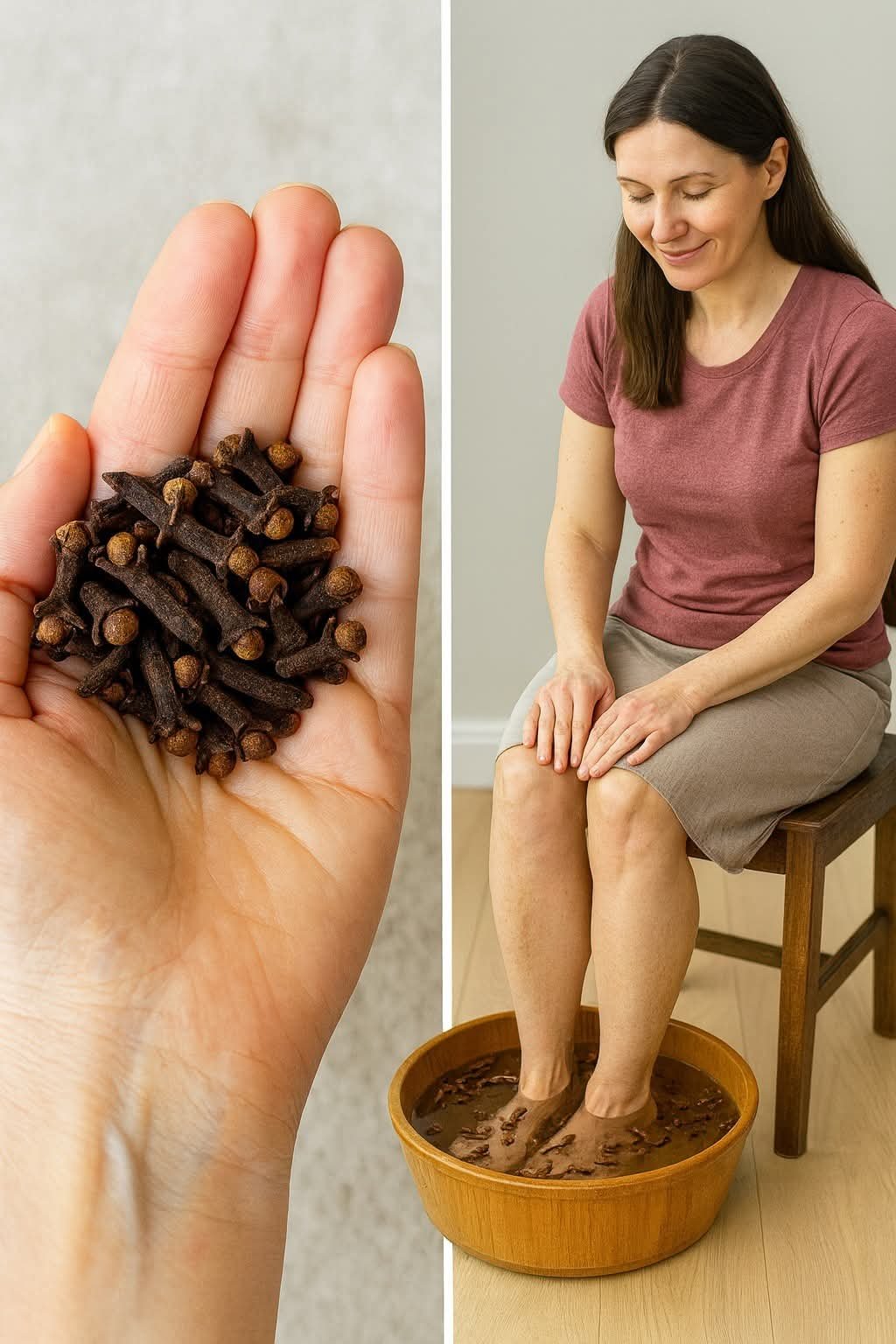
“Clove Soak: A Natural Remedy for Relaxation and Wellness” In the pursuit of natural wellness and relaxation techniques, sometimes the simplest methods yield the most profound benefits. The image here showcases a serene moment of self-care involving cloves, a spice renowned for its aromatic and medicinal properties. On one side of the image, a hand crades a handful of cloves, those dark brown, nail-shaped buds that pack a punch of flavor and fragrance in culinary and therapeutic uses alike. Cloves are a staple in many cuisines, particularly in Pakistani and Indian cooking, adding warmth and depth to dishes like biryanis and masalas. Beyond their culinary use, cloves have been valued in traditional medicine for their analgesic, anti-inflammatory, and antimicrobial properties. On the other side of the image, a woman is seen soaking her feet in a wooden bowl filled with water infused with cloves. This practice speaks to the use of cloves in aromatherapy and natural remedies for relaxation and pain relief. Soaking feet in a clove-infused bath can be a soothing experience, potentially helping to ease foot pain, reduce stress, and promote a sense of calm. The aroma of cloves can also contribute to a meditative atmosphere, enhancing the overall experience of relaxation. In Pakistan, where traditional remedies often blend with modern wellness practices, using cloves for therapeutic purposes aligns with a growing interest in holistic health. Whether for culinary delight or therapeutic soak, cloves offer a natural way to enhance well-being. In conclusion, the simple act of using cloves for a foot soak as depicted can be a moment of peace in a busy day, leveraging the natural benefits of this spice for overall wellness.

Article: “Unlocking a Senior’s Secret: The Power of a Simple Ingredient”

Article: “Unlocking a Senior’s Secret: The Power of a Simple Ingredient” A curious image circulating online claims that “99% OF SENIORS DON’T KNOW” about a certain ingredient that they should “EAT THIS AS SOON AS POSSIBLE.” The image juxtaposes two striking visuals: an elderly man consuming a spoonful of a white powder, and a close-up of an arm with a red circle highlighting a specific area, possibly indicating a health benefit related to joint or muscle health. A smiling doctor in a white coat is superimposed at the bottom center, gesturing outward as if presenting or recommending something. The caption at the bottom of the image teases “RECIPE IN THE COMMENTS,” suggesting that followers should check the comments section for details on this mysterious ingredient. However, without explicit information on what the white powder is or the specifics of the “recipe,” the claim remains somewhat ambiguous. Possible Interpretations1. Health Benefits for Seniors: The emphasis on seniors and the involvement of a doctor imply that the ingredient might have health benefits particularly relevant to older adults, such as improving joint health, bone density, or addressing a common deficiency. 2. Mystery Ingredient: The lack of clarity on the ingredient sparks curiosity. Common white powders with health implications include supplements like calcium, vitamin D, or other dietary additives often recommended for seniors. 3. Engagement-Driven Content: The format—urging viewers to check comments for a recipe—is typical of clickbait or engagement-driven social media posts, aiming to increase interaction. ConclusionWhile the image hints at a potentially beneficial ingredient for seniors with a sense of urgency (“EAT THIS AS SOON AS POSSIBLE”), without knowing the specific ingredient or having more context, it’s challenging to validate the claim. Seniors or anyone interested in health tips should consult healthcare professionals before adding new supplements or ingredients to their diet. The true “recipe” or details, if genuine, would ideally come from credible health sources rather than unverified social media claims.

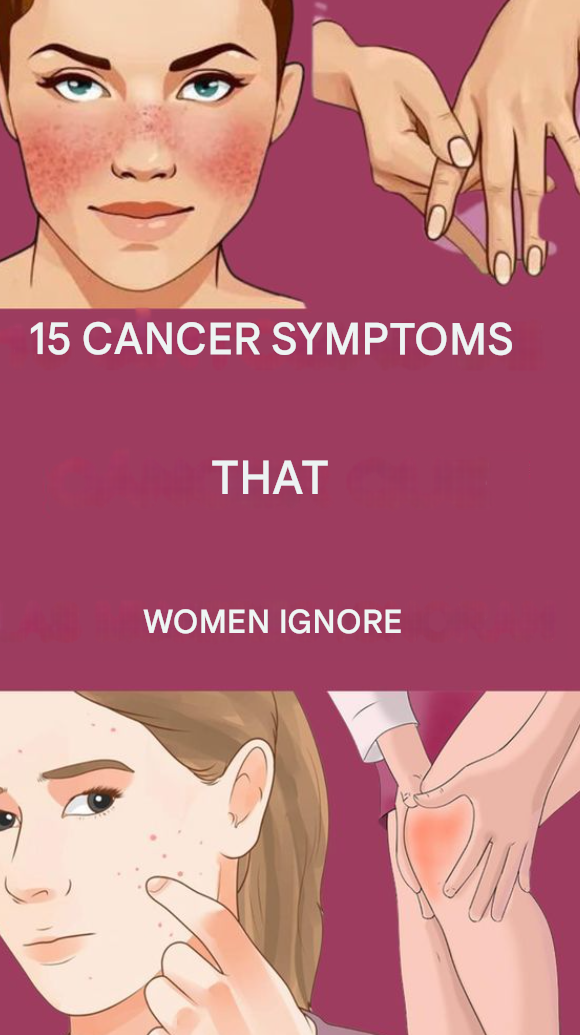
15 cancer symptoms that women ignore

Of course, some women know how to deprive themselves of something, just like men. “There are people who deliberately ignore cancer symptoms,” says oncologist Hannah Linden, a member of the Fred Hutchinson Cancer Research Center and an adjunct professor at the University of Washington School of Medicine in Seattle. Linden explains that the reason cancer is sometimes ignored is the cultural perception that it is an incurable disease.

Understanding the Dynamics: “8 Reasons Why A Man Won’t Touch You In Bed”

Understanding the Dynamics: “8 Reasons Why A Man Won’t Touch You In Bed” The image depicts a scenario where a man and a woman are in bed together but appear to be emotionally and physically disconnected. The woman is sitting up with her arms crossed, looking somewhat upset or concerned, while the man lies on his back with his arm over his eyes, possibly indicating stress, fatigue, or disinterest. The caption “8 REASONS WHY A MAN WON’T TOUCH YOU IN BED” suggests an exploration into the potential reasons behind a lack of physical intimacy in a relationship. Exploring the ContextPhysical touch in bed is a significant aspect of intimacy in romantic relationships. A lack of touch can lead to feelings of disconnection, confusion, or concern about the state of the relationship. Understanding the reasons behind this behavior can help in addressing the issue. Potential Reasons for Lack of TouchWhile the image doesn’t specify the exact reasons, common factors that might contribute to a man not touching his partner in bed include: 1. Stress or Fatigue: Stress from work, personal issues, or fatigue can reduce interest in physical intimacy. 2. Emotional Distance: Emotional disconnection or unresolved issues in the relationship can lead to a decrease in physical affection. 3. Health Issues: Physical or mental health problems can affect a person’s desire or ability to engage in physical intimacy. 4. Miscommunication: Lack of communication about needs, desires, or boundaries can lead to misunderstandings and reduced physical touch. 5. Relationship Dynamics: Changes in relationship dynamics, trust issues, or feelings of resentment can impact physical intimacy. 6. Personal Issues: Personal struggles, anxiety, or depression can affect one’s interest in physical closeness. 7. Lifestyle Factors: Busy schedules, lack of time together, or other lifestyle factors can reduce opportunities for intimacy. 8. Unspoken Expectations: Unmet expectations or unspoken needs regarding physical intimacy can lead to a disconnect. Addressing the Issue- Communication is Key: Openly discussing feelings, needs, and concerns about physical intimacy can help address issues. – Understanding Each Other: Recognizing and respecting each partner’s boundaries, stress levels, and emotional state is crucial. – Rebuilding Connection: Engaging in activities that promote emotional closeness and intimacy can help improve physical connection. ConclusionThe image highlights a scenario where physical intimacy seems lacking, prompting questions about the reasons behind such behavior. Relationships are complex, and physical touch is one aspect of connection between partners. Addressing concerns through open communication and understanding can help navigate issues related to intimacy in relationships.

A Beautiful, Fragrant Home Is Easy — Just Grow Cloves Using This Simple Method!

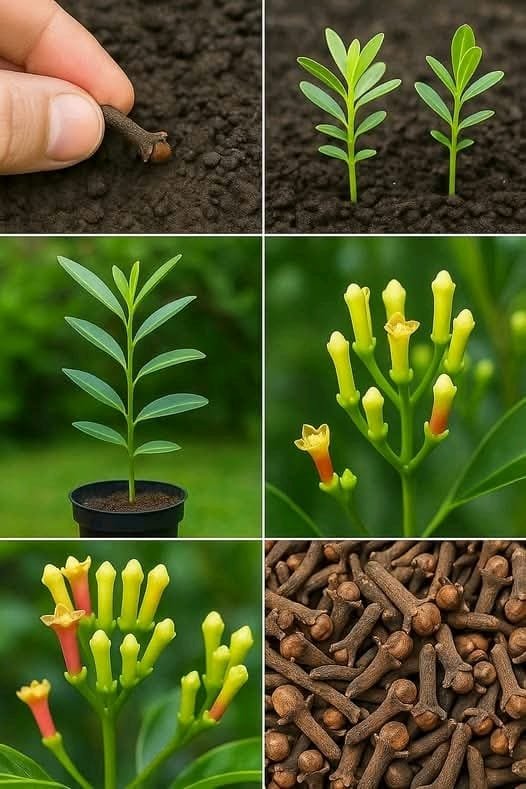
A Beautiful, Fragrant Home Is Easy — Just Grow Cloves Using This Simple Method!   Cloves are one of the most beloved spices in the world, valued for their warm aroma, distinctive flavor, and medicinal properties. While they’re often thought of as exotic imports from tropical lands, growing cloves at home is entirely possible — with a bit of patience and the right care. Whether you want to enjoy their fragrance or harvest your own spice, here’s a simple guide to cultivating cloves in your own space. 1. Understanding the Clove Plant The clove tree (Syzygium aromaticum) is a slow-growing evergreen native to Indonesia’s Maluku Islands, also known as the “Spice Islands.” It can reach up to 8–12 meters in height in its natural habitat, but when grown at home in containers, it remains much smaller — typically under 2 meters. Cloves are actually the dried flower buds of this tree. They start as small, green buds that turn pink as they mature. When harvested and dried, they become the brown, nail-shaped spice we know and love. 2. What You’ll Need to Get Started To grow cloves successfully at home, you’ll need: Fresh clove seeds: Purchase viable seeds from a reliable supplier. Avoid dried cloves from the spice rack — they won’t germinate. A large pot or container: At least 18 inches deep with good drainage. Rich, loamy soil: A mix of garden soil, compost, and sand for aeration. A warm, humid environment: Clove trees thrive in tropical conditions. Aim for temperatures between 25–35°C (77–95°F). Indirect sunlight: Cloves love bright but filtered light. 3. Germinating Clove Seeds Clove seeds are delicate and lose viability quickly, so plant them soon after purchase. Soak the seeds in lukewarm water for 24 hours to soften their outer layer. Prepare a seed tray with moist, well-draining soil. Plant the seeds about half an inch deep and cover lightly with soil. Keep the soil moist but not waterlogged — misting works well. Cover the tray with plastic wrap or a humidity dome to retain warmth and moisture. Within 2–3 weeks, tiny sprouts should begin to appear. Once the seedlings reach about 6 inches tall, they’re ready to be transplanted.

If You Ever Spot This Insect, Get Rid of It Immediately!

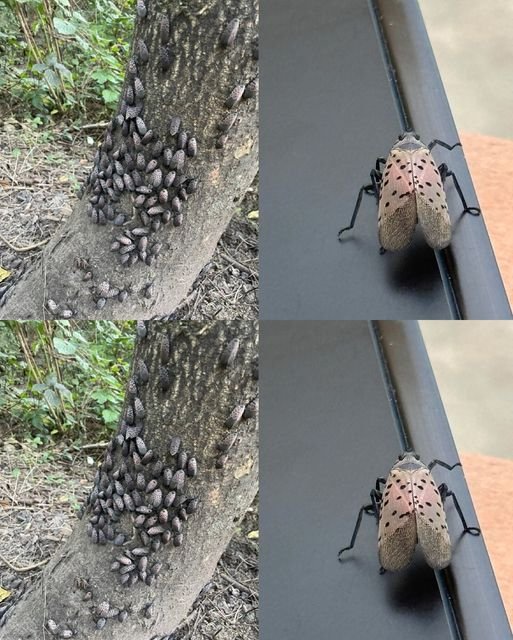
If You Ever Spot This Insect, Get Rid of It Immediately! Exterminator referral service To be honest, I’ve never really liked bugs. While many of us find insects to be intriguing and visually appealing, I believe we can all agree that some may be downright terrifying. And then there are the ones that are merely poisonous, killing out not just humans but also crops, animals, and  plants. Whenever I see an insect, I usually simply ignore it. There has to be a valid cause for me to hurt any living thing; else, I will not do it. But things alter dramatically when we consider the lanternfly, scientifically known as Lycorma delicatula. As soon as you see a lanternfly, you should probably get rid of it. Trust me when I say that I have personally dealt with these pesky insects in my own garden. Their vibrant colors and unique patterns made them nearly gorgeous as they swarmed around my beloved maple tree. These insects may not seem dangerous, but they are really rather damaging. found at Pexels Lanternflies, what are they? Despite its endearing moniker, the lanternfly is a major nuisance. Its 2014 sighting in Pennsylvania was the first American sighting of this Chinese import. It has been wreaking havoc on crops and ecosystems ever since, making its way across many states. The lanternfly is an issue for both commercial growers and those like myself who grow plants in our private gardens.

2 Spoons a Day Can Naturally Support Joint Health

2 Spoons a Day Can Naturally Support Joint Health 2 Spoons a Day Can Naturally Support Joint Health You’ve probably heard that simple, everyday habits can make a big difference. But what if something as small as two spoons could quietly support your joints, relieve stiffness, and help you stay active longer? Sounds too simple to say, right? Read on, because this small change might surprise you. As the years go by, joints often remind us they’re there—through creaking, stiffness, or a little pain when getting up. Mobility can quietly disappear, and it’s not just athletes or people with injuries that experience it. Daily tasks—carrying groceries, bending over to tie your shoes, or climbing stairs—can suddenly feel harder. Many people dismiss it as « just getting older, » but the truth is, joint health is often overlooked until discomfort becomes unavoidable. And when mobility is compromised, so can independence and self-confidence. The challenge is that joint problems don’t develop overnight. They creep in slowly. You might notice you feel stiffer in the morning, or that your muscles ache after long walks. Research shows that aging, inflammation, and lifestyle choices can all play a role. And while medications exist, many adults are looking for gentle, natural steps they can incorporate daily without side effects. The problem? With so many products and « miracle cures » clamoring for attention, it’s hard to know what really helps. Imagine if there was one small, kitchen-friendly habit you could try. No complicated preparation, no expensive gadgets—just two spoons. What is it? Before we reveal it, let’s consider three often-missed truths about joint support: Movement is medicine. Your joints thrive when you use them. Even light activity, like walking or stretching, promotes lubrication between your bones. Think of it like oiling a rusty hinge. Without exercise, stiffness can set in. Nutrition can promote flexibility. Some studies suggest that anti-inflammatory foods—such as berries, nuts, and omega-3-rich oils—may play a role in joint comfort. Your plate is more powerful than it seems. Small daily rituals add up. This is where the « two spoons » come in. Research shows that adding small amounts of certain natural ingredients daily can support long-term joint health. And the easiest way to do that? One spoonful at a time. If you guessed honey, olive oil, or turmeric, you’re getting excited—but the real answer is something else. Stay with me.   continued on the next page