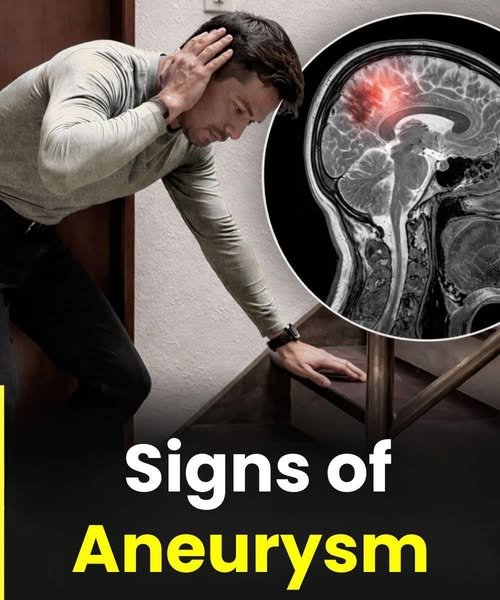
Signs of Aneurysm…Reading continue>>>

An aneurysm is a serious medical condition that occurs when a section of a blood vessel wall becomes weakened and begins to bulge or balloon outward. This can happen in different parts of the body, most commonly in the brain (cerebral aneurysm), the aorta (aortic aneurysm), or other arteries. The danger of an aneurysm lies in its potential to rupture, which can lead to life-threatening internal bleeding. Understanding the signs of an aneurysm is extremely important because early recognition can make a critical difference in survival and recovery. One of the most well-known signs of a brain aneurysm, particularly when it is about to rupture or has already ruptured, is a sudden and extremely severe headache. This headache is often described as the “worst headache of one’s life.” The reason for this intense pain is that when an aneurysm leaks or bursts, blood irritates the surrounding tissues and increases pressure inside the skull. This type of headache typically appears very suddenly, without warning, and can reach maximum intensity within seconds or minutes. It is very different from a normal headache or even a migraine, both in speed of onset and level of severity. Another important sign is neck pain or stiffness. This occurs because blood leaking into the space around the brain can irritate the meninges, which are the protective membranes covering the brain and spinal cord. This irritation leads to stiffness and discomfort in the neck, often making it difficult to move or turn the head. Along with this, individuals may also experience sensitivity to light, known as photophobia. Bright lights can feel painful or overwhelming, again due to irritation and increased pressure affecting the brain. Vision problems are also common warning signs. These may include blurred vision, double vision, or even partial loss of vision. The reason for this is that an expanding aneurysm can press against nearby nerves, especially those connected to the eyes. When these nerves are affected, normal visual processing is disrupted. In some cases, a person may notice a drooping eyelid or a pupil that is larger than usual. These symptoms are particularly associated with aneurysms in certain areas of the brain where important cranial nerves are located. Nausea and vomiting frequently accompany aneurysm-related symptoms, especially when there is a rupture. This happens because increased pressure in the brain affects the areas responsible for controlling nausea. The body reacts quickly to this pressure change, leading to sudden and intense feelings of sickness. These symptoms often occur alongside the severe headache and can worsen rapidly. Loss of consciousness is another critical sign, especially in the case of a ruptured aneurysm. When bleeding occurs in or around the brain, it can disrupt normal brain function very quickly. This may cause a person to feel dizzy, confused, or disoriented before eventually losing consciousness. In severe cases, the individual may fall into a coma. This is a medical emergency that requires immediate attention, as the brain is highly sensitive to both pressure and lack of oxygen. In addition to these more dramatic symptoms, there are also warning signs that may appear before an aneurysm ruptures. These are sometimes called “sentinel symptoms.” For example, a person might experience a smaller, less intense headache days or weeks before a major rupture. This can be caused by a minor leak in the aneurysm. While the pain may not seem severe enough to raise alarm, it is actually an important signal that something is wrong and should not be ignored. For aneurysms located in the aorta, the signs can be quite different. An abdominal aortic aneurysm may cause a deep, persistent pain in the abdomen or back. This pain is often described as a throbbing or pulsing sensation. The reason for this is that the enlarged artery is pressing against surrounding structures and tissues. In some cases, a person may even be able to feel a pulsating mass in their abdomen. If the aneurysm ruptures, the pain becomes sudden and severe, and is often accompanied by a drop in blood pressure, rapid heartbeat, and signs of shock. A thoracic aortic aneurysm, which occurs in the chest area, may cause symptoms such as chest pain, difficulty breathing, or trouble swallowing. These symptoms occur because the enlarged artery can press against the lungs, esophagus, or other nearby structures. As with other types of aneurysms, rupture leads to sudden, severe pain and is a life-threatening emergency. It is also important to understand that many aneurysms do not cause noticeable symptoms until they become large or rupture. This is why they are often referred to as “silent” conditions. Regular medical check-ups and imaging tests can help detect aneurysms early, especially in individuals with risk factors such as high blood pressure, smoking, or a family history of the condition. In summary, the signs of an aneurysm vary depending on its location and severity, but they often include sudden severe headache, neck stiffness, vision problems, nausea, vomiting, and loss of consciousness in the case of brain aneurysms, as well as deep pain and pulsating sensations for aortic aneurysms. These symptoms occur primarily because of increased pressure, nerve compression, and internal bleeding. Recognizing these warning signs and seeking immediate medical attention can be life-saving, as timely intervention significantly improves outcomes and reduces the risk of serious complications.


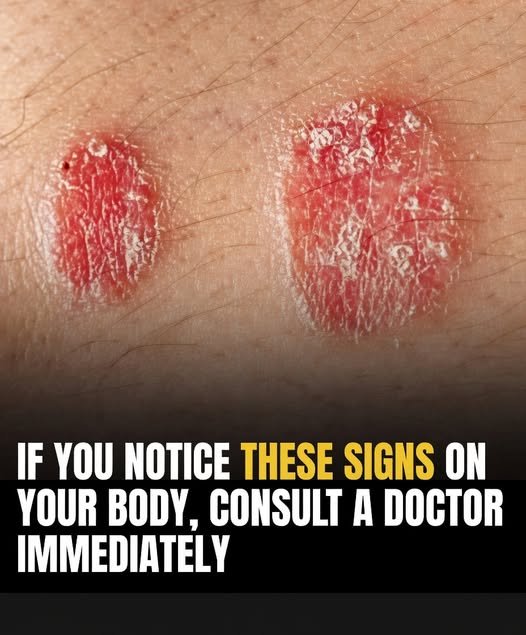
These are the signs that he is…read more

These are the signs that he is suffering from Angular Cheilitis. Cracked or sore corners of the mouth (also known as Angular Cheilitis) is a common condition that causes redness, pain, or crusting around the edges of the lips. Cold sores are often seen around the lips and mouth. They can continue to spread throughout the face, causing loss of aesthetics and confidence of the patient. To learn more about cold sores as well as answer the question of whether the disease is dangerous to health, do not skip this article. 🔹 What It Is Angular cheilitis is an inflammation that appears at one or both corners of the mouth. The skin may look cracked, red, and sore. In some cases, it can even bleed or form a scab. It’s not usually dangerous, but if left untreated, it can become infected or very painful. 🔹 Causes This condition is often caused by fungal (Candida) or bacterial (Staphylococcus) infection. However, it’s closely related to certain lifestyle and health factors, such as: Frequent licking of lips → keeps the area moist, encouraging infection. Dry or chapped lips → cracks make it easier for bacteria or fungus to grow. Poor oral hygiene. Nutritional deficiencies, especially vitamin B2 (riboflavin), B12, iron, or zinc. Wearing dentures that don’t fit properly. Weakened immune system (such as from diabetes or illness). 🔹 Is It Dangerous? Usually, it’s not dangerous , but if ignored, the infection can worsen or spread. In people with weak immunity, it might take longer to heal or lead to secondary infections.   Angular cheilitis not only affects health, causing discomfort due to itching and pain, but also causes aesthetic loss for the patient. For the disease to heal quickly and not leave scars, people with the disease should treat it as soon as possible. This is not only good for the patient but also for those around them because angular cheilitis is highly contagious. Symptoms of angular cheilitis When having angular cheilitis, the patient will experience the following symptoms: The skin around the lips is red, gradually cracking. Many small blisters appear, which can grow in patches around the lips.The corners of the mouth feel hot and uncomfortable. When opening the mouth or laughing loudly, it will hurt, especially when eating hot, spicy, highly acidic foods, which will increase the level of pain even more. Newborns with angular cheilitis will see a yellow crust appear around the lips, the baby’s tongue is slightly shiny, and the lips are dry.In addition, some patients also experience changes in taste, loss of appetite, leading to weight loss when having mouth ulcers. Causes of mouth ulcers Mouth ulcers are caused by many factors, but mainly by viral or fungal infections. The virus that causes mouth ulcers is the herpes virus. The location at the edge is where saliva accumulates for a long time, so this area is often moist. When saliva evaporates, the skin of the mouth and lips is easily dry and irritated. If in this case, licking the lips and lips to reduce dryness will increase the condition and make the ulcers worse. The second most common cause of the disease is Candida albicans. This fungus is present everywhere, if the resistance is reduced, this is the opportunity for the fungus to invade, grow strongly and cause inflammation on the skin leading to mouth ulcers. In addition, staphylococcus is also one of the main causes of this disease. In addition to viruses, bacteria and fungi that cause disease, vitamin B deficiency is also one of the causes of cold sores. Vitamin B deficiency is often due to not eating enough green vegetables, fruits, and whole grain foods. Transmission of cold sores Cold sores is a disease that can be transmitted to others. The main route of infection is through direct contact with damaged skin or using contaminated objects containing pathogens that the patient has used without being thoroughly disinfected and sterilized, such as blankets, pillows, bed sheets, clothes, toys, etc. 🔹 Treatment Keep the area dry and clean. Avoid licking your lips or touching the corners of your mouth. Apply a healing ointment. Use a topical antifungal cream (like clotrimazole or miconazole) if the cause is fungal. If bacterial, a mild antibiotic ointment (like mupirocin) may help. Moisturize regularly. Use petroleum jelly or lip balm to prevent dryness. Take vitamin supplements if you have deficiencies. Especially B vitamins and iron.  Improve oral hygiene — clean dentures properly, and visit a dentist if necessary. 🔹 Prevention & Lifestyle Tips Drink plenty of water daily. Eat foods rich in vitamins B2, B12, iron, and zinc (eggs, leafy greens, fish, nuts). Avoid excessive lip licking and biting your lips. Replace or clean old toothbrushes and dentures. Use a humidifier if your home air is too dry. In short: 👉 Cracked mouth corners are usually caused by infection and poor lip moisture balance. 👉 It’s not life-threatening, but it’s a sign your body or habits need attention. 👉 With proper care, nutrition, and hygiene, it usually heals within 1–2 weeks.

Here’s What The Lines On Bath Towels Actually Mean…Full details..

Bath towels are a staple in every household, yet few people pause to consider the intricate details that go into their design. Among these details are the lines that often adorn the surface of bath towels. At first glance, these lines might seem purely decorative, but they serve specific purposes that enhance the functionality and longevity of the towel. Understanding these lines can lead to a greater appreciation of the craftsmanship involved in towel production. Understanding the Purpose of Lines on Bath Towels     The lines on bath towels are not merely aesthetic choices made by designers. These are often the result of deliberate weaving techniques, each serving multiple practical purposes. For example, they enhance water absorption, improve the structural integrity of the towel, and create a tactile experience that feels luxurious to the user. Examining these lines reveals the intricate engineering behind what appears to be a simple household item. According to an article on Upworthy, these lines also contribute to a towel’s ability to wick moisture effectively. A crucial factor in their design and usability. This subtle functionality is often overlooked but plays a significant role in ensuring towels meet the daily demands of users. Top Reasons for the Lines on Bath Towels Image Credit: Pexels One primary function of these lines is to boost the towel’s absorbency. The weaving technique used to create them increases the towel’s surface area, allowing it to soak up more water efficiently. Beyond absorption, these lines also aid the drying process by creating channels that promote airflow. This innovation ensures the towel dries faster, reducing the risk of mildew buildup. Another practical purpose is related to usability. The lines often serve as visual guides, making it easier to fold or hang towels neatly. This small but thoughtful detail helps maintain the towel’s shape and appearance over time, ensuring it remains a functional and attractive addition to the bathroom. The Role of Tread Lines in Towel Longevity Tread lines, which appear as raised patterns on some towels, play a vital role in extending the lifespan of these everyday essentials. These lines are woven using techniques that reinforce the fabric’s structure, preventing fraying and distortion even after repeated washing and use. “Tread lines are designed to maintain the towel’s thickness and plushness,” explains textile expert Clara Brooks. “They act as a buffer, reducing wear and tear while keeping the towel looking and feeling luxurious.” By fortifying the material, tread lines contribute significantly to the towel’s overall durability and comfort.

“Your Sleeping Position Determines How Lazy You Are” – A Fun Look at What Your Bedtime Pose Says About Your Chill Factor

Sleeping positions are more than just comfy habits; some folks claim they reveal how “lazy” or relaxed you are. Here’s a playful breakdown of the eight sleep styles shown in the image and what they allegedly say about your laziness level. 1. Position 1 – The Pillow‑Hugger: You hold the pillow straight up, lying straight‑legged. Laziness vibe: You’re moderately relaxed, enjoying full support but not overly sluggish. You like control over your sleep setup. 2. Position 2 – The Straight‑Up Sleeper: You lie flat on your back with arms at your sides. Laziness vibe: Pretty lazy‑neutral. You prefer simplicity and minimal effort, letting gravity do the work. 3. Position 3 – The Starfish: Arms and legs are spread wide, pillow under the head. Laziness vibe: High laziness score. You love taking up space and soaking in maximum comfort, avoiding any tension. 4. Position 4 – The Sitting Snoozer: You’re almost sitting, hugging the pillow. Laziness vibe: Super lazy‑chill. You need extra support and prefer a cozy, almost “nap‑in‑a‑chair” feel. 5. Position 5 – The Side‑Lounger: Lying on your side with one arm up, pillow beside you. Laziness vibe: Moderate laziness. You’re balanced—comfortable yet still somewhat active in posture. 6. Position 6 – The Hugger: You embrace the pillow tightly, body slightly angled. Laziness vibe: Quite lazy. You crave closeness and security, sinking into deep relaxation. 7. Position 7 – The Fetal‑ish: Curled with the pillow between arms, legs bent. Laziness vibe: Very lazy. You’re in full “cocoon” mode, seeking maximum snugness and protection. 8. Position 8 – The Runner: One leg up, arms holding pillow overhead. Laziness vibe: Low‑to‑moderate laziness. You keep some tension in the body, indicating a less “lazy” sleep style. Bottom Line Sleep positions are personal preferences tied to comfort, health, and habit—not actual laziness. The “lazy” interpretations are just fun, tongue‑in‑cheek analysis meant to make you smile about your bedtime habits.

“That’s Why Old Women Smell Bad”: A Humorous Take on Aging..Read More >

A recent image has sparked laughter and nostalgia, featuring an older woman holding her nose with a caption that playfully pokes fun at aging. The image shows her in a cozy living room, wearing a black t-shirt and blue jeans, with a witty remark about old women and smell. While the image is likely meant to be humorous, it’s worth noting that aging can bring various physical changes, including differences in body odor. Factors like reduced hygiene, medical conditions, or medication side effects can contribute to this issue. Rather than taking it seriously, the image invites us to laugh at the stereotypes surrounding aging. It’s a lighthearted reminder to approach life’s quirks with humor and not take ourselves too seriously.

Chaos Erupts: Massive Explosion Rocks Urban Area….See More …

A devastating explosion shook an urban area, leaving a trail of destruction and panic in its wake. The blast, centered on a building, sent a massive fireball into the air, with smoke billowing outwards. Eyewitnesses describe scenes of chaos, with people running for their lives and cars abandoned on the street. Details of the explosion are scarce, and authorities have yet to release information on casualties or the cause of the blast. Emergency services are on the scene, working to contain the situation and provide aid to those affected. The incident serves as a stark reminder of the unpredictability and potential danger of urban explosions. As the situation unfolds, residents and onlookers are left to wonder what triggered the disaster.

What Happened When a Young Policewoman Was Filmed After Work

A Routine Match That Drew Unexpected Attention Online A regular league fixture in Colombia between América de Cali and Millonarios FC became an unexpected topic of conversation—not because of the result alone, but because of how moments from the stadium quickly moved into online discussions. The postponed BetPlay League match, played at Pascual Guerrero Stadium, still carried competitive importance even though both teams had already secured their place in the next phase. The long-standing rivalry ensured the intensity remained high throughout the game. América de Cali Takes Early Control From the opening minutes, América de Cali set the pace, controlling possession and applying steady pressure in attack. Millonarios were pushed into a more defensive approach as the home side created several early opportunities. Veteran forward Carlos Darwin Quintero came close to scoring, narrowly missing with a header that reflected América’s early dominance. First-Half Breakthrough The breakthrough arrived in the 41st minute when Adrián Ramos found space inside the box and finished calmly, giving América a 1–0 lead. The goal confirmed the home side’s control and lifted the atmosphere in the stadium as they went into halftime ahead. Attention Shifts Beyond the Pitch While the match followed a familiar competitive pattern on the field, attention online began to shift during the broadcast. Viewers noticed a police officer on security duty, and images and short clips quickly began circulating on social media. The officer, identified online as Alexa Narvaez, already had an established social media presence where she shares lifestyle and fitness content alongside her support for América de Cali. Online Reaction Grows Her appearance at the stadium, combined with her existing following, generated significant engagement online. In the days that followed, related posts—some tied to seasonal themes like Halloween—gained further traction. Public reactions were mixed. Some users praised her enthusiasm and saw her content as harmless, while others questioned how visible personal profiles interact with professional responsibilities.     A Broader Conversation Emerges The situation highlights a wider trend in modern sports coverage. Events are no longer limited to what happens on the field, as social media creates parallel conversations that can quickly gain momentum. A single image or clip can develop into a separate narrative, sometimes drawing more attention than the match itself.     Football in the Digital Era In countries like Colombia, football culture extends far beyond the stadium, influencing identity, expression, and community interaction. Social media has amplified this connection, allowing moments to spread instantly but also increasing scrutiny. The incident has contributed to ongoing discussions about personal visibility, professional boundaries, and how individuals navigate both in a digital environment.     Final Thought What began as a routine league match ultimately became a reminder of how quickly attention can shift. While the result still mattered on the field, the broader conversation showed how modern visibility can reshape the story surrounding any event.

The Secret Desires Men Have in Relationships Revealed see more……see more …..

– Initiate Intimacy: Men often appreciate it when their partners take the lead in initiating physical affection or intimacy. – Appreciate Their Efforts: Simple gestures like thanking them for helping with chores or acknowledging their efforts can go a long way. – Communicate Openly: Men value honesty and openness in communication, so expressing feelings and desires clearly is important. – Support Their Interests: Showing genuine interest in their hobbies or passions can bring them closer to their partner. – Surprise Them: Unexpected surprises, like cooking their favorite meal or planning a surprise date, can keep the spark alive. – Be Confident: Confidence is attractive, so embracing one’s own uniqueness and expressing oneself authentically is valued. – Laugh Together: Sharing laughter and enjoying light-hearted moments together strengthens the bond. – Show Physical Affection: Simple touches, hugs, or cisses can make men feel loved and appreciated. Remember, every individual is unique, and what works for one person may not work for another. Open communication is key to understanding each other’s desires and needs.

The Secret Desires Men Have in Relationships Revealed….see more>>>

When it comes to relationships, men usually have unspoken desires that could greatly improve their bond with their partners. Understanding these desires can help strengthen the connection and create a more fulfilling partnership. In this psychologyorg article, we’ll explore 8 secret desires men have in relationships, providing insights and practical tips to help you strengthen your relationships. Table of Contents Why Understanding Men’s Secret Desires Matters Men often keep their emotional needs and desires unspoken, influenced by societal expectations to appear strong and independent. According to a survey by the American Psychological Association, 30% of men report feeling they need to maintain a stoic demeanor, which can lead to under-communicating their feelings and needs. Understanding and addressing these hidden desires is crucial for building a more balanced and satisfying relationship. When partners recognize these needs, it encourages open communication, mutual respect, and a stronger emotional connection. This attentiveness can lead to a more fulfilling and supportive partnership, as both parties feel understood and valued. 8 Things Men Secretly Want From Their Partner In relationships, men often have unspoken desires that, when fulfilled, can strengthen their bond with their partner. They secretly wish for genuine appreciation for their efforts, encouragement of their passions, and emotional support during tough times. Men also value respect for their need for personal space, open and honest communication, and physical affection to feel loved and connected. Building trust through reliability and consistency is crucial, as is sharing common goals and dreams for a shared future. Understanding and addressing these desires can lead to a more harmonious and fulfilling partnership. 1. Show Genuine Appreciation Recognizing Efforts Men, like everyone else, appreciate when their efforts are noticed and valued. Whether it’s fixing a leaky faucet, working late to support the family, or just being a dependable partner, a simple “thank you” can go a long way in making them feel appreciated and respected. Expressing Gratitude Consistently expressing gratitude for the little things can build a positive atmosphere in your relationship. Try to acknowledge daily gestures like taking out the trash, cooking a meal, or even being a good listener. 2. Encourage Their Passions Supporting Hobbies Men often have hobbies or interests that they are passionate about, whether it’s sports, music, technology, or something else. Encouraging these interests shows that you appreciate them as individuals with unique personalities. Joining In While it’s not necessary to share all the same interests, occasionally participating in his hobbies can be a great way to bond. Watching a game with him, attending a concert, or even trying out a hobby together can bring you closer. 3. Offer Emotional Support Being There in Tough Times Men are often expected to be the strong, silent type, which can lead them to bottle up their emotions. Being there for your partner during tough times, offering a listening ear and emotional support, can make a significant difference in how supported and loved they feel. Active Listening Sometimes, all someone needs is to feel heard. Practice active listening by being present, asking thoughtful questions, and refraining from immediately offering solutions unless asked. This can help your partner feel understood and valued. 4. Respect Their Space Understanding the Need for Alone Time Everyone needs some personal space to recharge, and men are no exception. Respecting your partner’s need for alone time or time to engage in personal hobbies can prevent feelings of suffocation and contribute to a healthier relationship dynamic. Balancing Togetherness and Independence Finding the right balance between spending quality time together and allowing each other personal space is crucial. This balance helps maintain individuality while also nurturing the relationship. 5. Communicate Openly Encouraging Honest Conversations Open and honest communication is fundamental to a healthy relationship. Encouraging your partner to share their thoughts and feelings without fear of judgment or criticism fosters trust and mutual understanding. Addressing Issues Calmly When conflicts or issues arise, addressing them calmly and constructively can prevent misunderstandings and resentment. This approach encourages a culture of openness and problem-solving within the relationship. 6. Show Physical Affection The Importance of Touch Physical affection is a powerful way to express love and support. Simple gestures like holding hands, hugging, or a gentle touch on the arm can significantly boost emotional intimacy and connection. Understanding His Love Language Everyone has different ways of expressing and receiving love. Understanding your partner’s love language, whether it’s physical touch, words of affirmation, or acts of service, can help you show affection in a way that resonates most with them. 7. Build Trust and Reliability Keeping Promises Trust is a cornerstone of any relationship. Keeping promises, no matter how small, builds a foundation of reliability and trustworthiness. It shows that you are dependable and committed to the relationship. Being Consistent Consistency in actions and words reinforces trust and reliability. When you consistently follow through on your commitments, it demonstrates that you are reliable and can be counted on, which strengthens the bond in your relationship. 8. Share Common Goals and Dreams Planning a Future Together Discussing and planning your future together helps align your goals and dreams, ensuring that you are both on the same path. This practice shows that you are both committed to building a shared life together. Supporting Each Other’s Aspirations Supporting each other’s individual aspirations while working towards common goals can strengthen your partnership. It shows that you are invested in each other’s personal growth and happiness. Conclusion Understanding and addressing the secret desires men have in relationships can significantly strengthen your bond and create a more fulfilling partnership. By showing appreciation, encouraging passions, offering emotional support, respecting space, communicating openly, showing physical affection, building trust, and sharing common goals, you can nurture a loving and harmonious relationship. Ready to take your relationship to the next level? Start incorporating these tips today and watch your connection grow. For more relationship advice and tips, explore our other blog posts and join our community of relationship advice seekers. Your perfect relationship is just a few steps away!t a few steps away!

Tag: If you notice these signs…Reading continue>

Cardiovascular endurance refers to the body’s ability to sustain prolonged physical activity by efficiently delivering oxygen and nutrients to working muscles. Strong cardiovascular endurance supports heart health, lung capacity, stamina, and overall physical performance. While training and physical activity are essential for building endurance, nutrition plays an equally important role. The foods you eat directly influence energy production, oxygen utilization, muscle efficiency, and recovery, all of which determine how well your cardiovascular system performs over time. Cardiovascular endurance depends on how efficiently the heart pumps blood, how well the lungs oxygenate that blood, and how effectively muscles use oxygen to produce energy. Poor nutrition can limit these processes by impairing circulation, reducing red blood cell production, increasing inflammation, and causing early fatigue. Consuming foods that support cardiovascular endurance enhances exercise capacity and everyday stamina. Complex carbohydrates are a primary fuel source for endurance. They provide glucose, which is stored as glycogen in muscles and the liver. During prolonged activity, glycogen is the main energy source that keeps muscles functioning. Foods such as oats, brown rice, quinoa, whole wheat bread, and sweet potatoes supply slow-digesting carbohydrates that maintain stable energy levels and delay fatigue. Iron-rich foods are critical for cardiovascular endurance because iron supports the production of hemoglobin, the protein that carries oxygen in the blood. Low iron levels reduce oxygen delivery to muscles, leading to early exhaustion and reduced performance. Lean red meat, poultry, fish, lentils, beans, spinach, and fortified cereals help maintain healthy iron levels. Pairing plant-based iron sources with vitamin C-rich foods enhances absorption and effectiveness. Protein supports endurance by maintaining muscle tissue and aiding recovery after physical exertion. While carbohydrates fuel endurance activities, protein helps repair and strengthen muscles, allowing them to perform efficiently during repeated workouts. Foods such as eggs, dairy products, lean meats, fish, legumes, tofu, and yogurt provide amino acids that support muscle resilience and stamina. Healthy fats play a supportive role in endurance, particularly during longer, moderate-intensity activities. Fats provide a concentrated source of energy and support heart health. Unsaturated fats found in avocados, nuts, seeds, olive oil, and fatty fish improve cholesterol balance and reduce inflammation, allowing the cardiovascular system to function more efficiently during exercise. Omega-3 fatty acids are especially beneficial for cardiovascular endurance. These fats reduce inflammation, improve blood vessel flexibility, and support heart rhythm. Fatty fish such as salmon, sardines, and mackerel, along with flaxseeds, chia seeds, and walnuts, enhance circulation and oxygen delivery, supporting sustained physical activity. Nitrates found in certain vegetables improve blood flow and oxygen efficiency, directly enhancing endurance. Beets are particularly well-known for their nitrate content, which helps relax blood vessels and improve oxygen delivery to muscles. Leafy greens such as spinach, arugula, and lettuce also contain nitrates that support cardiovascular efficiency and stamina. Potassium supports muscle contraction, nerve signaling, and fluid balance, all of which are essential for endurance. Low potassium levels can lead to muscle cramps, weakness, and early fatigue. Foods such as bananas, oranges, potatoes, beans, yogurt, and leafy greens provide potassium that supports cardiovascular and muscular function during prolonged activity. Magnesium contributes to energy production, muscle relaxation, and oxygen uptake. It supports ATP synthesis, which fuels muscle contraction. Magnesium-rich foods such as nuts, seeds, whole grains, legumes, and dark leafy greens help reduce muscle fatigue and improve endurance performance. Antioxidants protect the cardiovascular system from oxidative stress caused by prolonged physical activity. Exercise increases free radical production, which can damage cells and impair recovery. Foods rich in antioxidants, such as berries, cherries, citrus fruits, green tea, and dark chocolate in moderation, protect blood vessels and muscles, supporting long-term endurance. Hydration is essential for cardiovascular endurance. Water supports blood volume, temperature regulation, and nutrient transport. Even mild dehydration reduces endurance capacity by impairing circulation and increasing heart rate. Drinking water consistently and consuming water-rich foods such as fruits and vegetables support sustained physical performance. Electrolytes such as sodium, potassium, and magnesium help maintain fluid balance and nerve function during endurance activities. While excessive sodium intake should be avoided, adequate electrolyte intake during prolonged exercise supports endurance and prevents fatigue-related performance decline. Timing of nutrient intake also influences endurance. Consuming carbohydrate-rich meals before activity ensures sufficient glycogen stores, while post-exercise meals containing protein and carbohydrates support recovery and prepare the body for future endurance efforts. Gut health indirectly affects cardiovascular endurance by influencing nutrient absorption and inflammation. A healthy digestive system ensures that energy-producing nutrients are efficiently absorbed and utilized. Fiber-rich foods, fermented foods, and a balanced diet support gut health and endurance capacity. Consistency in dietary habits is key to improving cardiovascular endurance. Occasional nutrient-rich meals provide limited benefit compared to long-term dietary patterns that support heart health, circulation, and muscle efficiency. In conclusion, foods that improve cardiovascular endurance support oxygen delivery, energy production, muscle efficiency, and heart health. Complex carbohydrates, iron-rich foods, protein, healthy fats, omega-3 fatty acids, nitrate-rich vegetables, antioxidants, and proper hydration work together to enhance stamina and physical performance. By consistently choosing endurance-supportive foods, individuals can strengthen their cardiovascular system, delay fatigue, and sustain higher levels of activity with greater ease and resilience.