Eek, I Might Have a Few of These! Irresistible Chocolate Chip Cookies
Eek, I Might Have a Few of These! Irresistible Chocolate Chip Cookies Introduction: There are certain treats that you simply can’t resist, and for many, chocolate chip cookies are right at the top of that list. With their perfectly crispy edges, soft centers, and melty chocolate chunks, it’s easy to end up eating more than just one. These cookies are so good, you might just find yourself thinking, “Eek, I might have a few of these!” They’re the perfect balance of sweetness and richness, making them ideal for any occasion—whether you’re sharing with friends, or indulging solo. Let’s get baking and create these dangerously delicious cookies! Ingredients: 1 cup (2 sticks) unsalted butter, softened 3/4 cup granulated sugar 3/4 cup packed brown sugar 1 tsp vanilla extract 2 large eggs 2 1/4 cups all-purpose flour 1 tsp baking soda 1/2 tsp salt 2 cups semi-sweet chocolate chips Optional: 1 cup chopped nuts (walnuts or pecans for added crunch) Instructions: Preheat your oven to 350°F (175°C) and line a baking sheet with parchment paper or a silicone mat. In a large bowl, cream together the softened butter, granulated sugar, and brown sugar until light and fluffy. This will take about 2-3 minutes with a hand mixer or stand mixer. Add the vanilla extract and eggs, one at a time, mixing well after each addition. Continue to beat until smooth. In a separate bowl, whisk together the flour, baking soda, and salt. Gradually add the dry ingredients to the wet mixture, stirring just until combined. Be careful not to overmix, as this can result in tougher cookies. Fold in the chocolate chips (and nuts, if using). Ensure they are evenly distributed throughout the dough. Using a cookie scoop or spoon, drop dough onto the prepared baking sheet, spacing the cookies about 2 inches apart. Bake for 10-12 minutes or until the edges are golden brown, but the centers are still soft. For chewy cookies, take them out a minute or two earlier. Allow the cookies to cool on the baking sheet for 5 minutes before transferring them to a wire rack to cool completely.


Get Pearly Whites with Whitening and Scaling

Get Pearly Whites with Whitening and Scaling Whitening and scaling can help remove stains and plaque, leaving your teeth looking brighter and healthier. Here’s a simple method: Oil Pulling and Baking Soda Method – Swish 1 tablespoon of coconut oil in your mouth for 1 minute. – Spit out the oil and mix 1 teaspoon of baking soda with 2 teaspoons of water to make a paste. – Brush your teeth with the paste for 1 minute. – Rinse thoroughly and brush your teeth as usual. Benefits: – Removes plaque and stains – Reduces bad breath – Whitens teeth Tips: – Use virgin coconut oil for best results. – Be gentle when brushing to avoid damaging enamel. – Consult a dentist before trying new oral care methods.

The Yellow Stuff in Your Eyes: What You Need to Know

The Yellow Stuff in Your Eyes: What You Need to Know Noticed a yellowish discharge or crust in the corners of your eyes, especially in the morning? Don’t worry, it’s a common phenomenon. Here’s what you need to know: What is it? The yellow stuff is a mixture of: – Mucus: A natural substance produced by the eyes to keep them moist and clean. – Dead cells: Shedding of skin cells and other debris. – Oil: Meibomian gland secretions that help lubricate the eyes. Why is it yellow? The yellow color comes from the breakdown of hemoglobin in red blood cells, which releases a pigment called bilirubin. This process is normal, but excessive production or buildup can cause noticeable yellowing. Common causes: – Dry eyes: Insufficient tear production or poor tear quality can lead to thick, yellowish discharge. – Allergies: Seasonal allergies, dust, or pet allergies can cause increased mucus production. – Infections: Bacterial or viral conjunctivitis (pink eye) can cause yellowish discharge. – Blepharitis: Inflammation of the eyelids, often caused by bacteria or skin conditions. When to worry: – Excessive discharge: Thick, yellow, or greenish discharge that’s persistent or accompanied by other symptoms. – Eye pain or redness: Severe pain, redness, or vision changes require medical attention. – Contact lens wearers: If you wear contact lenses, remove them and consult an eye care professional. Prevention and treatment: – Practice good hygiene: Wash your hands, and gently clean your eyes with a damp cloth. – Use artificial tears: Lubricate your eyes with preservative-free artificial tears. – Consult an eye care professional: For proper diagnosis and treatment.

Reduce Nighttime Urination with These Simple Changes

Reduce Nighttime Urination with These Simple Changes Waking up multiple times a night to use the bathroom can disrupt sleep and impact overall health. Here are some tips to help reduce nighttime urination: Hydration Habits: – Drink most fluids during the day: Focus on hydrating during morning and afternoon hours. – Limit fluids before bedtime: Avoid drinking large amounts of fluids 2-3 hours before bedtime. – Monitor caffeine and alcohol: Both can increase urine production and worsen nighttime urination. Lifestyle Changes: – Elevate your legs: Elevate your legs above the level of your heart for 30 minutes before bedtime to reduce fluid buildup. – Empty your bladder: Make sure to empty your bladder completely before bedtime. – Exercise regularly: Regular physical activity can help improve bladder control. Additional Tips: – Manage underlying conditions: Conditions like diabetes, sleep apnea, or heart disease can contribute to nighttime urination. – Review medications: Some medications can increase urine production or worsen nighttime urination. – Consult a healthcare professional: If nighttime urination persists or worsens, consult a healthcare professional for proper evaluation and guidance. By implementing these simple changes, you can reduce nighttime urination and improve overall sleep quality.

Don’t Ignore These Signs of Vitamin B12 Deficiency

Don’t Ignore These Signs of Vitamin B12 Deficiency Vitamin B12 plays a crucial role in many bodily functions, including the production of red blood cells, nerve function, and DNA synthesis. A deficiency can lead to a range of health issues. Here are some common signs to watch out for: – Fatigue and Weakness: Feeling tired or weak, even after getting enough rest. – Pale or Yellowish Skin: A lack of red blood cells can cause pale skin, while a buildup of bilirubin can cause yellowing. – Shortness of Breath: Reduced red blood cells can lead to inadequate oxygen delivery. – Dizziness and Lightheadedness: Inadequate oxygen delivery to the brain. – Numbness or Tingling: Nerve damage can cause numbness or tingling in hands and feet. – Difficulty Walking: Nerve damage can affect balance and coordination. – Mood Changes: Vitamin B12 deficiency can contribute to depression, anxiety, and cognitive impairment. Recipe: B12-Rich Smoothie – 1 cup frozen berries – 1/2 cup plain Greek yogurt – 1/2 cup milk (dairy or non-dairy) – 1 tablespoon almond butter – 1 teaspoon honey (optional) – 1 egg yolk (rich in B12) – Ice cubes (optional) Blend all ingredients until smooth. You can also add other B12-rich foods like salmon, beef, or fortified plant-based milk. Tips: – Consult a healthcare professional for proper diagnosis and treatment. – Include B12-rich foods in your diet. – Consider supplements if you’re vegan or vegetarian.

Aloe Vera Miracle: 30 Days to Naturally Regrow Strong, Healthy Hair

Aloe Vera Miracle: 30 Days to Naturally Regrow Strong, Healthy Hair Aloe vera has been used for centuries for its medicinal and cosmetic benefits, including hair care. Here’s a 30-day plan to naturally regrow strong, healthy hair using aloe vera: Benefits of Aloe Vera for Hair: – Promotes Hair Growth: Aloe vera stimulates the scalp and hair follicles, promoting hair growth. – Reduces Drying and Breakage: Aloe vera moisturizes and nourishes the hair, reducing drying and breakage. – Soothes Scalp Irritation: Aloe vera has anti-inflammatory properties that can soothe scalp irritation and reduce redness. 30-Day Plan: 1. Week 1-2: Cleanse and Prepare – Mix equal parts aloe vera gel and shampoo. – Massage into scalp and hair, then rinse. 2. Week 3-4: Nourish and Moisturize – Apply aloe vera gel directly to scalp and hair. – Leave on for 30 minutes to 1 hour, then rinse. 3. Maintenance – Use aloe vera gel as a hair mask once a week. – Mix with other natural ingredients like coconut oil or honey for added benefits. Tips: – Use pure, organic aloe vera gel. – Patch test before using aloe vera on your hair. – Combine with a healthy diet and lifestyle for optimal results.

Ginger Water: A Natural Aid for Weight Loss

Ginger Water: A Natural Aid for Weight Loss Ginger water has been touted as a miracle drink for weight loss, particularly for burning fat in the abdomen, neck, arms, back, and thighs. But does it really work? Benefits of Ginger Water: – Boosts Metabolism: Ginger has thermogenic properties that can help increase metabolism and burn fat. – Suppresses Appetite: Ginger has been shown to help reduce hunger and increase feelings of fullness. – Anti-Inflammatory: Ginger has anti-inflammatory properties that can help reduce inflammation and improve overall health. How to Make Ginger Water: – Peel and slice 1-2 inches of fresh ginger root. – Add ginger to 1 liter of water and boil for 10-15 minutes. – Strain and drink hot or cold. Tips: – Add lemon or honey for flavor. – Drink on an empty stomach for best results. – Combine with a healthy diet and regular exercise for optimal weight loss. While ginger water can be a helpful addition to a weight loss plan, it’s essential to maintain realistic expectations and focus on sustainable lifestyle changes.

Warning: 10 Dangerous Habits That Secretly Damage Your Brain! 🚫

On average, a human adult brain weighs about 3 pounds (1,300-1,400 g), which is roughly 2% of your total body weight (not counting excess body fat). Your brain is responsible for almost every function in your body. This includes anything that has to do with regulating hormones, breathing, circadian rhythm, muscle control, heart beating, coordination, critical thinking, emotions and much more. It goes without saying that the brain is one of the most energy demanding organs in your body. It’s estimated that the brain by itself eats up almost 20% of your body’s total calorie intake. And that number can vary based on age, gender, size and how much brain power you actually use throughout the day. Since the brain is responsible for so many things, you’ll want to have it work at its optimum performance until The Big Sleep. The following are ten common practices you may be doing that go against that goal. Advertisement 1. Boredom Neuroplasticity is the ability of the brain to think in different ways, make new connections, and retain memories. Without intellectual stimulation, your brain—like any other organ—will atrophy

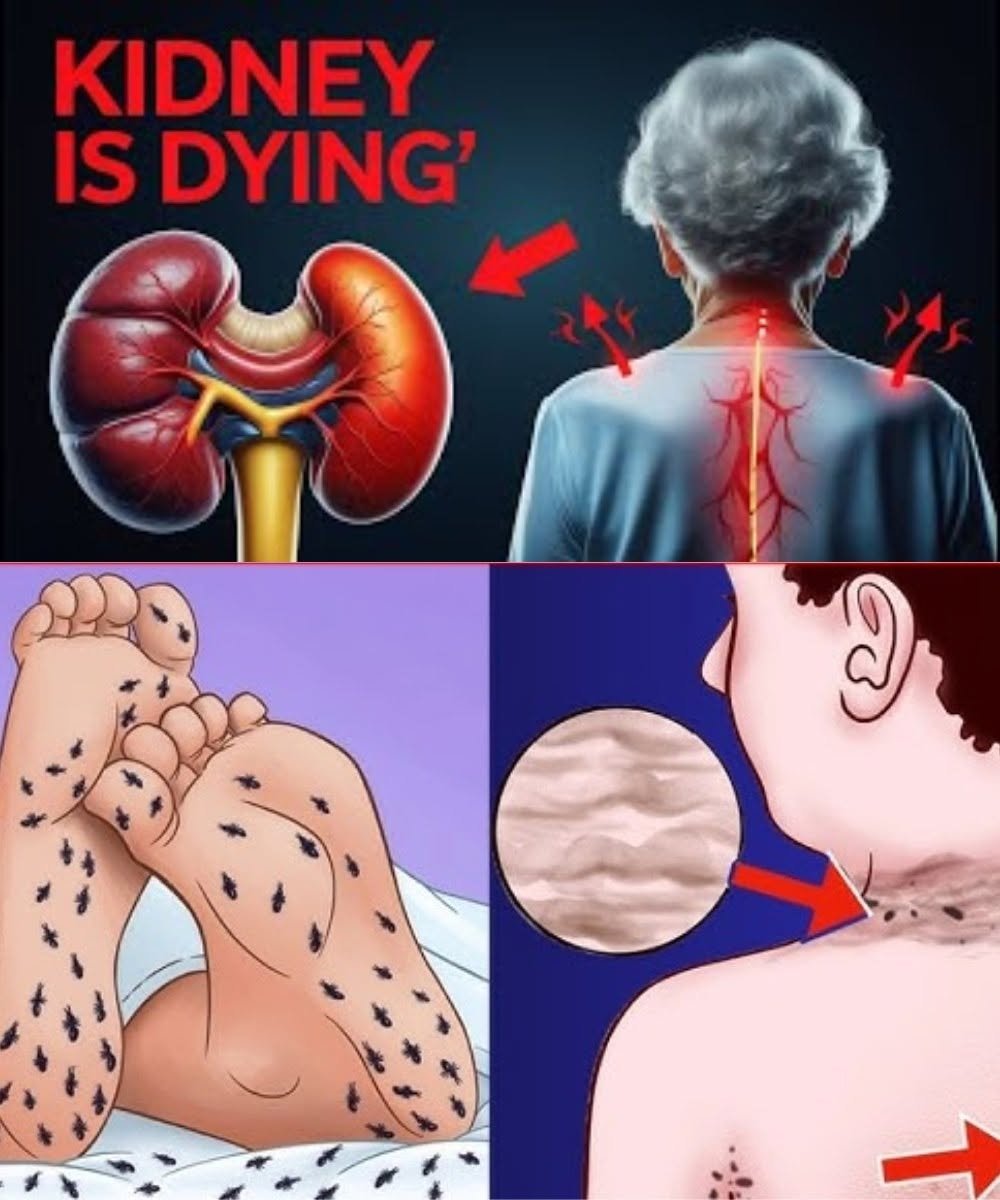
23 Surprising Signs Your Kidneys May Need Attention — And How to Support Them Naturally 💧

23 Signs Your Kidneys May Need Attention Your kidneys play a vital role in filtering waste and excess fluids from your body. Here are 23 signs that may indicate your kidneys need attention: 1. Fatigue and weakness 2. Swelling in hands, feet, or face 3. Changes in urination 4. Blood in urine 5. Foamy or bubbly urine 6. Persistent itching and dry skin 7. Nausea and loss of appetite 8. Shortness of breath 9. High blood pressure 10. Back pain 11. Frequent urination at night 12. Painful urination 13. Blood sugar fluctuations 14. Metallic taste in mouth 15. Bad breath 16. Unexplained weight loss 17. Anemia 18. Bone pain 19. Muscle cramps 20. Dizziness and lightheadedness 21. Cold intolerance 22. Skin rashes or lesions 23. Changes in mental status Natural Support for Kidney Health: – Stay hydrated: Drink plenty of water to help kidneys function properly. – Eat a balanced diet: Focus on whole grains, fruits, vegetables, and lean proteins. – Manage stress: Practice yoga, meditation, or deep breathing exercises. – Exercise regularly: Aim for at least 30 minutes of moderate-intensity exercise. – Get enough sleep: Aim for 7-8 hours of sleep per night.

Is He Texting Someone Else? 10 Signs to Watch Out For

Is He Texting Someone Else? 10 Signs to Watch Out For Suspicion can be a heavy burden. Here are 10 signs that might indicate your man is texting another woman: 1. Increased phone activity: He’s more attentive to his phone, quickly responding to messages or hiding his screen. 2. Secretive behavior: He steps away or leaves the room to answer messages. 3. Changes in texting habits: He becomes more protective of his phone or changes his password. 4. Emotional distance: He’s less engaged or affectionate in your conversations. 5. Increased flirting: He becomes more flirtatious or charming when talking to you. 6. New interests: He suddenly develops new hobbies or interests. 7. Changes in appearance: He starts dressing differently or paying more attention to his looks. 8. Unexplained absences: He becomes unavailable or has unexplained absences. 9. Guilt or defensiveness: He becomes overly defensive or guilty when asked about his activities. 10. Inconsistencies: His words and actions don’t add up. What to Do: – Communicate openly and honestly with your partner. – Trust your instincts and set boundaries if needed. – Evaluate the relationship and prioritize your own emotional well-being.