More Than a Moment: Understanding the Layers of Intimacy…see more >>>
The decision to share physical intimacy with someone is often described as a single moment—a line crossed, a choice made. But in reality, it’s more like dropping a stone into still water. The initial splash may be brief, yet the ripples can extend into your emotional state, physical health, and the dynamic of your relationship. Understanding those ripples isn’t about fear or shame. It’s about shifting from a reactive decision to a conscious, empowered one. Here’s what to consider beyond the moment itself. The Emotional Landscape: What Happens Beneath the Surface The emotional aftermath is often the most unexpected part. The Bonding Effect During physical intimacy, the body releases oxytocin—often called the “bonding hormone.” This chemical response can create feelings of closeness and attachment, even if the connection was intended to be casual. You may suddenly feel more emotionally invested than you anticipated. That doesn’t mean your feelings aren’t real—it means biology is powerful. The Vulnerability Hangover Intimacy requires openness. Afterward, it’s common to feel emotionally exposed or uncertain. Questions like “What does this mean now?” or “Do they see me differently?” may surface. This “vulnerability hangover” can bring anxiety, especially if expectations were unclear. Shifts in Self-Perception If the experience aligns with your values and desires, it can feel affirming and empowering. If it conflicts with your beliefs—or happened under subtle pressure—it can lead to regret, confusion, or diminished self-esteem. The emotional outcome often depends less on the act itself and more on whether it reflected your authentic choice. Comparison and Memory Every intimate experience becomes part of your personal narrative. It may influence how you view past partners or shape expectations for future ones. Being aware of that psychological imprint helps you process experiences more intentionally. The Physical Realities: Health, Safety, and Responsibility The physical consequences are more concrete—and largely manageable with preparation and communication. Sexual Health Is Essential Unprotected intimacy carries risks, including sexually transmitted infections (STIs) and unintended pregnancy. Open conversations about testing history and protection are not awkward inconveniences—they are acts of mutual respect. Consistent and correct use of protection reduces risk significantly. Avoiding the conversation doesn’t eliminate the consequences. It simply increases uncertainty. Listening to Your Body Even with protection, your body may react differently to new partners or products. Discomfort, irritation, or unusual symptoms should never be ignored. Prioritizing your health includes seeking medical advice when needed. Ongoing Consent Consent is not a one-time agreement. It must be enthusiastic, informed, and continuous. It can be withdrawn at any point. True intimacy requires safety—for both people—physically and emotionally. The Relational Ripple Effect: How Dynamics Change Intimacy alters a relationship, regardless of whether it’s casual, romantic, or rooted in friendship. The Expectation Gap One of the most common sources of emotional pain is mismatched expectations. One person may interpret intimacy as the beginning of something serious; the other may see it as a one-time experience. The only way to reduce misunderstanding is clear communication before things escalate. Friendship Under Pressure When intimacy enters an existing friendship, it changes the structure of that bond. “Friends with benefits” arrangements require strong emotional awareness, honesty, and boundary-setting. Without those, jealousy, confusion, or resentment can quietly build. Power Imbalances Differences in age, professional status, emotional dependency, or life experience can complicate consent and decision-making. When power dynamics are uneven, it’s especially important to reflect carefully on whether the choice feels free and mutual. The Digital Reality In today’s connected world, privacy must be intentional. Sharing images, messages, or personal details carries long-term implications. Digital trust is part of modern intimacy—and once something is shared, control over it may be limited. Moving from Reaction to Intention Awareness transforms consequences into conscious choices. Know Your “Why” Ask yourself what’s motivating you. Is it desire, connection, curiosity, loneliness, pressure, validation, or boredom? Motivation shapes how you’ll feel afterward. Communicate Before, Not After Discuss expectations, boundaries, and protection ahead of time. These conversations may feel uncomfortable—but they prevent much deeper discomfort later. Protect Your Well-Being That includes physical safety, emotional awareness, and trusting your intuition. If something feels unclear or rushed, pause. Practice Self-Compassion If an experience leaves you with unexpected emotions, avoid harsh self-judgment. Growth often comes through reflection. Talk to trusted friends or a counselor if needed. Choices are lessons—not permanent labels. Final Perspective Intimacy is a powerful human experience. It can foster connection, joy, and self-discovery. It can also surface vulnerability and complexity. The goal isn’t avoidance—it’s intention. When you look beyond the immediate moment and consider the emotional, physical, and relational ripples, you give yourself the opportunity to choose in alignment with your values. In doing so, intimacy becomes not just an impulse—but an expression of self-respect, clarity, and care for both body and heart.

How a 2-ingredient mixture can help soothe throat mucus naturally…..see more>>>

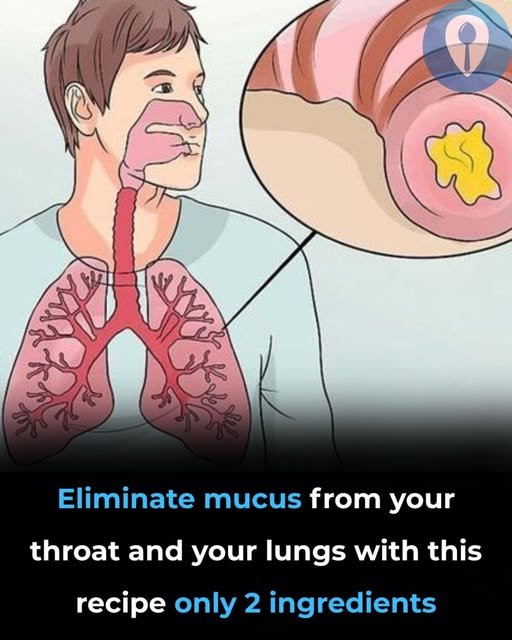
This easy 2-ingredient drink may help loosen mucus in your throat and chest A scratchy throat, constant need to clear mucus, or that heavy feeling in your chest can be uncomfortable and distracting. While there’s no instant “cure-all,” some simple, natural remedies can help soothe irritation and loosen mucus especially when symptoms are mild. One of the most popular approaches is a 2-ingredient mixture: honey and ginger. It’s easy to prepare, widely available, and backed by both traditional use and some scientific evidence for symptom relief. 🌿 Why Mucus Builds Up Before diving into the remedy, it helps to understand why mucus increases in the first place. Common triggers include: Colds or mild respiratory infections Allergies Dry air or pollution Post-nasal drip Mucus itself isn’t “bad”—it’s part of your body’s defense system. The goal is to reduce irritation and help it clear more comfortably. 🍯🧄 The 2-Ingredient Remedy: Honey + Ginger 1. Honey – A Natural Soothing Agent Honey has long been used to ease throat discomfort. What it does: Coats the throat, reducing irritation Has mild antimicrobial properties May help calm coughing Studies suggest honey can be as effective as some over-the-counter remedies for mild cough relief. 2. Ginger – A Natural Anti-Inflammatory Ginger contains compounds like gingerol, which may help: Reduce inflammation in the throat Support circulation Loosen mucus slightly

The Shocking Secret Behind Why Your Dog Sniffs People And What It Actually Means

It takes much more than just giving your pet regular food, clean water, and a cozy, warm place to sleep to be a truly responsible and caring dog owner. It is a profound path of discovery that entails fully comprehending how dogs transmit their deepest emotions and ideas as well as how they see the rich, dynamic world around them. Dogs mainly rely on their remarkable senses, particularly their sense of smell, to obtain crucial information about their surroundings, in contrast to humans who mostly rely on their vision to navigate daily life. This deeply rooted innate instinct plays a significant and frequently misinterpreted role in how they identify various individuals, investigate unfamiliar surroundings, and establish enduring trust with persons they come into contact with. It is far simpler to establish a peaceful, truly respected connection based on sincere understanding rather than annoyance or bewilderment when pet owners take the time to understand and accept these complicated behaviors. When a dog meets someone by sniffing them in ways that could feel extremely unpleasant or inappropriate in ordinary social contexts, it is a behavior that often surprises and occasionally even embarrasses people. From a dog’s particular point of view, this behavior is perfectly natural and anticipated, even though it can be totally unexpected. Dogs have such an advanced sense of smell that they can detect minute, intricate nuances that humans are unable to detect at all. The average human nose has only five million receptors, whereas their olfactory system has up to 300 million. They can determine a person’s identity, degree of familiarity, and even minute changes in their emotional states just by scent. A dog’s natural, built-in method of obtaining information and extending a warm greeting may seem quite strange or even intrusive to us. Dogs use scent as their main and most efficient means of communication as they do not rely on written or spoken human language. They can determine a person’s identity, if they have previously met them, and whether anything important has changed in their surroundings by using their sense of smell. Owners’ reactions to this sniffing habit are drastically altered when they see it as innocent curiosity rather than intentional misconduct. Rather than responding with displeasure, embarrassment, or frustration, they can skillfully and calmly steer the conversation. This profound comprehension makes daily interactions much more pleasant, secure, and constructive by lowering stress and anxiety for both the dog and the individuals involved. The Pheromones’ Secret World It’s crucial to explore the intriguing field of pheromones in order to fully comprehend why dogs sniff people. Our bodies spontaneously release these chemical signals, which contain a lot of invisible information. When a dog sniffs someone, it’s like reading an invisible journal about that person’s whereabouts, food, and emotional state. Do you feel anxious? Are you content? Do you feel scared? Dogs are able to detect whether a person’s cortisol or adrenaline levels are elevated. particular canines are drawn to particular people while avoiding others because of this amazing talent. They are always assessing their surroundings to identify potential threats and reliable, safe companions. A quick smell is not the end of the procedure. A dog’s air is divided into two pathways: one for breathing and another for smell. This enables them to hold onto smells in a specific region near the roof of the mouth called the vomeronasal organ. This distinctive anatomical characteristic functions as a supplementary olfactory system created especially for chemical communication. It gives the dog a thorough psychological and physiological profile by enabling them to examine the pheromones and hormones of the person they are engaging with. This is the key to how dogs can tell exactly who you are, how you’re feeling, and whether or not you’re a buddy. Establishing Boundaries and Training Excellent training, however, enables dogs to act appropriately in a variety of social situations without repressing their healthy, innate inclinations. Dogs can learn proper social boundaries by gentle, consistent instruction, such as teaching simple, dependable commands like sit or stay and generously rewarding calm greets. As they get regular feedback, they eventually start to react in a variety of social contexts with considerably greater assurance and civility. The ultimate objective is to mold and direct natural activity such that it blends in with shared, public areas rather than totally eradicating or ignoring it. Developing Your Patience Skills It takes perseverance, commitment, and optimism to strike this fine balance. When a dog starts sniffing a visitor, the owner might divert their focus to a treat or a toy as a way to thank them for staying composed. By using this technique, the dog learns that they can obtain information without jumping on humans or becoming unduly intrusive. Owners may create a perfectly balanced environment where people and pets feel totally at ease with patience and regular practice. Every encounter becomes a chance to deepen the relationship between the human and the animal, transforming a potentially difficult situation into a beneficial educational opportunity. Accepting the Viewpoint of Your Dog In the end, a whole new level of companionship is made possible by accepting how dogs perceive the world. Remember the intricate, unseen world your dog is discovering the next time they lean in to smell a companion. You are actively creating a communication bridge rather than merely controlling a pet by honoring their instincts and directing their behavior. Your relationship is transformed by this mutual respect, which guarantees that your dog always feels safe, understood, and incredibly loved.

R.I.P 😭Young woman dies at the hands of her… See more

The world is mourning the loss of a young woman whose life was tragically cut short. The heartbreaking news has left family, friends, and the community in shock as details emerge about the devastating incident. A Life Taken Too Soon The victim, a vibrant and promising young woman, had her whole life ahead of her. Known for her kindness, warmth, and positive spirit, she was loved by those around her. The circumstances of her passing remain deeply painful, as she lost her life at the hands of someone she may have trusted. As tributes pour in on social media, messages of sorrow, disbelief, and love highlight the profound impact she had on others. “I can’t believe you’re gone,” one friend wrote. “You were the light in every room you walked into. Rest in peace.” A Community in Shock The news of her untimely death has sent shockwaves through her community. People are struggling to comprehend how such a tragic event could happen to someone so full of life. Vigils and memorials are being planned in her honor, as loved ones come together to support one another in this difficult time. One family member shared, “She was everything to us. Our hearts are broken. We will never forget her smile, her laughter, and the love she gave so freely.” Seeking Justice Authorities have launched a full investigation into the circumstances surrounding her passing. While details are still emerging, there is a growing demand for justice. Many are hoping that those responsible will be held accountable and that her death will serve as a wake-up call to prevent future tragedies. Advocates are also using this moment to raise awareness about the dangers of domestic violence, toxic relationships, and the importance of seeking help in unsafe situations. Remembering Her Legacy Despite the pain of losing her, those who knew her are determined to keep her memory alive. Stories of her kindness, generosity, and dreams are being shared widely. Many believe that honoring her life means continuing to spread the love and positivity she embodied. Her sudden passing is a painful reminder of how fragile life can be. As her loved ones grieve, they take solace in knowing that she touched so many lives.

8 Signs You’re His Backup Plan (Not His Main Priority)….read more👇👇

8 Signs You’re His Backup Plan (Not His Main Priority) Here are some signs indicating you might be his second choice, allowing you to identify warning signals and make decisions that favor your happiness: In matters of love, being a priority is crucial. If your partner doesn’t see you as their first choice, it’s a sign that they might not be the right person for you. True love means wanting to make you happy and satisfied in the relationship.       Recognizing that you may be someone’s backup can be painful and exhausting, leaving you feeling undervalued and uncertain of your position in their life. You deserve to be prioritized, not treated as a secondary option. He Takes Forever to Text Back       Pexels Consistent delays in responses may indicate you’re not his top priority. Someone who values you would respond more promptly. He Makes Last-Minute Plans If he often arranges plans at the last moment, it suggests you might not be prioritized. A person who values your time would plan ahead.       He Doesn’t Go Out of His Way to See You If he seldom makes an effort to spend time with you, it implies you’re not his first choice. Someone who truly cares would invest effort in nurturing the relationship.       He Shows Up Late Consistent tardiness can indicate a lack of respect for your time, suggesting you’re not a priority. Punctuality is essential in any relationship. He Owns Dating Apps       Pexels If he has dating apps on his phone while in a relationship, it may indicate he’s keeping his options open, suggesting a lack of commitment. He Forgets Important Things Frequent forgetfulness regarding significant dates or events can imply you’re not on his mind, as genuine interest includes remembering important details. He Doesn’t Consult You for Major Decisions Pexels       If he makes significant choices without considering your input, it shows a lack of respect and partnership in the relationship. You’re the Only One Putting in Effort If you find yourself consistently making all the effort, it may suggest he’s not fully committed. Healthy relationships require mutual dedication; imbalance can lead to long-term dissatisfaction.

IF your tongue is white, this is a clear sign that you are suffering from…read more👇👇

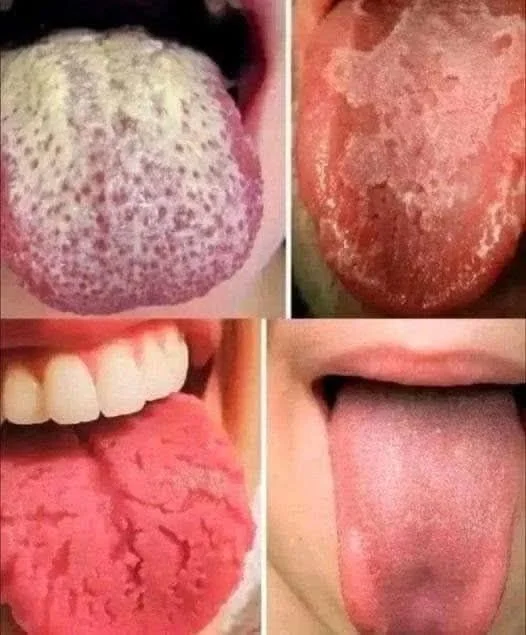
A Comprehensive Guide to White Tongue Causes Treatments White tongue, also known as coated tongue, is a condition in which the surface of the tongue appears white or yellowish due to the accumulation of debris, bacteria, and dead cells. It can be a temporary or a persistent problem and can be indicative of an underlying health condition. Do you ever look in the mirror and notice a white coating across your tongue? Does it make you feel uncomfortable or even worried that something might be wrong with your health? White tongue can oftentimes cause distress, but luckily there are easy treatments available to restore normal oral hygiene. In this comprehensive guide, we’re going to dive deep into the causes of white tongue and provide helpful advice on how to treat it safely. We’ll also share some important tips for maintaining good oral hygiene so that you can keep your mouth healthy for years to come. So read on and learn all about what causes white tongue—and how best to care for your teeth! What Is White Tongue? White tongue, a relatively common oral health issue, occurs when the tiny bumps, or papillae, on the surface of the tongue become swollen and inflamed. This condition often leads to a white, fuzzy or velvety coating that spreads across the tongue, leaving an unsightly and sometimes uncomfortable appearance. While it may seem alarming, white tongue is typically harmless and can be caused by various factors such as dehydration, poor oral hygiene, smoking, or excessive consumption of certain foods and drinks. Fortunately, addressing the root cause and maintaining proper oral care can effectively treat and prevent white tongue, ensuring a healthy, clean mouth and a confident smile.Why Is My Tongue White? When you glance in the mirror and notice a white coating on your tongue, it can be alarming at first, but there’s no need to panic. There are a few reasons your tongue might appear white, and most of them are easily treatable. One of the most common causes is a buildup of dead skin cells on the surface of the tongue, which traps bacteria and debris, creating a white film. Poor oral hygiene and dry mouth can exacerbate this issue, so it’s essential to brush your tongue regularly and keep hydrated.Another possible reason for a white tongue is a harmless yeast infection called oral thrush, which is more common in infants, the elderly, and individuals with weakened immune systems. This condition can typically be resolved with antifungal medication prescribed by your healthcare provider. Finally, remember that a white tongue could be a temporary side effect from something as simple as indulging in a creamy milkshake or consuming acidic foods. In this case, a thorough brushing and rinsing usually resolve the issue. Common causes of a white tongue 1- Poor oral hygiene Poor oral hygiene is a growing concern that often goes unaddressed due to lack of knowledge or simply neglect. The consequences of not maintaining a standard dental care routine can not only lead to bad breath and tooth decay, but it can also contribute to serious health issues such as gum disease and even heart problems. To combat these potential hazards, it is essential to prioritize regular dental visits, daily brushing and flossing, and using mouthwash for good measure. Raising awareness on the importance of maintaining a clean and healthy mouth can ignite positive change and help put an end to the vicious cycle of cavities, plaque, and tooth loss. After all, a stunning smile is not just an aesthetic quality; it is a testament to one’s overall health and well-being. 2- Dry Mouth Dry mouth, also known as xerostomia, is a common and often overlooked condition that can be both bothersome and detrimental to a person’s overall health. It occurs when the salivary glands aren’t able to produce adequate amounts of saliva, leading to an uncomfortable dry sensation in the mouth as well as potential difficulties in speaking, chewing, and swallowing. In addition to causing discomfort, insufficient saliva production may contribute to the development of tooth decay and gum disease, as saliva helps neutralize harmful acids and wash away food particles. Various factors can contribute to dry mouth, such as certain medications, aging, tobacco and alcohol use, or underlying medical conditions, like Sjögren’s Syndrome or diabetes. It is essential to discuss any persistent dry mouth symptoms with a healthcare professional, who can help identify the cause and provide appropriate treatments or lifestyle recommendations to help alleviate the issue and maintain a healthy oral environment. 3- Dehydration Dehydration, though easily preventable, can swiftly escalate into a serious concern if left unattended. A well-known consequence of inadequate wat er intake, dehydration holds an uncanny influence over our daily lives, affecting our physical performance, cognitive capabilities, and overall well-being. While we may rush to quench our thirst in the scorching heat, it’s crucial to remember that our bodies demand consistent hydration through various climates and seasons. Apart from the multitude of essential functions that water performs in our systems, the onset of dehydration can lead to fatigue, dizziness, and even brain fog, subtly sabotaging our productivity and focus. By cultivating a mindful approach to our fluid intake, we can easily stave off the risk of dehydration, and elevate the quality of both our health and our lives. 4- Smoking Or Other Oral Tobacco Use The habit of smoking or engaging in other forms of oral tobacco use has long been considered not only a dangerous vice but also a social concern. Despite the widespread knowledge of its hazardous effects on our health, such as lung cancer, heart problems, and respiratory diseases, the road to quitting this addiction can be a challenging and often daunting journey for many. The powerful grip of nicotine, coupled with societal pressures and personal triggers, has created a complex web of factors that make it difficult to break free from the shackles of tobacco use. Nevertheless, overcoming oral tobacco use is feasible and has been successfully achieved by … Read more

When a married man is attracted to another woman, he does these 9 things…See More>>>

More attentive… but at times distant. It’s not always obvious. There isn’t always a confession. And often, even he doesn’t fully understand what’s happening. But when a married man starts to feel attracted to another woman, his behavior changes… even if he tries to hide it. These are not exaggerated signs, but small details that, together, tell a story. 1. Change the way you communicate. Start responding differently. voids certain conversations. Appears less emotionally available. It’s not a sudden change, but it is constant. 2. Takes more care of his appearance. Suddenly, he pays more attention to how he looks: She dresses up more than usual. She changes the way she dresses. She uses perfume more often. She doesn’t necessarily do it consciously, but there’s an intention behind it. 3. It better protects your privacy. The phone becomes a “protected” object. He takes it everywhere. He avoids leaving it in plain sight. He changes passwords or habits. There isn’t always something specific, but there is a more reserved attitude. 4. He appears more distracted. He may be physically present… but not mentally. Forget simple things

I seriously had no idea of this method….see more

If you’re looking for a natural way to freshen your home, try mixing vinegar, salt, and water in a glass. This simple solution can help “neutralize odors” and improve air quality. Here’s how you can create it: Ingredients & Preparation You’ll need a glass, water, white vinegar, salt, and a spoon. Fill the glass halfway with water, add 2 tablespoons of vinegar and 1 tablespoon of salt. Stir until the salt dissolves. Place the glass in any room where you want fresher air. How It Works Vinegar, being “primarily acetic acid,” reacts with salt to release ions that capture airborne particles causing unpleasant smells. Benefits Within hours, you’ll notice odors like “cooking smells, pet odors, and mustiness” fading, creating a fresher environment. Safety Tips Keep the mixture out of reach of children and pets, and be mindful of any vinegar allergies. Conclusion This easy mixture offers a natural, eco-friendly way to freshen the air, though it’s not a substitute for proper cleaning and ventilation. Give it a try for “a cleaner living environment.”

20 Subtle Cancer Symptoms Commonly Missed….Read More…

What to watch for: Losing 10 pounds or 5% of your body weight without trying, over 6-12 months. Why it happens: Cancer cells compete for nutrients, and some cancers alter metabolism. Common cancers linked: Pancreatic, lung, stomach, esophageal. When to worry: If you haven’t changed your diet or exercise routine. 2. Persistent Fatigue What to watch for: Exhaustion that doesn’t improve with rest. Sleep doesn’t fix it. Coffee doesn’t touch it. Why it happens: Blood loss, metabolic changes, or the body’s constant effort to fight something. When to worry: If rest doesn’t restore you—for weeks. 3. Unexplained Pain What to watch for: Pain that persists without injury. A headache that won’t quit. Back pain that doesn’t respond to rest. Pain that wakes you at night. When to worry: Persistent, unexplained pain—especially if it’s new and doesn’t go away. 4. Persistent Cough or Hoarseness What to watch for: A cough that lingers for weeks. Hoarseness that doesn’t improve. Coughing up blood (even a little). When to worry: If you’re a smoker or former smoker, this deserves special attention. But anyone with a persistent cough should be evaluated. 5. Changes in Bowel Habits What to watch for: Blood in stool (bright red or dark/tarry) Persistent diarrhea or constipation Changes in stool shape (narrower than usual) Feeling that bowel doesn’t empty completely When to worry: Any persistent change lasting more than 2 weeks. 6. Difficulty Swallowing What to watch for: Food feels stuck in your throat or chest. Swallowing becomes effortful or painful. When to worry: Any episode of food feeling stuck. 7. Skin Changes What to watch for: New moles or spots Changes to existing moles (size, shape, color) Sores that don’t heal Yellowing skin or eyes (jaundice) The ABCDE rule for moles: Asymmetry: One half doesn’t match the other Border: Irregular, scalloped edges Color: Varied shades Diameter: Larger than 6mm (pencil eraser size) Evolving: Changing in any way When to worry: Any new or changing spot—see a dermatologist. 8. Unexplained Bleeding What to watch for: Blood in urine or stool Coughing up blood Vomiting blood or material that looks like coffee grounds Unusual vaginal bleeding (between periods, after menopause, after intercourse) When to worry: Any unexplained bleeding—don’t wait. 9. Persistent Fever or Night Sweats What to watch for: Fever that comes and goes without infection. Night sweats that soak through your clothes and sheets. When to worry: If you’re waking up drenched regularly—or running fevers without explanation. 10. Lumps or Thickening What to watch for: A new lump or thickening anywhere—breast, testicle, neck, armpit, groin. When to worry: Any new lump anywhere. Most are benign, but only a professional can tell. 11. Bloating or Abdominal Fullness What to watch for: Persistent bloating that doesn’t come and go with your cycle. Feeling full after eating very little. Common cancers linked: Ovarian, stomach, pancreatic. When to worry: Bloating that lasts more than 2 weeks. 12. Changes in Urination What to watch for: Blood in urine Changes in frequency Pain or burning with urination Difficulty starting or stopping Common cancers linked: Bladder, kidney, prostate. When to worry: Any persistent change. 13. Persistent Heartburn or Indigestion What to watch for: Heartburn that doesn’t respond to medication. Chronic indigestion. Common cancers linked: Esophageal, stomach, ovarian. When to worry: If it’s new, persistent, or different from your usual. 14. Mouth Changes What to watch for: White or red patches on gums, tongue, or cheek lining Sores that don’t heal Numbness in the mouth When to worry: Any patch or sore lasting more than 2 weeks. 15. Unexplained Bruising What to watch for: Bruises appearing without injury. Bleeding that takes longer than usual to stop. Common cancers linked: Leukemia, lymphoma. When to worry: If accompanied by fatigue, fever, or other symptoms. 16. Persistent Itching What to watch for: Itching without a rash, especially on legs and feet. Itching that gets worse at night. Common cancers linked: Lymphoma, liver cancer (bile duct obstruction). When to worry: If accompanied by weight loss, fatigue, or night sweats. 17. Finger Clubbing What to watch for: Fingertips enlarge and nails curve around them, like an upside-down spoon. Common cancers linked: Lung cancer. When to worry: Any change in nail shape—mention it to your doctor. 18. Swollen Lymph Nodes What to watch for: Lumps in the neck, armpit, or groin that don’t go away. Common cancers linked: Lymphoma, leukemia, metastatic cancers. When to worry: If nodes are painless, hard, and don’t shrink over 2-4 weeks. 19. Changes in Skin Texture What to watch for: Thickening, darkening, or reddening of skin. Velvety patches in body folds (acanthosis nigricans). Common cancers linked: Stomach, liver, colon (acanthosis nigricans can signal internal malignancy). When to worry: Any persistent change in skin texture. 20. Unexplained Back Pain What to watch for: Pain in the lower or middle back that doesn’t improve with rest or physical therapy. Common cancers linked: Pancreatic, kidney, prostate, multiple myeloma. When to worry: Back pain accompanied by weight loss, fatigue, or other symptoms. What This List Is—And Isn’t This list isn’t meant to frighten you. Most of these symptoms are caused by something far less serious than cancer. But ignoring them doesn’t make them go away—it just delays answers. Early detection saves lives. It’s that simple. When to see a doctor: Any symptom lasting more than 2-3 weeks without explanation Any symptom that is new, persistent, and concerning Any symptom that wakes you at night Any symptom accompanied by unexplained weight loss or fatigue You know your body better than anyone. If something feels off—even if it’s not on this list—trust that feeling. The Bottom Line Your body speaks in patterns. In persistence. In what doesn’t go away. Learn to listen.

Husbands With These 2 Bad Habits May Put Their Wives at Higher Risk of Breast Cancer – Stop Them Now Before They Harm The Whole Family

The influence of a husband’s habits on his wife’s well-being is far greater than many couples realize. Small daily choices — whether neglecting exercise or lighting a cigarette — can quietly accumulate into significant health risks over time. Many women don’t realize that their partner’s daily choices can have a direct impact on their own long-term health. Two common habits — often dismissed as harmless or purely personal — may quietly raise a wife’s risk of developing serious breast conditions. Breast health remains one of the most pressing concerns for women worldwide. It is well established that lifestyle and environment play a central role in shaping a woman’s risk, yet surprisingly, a husband’s behaviors can also influence outcomes in significant ways. A caring, supportive partner doesn’t just provide emotional security but also shares responsibility for protecting his wife’s health. Experts warn that two seemingly small habits, often overlooked in daily life, may indirectly but powerfully contribute to increased risk factors for breast disease in women. Recognizing these risks and adjusting together as a couple can go a long way in building not just a healthier lifestyle but also a more resilient relationship. Habit 1: Skipping Exercise, Pulling the Wife Into a Sedentary Lifestyle It may not seem related at first glance, but a husband’s reluctance to exercise can set the tone for his partner’s routines. Couples often influence one another’s behaviors more than they realize, especially after years of marriage. When a husband spends long hours sitting, avoids physical activity, and combines that with irregular eating habits, the wife is much more likely to adopt a similar lifestyle. Scientific studies have consistently linked physical inactivity and excess weight with a higher risk of breast problems, particularly among women over the age of 40. A lack of movement can disrupt hormonal balance, leading to increased estrogen levels — a factor known to accelerate abnormal cell growth in breast tissue. Without regular exercise, maintaining a healthy weight becomes difficult for both partners. Over time, this creates a household culture where unhealthy habits are normalized, making it almost impossible for the wife to sustain a protective, active lifestyle. Advice: Couples should commit to exercising together, whether through daily walks, fitness classes, or weekend sports. Beyond reducing health risks, shared physical activity can strengthen emotional bonds, improve mood, and create a sense of teamwork in protecting each other’s well-being. Cigarette smoke remains one of the most dangerous and underestimated household hazards. Even when smoking on balconies, in bathrooms, or away from common areas, the harmful particles cling to hair, skin, clothing, and surfaces — creating what experts call “third-hand smoke.” This invisible residue lingers in the home and continues to affect loved ones, especially a wife who shares close daily contact. Passive exposure to tobacco smoke has been proven to raise the risk of breast health complications, particularly for women in their pre-menopausal years. According to research from the World Health Organization, women living with smokers may face up to a 20–30% higher risk compared to those in smoke-free homes. The danger doesn’t stop at breast health. Secondhand smoke is also linked to long-term damage to the lungs, heart, and reproductive system. Even if a husband avoids smoking directly in front of his wife, the toxic particles he carries into the shared environment can leave a lasting impact. Advice: The most effective solution is complete cessation of smoking. Short-term alternatives, like smoking only outdoors, changing clothes, or showering before close contact, can reduce exposure but do not eliminate the risk entirely. Quitting altogether is the only way to ensure a safe, supportive environment for both partners. Building a Healthier Future Together The influence of a husband’s habits on his wife’s well-being is far greater than many couples realize. Small daily choices — whether neglecting exercise or lighting a cigarette — can quietly accumulate into significant health risks over time. On the other hand, conscious, shared lifestyle changes can lower those risks dramatically while strengthening trust and companionship in marriage. Protecting breast health is not just a woman’s responsibility. It is a shared journey where both partners play vital roles. By making small but meaningful adjustments today, couples can look forward to a future that is not only healthier but also more harmonious and fulfilling….