Cloves for the Skin: Benefits and How to Use Them….reading continue

When you hear about cloves, you probably think of a warm spice used in cooking or holiday drinks. But beyond the kitchen, cloves have been used for centuries in natural medicine and skincare. Thanks to their rich content of antioxidants, vitamins, and an active compound called eugenol, cloves can offer surprising benefits for the skin when used correctly. Key Benefits of Cloves for the Skin 1. Fight Acne and Bacteria Cloves contain strong antibacterial properties. Eugenol helps stop the growth of bacteria that cause acne, making clove oil and clove powder useful for people struggling with pimples, blackheads, or clogged pores. 2. Reduce Inflammation If you deal with redness, swelling, or painful breakouts, cloves may help. Their natural anti-inflammatory effect can calm irritated skin and speed up the healing process. 3. Slow Down Signs of Aging Cloves are packed with antioxidants, which fight free radicals that damage skin cells. Using cloves in your skincare routine can help reduce fine lines, wrinkles, and sagging, keeping your skin youthful and firm. 4. Brighten and Even Skin Tone Clove-based scrubs or masks can gently exfoliate, removing dead skin cells and revealing a brighter complexion. Regular use may help fade dark spots and give your face a natural glow. 5. Boost Blood Circulation When used in massage oils, clove oil can stimulate circulation under the skin. This helps deliver more oxygen and nutrients, leaving your skin refreshed and healthy-looking. How to Use Cloves for Skincare Important: Cloves and clove oil are very strong. Never apply clove essential oil directly to the skin. Always dilute it with a carrier oil (like coconut, jojoba, or almond oil) and do a patch test first. 1. Spot Treatment for Acne Mix 1 drop of clove essential oil with 1 teaspoon of carrier oil. Apply gently to pimples with a cotton swab. Use 2–3 times a week only. 2. Clove and Honey Face Mask Grind 2–3 cloves into a fine powder. Mix with 1 tablespoon of raw honey and a few drops of rose water. Apply to your face for 10–15 minutes, then rinse with lukewarm water. This mask helps fight bacteria while keeping skin soft and glowing. 3. Natural Exfoliating Scrub Combine clove powder, oatmeal, and plain yogurt. Massage gently onto damp skin in circular motions. Wash off with warm water. This removes dead skin cells and leaves your face smooth. 4. Herbal Steam for Detox Add a few cloves and lemon slices to a bowl of hot water. Place a towel over your head and steam for 5–10 minutes. This opens pores, clears impurities, and refreshes the skin. Final Thoughts Cloves are more than just a spice – they are a natural skincare ally. From fighting acne to reducing wrinkles and brightening the skin, cloves can make a big difference when used carefully. Remember, a little goes a long way. Start with small amounts, always dilute clove oil, and combine it with soothing ingredients like honey or yogurt for the best results. If you’re looking for a natural way to improve your skincare routine, cloves might just be the hidden gem you’ve been searching for.

MEN PREFER SHORT WOMEN BECAUSE: UNDERSTANDING THE PSYCHOLOGY BEHIND ATTRACTION

Men Prefer Short Women Because: Understanding the Psychology Behind Attraction Attraction is a fascinating mix of biology, psychology, and personal preference. While everyone’s type is unique, many studies and social observations suggest that some men tend to be more attracted to shorter women. But what lies behind this pattern? Let’s explore a few key reasons that explain the connection. 1. Natural Protective Instinct Many men subconsciously associate height differences with the instinct to protect and provide. This sense of physical difference can trigger a psychological feeling of masculinity and responsibility, leading some men to feel more confident around shorter women. 2. Perception of Femininity Height often influences how people perceive body language and overall appearance. Shorter women are sometimes viewed as more delicate or graceful, traits that are traditionally associated with femininity. This perception often plays a role in attraction dynamics. 3. Cultural and Social Influence Movies, magazines, and media have long portrayed couples where the man is taller. Over time, these consistent images help shape social norms and expectations. As a result, men may subconsciously prefer what they’ve been conditioned to see as an “ideal” height difference in relationships. 4. Compatibility and Body Language A height difference can naturally enhance affection gestures like hugging or holding hands. Many couples find that small differences in height make such moments feel more natural and comfortable, which can strengthen emotional bonds over time. 5. Confidence and Emotional Comfort Some men report that being taller than their partner boosts their self-esteem. It may help them feel more grounded and confident in the relationship, which contributes positively to mutual emotional security. 6. Personal Preference Matters Most While trends and studies can point to general tendencies, attraction is deeply personal. Many men fall in love with women based on personality, intellect, humor, and connection—regardless of height. What matters most is compatibility and emotional understanding. Final Thought At the end of the day, love doesn’t measure height—it measures connection. Whether tall or short, attraction is about how two people make each other feel. Everyone has their own definition of beauty, and that diversity makes relationships so wonderfully unique.

Why should you throw a bottle of water under the bed as soon as you check into a hotel?

  Renting a room at a motel or hotel to rest overnight during outings, travel or business trips has become very popular. One of the important things that people need to keep in mind when in unfamiliar places is safety. Why should you throw a bottle of water under the bed as soon as you check into a hotel? As soon as you check in, you should conduct a thorough check to avoid unwanted incidents. Normally, people often check the items in the room, bathroom and toilet to see if they have all the necessary equipment, and check to see if there are any suspicious devices, such as hidden cameras. However, not everyone pays attention to the area under the bed, which can pose potential safety risks for guests.Esther, a Dutch flight attendant with many years of experience at KLM airline, said every time she checks into a hotel, she throws a bottle of water under the bed as a precaution. This action helps detect if anyone is hiding there or if there is anything suspicious. When checking in at a motel or hotel, you can also try throwing a water bottle under the bed to test it. Throw the water bottle vigorously from this side of the bed. If there are people or obstacles underneath, the water bottle will not roll out. In that case, you can check under the bed yourself or ask someone to accompany you or contact the receptionist to check together. If there are no obstructions under the bed, the water bottle will easily roll from one side to the other. At that time, you will feel more secure about the safety of the room. Bending down to check under the bed as soon as you enter the room can make you surprised and embarrassed if there is someone lurking inside. On the contrary, throwing a water bottle under the bed gives you more time to prepare. If you detect anything unusual, you can quickly leave the room without having to bend down to check. If you feel uncomfortable or see something suspicious in your room, immediately leave and contact hotel security staff for assistance and a thorough check of the room. In addition, checking under the bed also helps you evaluate the hygiene level of the room. This is an area that cleaning staff can overlook, leading to a buildup of dirt and even trash. Many guests may accidentally drop furniture or throw trash under the bed, creating conditions for mice and other insects to breed. Therefore, checking under the bed when checking in at a motel or hotel will help you protect your interests and safety during your stay.

Many people still think that these 2 buttons is just for flushing

Modern-day toilets come with two types of flushes, one is smaller than the other. They are called ‘dual flush’ toilets but ever wondered why are you given that option? We tell you. The concept of dual flush THE CONCEPT OF DUAL FLUSH: The modern-day double flush toilets come with two different types of levers or buttons. One is larger, while the other is smaller and each button is connected to its own exit valve.It is for water conservation IT IS FOR WATER CONSERVATION: The larger lever is to flush out around 6 to 9 liters of water, whereas the smaller lever is to flush out around 3 to 4.5 liters of water. Clearly, the larger one is to flush solid waste and the smaller one is to flush liquid waste.HOW MUCH WATER DO YOU SAVE? It has been calculated that if a household adopts the practice of dual flushing, it can save up to 20,000 liters of water in a year when compared with single flushes. Though the installation may cost you a little more than the normal flush, it is eco-friendly and helps cut down on water bills. Implementation IMPLEMENTATION: The dual flush concept is the brainchild of American industrial designer Victor Papanek, proposed by him in his book ‘Design for the real world’ in 1976. It was first implemented in Australia in 1980. Get smart GET SMART: So, the next time you use the toilet, flush as per your need. If you only urinate, go for the smaller lever. It can either be small in size or will have an image, such as a half or small circle or a small raindrop, indicating that it is the small flush. If you go to take a dump, only then you must press the larger lever, which again will either be bigger in size or have visual indicators.

10 Polite Habits Of People Over 50 That Really Tick Us Off…more details in comment

From the time we are young, we are told to be polite. Our parents gave us the advice to say please, and thank you, and hold the door for others. As we get older, we may pick up other habits that we consider to be polite but that doesn’t necessarily mean that they are all going to fall into the nice category. In fact, many of the common polite habits of people over 50 are downright annoying. 1. Long Emails and Text Messages: When it comes to communication, those under 50 tend to keep it short and sweet. People over 50, however, will often write lengthy, formal emails and text messages. Who needs it? 2. Handwritten Thank You Notes: This is a rather unusual thing because it has been considered to be polite for many years. Writing a letter and mailing it may not be a popular choice, which is why many younger people feel it is old-fashioned and annoying. 3. Landline Phones: People over 50 can still remember a time when landline phones were the only option. They still tend to gravitate toward them, but the younger generation feels it is annoying. 4. Lecturing: When you are older you have gathered a lot of wisdom and you want to share it. Lecturing younger people or giving unsolicited advice is an annoyance to them. 5. Not being available: If you follow more of a traditional schedule because it is something you have done for decades, you may be annoying the younger generation. You should be connected 24 hours a day if you want to be young and hip. 6. Uninvited: It may have been considered nice to stop by uninvited at one time but today, it is out of the question. Surprise visits are often unwelcome and younger people find it to be inconvenient and intrusive. 7. Voicemails: Leaving a voicemail is something that many people over 50 consider to be polite. For those who are under 50, it is just an annoyance because they know you called, they’ll just call you back or send you a text message if they want to talk to you. 8. Not Texting First: It is a relatively common practice these days to send somebody a text message before calling. People over 50 tend to call without texting first. How dare they! 9. Immediate Responses: If you are over 50, you will see an immediate response as being respectful and convenient. There is a lot of pressure to respond instantly these days, and younger people often find it to be overwhelming. 10. Using Titles: Calling somebody using a formal title, such as Mr., Mrs., or Dr., is often considered to be polite, but the younger generation does not agree. They like to keep things casual and don’t add formality if not needed.

The Sneaky Danger of High Cholesterol….FULL aRTICLE IN 1ST COMMENT

Cholesterol is essential—it helps build cells and produce hormones—but too much of it can spell trouble. When levels rise, fatty deposits called plaque can clog arteries, setting the stage for heart attacks, strokes, and other serious issues. Over 90 million Americans have high cholesterol, yet many don’t know it because it often hides without obvious symptoms. The catch? Your body may drop subtle hints, and ignoring them could cost you. Let’s explore the 10 warning signs your body might be using to flag high cholesterol, paired with real stories to keep you hooked and empowered to act. 10 Warning Signs Your Body Might Be Sending ❤️ Chest Pain or Angina Imagine a tight, squeezing pressure in your chest that stops you in your tracks. For Emma, 55, this was her wake-up call. High cholesterol can cause plaque buildup in heart arteries, restricting blood flow and triggering chest pain known as angina. This discomfort, often described as heaviness or burning, is a red flag that your heart needs attention. Ignoring it could lead to serious complications. Could this be happening to you? The next sign might hit closer to home. 😓 Shortness of Breath Climbing a flight of stairs shouldn’t leave you gasping, but for John, 60, it did. When cholesterol clogs arteries to the heart or lungs, oxygen delivery suffers, making even light activity feel exhausting. If you’re winded after simple tasks or struggle to catch your breath, your body might be signaling reduced circulation. This warning is critical, but the next clue could explain your daily fatigue. 😴 Constant Fatigue and Low Energy Ever feel drained despite sleeping well? Sarah, 48, did—until she addressed her cholesterol. Poor circulation from plaque buildup means less oxygen reaches your muscles and tissues, leaving you tired and low on stamina. This exhaustion isn’t just a bad day; it could point to cholesterol issues. The next sign takes the problem to your legs. 🦵 Leg Pain or Numbness Mark, 57, loved evening walks until leg cramps made them unbearable. High cholesterol can narrow arteries in the legs, causing peripheral artery disease (PAD). This leads to cramping, numbness, or a cold sensation in one foot compared to the other. If walking feels painful or your legs tingle, your body might be crying for help. But wait—the next sign shows up on your skin. 🟡 Yellowish Skin Patches (Xanthomas) One day, Clara, 50, noticed waxy, yellowish bumps near her eyes. These patches, called xanthomas, are cholesterol deposits under the skin, often appearing around eyelids, elbows, or joints. While harmless, they’re a visible clue of high cholesterol levels. Clara’s doctor confirmed her levels were elevated, prompting action. The next sign involves your eyes directly. Read more on next page

Boost Hair Growth and Strength with Hair Treatment Made From Cloves and Coffee….reading continue👇👇👇

Cloves and coffee may not be the first ingredients that come to mind for promoting healthy, strong, and shiny hair. However, these two natural powerhouses offer a range of benefits for your hair and scalp. Cloves, rich in antioxidants, vitamins, and minerals, are known for their ability to stimulate hair growth and reduce hair loss. Coffee is packed with caffeine and antioxidants that stimulate blood circulation to the scalp, promote hair growth, and enhance the shine and texture. In this article, we’ll explore the incredible hair benefits of cloves and coffee, how they work together to improve hair health and share some easy DIY remedies to incorporate them into your hair care routine. #1. The Hair Benefits of Using Cloves and Coffee Cloves and coffee are two ingredients with numerous benefits for your hair. Let’s dive into the specific ways they can help improve your hair health. Cloves for Stimulating Hair Growth Cloves are rich in essential nutrients like vitamin C, eugenol, and flavonoids, which help stimulate blood circulation to the scalp. Improved blood flow ensures that hair follicles receive the nutrients they need to promote healthy hair growth.

The Color of Your Stool Is Warning You About Your Health! (Check Your Poop Color!)..full Article👇👇👇

Most people don’t talk about poop, but it’s actually one of the easiest ways to check on your health. The color, shape, and consistency of your stool can give important clues about digestion, hydration, and even serious medical conditions. In this article, we’ll break down what different poop colors mean and when you should pay attention. Why Stool Color Matters Your stool gets its normal brown color from bile, a fluid made by your liver that helps digest fats. When something disrupts digestion, bile flow, or gut health, the color may change. While some changes are harmless (like after eating colorful foods), others could be a red flag for your health. Illustration idea: A simple infographic showing the digestive system with arrows pointing to the liver, gallbladder, and intestines. Normal Brown Stool Brown is the “healthy” color. It means your digestive system is working well, and bile is flowing normally. Illustration idea: A happy cartoon poop with a green checkmark. reen Stool Green stool often means food moved through your intestines too quickly, not giving bile enough time to break down. It can also be caused by eating green leafy vegetables, iron supplements, or food coloring. Possible causes: Eating lots of spinach, kale, or broccoli Iron supplements Diarrhea Illustration idea: A green stool icon with spinach leaves beside it. Yellow or Greasy Stool Yellow stool can look greasy or smell unusually bad. This may mean fat isn’t being absorbed properly, which can happen with celiac disease, pancreatitis, or gallbladder issues. Possible causes: Malabsorption (problems absorbing nutrients) Gallbladder or pancreatic disorders Celiac disease Illustration idea: A yellow stool sample with an oily shine, labeled “malabsorption.” Black Stool Black stool can be caused by iron supplements or medications, but it may also signal bleeding in the upper digestive tract (like the stomach or esophagus). This is serious and should be checked by a doctor immediately. Possible causes: Iron supplements or bismuth (Pepto-Bismol) Upper gastrointestinal bleeding Certain foods (like black licorice or blueberries) Illustration idea: A warning sign icon next to a black stool sample. Red Stool Red stool is often alarming. Sometimes, it’s just from eating beets or red food coloring, but it can also mean blood from hemorrhoids, anal fissures, or colon problems. Possible causes: Beets, red food dye, or tomatoes Hemorrhoids Anal fissures Colon bleeding Illustration idea: A red stool sample with a beet beside it and a medical cross icon. Pale, Clay-Colored, or White Stool If your stool looks very light, pale, or almost white, it may mean bile isn’t reaching your intestines. This could signal liver disease, gallstones, or bile duct blockage. Possible causes: Bile duct obstruction Liver disease (hepatitis, cirrhosis) Gallstones Illustration idea: A pale stool sample with a liver icon in the background. When to See a Doctor If stool color change lasts more than a few days If you see blood (red or black) If stool is pale/white If accompanied by pain, nausea, weight loss, or fatigue Illustration idea: A doctor consultation graphic with stool color chart on clipboard. Final Thoughts Your poop color is like a health report card. While occasional changes are normal, consistent unusual colors may signal a health problem. Always pay attention to what your body is telling you—it could save your life. Illustration idea: A complete “Poop Color Chart” infographic summarizing all colors and meanings.

ALERT! 7 Strange Signs Your Kidneys Are Crying for Help…..reading continue 👇👇👇

Ever wake up feeling like your body’s trying to tell you something, but you can’t quite crack the code? Maybe it’s a weird puffiness around your eyes or a nagging itch that won’t quit. Your kidneys—those bean-shaped powerhouses—might be sending SOS signals you’re brushing off as “just life.” Ignoring these subtle clues could mean missing a chance to catch kidney issues early. Ready to decode what your body’s whispering before it turns into a shout? Let’s uncover seven strange signs your kidneys might be begging for help. But why should you care about these silent alarms? Why Your Kidneys’ Whispers Matter Your kidneys filter waste, balance fluids, and keep your body humming. When they struggle, the effects ripple—energy crashes, swelling creeps in, and worse could follow. The National Kidney Foundation says over 37 million Americans have kidney disease, often without knowing it. Catching early signs can make all the difference. Ever wonder what odd symptoms you’re dismissing daily? These strange signals might be hiding in plain sight. Let’s dive into the first one that’s easy to overlook. The Strange Signs You’re Missing 1. Puffy Eyes That Greet You Every Morning Picture this: you glance in the mirror, and your eyes look like you’ve been crying all night. Lisa, 42, blamed her puffy eyes on allergies, but they lingered. Swelling around the eyes can signal kidneys struggling to manage fluid and protein. Studies link this to early kidney dysfunction. Are your eyes puffier than usual? The next sign might catch you by surprise. 2. Itchy Skin That Drives You Wild Imagine scratching your arms until they’re raw, like an itch you can’t escape. This relentless prickling, often worse at night, can stem from waste buildup when kidneys falter. Research shows high phosphorus levels in kidney issues trigger this. Have you been itching more than normal? Keep reading—another clue’s sneaking up. 3. Foamy Urine That Looks Like Soda Fizz Ever notice your urine bubbling like a shaken soda? John, 50, thought it was just “weird” until tests showed protein leakage, a kidney red flag. Foamy urine often points to kidneys letting protein slip through. Is your bathroom break raising eyebrows? The next sign’s even stranger. 4. Fatigue That Feels Like a Heavy Blanket You’re dragging through the day, like wading through molasses. Kidney issues can lower red blood cell production, starving you of energy. Studies tie this to anemia from reduced erythropoietin. Feeling more tired than usual? The next clue might be hiding in your legs. 5. Swollen Ankles That Feel Like Marshmallows Picture slipping on shoes, only to find your ankles puffy and soft. Fluid retention from struggling kidneys can cause this swelling, called edema. Lisa noticed it during long workdays but blamed tight socks. Are your ankles ballooning? The next sign’s a silent disruptor. 6. Metallic Taste That Ruins Your Coffee Your morning coffee suddenly tastes like you’re licking a spoon. This odd metallic taste, paired with bad breath, can signal waste buildup in your blood from kidney issues. Research links it to uremia, a sign of declining kidney function. Is your food tasting off? The final sign could change everything. 7. Shortness of Breath After Simple Tasks Imagine climbing a few stairs and gasping like you ran a marathon. Poor kidney function can cause fluid buildup in the lungs, making breathing harder. John felt this during walks and thought it was just age. Could your breathlessness be a kidney cry? But wait, what can you do about it? Comparing Kidney Warning Signs Symptom What It Feels Like Possible Cause Puffy Eyes Swollen, baggy eyes in the morning Fluid and protein imbalance Itchy Skin Relentless, deep itching Waste buildup, high phosphorus Foamy Urine Bubbly, frothy urine Protein leakage in kidneys Fatigue Heavy, unrelenting tiredness Anemia from low erythropoietin Swollen Ankles Puffy, soft ankles or feet Fluid retention (edema) Metallic Taste Metal-like taste, bad breath Waste buildup in blood (uremia) Shortness of Breath Gasping after minimal effort Fluid buildup in lungs Steps to Listen to Your Kidneys You might be thinking, “This sounds worrying—where do I even begin?” Start simple: notice these signs daily and jot them down. A symptom log can reveal patterns, like Lisa did when her puffiness persisted. Stay hydrated—research suggests adequate water supports kidney function. Watch your diet: cut back on salty snacks, as excess sodium strains kidneys. John swapped chips for veggies and felt lighter. Wondering if it’s too much hassle? Small changes add up. Always check with a doctor for tests like bloodwork or urinalysis to catch issues early. Worried about time or cost? Many clinics offer quick screenings. What’s the next step to keep your kidneys happy? How to Act Safely Action How to Do It Safety Tips Track Symptoms Log daily changes in a notebook Note frequency, discuss with doctor Stay Hydrated Drink water throughout the day Avoid sugary drinks, moderation is key Adjust Diet Reduce salt, add fruits and veggies Consult a dietitian for kidney-friendly plans Seek Medical Advice Request kidney function tests Choose trusted healthcare providers Don’t Ignore the Whispers—Act Today Your kidneys are working hard, but these strange signs scream they need help. Catching them early could mean more energy, less discomfort, and peace of mind. Imagine sipping coffee without a metallic tang or walking without swollen ankles. Lisa regained her mornings; John rediscovered his stamina. You could be next. Start now: check for these signs, tweak your habits, and talk to a doctor. Waiting could mean louder symptoms down the road. Why miss the chance to feel your best? Share this with someone who might need a wake-up call. P.S. Did you know drinking water first thing in the morning can give your kidneys a gentle boost? This article is for informational purposes only and not a substitute for professional medical advice. Consult your healthcare provider for personalized guidance.    

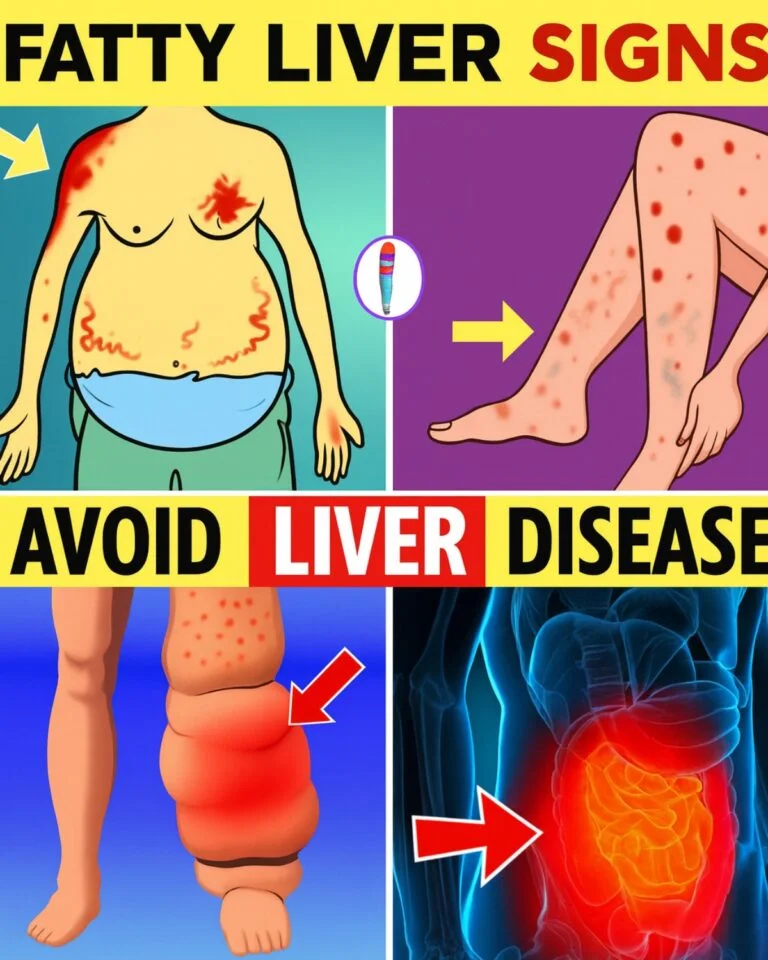
7 Early Signs of Fatty Liver Disease You Shouldn’t Ignore….read more check the 1st comment

Picture this: you’re sipping coffee, feeling a strange heaviness in your stomach, and wondering why you’re so tired lately. Could your body be whispering a warning? Non-alcoholic fatty liver disease (NAFLD) affects up to 25% of adults worldwide, often sneaking up without obvious symptoms. Left unchecked, it can lead to serious health issues. What if you could spot the early signs right now? Your liver might be trying to tell you something, and the clues are closer than you think. Ready to uncover seven subtle signs of NAFLD that could change how you care for your health? Let’s dive in—but first, why is this silent condition so sneaky? The Hidden Threat of Fatty Liver Disease NAFLD occurs when excess fat builds up in your liver, often tied to diet, weight, or lifestyle, without heavy alcohol use. It’s a quiet troublemaker—many don’t notice until it progresses. Left ignored, it can lead to inflammation, scarring, or worse. Studies show 1 in 4 Americans may have NAFLD, yet most brush off early signs as “just stress.” Ever wonder what your liver’s trying to say? Recognizing these signs could be your first step to better health. Curious about the first clue? It’s one you might feel daily. 7. Persistent Fatigue: The Energy Drain Imagine Sarah, 46, dragging through her day, coffee in hand, yet still exhausted. She blamed work stress until her doctor flagged her liver. Fatigue is a common NAFLD sign, as your liver struggles to process toxins, leaving you drained. Research links liver fat to reduced energy metabolism. If you’re tired despite sleeping well, your liver might be overworked. Could this be your body’s cry for help? But hold on, the next sign might hit closer to home. 6. Abdominal Discomfort: The Subtle Ache Ever feel a dull ache under your right ribcage, like a heavy meal that won’t settle? John, 52, ignored it for months, thinking it was indigestion. That area houses your liver, and discomfort there could signal fat buildup. Studies suggest NAFLD may cause mild pain or fullness due to liver enlargement. Notice it after eating fatty foods? Your liver’s waving a red flag. Wondering what else to watch for? The next sign’s easy to miss. 5. Unexplained Weight Gain: The Sneaky Shift You’re eating the same, but your jeans feel tighter. Lisa, 49, noticed a few extra pounds despite no lifestyle changes. NAFLD can disrupt metabolism, causing weight gain, especially around your midsection. Research shows insulin resistance, common in NAFLD, promotes fat storage. If your waistline’s creeping up without reason, your liver might be involved. Think it’s just aging? The next sign could change your mind. 4. Bloating or Swelling: The Fluid Puzzle Ever feel puffy, like your body’s holding onto water? Mark, 55, noticed his ankles swelling and his stomach bloating. Fluid retention can signal early NAFLD, as your liver struggles to balance proteins. Studies indicate mild swelling may occur before severe liver issues. If your rings feel tight or your belly seems bloated, take note. Could your liver be sending an SOS? The next sign’s even more surprising. 3. Dark Urine: The Color Clue Imagine glancing at the toilet and noticing your urine looks darker than usual. Emily, 50, shrugged it off as dehydration, but it persisted. Dark urine can hint at NAFLD, as your liver’s reduced function affects waste filtering. Research connects liver stress to changes in urine color. If water doesn’t clear it up, your liver might need attention. Curious about another subtle sign? This one’s on your skin. ALERT! 7 Strange Signs Your Kidneys Are Crying for Help Sign Possible Cause What to Watch For Why It Matters Persistent Fatigue Reduced energy metabolism Constant tiredness Signals liver overload Abdominal Discomfort Liver enlargement Ache under right ribcage Indicates fat buildup Unexplained Weight Gain Insulin resistance Midsection weight gain Reflects metabolic disruption Bloating/Swelling Protein imbalance Puffy ankles, bloated belly Early liver stress Dark Urine Impaired waste filtering Persistent dark color Shows liver function issues Itchy Skin/Rashes Toxin or bile buildup Unexplained itch or patches Suggests liver dysfunction Brain Fog Toxin clearance issues Trouble focusing Impacts daily mental clarity How to Respond Safely to These Signs Wondering, “What now?” Start by noticing patterns—track fatigue, aches, or skin changes for a week. Sarah and Tom found clarity by jotting down symptoms. Avoid self-diagnosing; NAFLD shares signs with other conditions. Research a balanced diet rich in greens and lean proteins, which may support liver health. Worried about risks? Always consult a healthcare provider for tests like bloodwork or imaging. Action How to Start Safety Tips Track Symptoms Note signs daily in a journal Be honest, include diet and sleep Adjust Diet Add veggies, reduce processed foods Avoid drastic changes without guidance Consult a Doctor Schedule a checkup, mention symptoms Share full health history Take Charge of Your Liver Health Don’t let these signs steal your vitality. Fatigue, abdominal aches, or brain fog could be your liver’s plea for attention. Imagine waking with energy, your mind clear and body light. Start small—track one symptom this week or swap a sugary snack for fruit. Share this with someone who might need it; they’ll thank you. P.S. Did you know drinking water with lemon might support liver detox? 2. Itchy Skin or Rashes: The Surface Signal Your skin’s itching, or small red patches appear, and you can’t pinpoint why. Tom, 47, scratched for weeks, blaming allergies. NAFLD can cause skin irritation due to toxin buildup or bile issues. Studies suggest liver dysfunction may trigger mild rashes or itchiness. If creams don’t help, your liver could be the culprit. Think it’s just dry skin? The final sign might shock you. 1. Brain Fog: The Mental Haze Ever struggle to focus, like your brain’s wading through fog? Jane, 53, felt her sharpness slip, forgetting small tasks. NAFLD may impair toxin clearance, affecting brain function. Research links liver health to cognitive clarity, with early NAFLD causing subtle mental haze. If your mind feels cloudy, your liver might be struggling. This could be the … Read more