Do you drool when you sleep? What it means for your health

Do you find yourself waking up with damp pillowcases or frequently experience embarrassing moments due to drooling during sleep? If so, you’re not alone. Many people experience drooling during sleep, but what exactly does it mean for your health? Understanding Drooling During Sleep Drooling during sleep, also known as sleep drooling or nocturnal sialorrhea, refers to the unintentional flow of saliva from the mouth during sleep. While occasional drooling is normal and may occur due to factors like sleeping position or certain medications, excessive drooling could indicate underlying health issues. Causes of Drooling During Sleep Several factors can contribute to drooling during sleep: Overproduction of saliva: Sometimes, the salivary glands produce more saliva than usual, leading to drooling. Sleep position: Sleeping on your side or stomach can make it easier for saliva to escape from your mouth. Medications: Certain medications, such as those that cause muscle relaxation or excessive saliva production, can increase the likelihood of drooling during sleep. Medical conditions: Conditions like allergies, sinus infections, or neurological disorders may also play a role in excessive drooling. The Link Between Drooling and Health While occasional drooling may not be cause for concern, persistent or excessive drooling could affect your health in various ways. Impact on Oral Health Excessive drooling can contribute to oral health issues such as: Gum irritation: Prolonged contact with saliva can irritate the gums and increase the risk of gum disease. Tooth decay: Saliva contains enzymes that help break down food particles, but excessive exposure to saliva during sleep can also contribute to tooth decay. Relationship with Sleep Disorders Drooling during sleep may also be associated with certain sleep disorders, including: Sleep apnea: Individuals with sleep apnea may experience disrupted breathing during sleep, which can lead to increased saliva production and drooling. Narcolepsy: Narcolepsy, a neurological disorder characterized by excessive daytime sleepiness and sudden sleep attacks, may also be accompanied by drooling during sleep.     Potential Health Implications of Excessive Drooling While occasional drooling may not pose significant health risks, persistent or excessive drooling could lead to: Dental problems: Increased saliva production and prolonged exposure to saliva can contribute to tooth decay, gum disease, and oral infections. Respiratory issues: Excessive drooling during sleep may increase the risk of aspiration, where saliva or other substances enter the airways and lungs, leading to respiratory problems. Sleep disturbances: Constant waking due to discomfort from drooling can disrupt sleep patterns and contribute to daytime fatigue and irritability. How to Manage Drooling During Sleep If you frequently experience drooling during sleep, there are several strategies you can try to manage it: Adjusting sleep position: Sleeping on your back with your head elevated may help prevent saliva from pooling in your mouth and reduce drooling. Using specialized pillows: Orthopedic pillows designed to support proper head and neck alignment may help minimize drooling by keeping your airways clear. Seeking medical advice: If drooling persists despite lifestyle changes, consult a healthcare professional to rule out underlying medical conditions or discuss potential treatment options.     When to See a Doctor While occasional drooling during sleep is normal, you should consider seeking medical advice if: Drooling persists: If you consistently wake up with excessive drool on your pillow or clothing, it’s worth discussing with a doctor. Associated symptoms: If drooling is accompanied by other symptoms such as difficulty swallowing, breathing problems, or daytime fatigue, seek prompt medical attention. Conclusion Drooling during sleep is a common phenomenon that can have various implications for your health. While occasional drooling may not be cause for concern, persistent or excessive drooling could indicate underlying health issues or contribute to oral health problems, respiratory issues, and sleep disturbances. By understanding the potential causes and implications of drooling during sleep, you can take steps to manage it effectively and improve your overall well-being.
The Surprising Benefits of Daily Walking for Your Heart and Mind

Walking is one of the simplest yet most effective exercises for boosting overall health. Unlike high-intensity workouts that require special equipment or gym memberships, walking is accessible to almost anyone and can be done anywhere, at any time. Despite its simplicity, incorporating daily walks into your routine offers a wide array of surprising benefits for both your heart and mind. In this article, we’ll explore how walking can enhance heart health, improve mental well-being, and elevate your quality of life.The Surprising Benefits of Daily Walking for Your Heart and Mind1. Walking and Heart Health1.1. Enhances Cardiovascular FunctionWalking is a great form of aerobic exercise that strengthens the heart and boosts circulation. A brisk walk increases your heart rate, improving cardiovascular endurance. Studies show that people who walk regularly have a significantly lower risk of heart disease, high blood pressure, and stroke. 1.2. Lowers Blood PressureWalking on a daily basis helps regulate blood pressure by improving blood flow and reducing strain on the arteries. Just 30 minutes of walking each day can lower both systolic and diastolic blood pressure, decreasing the risk of hypertension.1.3. Reduces Cholesterol LevelsRegular walking helps balance cholesterol levels by raising “good” HDL cholesterol and lowering “bad” LDL cholesterol. This helps maintain healthy, clear arteries and prevents plaque buildup that can contribute to heart disease. 1.4. Assists in Weight ManagementWalking is an effective way to manage weight, a key factor in cardiovascular health. A consistent walking routine helps burn calories, boosts metabolism, and reduces belly fat, which is particularly linked to a higher risk of heart disease.2. Walking and Mental Health2.1. Reduces Stress and AnxietyWalking, especially in natural settings, has been shown to lower levels of cortisol, the body’s primary stress hormone. A daily walk can help clear your mind, reduce tension, and promote relaxation, making it a great way to manage anxiety.2.2. Boosts Mood and Reduces DepressionWalking triggers the release of endorphins, which are the body’s natural mood enhancers. These “feel-good” hormones can help alleviate symptoms of depression and improve overall emotional well-being. Walking outdoors, in places like parks or beaches, can amplify these benefits by exposing you to fresh air and sunlight.2.3. Improves Cognitive FunctionRegular walking has been linked to better memory, focus, and overall cognitive function. It increases blood flow to the brain, which reduces the risk of cognitive decline and neurodegenerative diseases like Alzheimer’s and dementia. A study in Neurology showed that those who walked often had a reduced risk of developing cognitive impairment. 2.4. Enhances Creativity and Problem-Solving SkillsWalking can also boost creativity and problem-solving abilities. The rhythmic movement of walking has been found to stimulate creative thinking, which is why many successful entrepreneurs and writers incorporate walking into their daily schedules.3. Additional Benefits of Daily Walking3.1. Strengthens Muscles and BonesWalking engages multiple muscle groups, including the legs, core, and even the arms. This low-impact activity also strengthens bones, helping to prevent osteoporosis and fractures, especially in older adults. 3.2. Improves Sleep QualityRegular physical activity like walking can improve sleep by regulating the body’s internal clock. It helps individuals fall asleep more quickly and enjoy deeper, more restorative sleep cycles.3.3. Enhances Social ConnectionsWalking can also be a social activity, whether done with family, friends, or walking groups. This fosters emotional support and reduces feelings of loneliness, improving overall social well-being.3.4. Increases LongevityStudies have shown that walking regularly can extend your lifespan. For instance, a study published in JAMA Internal Medicine found that people who walked at least 7,000 steps a day had a significantly lower risk of early death compared to those who were less active.4. How to Incorporate Walking Into Your Daily RoutineTo enjoy the full benefits of walking, consider the following tips:Set a Goal: Aim for at least 30 minutes of brisk walking daily, or try to reach 7,000-10,000 steps.Use a Pedometer or Fitness Tracker: These devices help track your steps and keep you motivated.Make It Enjoyable: Listen to music, podcasts, or audiobooks to make your walks more engaging.Walk with a Friend: Having a walking buddy can make the activity more fun and keep you accountable.Take the Stairs: Skip the elevator and opt for the stairs whenever you can.Walk Instead of Driving: For short distances, consider walking instead of driving.Schedule Walking Breaks: If you have a desk job, take short walking breaks throughout the day.Explore New Routes: Change your walking path to keep things interesting and avoid boredom.5. ConclusionWalking is one of the most accessible yet powerful exercises for both physical and mental health. It can improve cardiovascular function, reduce stress, boost cognitive performance, and even increase longevity. By incorporating daily walks into your routine, you can enjoy lasting health benefits with minimal effort.Start by taking a short walk today, and gradually increase your pace and distance. Your heart, mind, and overall health will thank you for it!Read more today’s horoscopes for all zodiac signs:Aries (March 21 – April 19):Today, Aries is full of energy and determination. You may face some challenges, but with a positive attitude, you’ll overcome them easily. Stay focused on your long-term goals.Taurus (April 20 – May 20):Taurus may experience some tension in relationships today. You need to be more flexible and patient. Don’t hesitate to make small changes to maintain harmony.Gemini (May 21 – June 20):Gemini will have an exciting day with many conversations and new interactions. Opportunities to learn and expand relationships will arise. Don’t hesitate to share your ideas.Cancer (June 21 – July 22):Cancer may feel emotionally unsettled today. Try to find a quiet space to relax and regain balance. Family and friends will be your strong support.Leo (July 23 – August 22):Leo will face some challenges at work today, but if you maintain confidence and decisiveness, everything will go smoothly. Be persistent and don’t give up easily.Virgo (August 23 – September 22):Virgo will have a calm and inspiring day. If you work in a creative field or need innovative thinking, today is a perfect time to come up with new ideas.Libra (September 23 – October 22):Libra may have difficulty balancing work and personal life today. Don’t forget to take time for yourself and loved … Read more

Men prefer small women because these have….see more

When choosing a mate, humans generally tend to look for partners with specific characteristics. Studies have reported that these characteristics include specific character or personality traits, such as kindness or honesty, but also physical traits such as age or physical attractiveness. Scientists have proposed that these mate preferences serve the goal of selecting mates with high genetic quality, and high resource or reproductive potential. One preference widely observed across different cultures is the preference for height. Height tends to be related to a number of health outcomes and social characteristics. Therefore, it is not surprising that height is taken into account when selecting a mate. Studies have found that taller individuals have a lower risk of dying from various causes compared to shorter individuals. Shorter men, on the other hand, tend to have less social and reproductive success. Studies have shown that young heterosexual women from western societies generally prefer men that are taller than them, but not too tall – generally around 180 cm (5 feet 11 inches) in most cases. In contrast, men’s preferences for the heights of women have been shown to be less consistent and weaker than women’s preferences for men’s heights. It has also been shown that mate height preference depends on how tall the person choosing a mate is. This tendency of individuals to choose mates that are similar to themselves is called assortative mating preference. Study author Katarzyna Pisanski and her colleagues hypothesized that assortative mating preferences for height will be observed across four different countries and that it will depend on whether a potential mate is considered for short-term or for long-term mating. Given an abundance of studies exploring mate height preferences that were conducted on young people from urban areas in Western countries, the authors made sure to include people from rural areas in the countries included in the study. Participants were 536 individuals (333 women) recruited from the general population, both urban and rural, and from local universities in Canada, Cuba, Norway and the United States. Most participants (93%) reported being heterosexual. The average age of participants was 26. Men were 178 cm tall on average (5 feet 10 inches), while women’s average height was 165 cm (5 feet 5 inches). Participants were shown two paper sheets. One contained minimalistic drawings of men of different height shown from the back, while the other contained similar drawings of women. The height of each individual in the picture was written next to the drawing. Participants were asked to choose the ideal height of a mate they would prefer for a short-term relationship and, once more, for a long-term relationship. The procedure was conducted using pen and paper in Norway, Canada and Cuba. On the other hand, U.S. participants completed the procedure using survey software. Results showed than men, on average, preferred women shorter than them – 164 to 167 cm on average, depending on the country. Women tended to prefer men that are taller than them – 179 to 180 cm on average. One’s own height was linked to the height of the preferred mate – taller individuals preferred taller mates. Women on average preferred men 2.3 cm (nearly 1 inch) taller than the average man in their country, while men preferred women that are 2.5 cm shorter than the average of women in their country. Men preferred shorter women for short-term relationship, than they did for long-term relationships. “Our results partially corroborate previous findings, namely that women generally prefer taller men, and men generally prefer shorter women, relative to their own heights. This result extends the ‘male taller norm’ to four industrialized countries,” the researchers wrote. “Our results further corroborate a positive relationship between participants’ own heights and their mate height preferences, that is, positive assortative preferences for height. However, assortative height preferences were qualified by relationship-context. Surprisingly, and in contrast to research on individual differences in preferences for facial and vocal masculinity in the context of a short-term versus long-term relationship, our effects were specific to preferences for women’s heights. Taller men preferred relatively shorter women for short-term relationships than for long-term relationships.” The study makes a valuable contribution to the scientific understanding of human mate preferences. However, it also has limitations that need to be taken into account. Notably, height preference was assessed using back-facing outline drawing on an A4 size paper together with information about height. Results on real individuals and natural interaction contexts might not produce the same results. The study, “Assortative mate preferences for height across short-term and long-term relationship contexts in a cross-cultural sample”, was authored by Katarzyna Pisanski, Maydel Fernandez-Alonso, Nadir Díaz-Simón, Anna Oleszkiewicz, Adrian Sardinas, Robert Pellegrino, Nancy Estevez, Emanuel C. Mora, Curtis R. Luckett, and David R. Feinberg.

Dad removes full-body tattoos for sake of his young daughter

We’ve all done things we’re not proud of in the past, made decisions we wish we hadn’t, and said things we would want to take back.Yet I’m willing to wager very few of us have regrets so large and visible as Ethan ‘ModBoy’ Bramble, a body fanatic from Australia who covered his body with over 200 tattoos.Expressing oneself through ink is common these days, while intricate, quirky tattoos appear to be all the rage. That said, there’s a limit to what most people are willing to pay to have put on themselves, and for most people that limit falls well short of what Ethan was ready to do.As per reports, Ethan was just 11 years old when he decided to get his first ever body modification, which involved the stretching of his ears. Since then, he’s undergone all manner of procedures, including having his tongue split and his belly button removed. Regrets his tattoosIt’s his tattoos that garner the most attention, however, and that’s hardly a surprise given that he’s covered head to toe. All told, Ethan revealed that he had spent around $60,000 AUD (roughly $39,000 UD) to look the way he does.Now, though, he’s expressed some regret over his past choices. “I guess you could say I regret some tattoos,” he told LadBibleTV’s No Filter series.“Not just regret, I think there’s a difference between regret and wanting to be perceived differently.”Ethan went on to say that he’s worried about the judgement he might face while performing certain daily tasks, such as taking his young daughter to school.“The face is a big thing that can lead to so many – for some people, not everyone – can lead to a lot of problems for yourself, which I probably wouldn’t want my daughter to have to deal with until she was a bit older,” he said.“I wish that I had not gone as hectic as I did on my face.” In an attempt to clean up his image, Ethan’s been undergoing painful laser surgery treatment in a bid to reverse some of the ink he got when he was younger. The transformationHe explained: “I’ve been getting laser [surgery], or have been, for pretty much 12 months… We do it in sections, but I’ve probably gone over the full thing six or seven times.“I started getting it done because of the anxiety and stuff I was getting… Mental stuff is a funny thing to pin down, but I want to think that a lot of the anxiety was from just having a face full of tattoos.“I’m happy with the way that I look, but I’m also happy with the mentality that over the next two years, my face tattoos are going to become less and less and less. I’m just clearing the canvas.”I don’t know about you, but I can’t wait to see how Ethan looks when he’s completely cleared his face of tattoos. Full respect to him for undergoing such a brave change! What do you think about Ethan’s before and after look? Let us know in the comments!Read more: Horoscopes for each zodiac sign for today, February 18, 2025 👇Aries (March 21 – April 19): Today, focus on personal growth and self-belief. Embrace opportunities that challenge you, whether in your career or personal life. Trust your instincts and take bold steps toward your goals.Taurus (April 20 – May 20): Your social life is set to flourish. Engage in activities that connect you with others and seek out new experiences. This is a great time to strengthen existing relationships and form new ones.Gemini (May 21 – June 20): Career advancements are on the horizon. Showcase your skills and don’t hesitate to take on leadership roles. Your innovative ideas will be well-received, paving the way for future success.Cancer (June 21 – July 22): Embrace new learning opportunities. Whether through travel, education, or exploring different cultures, expanding your horizons will bring personal fulfillment and growth.Leo (July 23 – August 22): Focus on personal transformation and deepening emotional connections. Reflect on your desires and take steps to achieve meaningful change in your life.Virgo (August 23 – September 22): Partnerships take center stage today. Collaborate with others to achieve common goals, and be open to compromise. Strengthening these bonds will lead to mutual success.Libra (September 23 – October 22): Prioritize health and well-being. Implement balanced routines and consider new fitness activities. Taking care of yourself will enhance your energy and productivity.Scorpio (October 23 – November 21): Creative pursuits are favored today. Engage in activities that ignite your passion and allow self-expression. This is also a favorable time for romantic endeavors.Sagittarius (November 22 – December 21): Home and family matters take precedence. Consider making improvements to your living space or spending quality time with loved ones. Nurturing these relationships brings comfort and joy.Capricorn (December 22 – January 19): Communication is key today. Share your ideas and listen to others to foster understanding and collaboration. Short trips or learning new skills can provide fresh perspectives.Aquarius (January 20 – February 18): Focus on financial matters and personal values. Assess your resources and make informed decisions to ensure stability and growth.Pisces (February 19 – March 20): With the Sun entering your sign, it’s a time for self-reflection and setting personal intentions. Embrace your individuality and pursue paths that align with your true self.

The reason dogs often chase people

It is in the nature of dogs to chase after things, whether it’s a ball, a tree branch, or another object. It’s an activity they truly enjoy. But have you ever wondered why they chase humans too? If yes, we may have the answer.One of the reasons why dogs chase people is because of their drive to pray.These creatures have an innate instinct to chase moving things. Also, they are territorial animals and sometimes chase people in order to protect their territory. When dogs start barking, growling, or showing teeth when a person approaches their home, they may show this kind of behavior because they feel threatened for their territory. Further, dogs sometimes bark at people and chase after them when they encounter new experiences. No matter how strange this sounds, the new people they meet have their own scent, certain body movements, as well as behaviors that the dogs haven’t experienced before, so they feel threatened. The truth is, dogs are just cautious in such situations.There are certain human traits that can make dogs angry. For some dogs, it may be wearing glasses, while for others, it could be wearing a hat. Some dogs are also angered by certain people’s voices.It is a well known fact that the dog is a man’s best friend, so, when the dog chases after strangers and barks at them, it may be because they believe they are protecting their owner that way. One valuable trait dogs are believed to possess is sensing human’s nature.These animals are keen observers that watch and remember human’s actions.Sometimes dogs show aggressive behavior, such as barking and chasing after people, because of past experiences. They may have been hurt by a human in the past and are now cautious around new people.One way to prevent your dog express anger against other people is to treat them well since they are little, to expose them to different noises and scents. What also helps is a good training and a little reward in form of a treat when they behave good around other people. Positive reinforcement is never a bad idea.Please SHARE this article with your family and friends on Facebook.

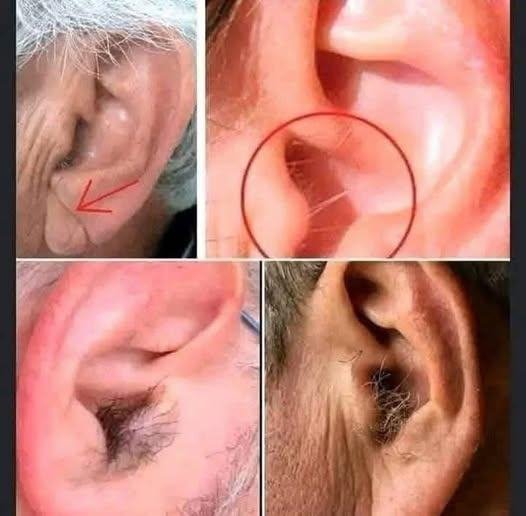
Did you know that if your ear hairs grow, it is because your body is…

Why Do Ear Hairs Grow? Understanding the ReasonsThe presence of ear hair is completely natural, but excessive growth can be influenced by several biological and environmental factors. Below are the detailed reasons why ear hairs grow, particularly in some individuals more than others. 1. Natural Protective FunctionEar hairs, also known as tragi hairs, serve an essential protective role for the ears. They help:Prevent dust, debris, and small particles from entering the ear canal.Act as a filter to trap pollutants and bacteria, reducing infections.Maintain moisture balance and prevent irritation in the inner ear.2. Aging and Hormonal ChangesAs people age, their hormonal balance shifts, leading to increased hair growth in unexpected places, including the ears.Testosterone and Androgens: Higher levels of testosterone in men stimulate hair follicles, causing thicker and longer ear hairs.Dihydrotestosterone (DHT): This hormone, derived from testosterone, is responsible for hair miniaturization on the scalp (causing baldness) while increasing hair growth in areas like the ears, nose, and eyebrows.Older Age Impact: Hair follicles in the ears may become more sensitive to androgens over time, leading to excessive hair growth after the age of 40 or 50, especially in men. 3. Genetic PredispositionSome people are simply genetically predisposed to grow more ear hair than others. If your father, grandfather, or other male relatives had noticeable ear hair growth, you are more likely to develop it too.Certain ethnic groups, particularly South Asian and Mediterranean men, tend to have more prominent ear hair due to genetic inheritance. 4. Body’s Response to External StimuliThe body sometimes increases hair growth as a defensive mechanism against harsh environmental conditions, such as:Pollution & Dust Exposure: Living in areas with high levels of pollution or dust can trigger more ear hair growth as a protective response.Cold Climates: In colder environments, the body may grow thicker ear hairs to help retain heat and protect the delicate inner ear. 5. Health Conditions & Hormonal DisordersCertain medical conditions can lead to abnormal ear hair growth:Hypertrichosis: A condition where excessive hair grows on different parts of the body, including the ears.Hormonal Imbalance: Conditions like Polycystic Ovary Syndrome (PCOS) or adrenal gland disorders can cause increased hair growth in both men and women.Diabetes: Some studies suggest that people with high blood sugar levels might experience more hair growth in unusual places, including the ears. 6. Effects of Certain MedicationsCertain medications can stimulate hair growth as a side effect, including:Testosterone supplements (used for hormone therapy or muscle building).Minoxidil (Rogaine), a drug for hair loss that can sometimes cause unwanted hair growth in other areas.Steroids, which can alter hormone levels and increase hair growth in unusual places. 7. Evolutionary and Vestigial TraitsSome scientists believe ear hair growth could be an evolutionary remnant from our ancestors.Early humans likely had more body hair for protection and warmth.Over time, most of this hair disappeared, but certain areas (like the ears and nose) still retain some hair for functional purposes. Should You Be Concerned About Ear Hair Growth?In most cases, growing ear hair is completely normal and harmless. However, if you notice:Sudden excessive growthThick, dark patches of hair appearing rapidlyAccompanying hormonal changes or other unusual symptomsIt may be wise to consult a doctor or dermatologist to rule out underlying medical conditions. How to Manage Ear Hair Growth?If you prefer to reduce or remove ear hair, you can consider the following methods:Trimming – Using small ear hair trimmers designed for safe use.Waxing or Tweezing – Provides longer-lasting results but can be painful.Laser Hair Removal – A permanent solution for excessive hair growth.Electrolysis – Uses electric currents to destroy hair follicles permanently.ConclusionEar hair growth is a natural part of aging, genetics, and hormonal activity. While it primarily serves a protective function, factors such as testosterone levels, environmental exposure, and medical conditions can influence the rate of growth. If excessive ear hair becomes a concern, various hair removal methods are available, and medical consultation is advised in cases of abnormal hair growth.Read more: Horoscopes for each zodiac sign for today, February 18, 2025 👇Aries (March 21 – April 19): Today, focus on personal growth and self-belief. Embrace opportunities that challenge you, whether in your career or personal life. Trust your instincts and take bold steps toward your goals.Taurus (April 20 – May 20): Your social life is set to flourish. Engage in activities that connect you with others and seek out new experiences. This is a great time to strengthen existing relationships and form new ones.Gemini (May 21 – June 20): Career advancements are on the horizon. Showcase your skills and don’t hesitate to take on leadership roles. Your innovative ideas will be well-received, paving the way for future success.Cancer (June 21 – July 22): Embrace new learning opportunities. Whether through travel, education, or exploring different cultures, expanding your horizons will bring personal fulfillment and growth.Leo (July 23 – August 22): Focus on personal transformation and deepening emotional connections. Reflect on your desires and take steps to achieve meaningful change in your life.Virgo (August 23 – September 22): Partnerships take center stage today. Collaborate with others to achieve common goals, and be open to compromise. Strengthening these bonds will lead to mutual success.Libra (September 23 – October 22): Prioritize health and well-being. Implement balanced routines and consider new fitness activities. Taking care of yourself will enhance your energy and productivity.Scorpio (October 23 – November 21): Creative pursuits are favored today. Engage in activities that ignite your passion and allow self-expression. This is also a favorable time for romantic endeavors.Sagittarius (November 22 – December 21): Home and family matters take precedence. Consider making improvements to your living space or spending quality time with loved ones. Nurturing these relationships brings comfort and joy.Capricorn (December 22 – January 19): Communication is key today. Share your ideas and listen to others to foster understanding and collaboration. Short trips or learning new skills can provide fresh perspectives.Aquarius (January 20 – February 18): Focus on financial matters and personal values. Assess your resources and make informed decisions to ensure stability and growth.Pisces (February 19 – March 20): With the Sun entering your sign, it’s a time for self-reflection and setting personal intentions. Embrace your individuality and pursue paths that align with your true self.

Red string tattoo on hand: Here’s what it means

The Meaning Behind Tattoos and Body MarkingsTattoos and body markings hold diverse meanings across cultures and individuals. What might be celebrated in one part of the world could be considered inappropriate elsewhere. A symbol with profound significance in one culture may appear as nothing more than random patterns to someone unfamiliar with its context.Throughout history, humans have used their appearance to express themselves and convey messages. It’s likely that this form of self-expression has been a part of our existence for as long as we’ve walked the Earth. Tattoos: From Personal to Cultural SignificanceUnless you live in a very isolated community, you’ve likely seen people with tattoos. While some designs may be trivial or regrettable decisions from youth, others carry deep meanings, tell stories, or reflect cultural traditions.Personally, I find it fascinating when I see a recurring tattoo shared by different individuals. It sparks curiosity about its meaning and the reasons behind someone’s choice to wear it permanently as a visible marker of their identity. One tattoo I’ve come across several times – and until recently never thought to investigate – is the ‘red string of fate.’The ‘Red String of Fate’ TattooThe small red tattoo, often resembling a bow with tails like a tied shoelace, is most commonly placed on the thumb of a man and the pinky finger of a woman. This design is rooted in Asian culture and is known as the red string of fate.According to legend, the red string of fate originates from a Chinese tale about a matchmaker who knows the destined partners for each individual. The string symbolizes an invisible bond that connects two people, regardless of time, place, or circumstances, suggesting they are destined to be together.A Symbol of Romance and ConnectionWhile the red string of fate is often associated with romantic love, its concept of connection transcends romantic relationships and appears in various cultures worldwide. It represents an invisible bond that ties individuals together, offering a sense of hope and destiny.For some, the idea of being fated to meet a specific person is comforting and romantic. Others, however, may prefer to believe they hold full control over their destiny.What do you think about the red string of fate and its symbolic meaning? Have you ever seen someone with this tattoo? Do you find comfort in the idea of destiny, or do you believe life is entirely what we make of it?Read more: Horoscopes for each zodiac sign for today 👇Aries (March 21 – April 19): Today, focus on personal growth and self-belief. Embrace opportunities that challenge you, whether in your career or personal life. Trust your instincts and take bold steps toward your goals.Taurus (April 20 – May 20): Your social life is set to flourish. Engage in activities that connect you with others and seek out new experiences. This is a great time to strengthen existing relationships and form new ones.Gemini (May 21 – June 20): Career advancements are on the horizon. Showcase your skills and don’t hesitate to take on leadership roles. Your innovative ideas will be well-received, paving the way for future success.Cancer (June 21 – July 22): Embrace new learning opportunities. Whether through travel, education, or exploring different cultures, expanding your horizons will bring personal fulfillment and growth.Leo (July 23 – August 22): Focus on personal transformation and deepening emotional connections. Reflect on your desires and take steps to achieve meaningful change in your life.Virgo (August 23 – September 22): Partnerships take center stage today. Collaborate with others to achieve common goals, and be open to compromise. Strengthening these bonds will lead to mutual success.Libra (September 23 – October 22): Prioritize health and well-being. Implement balanced routines and consider new fitness activities. Taking care of yourself will enhance your energy and productivity.Scorpio (October 23 – November 21): Creative pursuits are favored today. Engage in activities that ignite your passion and allow self-expression. This is also a favorable time for romantic endeavors. Sagittarius (November 22 – December 21): Home and family matters take precedence. Consider making improvements to your living space or spending quality time with loved ones. Nurturing these relationships brings comfort and joy.Capricorn (December 22 – January 19): Communication is key today. Share your ideas and listen to others to foster understanding and collaboration. Short trips or learning new skills can provide fresh perspectives.Aquarius (January 20 – February 18): Focus on financial matters and personal values. Assess your resources and make informed decisions to ensure stability and growth.Pisces (February 19 – March 20): With the Sun entering your sign, it’s a time for self-reflection and setting personal intentions. Embrace your individuality and pursue paths that align with your true self.

Why You May Notice a Bleach Patch in Your Underwear and What It Means

Why You May Notice a Bleach Patch in Your Underwear and What It MeansIf you’ve ever noticed a bleach patch in your underwear, it can be both puzzling and concerning. Bleach patches on clothing are typically associated with cleaning accidents, but when you find one on your underwear, the cause might not be so clear. There are various reasons why a bleach patch in your underwear might appear, and understanding them can help you prevent future occurrences.In this article, we’ll explore the different factors that could lead to a bleach patch in your underwear, including accidental exposure to bleach, personal care products, and even perspiration. Additionally, we will offer some practical tips on how to avoid bleach patches in your underwear and keep your clothing in pristine condition. 1. Accidental Exposure to Bleach or Bleach-Based ProductsOne of the most common reasons for a bleach patch in your underwear is accidental exposure to bleach or bleach-based products. Many people use bleach for cleaning or laundry, but sometimes a small spill or splash can go unnoticed, especially when handling it around the home. If you’ve recently used bleach for cleaning or during laundry, a tiny amount may have come into contact with your underwear, causing a bleach stain.If you notice a bleach patch in your underwear, check if you have been in contact with any bleach-based cleaners or products. Even the smallest amount of bleach can create a noticeable stain. To avoid this in the future, handle bleach with care and store it properly away from clothing. 2. Personal Care Products: Hidden Causes of Bleach Patches in UnderwearYou might be surprised to learn that personal care products can also be responsible for causing a bleach patch in your underwear. Some skin care, hair care, and hygiene products contain chemicals that can cause bleaching when they come into contact with fabric. For example, products with ingredients like hydrogen peroxide or benzoyl peroxide (often found in acne treatments) can create a bleach-like stain on your clothing.

“A Taste of Kindness”

a neatly packed container filled with turkey, mashed potatoes, gravy, and pie. A small note was tucked on top:“For when you’re hungry. Everyone deserves a holiday meal.”My hands trembled as I held the note, tears stinging my eyes. I hadn’t expected kindness after what happened earlier. Her mother’s words had cut deep, reminding me of what I didn’t have—a warm, abundant home, a table full of food, and the comfort of not feeling ashamed.The next morning, I went to return the container, unsure of what to say. Her mom met me at the door, her expression softer than I’d ever seen.“I’m sorry,” she said quietly. “I didn’t mean to embarrass you. I just—seeing you sneak food broke my heart. Next time, you don’t need to sneak. Just ask.”That was the first time someone outside my family made me feel seen. That simple act of kindness didn’t erase the sting of poverty, but it gave me hope that compassion could exist even in unexpected places.Read more: Horoscopes for each zodiac sign for today 👇Aries (March 21 – April 19): Today, focus on personal growth and self-belief. Embrace opportunities that challenge you, whether in your career or personal life. Trust your instincts and take bold steps toward your goals.Taurus (April 20 – May 20): Your social life is set to flourish. Engage in activities that connect you with others and seek out new experiences. This is a great time to strengthen existing relationships and form new ones.Gemini (May 21 – June 20): Career advancements are on the horizon. Showcase your skills and don’t hesitate to take on leadership roles. Your innovative ideas will be well-received, paving the way for future success.Cancer (June 21 – July 22): Embrace new learning opportunities. Whether through travel, education, or exploring different cultures, expanding your horizons will bring personal fulfillment and growth.Leo (July 23 – August 22): Focus on personal transformation and deepening emotional connections. Reflect on your desires and take steps to achieve meaningful change in your life.Virgo (August 23 – September 22): Partnerships take center stage today. Collaborate with others to achieve common goals, and be open to compromise. Strengthening these bonds will lead to mutual success.Libra (September 23 – October 22): Prioritize health and well-being. Implement balanced routines and consider new fitness activities. Taking care of yourself will enhance your energy and productivity.Scorpio (October 23 – November 21): Creative pursuits are favored today. Engage in activities that ignite your passion and allow self-expression. This is also a favorable time for romantic endeavors.Sagittarius (November 22 – December 21): Home and family matters take precedence. Consider making improvements to your living space or spending quality time with loved ones. Nurturing these relationships brings comfort and joy.Capricorn (December 22 – January 19): Communication is key today. Share your ideas and listen to others to foster understanding and collaboration. Short trips or learning new skills can provide fresh perspectives.Aquarius (January 20 – February 18): Focus on financial matters and personal values. Assess your resources and make informed decisions to ensure stability and growth.Pisces (February 19 – March 20): With the Sun entering your sign, it’s a time for self-reflection and setting personal intentions. Embrace your individuality and pursue paths that align with your true self.

10 Reasons Why Too Much Sugar Is Bad for You

Sugar. It’s the sweet, ever-present ingredient that sneaks into almost everything we consume today. From obvious sources like soda and candy to more unexpected culprits such as pasta sauces and even “healthy” cereals, sugar is everywhere. However, its widespread presence isn’t as sweet for our health as we might think. For those focused on well-being, it’s vital to understand the profound impact sugar has on the body. Let’s take a closer look at why our love for this sweetener might be causing more harm than good in multiple ways.Before diving into the consequences, it’s important to understand the basics of sugar. There are different types of sugar, but the most common ones are glucose, fructose, and sucrose—a combination of glucose and fructose. Glucose is the body’s primary energy source, while fructose is processed in the liver.Here’s a brief overview:Glucose: Derived from carbohydrates, it provides energy to fuel our cells and keep our body functioning.Fructose: Found naturally in fruits and vegetables, but when consumed in excess through processed foods, it can lead to health issues.Sucrose: This is table sugar, made up of both glucose and fructose, typically extracted from sugarcane or sugar beets.Now, here are 10 reasons why too much sugar could sabotage your health:1. Risk of Obesity and Related Health IssuesSugar is packed with empty calories—energy without any nutritional value. The body converts this extra energy into fat, and excessive sugar intake is strongly linked to obesity. Obesity, in turn, increases the risk of heart disease, stroke, certain cancers, and Type 2 diabetes. The key takeaway here is that the body can only store a limited amount of sugar, but it can store an unlimited amount of fat. Overloading the system with sugar leads to weight gain.2. Increased Risk of Type 2 DiabetesExcess sugar raises the risk of developing Type 2 diabetes in two key ways: First, it promotes obesity, a major risk factor for the disease. Second, a diet high in sugar can cause insulin resistance, a hallmark of Type 2 diabetes, as the body becomes less responsive to insulin, which helps regulate blood sugar.3. Dental Health ProblemsWe’ve all heard the warning about sugary foods causing cavities, and for good reason. Sugar feeds bacteria in the mouth, which produce acids that erode tooth enamel and lead to decay. Consuming too much sugar also increases the risk of gingivitis, an early stage of gum disease, which can eventually cause tooth loss.4. Negative Impact on Heart HealthA diet high in sugar is linked to high blood pressure (hypertension), a major risk factor for heart disease. It also raises “bad” LDL cholesterol and lowers “good” HDL cholesterol, both of which contribute to a higher risk of cardiovascular problems.5. Effects on Mental Health and Brain FunctionStudies show that high sugar intake negatively affects mental health. Diets high in sugar are associated with increased risks of depression, anxiety, and mood swings due to rapid fluctuations in blood sugar levels. Additionally, high sugar consumption can impair cognitive function and increase the risk of neurodegenerative diseases like dementia and Alzheimer’s.6. Connection to Acne and Skin IssuesAcne, often linked to high-glycemic foods, can be aggravated by sugar. Foods that cause insulin and insulin-like growth factor (IGF-1) spikes contribute to the development of acne, particularly in people prone to skin issues.7. Impact on Liver HealthFructose, a component of sugar, is processed by the liver. Excessive consumption can lead to non-alcoholic fatty liver disease (NAFLD), a condition where fat accumulates in liver cells without alcohol involvement. Over time, NAFLD can lead to liver inflammation and scarring (cirrhosis).8. Possible Link to Certain CancersAlthough research is ongoing, there is evidence suggesting that a high-sugar diet may be associated with an increased risk of certain cancers, including those of the breast, esophagus, and endometrium.9. Accelerated Aging ProcessExcess sugar can accelerate aging, potentially causing more wrinkles and faster cognitive decline. This happens through a process called glycation, which damages proteins in the body, affecting their function and structure.10. Addiction to SugarSugar can be addictive. Eating sugary foods triggers the release of dopamine, the “feel-good” neurotransmitter. Over time, the brain begins to crave more sugar to achieve the same dopamine high, creating a dependency on sugary foods.But it’s not just the obvious sources of sugar like donuts or birthday cake that pose a risk. Many seemingly healthy products—such as granola bars or fruit yogurts—are loaded with hidden sugars that can accumulate quickly.The Hidden SugarsTo better manage your health, it’s crucial to spot and avoid hidden sugars in your diet. Here’s how:Read Labels: Look for ingredients like corn syrup, maltose, dextrose, and other names ending in “-ose,” which are just different forms of sugar.Beware of “Diet” and Low-Fat Products: Manufacturers often add sugar to these products to compensate for the lost flavor when fat is reduced.Mind Your Portions: A single serving of a seemingly healthy product might seem harmless, but if you consume several servings at once, the sugar adds up.How to Cut Back on SugarYou don’t have to quit sugar cold turkey, but small changes can have a big impact:Drink Water: Avoid sugary sodas (even the so-called “healthy” ones). Opt for water or carbonated water for a fizzy alternative.Snack Smart: Choose whole foods like fruits or nuts instead of processed snack bars or chips.Cook at Home: By preparing your meals at home, you have full control over the ingredients, and you can limit your sugar intake.ConclusionThere’s no denying the appeal of sugar—it’s a part of celebrations, comfort, and even childhood memories. But as we learn more about the ways sugar can negatively affect our health, it’s clear that moderation is key. By staying mindful of sugar consumption and making informed, conscious choices, we can lead a healthier lifestyle.The reasons to reduce sugar intake aren’t meant to scare you, but to empower you with knowledge. Applying this knowledge can help you live a life that’s not only sweet but also vibrant and healthy.Remember, every bite is a choice. Make the one that’s sweetest for your health and the life you want to enjoy.Read more today’s horoscopes for all zodiac signs:Aries (March 21 – April … Read more