Your Body Could Be Warning You Up to a Month Before a Heart Attack: 9 Symptoms Women Should Never Ignore
Nearly 80% of Women Reported These Symptoms Before a Heart Attack Your Body Could Be Warning You Up to a Month Before a Heart Attack: 9 Symptoms Women Should Never Ignore Heart disease remains one of the leading causes of death worldwide, yet many people still believe that a heart attack always begins with sudden, crushing chest pain. Medical research suggests otherwise—especially for women. Over the past few decades, scientists have discovered that women often experience very different warning signs before a heart attack. In many cases, symptoms appear weeks before the actual cardiac event, giving the body an opportunity to signal that something is wrong. A landmark study published in the journal Circulation examined 515 women who had experienced heart attacks and found that nearly 80% reported at least one warning symptom more than a month before the attack occurred. Surprisingly, chest pain was not the most common symptom reported. Instead, many women described experiencing unusual fatigue, sleep problems, anxiety, and other seemingly unrelated health issues that were easy to dismiss. 5 Many women experience subtle symptoms weeks before a heart attack, often mistaking them for stress or exhaustion. 1. Unusual Fatigue One of the most commonly reported early warning signs is overwhelming fatigue. This isn’t the normal tiredness that follows a busy day. Women in the study described feeling exhausted by routine activities such as walking, climbing stairs, making the bed, or carrying groceries. If persistent fatigue suddenly appears without a clear explanation, it may warrant medical attention. 2. Sleep Disturbances Difficulty falling asleep, staying asleep, or waking up feeling unrested may be another warning sign. Many women reported significant changes in sleep patterns in the weeks leading up to a heart attack. Although sleep problems can have many causes, sudden or unexplained changes should not be ignored. 3. Anxiety or a Sense of Doom Some women reported intense anxiety, nervousness, or a persistent feeling that something was wrong. Doctors say this symptom can sometimes occur because reduced blood flow to the heart triggers physiological changes that affect the nervous system. 4. Shortness of Breath Breathlessness during normal daily activities may indicate that the heart is struggling to pump blood effectively. If simple tasks suddenly leave you winded, especially when combined with other symptoms, medical evaluation is recommended. 5. Indigestion or Stomach Discomfort Many women mistake heart attack symptoms for digestive issues. Nausea, indigestion, bloating, or stomach pain may occur before or during a heart attack, making it easy to assume the problem is related to food or the digestive tract. 5 Heart attack symptoms in women often extend beyond chest pain and may resemble common digestive or respiratory issues. 6. Pain in the Back, Neck, Jaw, or Shoulders Unlike the classic image of chest pain radiating down the left arm, women are more likely to experience discomfort in the neck, jaw, shoulders, upper back, or even between the shoulder blades. This pain may come and go or gradually worsen over time. 7. Dizziness or Lightheadedness Feeling faint, dizzy, or suddenly unsteady can occur when blood flow to the brain becomes compromised. While dizziness is common and often harmless, persistent or unexplained episodes should not be overlooked. 8. Sweating Without a Clear Cause Breaking out in a cold sweat despite not exercising or being in a hot environment can be an important warning sign. Many women describe sudden episodes of clammy skin or excessive perspiration shortly before a heart attack. 9. Chest Discomfort Although chest pain is not always the most prominent symptom in women, it remains one of the most important warning signs. The sensation may feel like pressure, tightness, fullness, squeezing, burning, or discomfort rather than sharp pain. Any new or unexplained chest discomfort should be taken seriously. 4 Experts say women should not wait for severe chest pain before seeking medical attention. Why Many Women Delay Seeking Help Researchers found that many women fail to recognize these symptoms as potential signs of a heart attack. In a survey published in Circulation, only 65% of women said they would call emergency services if they believed they might be having a heart attack. Experts warn that delaying treatment can significantly increase the risk of severe heart damage or death. When to Seek Emergency Care Doctors emphasize that anyone experiencing symptoms that feel unusual, persistent, or significantly different from their normal state of health should seek immediate medical attention. Even if you’re uncertain whether your symptoms are heart-related, it is safer to be evaluated than to ignore potential warning signs. Health professionals also encourage patients to seek a second opinion if they feel their concerns have not been adequately addressed. The Bottom Line A heart attack rarely comes completely without warning. For many women, the body begins sending subtle signals weeks before a major cardiac event occurs. Unusual fatigue, sleep disturbances, anxiety, shortness of breath, digestive issues, unexplained sweating, dizziness, pain in the neck or jaw, and chest discomfort may all be early signs that should never be ignored. Recognizing these symptoms early—and seeking prompt medical attention—could save a life.


Can.cer Cells “Love” These 3 Flavors, Experts Say — Many People Consume Them Every Day Without Realizing the Risks

Many People Eat These Foods Daily Without Knowing the Potential Risks Can.cer Cells “Love” These 3 Flavors, Experts Say — Many People Consume Them Every Day Without Realizing the Risks Cancer remains one of the leading causes of death worldwide, and while genetics play a role, researchers increasingly believe that daily lifestyle habits—especially diet—can significantly influence cancer risk. Scientists emphasize that no single food directly causes cancer on its own. However, long-term consumption of certain foods and flavor profiles may create conditions that support inflammation, obesity, metabolic disorders, and other factors associated with an increased risk of cancer development. Here are three types of flavors and foods that experts say should be consumed in moderation. 4 Many modern diets contain hidden sugars that can quietly increase health risks over time. 1. Excessively Sweet Foods Sugar has become a staple ingredient in countless modern foods and beverages. From soft drinks and desserts to flavored coffee drinks and packaged snacks, many people consume far more sugar than they realize. While sugar itself does not directly “feed” cancer cells more than normal cells, excessive sugar intake can contribute to obesity, insulin resistance, and chronic inflammation—conditions linked to a higher risk of several cancers. Research has shown that people who regularly consume large amounts of sugary beverages and highly processed sweets may face an increased risk of developing certain cancers. Experts recommend limiting added sugars and choosing whole foods whenever possible. Why It Matters High sugar consumption can lead to: Weight gain and obesity Increased insulin levels Chronic inflammation Higher risk of metabolic diseases All of these factors have been associated with an increased likelihood of cancer development. 4 Frequent consumption of fried foods may expose the body to potentially harmful compounds formed during high-temperature cooking. 2. Deep-Fried and Heavily Oily Foods French fries, fried chicken, doughnuts, and other deep-fried foods are popular worldwide, but nutrition experts advise moderation. Foods cooked at very high temperatures can produce compounds such as acrylamide, which has raised concerns among researchers because of its potential carcinogenic effects in laboratory studies. Additionally, fried foods are often high in calories and unhealthy fats, contributing to obesity and cardiovascular disease. A diet heavily centered around fried foods may increase inflammation and place additional stress on the body over time. Health experts recommend choosing grilling, steaming, baking, or boiling more often instead of deep frying. The Hidden Risk of Reused Cooking Oil Researchers also warn that repeatedly reheating cooking oil can create harmful substances that may further increase health risks. For this reason, many nutritionists recommend minimizing the use of repeatedly heated oils whenever possible. 5 Sweetened beverages are one of the largest sources of added sugar in modern diets. 3. Foods and Drinks High in Added Sugar Although closely related to the first category, experts say sugary beverages deserve special attention because they are one of the biggest contributors to excess sugar intake worldwide. Soft drinks, energy drinks, sweetened teas, flavored milk products, and many fruit-flavored beverages can contain large amounts of added sugar. Unlike solid foods, liquid calories are often consumed quickly and may not create the same feeling of fullness, making it easier to consume excessive amounts. Several studies have linked high consumption of sugar-sweetened beverages to obesity and increased cancer risk through their effects on body weight and metabolism. What Experts Recommend To help reduce cancer risk and improve overall health, specialists generally recommend: Eating more fruits and vegetables Choosing whole grains over refined carbohydrates Limiting processed foods Reducing added sugar intake Avoiding excessive fried foods Maintaining a healthy body weight Exercising regularly Avoiding tobacco products Limiting alcohol consumption The Bottom Line Cancer is a complex disease influenced by many factors, including genetics, environment, and lifestyle. While no food alone can cause or cure cancer, long-term dietary habits can play an important role in shaping overall risk. Experts advise focusing on a balanced diet rich in fruits, vegetables, whole grains, and minimally processed foods while limiting excessive sugar and fried foods. Small daily choices, repeated over years, can have a significant impact on long-term health.  

Carol Vorderman, 62, Reveals Her Incredible Figure Secret….read more>

For many people, stepping on a scale is a routine part of life. But television personality Carol Vorderman has taken a very different approach. The 62-year-old recently revealed that she refuses to let doctors tell her how much she weighs and has not checked her weight since 1999. Speaking about her lifestyle, Carol explained that she focuses more on how she feels than on numbers. Her refrigerator is typically stocked with vegetables, fruit, fish, Greek yogurt, cottage cheese, and other nutritious foods. Although she rarely cooks at home, she enjoys eating her favorite meals when dining out, including pasta, butter, and traditional fish and chips. Carol also reflected on a 28-day detox program she completed years ago after becoming unhappy with some weight gain. The experience changed her eating habits and inspired a healthier relationship with food. Since then, she has avoided weighing herself and prefers not to focus on the scale. Despite her relaxed attitude toward weight, Carol remains active and regularly shares fitness updates with fans. Her gym sessions often include weight training, stretching, and squats. As she prepares for another television appearance, many admire her confidence and balanced approach to health, proving that wellbeing is about much more than a number on a scale.

Why the Neck May Begin to Sag With Age and What You Should Know?

Many people notice changes in the appearance of their neck as they get older. Loose skin, fine lines, and a loss of firmness can gradually develop over time. While these changes are a natural part of aging, understanding why they occur can help people make informed choices about skin care and overall health. One of the main reasons the neck begins to sag is the gradual decline of collagen and elastin, two proteins that help keep skin firm and elastic. As production of these proteins decreases with age, the skin becomes thinner and less able to bounce back from stretching. The neck area is particularly vulnerable because the skin there is naturally thinner than in many other parts of the body. Sun exposure can also play a major role. Over the years, ultraviolet (UV) rays may accelerate the breakdown of collagen and elastin, contributing to wrinkles, discoloration, and loss of skin firmness. Lifestyle factors such as smoking, poor nutrition, dehydration, and significant weight fluctuations may further affect skin quality and elasticity. Muscle changes and gravity also contribute to the aging process. As facial and neck muscles lose tone and supportive tissues weaken, the effects of gravity become more noticeable. Fat distribution may shift as well, altering the contours of the jawline and neck. While aging cannot be stopped, certain habits may help support skin health: Use sunscreen regularly on the face and neck. Stay hydrated. Eat a balanced diet rich in fruits, vegetables, and protein. Avoid smoking. Maintain a stable, healthy weight. Follow a consistent skincare routine that includes moisturization. If neck changes become a concern, a dermatologist or qualified healthcare professional can discuss options ranging from skincare approaches to medical and cosmetic treatments. The most important thing to remember is that neck changes are a normal part of aging. Understanding the factors involved can help people focus on healthy habits that support skin health and overall well-being over time.

He Left His Wife for a Luxury Birthday Trip….See More>

Ryan expected to return home from a weekend trip and find life exactly as he had left it. Instead, he stepped into a house filled with an unsettling silence. The familiar sounds of daily life were gone, replaced by an emptiness that immediately felt wrong. Then he noticed something that made his heart stop—a dark stain on the nursery floor and no sign of his wife or newborn son. Panic quickly took over. He searched every room, calling their names, but the house remained empty. Everyday items sat untouched, suggesting that whatever had happened occurred suddenly. As he retraced his steps through the nursery, he found his wife’s damaged phone hidden beneath a table. Looking at the screen forced him to confront a painful reality: he had ignored repeated calls and warnings from a woman who had been frightened and asking for help. When authorities arrived, difficult questions followed. Investigators learned that his wife had been recovering from childbirth and had reported concerning symptoms before he left. Instead of seeking medical assistance or checking on her condition, he dismissed her concerns and continued his plans. What had seemed insignificant at the time now carried devastating weight. Meanwhile, miles away, his wife slowly regained consciousness in a hospital bed. After a frightening medical emergency, she learned that her newborn son had survived and was receiving care. Relief washed over her as she realized they were both safe. In that moment, the story shifted from mystery to survival—a reminder that medical concerns should never be ignored and that a single decision can change lives forever.

A Simple Photo of Brandi Passante Sparked Unexpected Online Reactions….see more>

Brandi Passante became a familiar face to television audiences through her appearances on reality programming focused on auctions, resale businesses, and competitive bidding. Her straightforward personality and practical decision-making helped her stand out, earning recognition among viewers who followed the growing popularity of auction-based reality television. Throughout her career, Passante developed a reputation for staying grounded while navigating the challenges of public attention. Rather than relying on controversy or constant media exposure, she built her presence through consistent participation in projects that reflected her real-world business experience. This approach allowed her to maintain a connection with audiences while preserving a degree of privacy in her personal life. As reality television evolved over the years, Passante remained associated with some of the genre’s most recognizable programs. Many viewers appreciated her direct communication style and ability to handle competitive situations with confidence. Her contributions helped shape the popularity of auction-centered television during a period when the format attracted widespread interest. Today, Passante continues to be remembered as one of the notable personalities from the early success of auction-based reality programming. Her career demonstrates how consistency, authenticity, and a strong work ethic can create lasting recognition. While many television personalities fade from public attention, her role in a memorable era of reality television continues to resonate with audiences who followed her journey from the beginning.

13 Things Your Vagina Is Trying To Tell You About Your Body

The vagina is an incredible part of the human body, capable of protecting, cleaning, and healing itself while also providing important clues about overall health. Although it often functions independently, it can communicate changes occurring throughout the body. Paying attention to unusual sensations, odors, discharge, or discomfort can help identify health concerns early and provide valuable insight into physical well-being. One of the ways the vagina signals changes is through pregnancy-related symptoms. Increased blood flow may cause visible changes in the vaginal area, while hormonal shifts often lead to increased discharge and a greater risk of yeast infections. Diet can also affect vaginal odor, with foods such as asparagus, onions, and broccoli sometimes altering natural scents. Stress is another factor that can disrupt the balance of healthy bacteria, potentially leading to yeast infections and irritation. Changes in discharge, odor, or discomfort may also indicate infections. Conditions such as bacterial vaginosis, yeast infections, and trichomoniasis are common causes of vaginal symptoms and often require medical treatment. The vagina can also signal ovulation through increased, clear, stretchy discharge, while changes before menstruation may indicate that a period is approaching. The vagina can also respond to arousal, exercise, and lifestyle habits. Increased blood flow during sexual excitement may cause tingling sensations, while excessive friction from cycling, tight clothing, or prolonged moisture exposure can lead to discomfort. Persistent pain, unusual symptoms, or recurring irritation should always be evaluated by a healthcare professional, as they may indicate an underlying condition requiring attention.

Over 200 People Are Killed By The “World’s Deadliest Food” Every Year, But Almost 500 Million People Still Eat It

Originating in South America, cassava is both a plant and a well-known food, but it also comes with significant risks. The plant’s stems, peel, and leaves are toxic and can produce hydrogen cyanide, making it potentially fatal if consumed improperly. The World Health Organization (WHO) reports that around 200 people die annually from eating improperly prepared cassava. This is why it has earned the grim title of the “world’s deadliest food.” The WHO explains: “Cassava tubers contain varying amounts of cyanogenic glucosides that serve as a defense against animals and insects. When these glucosides are not processed correctly, cassava can release cyanide, leading to high dietary cyanide exposure.” Such dangerous exposure is especially prevalent during times of famine and war. Cyanide poisoning from cassava is linked to several severe diseases, including konzo. Konzo is a debilitating, irreversible condition marked by sudden paralysis in the legs, which is often a result of consuming bitter cassava, particularly when combined with a low-protein diet. This condition is most commonly found in regions suffering from extreme poverty, where it can occur sporadically or in epidemics. Despite its deadly reputation, millions of people continue to eat cassava every day without issue. This raises the important question: how can you make sure that cassava is safe to eat? The key lies in proper preparation. Ensuring cassava is safe involves a lengthy process, including soaking the plant for up to 24 hours to remove harmful toxins. In Venezuela, for example, people were consuming cassava in its dangerous form because they relied on salty foods to survive during times of food scarcity, as reported by El País. While cassava remains a critical food source for many, understanding and practicing safe preparation methods can make it a nourishing and safe part of the diet. As awareness spreads about the risks associated with cassava, the methods for properly processing it are becoming more widely practiced, reducing the dangers of poisoning.

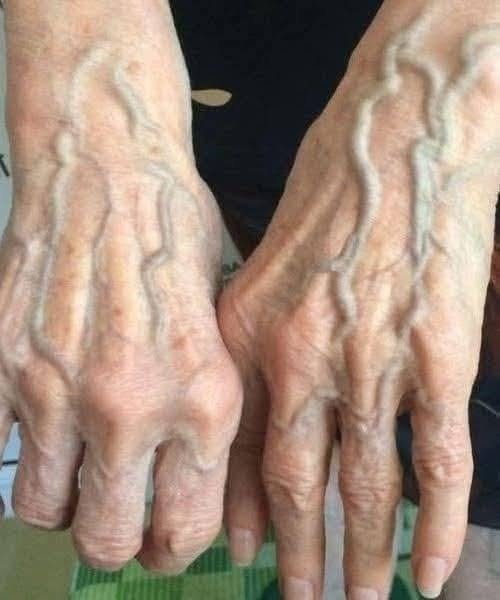
What the Veins on Your Hands Might Reveal About Your Heart Health…..See More>

Many people notice the veins on their hands becoming more visible and wonder whether it says something about their heart or circulation. In most cases, visible veins on the hands are completely normal and are related to natural body characteristics rather than heart disease. However, in certain situations, changes in veins can provide clues about overall vascular health. Understanding what these veins might indicate—and when they are harmless—can help you better interpret what your body is showing you. The hands are one of the places where veins are easiest to see because the skin is naturally thin and there is less fat beneath it. Several factors commonly make veins on the hands stand out. – Low Body Fat – Aging – Temperature Changes – Physical Activity – Genetics Do Visible Hand Veins Indicate Heart Problems? In most situations, visible veins on the hands are not linked to heart disease. Healthy veins help return blood to the heart efficiently, so their appearance alone usually does not signal a problem. However, certain vein conditions may reflect issues with blood flow or vascular health. Varicose Veins Varicose veins occur when valves inside the veins weaken, allowing blood to pool and causing veins to become enlarged and twisted. While they are more common in the legs, they can sometimes appear in other areas. They may cause aching, swelling, or heaviness. Chronic Venous Insufficiency This condition develops when veins struggle to return blood efficiently to the heart. Over time, it can lead to swelling, skin changes, and discomfort in the limbs. Even in these cases, the issue is usually related to vein function rather than the heart itself. Signs That May Suggest Circulation Problems If changes in your veins are accompanied by other symptoms, it may be worth discussing them with a healthcare professional. Possible warning signs include: Persistent swelling in the hands or feet Pain or heaviness in the limbs Skin discoloration near veins Numbness or tingling Cold hands or fingers Slow-healing wounds These symptoms may suggest circulation issues that require medical evaluation. Supporting Heart Health and Healthy Circulation Keeping your circulatory system healthy can benefit both your veins and your heart. Helpful habits include: Regular physical activity Maintaining a balanced diet Staying hydrated Avoiding long periods of inactivity Managing body weight Getting regular health checkups These lifestyle choices help promote healthy blood flow throughout the body.

Harry and Meghan reveal what really happened during dramatic final appearance as working royals with William and Kate

The Duke and Duchess of Sussex carried out their last royal duty five years ago at the Commonwealth Day Service of Celebration. In January 2020, they publicly declared they were stepping down as senior members of the royal family. Their final official engagement followed shortly after, as they joined Queen Elizabeth II, then-Prince Charles, Prince William, Kate Middleton, and other royals at the Westminster Abbey service. The couple later shared what really happened behind the scenes in their 2022 Netflix documentary, Harry & Meghan. Since then, Meghan has launched another Netflix series, With Love, Meghan, where she teams up with celebrity guests to offer cooking tips and entertaining advice. Their 2022 docu-series offered a revealing glimpse into royal life, surprising many with its candid look at the inner workings of the monarchy. Recalling their last engagement, Meghan said: “The first time that we saw the other members of the family was in public at Westminster Abbey.” Harry explained: “We were nervous seeing the family because all the TV cameras and everybody watching at home and everybody watching in the audience. “It’s like living through a soap opera where everybody else views you as entertainment.” During the church service, Harry and Meghan were seated behind William and Kate. Meghan smiled, waved, and greeted them as they took their seats in the front row. But, according to Harry, the atmosphere told a different story. Harry added: “I felt really distant from the rest of my family, which was interesting because so much of how they operate is about what it looks like, rather than what it feels like. “And it looked cold. But it also felt cold.” Following their decision to step back from royal duties, Queen Elizabeth issued a rare personal statement regarding Harry and Meghan’s departure. She said: “My family and I are entirely supportive of Harry and Meghan’s desire to create a new life as a young family. “Although we would have preferred them to remain full-time working Members of the Royal Family, we respect and understand their wish to live a more independent life as a family while remaining a valued part of my family.”