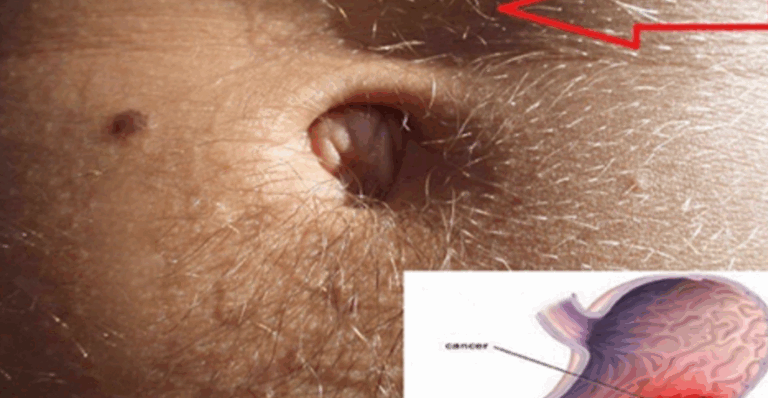
Stomach cancer, also known as gastric cancer, is a disease that originates in the cells of the stomach lining. This type of cancer can develop silently and is often only detected in advanced stages. Understanding the symptoms, causes, and treatment options is crucial for early diagnosis and an effective approach to fighting the disease.
What is stomach cancer?
Stomach cancer occurs when malignant cells begin to form in the inner layers of the stomach, creating tumors. The most common form of gastric cancer is adenocarcinoma, which accounts for about 90% of cases. Other forms include lymphomas, gastrointestinal stromal tumors (GISTs), and squamous cell carcinomas.
Symptoms of stomach cancer
Symptoms of stomach cancer can be vague and nonspecific, especially in the early stages. However, some common signs include:
Persistent abdominal pain or discomfort
Loss of appetite and unexplained weight loss.
Nausea and vomiting, sometimes with blood.
Difficulty swallowing (dysphagia).
Fatigue and weakness.
If you or someone you know has these symptoms, it is essential to seek medical attention for a thorough evaluation.
Causes of stomach cancer.
The causes of stomach cancer are multifactorial and may include a combination of genetic and environmental factors. Some of the most common risk factors are:
Infection with the Helicobacter pylori bacteria, associated with chronic inflammation of the stomach.
A diet high in salty and processed foods, smoked meats, and canned foods.
A family history of stomach cancer.
Smoking and excessive alcohol consumption.
Pre-existing conditions, such as chronic gastritis and pernicious anemia.
Understanding these factors can help in the prevention and early detection of the disease.
Treatment of Stomach Cancer
Treatment for stomach cancer depends on the stage of the disease, the location of the tumor, and the patient’s overall health. Treatment options include:
Surgery: Partial or complete removal of the stomach (gastrectomy) to remove the tumor.
Chemotherapy: The use of drugs to destroy cancer cells, often used before or after surgery.
Radiation therapy: The use of radiation to kill cancer cells or shrink tumors.
Targeted therapies: Treatments that specifically attack cancer cells with less impact on healthy cells. Each case is unique, and the treatment plan must be personalized by the oncologist to meet the patient’s specific needs.
Stomach cancer is a serious disease that requires specialized attention and care. Identifying symptoms early and understanding risk factors can make a significant difference in the prognosis. If you suspect you may be at risk, do not hesitate to seek medical advice. Prevention and early treatment are the best ways to combat this disease.
81 years of marriage, 110 grandchildren, but these two still love each other like teenagers.
Read also:
81 years of marriage, 110 grandchildren, but these two still love each other like teenagers.
Early signs and symptoms:
Persistent indigestion or heartburn: A burning sensation in the stomach or difficulty digesting food, especially after meals.
Loss of appetite and early satiety: Feeling full soon after starting a meal, even without having eaten much.
Nausea and vomiting: Feeling sick and vomiting, which may or may not contain blood.
Abdominal pain: Pain in the upper abdomen, which may be mild or severe and constant or intermittent.
Abdominal bloating: A feeling of fullness in the abdomen, especially after meals.
Changes in bowel habits: Diarrhea, constipation, or alternating between both.
Extreme fatigue and unexplained weight loss: Without changes in diet or exercise.
Difficulty swallowing: A feeling that food is “stuck” in the throat.
Pain:
Pain in stomach cancer can be:
Mild and vague: A burning, pressure, or discomfort sensation in the upper abdomen.
Severe and constant: Severe and persistent pain that may radiate to the back.
Worse after eating: The pain may increase after eating, especially fatty or spicy foods.
Living without a stomach: In some severe cases of stomach cancer, it may be necessary to remove all or part of the stomach. With proper medical care, it is possible to live a full life without a stomach. Treatment includes nutritional management, digestive enzyme supplementation, and dietary changes to ensure adequate nutrient absorption.
Risk factors:
H. pylori infection: A bacterium that lives in the stomach and can cause gastritis and ulcers, increasing the risk of cancer.
Smoking: Smoking is one of the main risk factors for stomach cancer.
A diet high in salty, smoked, and processed foods: These foods can increase the risk of developing the disease. Family history of stomach cancer: People with close relatives who have had the disease have a higher risk of developing it.
Obesity: Excess body weight can increase the risk of stomach cancer.
Excessive alcohol consumption: Excessive alcohol consumption can increase the risk of developing the disease.
Autoimmune disease: Diseases such as pernicious anemia and autoimmune atrophic gastritis can increase the risk of stomach cancer.
When can gastritis turn into cancer?
Gastritis, an inflammation of the stomach lining, does not usually turn into cancer. However, some types of gastritis, such as autoimmune atrophic gastritis, can increase the risk of developing stomach cancer.
Cure: The chances of a cure for stomach cancer depend on the stage of the disease at the time of diagnosis. Early diagnosis is essential to increase the chances of a cure. Treatment may include surgery, chemotherapy, radiation therapy, or targeted therapy, depending on the individual case.
Remember:
This informational content is not a substitute for specialized medical follow-up.
Consult a doctor if you experience any of the symptoms mentioned above, especially if they are persistent.
Early diagnosis is crucial for the successful treatment of stomach cancer.
Adopting healthy habits, such as a balanced diet, avoiding tobacco and excessive alcohol consumption, and undergoing preventive screenings can help reduce the risk of developing the disease.
