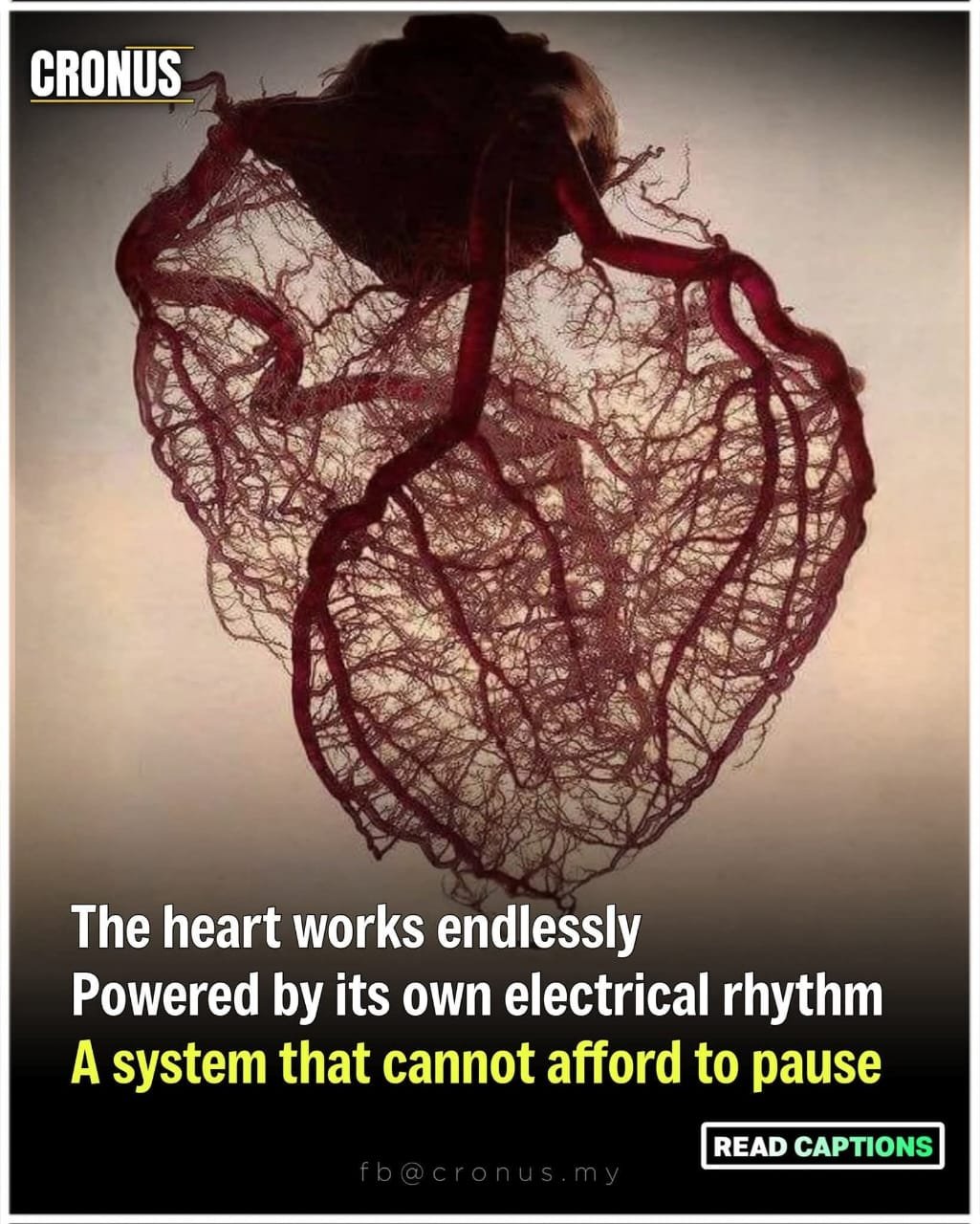
The human heart is a marvel of nature, a tireless engine that works ceaselessly to keep us alive. Powered by its own intrinsic electrical rhythm, the heart beats approximately 100,000 times per day, pumping blood throughout the body without a moment’s pause. This intricate system of vessels, as depicted in the striking image of a heart’s vascular network, underscores the complexity and importance of this vital organ.
The Heart’s Electrical RhythmThe heart’s ability to function continuously is due to its unique electrical conduction system. This system generates electrical impulses that trigger each heartbeat, ensuring a consistent and rhythmic pumping action. Unlike other muscles that require external signals to contract, the heart has its own pacemaker—the sinoatrial node—that dictates its rhythm. This autonomy allows the heart to keep beating even when the body is at rest or under stress.
A System of Endless MotionThe image highlights the vast network of blood vessels intertwining through the heart, illustrating how every part of this organ plays a role in its relentless operation. The heart cannot afford to pause; every beat is crucial for delivering oxygen and nutrients to tissues and removing waste products. This continuous motion is what sustains life, making the heart one of the body’s most critical organs.
Importance of Heart HealthGiven the heart’s non-stop workload, maintaining its health is paramount. Factors like diet, exercise, stress management, and regular check-ups contribute to keeping the heart functioning optimally. Understanding the heart’s mechanics and its importance can lead to better lifestyle choices that support cardiovascular health.
In conclusion, the heart’s endless rhythm, powered by its own electrical system, is a testament to the incredible design of the human body. A system that cannot afford to pause, the heart’s continuous operation is essential for life. Appreciating this marvel can inspire us to take better care of our cardiovascular health.
