
Understanding Cold Sores and HSV-1: What You Need to Know
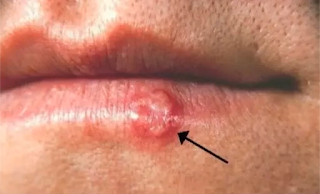
Cold sores, also known as fever blisters, are small fluid-filled bumps that typically appear on or around the lips. They are caused by the herpes simplex virus type 1 (HSV-1), a common virus affecting more than half of adults worldwide. While many people carry HSV-1 without ever showing symptoms, certain triggers like stress, illness, sun exposure, or hormonal changes can reactivate the virus, leading to recurrent cold sore outbreaks.
What Happens During a Cold Sore Outbreak?
Cold sores often begin with tingling or burning sensations, followed by the appearance of blisters. These blisters usually heal within seven to ten days, though some redness or dryness might remain afterward. HSV-1 stays in the body for life, remaining dormant in nerve cells between outbreaks.
Managing Symptoms and Treatment Options
Although there is no cure for HSV-1, antiviral medications such as acyclovir or valacyclovir can help reduce the duration and severity of outbreaks. Over-the-counter creams containing docosanol may provide relief from discomfort. Additionally, home remedies—like applying aloe vera gel, using cold compresses, and keeping the affected area clean—can soothe symptoms.
Prevention Tips for Cold Sores
To prevent flare-ups, protecting your lips from the sun with SPF lip balm is important. Managing stress through relaxation techniques and avoiding oral contact or sharing personal items during an outbreak can reduce transmission risk. It’s important to remember that HSV-1 can spread even when sores are not visible.
When to See a Healthcare Provider
If cold sores occur frequently or are severe, consult a healthcare professional for personalized advice and treatment options. This information is intended for educational purposes and does not substitute professional medical advice.
