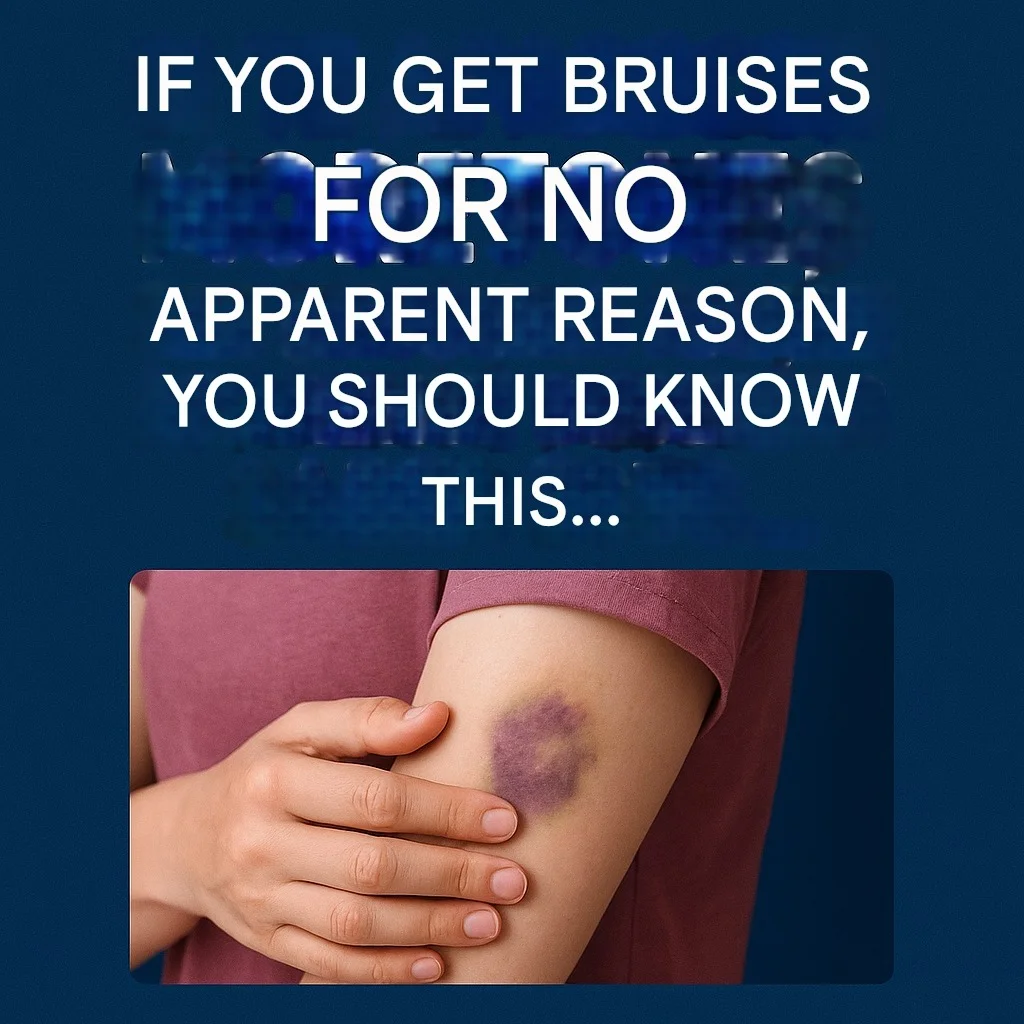
Bruises usually appear after a blow or considerable pressure on the skin, and in most cases, they’re not cause for alarm. However, when they appear without an apparent cause, persist longer than usual, or become frequent, they may indicate something deeper. These spontaneous bruises can have various causes, from nutritional deficiencies to more serious health conditions. In this article, we’ll explore the possible causes and share some tips for maintaining the health of your skin and blood. If you identify with any of these symptoms or have questions about their cause, it’s important to consult a doctor.
Possible Causes of Unexplained Bruises
- Vitamin and Mineral Deficiency
- A lack of essential nutrients, such as vitamins C and K, can affect blood vessel health and blood clotting. Vitamin C strengthens blood vessels and promotes healing, while vitamin K is crucial for proper clotting. A deficiency in either of these vitamins can make the skin more susceptible to bruising.
- Tip : Make sure you eat a balanced diet with fruits and vegetables rich in vitamin C, such as oranges and strawberries, and foods with vitamin K, such as spinach and broccoli.
- Skin Aging
- As we age, our skin thins and blood vessels lose elasticity, which can cause bruising more easily. This is a natural process and doesn’t usually indicate a serious health problem.
- Tip : Keep your skin moisturized and protect it from the sun to reduce accelerated thinning.
- Use of Medications
- Some medications, such as blood thinners, aspirin, and certain anti-inflammatory drugs, can cause blood to clot more slowly, increasing the risk of spontaneous bruising.
- Tip : If you’re taking medication and start to notice frequent bruising, consult your doctor. Don’t stop treatment without professional guidance.
- Coagulation Disorders
- Conditions such as hemophilia and idiopathic thrombocytopenic purpura (ITP) affect the body’s ability to clot blood properly, making bruising easier. These diseases often require specialized diagnosis and specific treatment.
- Tip : If you have a family history of bleeding disorders, share this information with your doctor to facilitate a more detailed evaluation.
- Liver Problems
- The liver plays a crucial role in the production of clotting factors. Liver diseases, such as cirrhosis or hepatitis, can affect the body’s ability to produce these factors, increasing the likelihood of bruising.
- Tip : Maintain a healthy lifestyle, avoid excessive alcohol consumption, and have regular liver checkups if you have a family history of liver problems.
- Blood Cancers
- Diseases such as leukemia and multiple myeloma affect the bone marrow and can cause unexplained bruising. Other symptoms include extreme fatigue, fever, frequent bleeding, and weight loss. Although this is a less common scenario, it’s important to consider a medical evaluation if bruising is accompanied by other symptoms.
- Advice : If symptoms persist or progress, seek medical advice. Early diagnosis is essential to improve treatment options.
What to Do When Unexplained Bruises Appear?
If you’ve noticed frequent bruises without an obvious cause, follow these tips:
- Keep a record of your bruises, their frequency and location on your body, and share it with your doctor to help with diagnosis.
- Avoid overuse of non-prescription blood thinning or anti-inflammatory medications.
- Consult a healthcare professional if these bruises are accompanied by other symptoms, such as extreme fatigue, unexplained weight loss, or abnormal bleeding.
Visit a Doctor in Case of Doubts or Symptoms
Unexplained bruises can be a sign that something in the body isn’t functioning properly, or they may simply be the result of nutritional deficiencies or aging. However, the only way to understand their true cause is through a medical evaluation. Remember that this article is for informational purposes only and does not replace the advice of a healthcare professional. Always consult a specialist for a proper diagnosis and to address any health-related concerns.