Why Gentle Pacing Enhances Emotional Control…..See More>>>

In a world that celebrates speed, urgency, and constant productivity, gentle pacing often feels countercultural. We are encouraged to move faster, respond quicker, and achieve more in less time. Yet, beneath this fast-paced surface lies a growing emotional cost: heightened stress, impulsive reactions, anxiety, and burnout. Gentle pacing—the intentional practice of slowing down actions, thoughts, and responses—offers a powerful and often overlooked path to emotional control. Rather than suppressing emotions, gentle pacing helps regulate them, allowing individuals to respond with clarity instead of reactivity. Emotional control does not mean emotional numbness. It refers to the ability to recognize emotions, understand them, and manage how they influence behavior. Gentle pacing supports this process by creating mental and physiological space between stimulus and response. When life is approached at a calmer rhythm, the nervous system stabilizes, cognitive clarity improves, and emotions become easier to process. Over time, this leads to healthier emotional patterns and stronger self-regulation. One of the primary reasons gentle pacing enhances emotional control lies in how the brain processes stress. Fast pacing activates the sympathetic nervous system, commonly known as the “fight or flight” response. This system is useful in emergencies, but when triggered constantly—through rushing, multitasking, and time pressure—it keeps the body in a heightened state of alert. In this state, emotions tend to become exaggerated. Minor frustrations feel overwhelming, patience diminishes, and impulsive reactions become more likely. Gentle pacing, by contrast, activates the parasympathetic nervous system, which promotes calmness, digestion, and emotional balance. This shift allows emotions to settle rather than escalate. Gentle pacing also improves emotional awareness. When moving too quickly, emotions are often felt vaguely or ignored entirely. People may notice they are irritated, anxious, or sad only after those feelings have already influenced their actions. Slowing down creates the opportunity to notice emotional signals earlier. A tight chest, shallow breathing, or racing thoughts can be recognized as early indicators of emotional distress. This awareness is critical for emotional control because it allows for conscious choices—such as pausing, reframing a thought, or taking a calming breath—before emotions spiral. Another key benefit of gentle pacing is its impact on cognitive processing. Emotional reactions are closely linked to how the brain interprets events. Under pressure, the brain tends to rely on shortcuts, assumptions, and past emotional patterns. This often results in overgeneralization, catastrophizing, or misinterpretation of others’ intentions. Gentle pacing slows down thought processes, allowing the rational parts of the brain to engage more fully. When thoughts are less rushed, emotions are more proportionate to the situation, making responses more measured and constructive. Gentle pacing also supports emotional resilience over the long term. Constantly operating at high speed drains emotional energy. Over time, this leads to emotional fatigue, where even small challenges feel unmanageable. By moving at a sustainable pace, individuals preserve emotional resources. This does not mean avoiding effort or responsibility, but rather distributing energy more evenly. With adequate emotional reserves, people are better equipped to handle stress, disappointment, and conflict without becoming overwhelmed. Interpersonal relationships are another area where gentle pacing significantly enhances emotional control. Many emotional outbursts occur in conversations—arguments, misunderstandings, or moments of perceived disrespect. When interactions are rushed, people are more likely to interrupt, react defensively, or speak without reflection. Gentle pacing in communication involves listening fully, pausing before responding, and allowing silence when needed. These pauses reduce emotional reactivity and increase empathy. As a result, conversations become less about winning or defending and more about understanding and connection. Gentle pacing also fosters self-compassion, which is closely tied to emotional regulation. Fast-paced lifestyles often come with harsh self-judgment and unrealistic expectations. When people feel they are constantly behind, emotions like guilt, shame, and frustration intensify. Slowing down challenges this internal pressure. It sends a psychological signal that worth is not dependent on speed or constant output. This shift reduces negative self-talk and creates a more supportive inner environment, making emotions easier to manage. From a physiological perspective, gentle pacing influences breathing, heart rate, and muscle tension—all of which are linked to emotional states. Rapid pacing often leads to shallow breathing and chronic muscle tightness, reinforcing feelings of anxiety or irritability. Gentle pacing naturally encourages slower, deeper breathing and relaxed posture. These physical changes send calming signals to the brain, reducing emotional intensity. Over time, the body learns to associate slower rhythms with safety and stability, strengthening emotional control at a subconscious level. Gentle pacing also improves decision-making, which is deeply intertwined with emotional regulation. Emotions often drive decisions, especially under time pressure. Quick decisions made in emotional states can lead to regret, conflict, or unintended consequences. By slowing the pace, individuals allow emotions to settle before acting. This does not eliminate emotion from decision-making but integrates it with logic and values. Decisions made at a gentle pace tend to be more aligned with long-term goals and emotional well-being. Importantly, gentle pacing does not require drastic lifestyle changes. It is not about abandoning ambition or productivity. Instead, it involves intentional micro-adjustments: taking a few extra seconds before responding to a message, walking instead of rushing, focusing on one task at a time, or scheduling brief pauses throughout the day. These small shifts accumulate, gradually retraining the nervous system to operate from a place of calm rather than urgency. In emotional moments, gentle pacing acts as a buffer. When anger arises, slowing speech and movement prevents escalation. When sadness appears, allowing time to sit with the feeling rather than distracting oneself fosters emotional processing. When anxiety surfaces, reducing external stimulation helps the mind regain balance. In each case, pacing creates space for emotions to move through rather than take control. From a psychological growth perspective, gentle pacing encourages emotional maturity. It promotes reflection, self-understanding, and intentional behavior. People who practice gentle pacing often develop a stronger sense of emotional agency—the belief that they can influence how they respond to feelings rather than being controlled by them. This sense of agency is central to long-term emotional health. In conclusion, gentle pacing enhances emotional control … Read more


The Shocking Consequences of Sleeping With the…See more…..

Sleeping with the wrong person can affect you in ways few people talk about. One impulsive moment can leave behind regret, confusion, and a quiet sense of shame that’s hard to shake. Afterward, everything can feel different. Messages lose warmth, reflections feel harsher, and familiar spaces no longer feel safe or steady. It’s not just the moment itself, but what follows. Friendships can shift, rumors can spread, and trust—both in others and yourself—can feel fragile. What’s often dismissed as “casual” can carry real emotional weight. When someone doesn’t truly value you, doubt creeps in and self-worth can take a hit. There’s also the lingering anxiety: awkward run-ins, unanswered questions, and worries about health or consequences that extend far beyond the night. This isn’t about blame or shame. It’s about recognizing how deeply personal choices can affect your body, heart, and sense of security. Protecting yourself means choosing people who respect your boundaries and see you as more than a temporary distraction. You’re allowed to say no, to wait, and to expect more. Your value isn’t defined by attention—it’s defined by what you choose not to accept

🚨BREAKING NEWS🚨 At least 21 dead after bus falls into an abyss in…see more

Yocalla, Bolivia – A tragic bus crash on February 17, 2025, left at least 28 dead and 14 injured after the vehicle plunged 2,600 feet into a ravine in the mountainous Yocalla district. Authorities suspect excessive speed may have caused the driver to lose control on a winding road, Rescue teams rushed to the scene, with four children among the injured—two in critical condition. This marks Bolivia’s deadliest road accident of the year, highlighting ongoing issues with hazardous roads and reckless driving. Officials have launched an investigation and pledged to improve road safety. Yocalla, Bolivia – A tragic bus crash on February 17, 2025, left at least 28 dead and 14 injured after the vehicle plunged 2,600 feet into a ravine in the mountainous Yocalla district. Authorities suspect excessive speed may have caused the driver to lose control on a winding road, Rescue teams rushed to the scene, with four children among the injured—two in critical condition. This marks Bolivia’s deadliest road accident of the year, highlighting ongoing issues with hazardous roads and reckless driving. Officials have launched an investigation and pledged to improve road safety. Read more below

20 Minutes Ago In Los Angeles, JLO Has Been Confirmed!…..see more>>.

Los Angeles is no stranger to celebrity surprises. From unexpected appearances to major career announcements, the city has always been the center of entertainment news, and when a name as globally recognized as Jennifer Lopez enters the conversation, millions of fans immediately want to know what is happening. A headline claiming that “20 minutes ago in Los Angeles, J.Lo has been confirmed” quickly captures attention because Jennifer Lopez is more than just a performer. She is a singer, actress, dancer, producer, entrepreneur, and one of the most recognizable figures in modern pop culture. Any news connected to her career, personal life, or upcoming projects has the potential to become a worldwide conversation within minutes. But what does “confirmed” actually mean? Is it a new project? A surprise appearance? A career announcement? A public event? Or simply another wave of online speculation? The answer depends on verified information from reliable sources. In today’s fast-moving digital world, celebrity news can spread instantly, sometimes before official details are available. Fans may see trending posts, viral videos, or dramatic headlines before the full story is clear. Why J.Lo News Creates Global Attention Jennifer Lopez has built a career that spans decades. Since rising to fame as a dancer and actress before becoming one of the biggest names in music, she has remained a constant presence in entertainment. Her ability to reinvent herself has been one of the defining features of her career. She has moved successfully between film, television, music, fashion, and business, creating a brand that reaches audiences across generations. For fans, a J.Lo announcement is rarely viewed as just another celebrity update. It often represents a new era, a new performance, a new creative direction, or another chapter in a career that has already included countless memorable moments. Los Angeles, as the heart of Hollywood, is often where major entertainment stories begin. Studios, award shows, production companies, and industry events frequently make the city a natural setting for announcements involving major stars. The Power of a Viral Celebrity Headline A phrase like “confirmed” carries a lot of weight online. When people see it in a headline, they naturally want immediate answers. Social media platforms can transform a small rumor into a worldwide discussion in a matter of minutes. Celebrity news moves differently today than it did in previous decades. In the past, fans waited for magazines, television programs, or official statements. Now, a single post can reach millions of people almost instantly. This speed creates excitement, but it also creates challenges. Not every viral claim is accurate. Some headlines are written to attract clicks, while details may still be developing or completely unverified. For Jennifer Lopez’s audience, this means separating genuine announcements from speculation is more important than ever. Official statements, verified accounts, and reputable entertainment reporting remain the best ways to understand what is actually happening. Jennifer Lopez: A Career Built on Major Moments Few entertainers have maintained the level of visibility that Jennifer Lopez has achieved. Her journey represents determination, creativity, and the ability to adapt to changing audiences. Her breakthrough in acting helped establish her as a serious performer, while her music career turned her into an international pop sensation. Over the years, she has released successful albums, starred in major films, performed on some of the world’s biggest stages, and influenced trends in fashion and entertainment. Beyond performing, Lopez has also expanded into producing and entrepreneurship. She has developed projects that reflect her interests in beauty, lifestyle, and entertainment, proving that her influence extends far beyond the stage. Each new announcement connected to her name carries the expectations of millions of fans who have followed her career for years. What Fans Are Waiting to Know Whenever a major celebrity story begins trending, fans usually have the same questions: Is there a new movie coming? Is a new album or performance being announced? Is there a special appearance planned? Is there a personal update that has been officially shared? The excitement comes from the possibility that a familiar star may be entering a new chapter. For an artist like Jennifer Lopez, whose career has included constant evolution, fans are always curious about what comes next. However, waiting for confirmed information is essential. Entertainment stories often develop quickly, and early reports may change as more details become available. Los Angeles: The City Where Entertainment Stories Begin Los Angeles has always been connected with celebrity culture. The city’s relationship with Hollywood means that major entertainment moments often happen there, whether during film productions, music events, award ceremonies, or industry gatherings. When a headline mentions Los Angeles and a major celebrity like J.Lo, it immediately creates curiosity because the location itself adds a sense of possibility. The city has witnessed countless iconic moments in entertainment history. From surprise performances to career-defining announcements, Los Angeles continues to be a place where stars create memorable experiences for audiences around the world. The Importance of Verified Celebrity Updates In an age where information spreads faster than ever, responsible reporting matters. A confirmed announcement should come from a reliable source, not only from rumors or social media discussions. Fans can look for several signs of reliable information: Official statements from representatives or verified accounts Announcements from recognized entertainment outlets Clear details about dates, locations, or projects Direct confirmation rather than anonymous claims This approach helps audiences enjoy celebrity news while avoiding confusion caused by inaccurate reports. Why Jennifer Lopez Continues to Inspire Fans Part of Jennifer Lopez’s lasting popularity comes from her ability to connect with audiences. Her career has shown persistence, ambition, and creativity. She has faced the challenges that come with maintaining a public career while continuing to evolve as an artist. Her ability to remain relevant across different generations demonstrates the importance of reinvention. For many fans, J.Lo represents more than fame. She represents hard work, confidence, and the pursuit of creative goals. The Next Chapter for J.Lo Whether the latest Los Angeles buzz turns out to involve a new project, appearance, … Read more

Could Your Bedtime Habit Be Affecting You More Than You Think?See More>>>

What you do at night might feel harmless, even relaxing—but those quiet habits can have a bigger impact on your health than you realize. The glow of a phone screen, the background buzz of electronics, and the habit of scrolling “just a little longer” have become normal parts of modern life. Yet sleep specialists are increasingly pointing out that these routines can quietly disrupt the body’s natural ability to rest and recover. The issue isn’t dramatic or immediate, which is why it often goes unnoticed. It builds slowly over time. Light from screens—especially blue light—can interfere with the body’s internal clock, making it harder to fall asleep and stay asleep. At the same time, constant notifications and late-night engagement keep the brain active when it should be winding down. Even if you do fall asleep, the quality of that rest may not be as deep or restorative as your body needs. This kind of disrupted sleep doesn’t always show up right away. Instead, it can appear in subtle ways: waking up feeling tired, struggling to focus during the day, experiencing mood swings, or noticing changes in skin and overall energy levels. Over time, these small effects can add up, leaving you feeling less refreshed and more drained than expected. The encouraging part is that these patterns are often reversible. Small, consistent adjustments can make a noticeable difference. Creating a buffer between screen time and sleep—about 30 to 60 minutes—gives your mind a chance to slow down. Dimming lights in the evening, reducing noise, and keeping your bedroom cool and dark can help signal to your body that it’s time to rest. Simple habits also go a long way. Putting your phone out of reach, turning off unnecessary notifications, and sticking to a regular sleep schedule can improve both how quickly you fall asleep and how well you stay asleep. Even something as basic as maintaining a clean, comfortable sleep environment can contribute to better rest. It’s not about eliminating technology or completely changing your lifestyle overnight. It’s about being more intentional with how you end your day. Nighttime should be a period of recovery, not stimulation. When you give your body the conditions it needs, it naturally responds by restoring energy, improving focus, and supporting overall well-being. The biggest shift is awareness. Once you recognize how small nightly choices affect your sleep, it becomes easier to make adjustments that benefit you long term. Rest isn’t just about the number of hours you spend in bed—it’s about the quality of those hours. If you’re looking to feel more energized and clear-headed, start by rethinking your nighttime routine. Even small changes can lead to meaningful improvements over time. Read More>>>

5 Common Misconceptions About the Round Scar on the Upper Arm….See More>

If you grew up in Asia, Africa, Latin America, or parts of Eastern Europe, there’s a good chance you have a small, round scar on your upper arm. Many people notice it later in life and wonder where it came from. Some feel embarrassed by it. Others invent explanations because no one ever explained the truth. That little scar has sparked decades of confusion. Below are five of the most common misconceptions about the round scar on the arm—and the real facts behind it Misconception 1: “It’s a skin disease or a childhood injury” One of the most widespread beliefs is that the scar is the result of a skin condition, an infection, or an injury from childhood. Some people even assume it came from a burn or an untreated wound. The truth: In most cases, the round scar is not caused by a disease or accident. It is the result of the BCG vaccine, which is used to protect against tuberculosis (TB). The vaccine is typically given in infancy or early childhood, which is why most people don’t remember receiving it. The scar forms as part of the body’s natural immune response, not because something went wrong. Misconception 2: “Only people from poor or rural backgrounds have it” This misconception carries a heavy social stigma. Some people believe the scar is a sign of poverty, poor hygiene, or lack of access to modern healthcare. The truth: The BCG vaccine was—and still is—part of national immunization programs in many countries, regardless of income level. Millions of children from all social classes received it, especially in regions where tuberculosis was once widespread. Having the scar says nothing about a person’s background, education, or social status. It reflects public health policy, not personal circumstances. Misconception 3: “If you don’t have the scar, you weren’t vaccinated” Many people compare arms with friends or family and assume that the presence or absence of the scar proves whether someone was vaccinated. The truth: Not everyone who receives the BCG vaccine develops a visible scar. Some people heal with little or no mark at all. Others may have had the scar fade significantly over time. The absence of a scar does not automatically mean a person was never vaccinated, just as having a scar doesn’t indicate stronger or weaker immunity. Misconception 4: “The scar means your immune system is weak or damaged” Another fear is that the scar signals long-term harm to the immune system or ongoing vulnerability to illness. The truth: The BCG scar is not a sign of immune weakness. In fact, it represents a normal immune reaction to the vaccine. The body recognizes the weakened bacteria in the vaccine and mounts a localized response, which can leave a small mark. In many cases, the vaccine has been associated with positive immune training, especially in early life. The scar itself has no negative effect on health. Misconception 5: “It’s dangerous or something that should be removed” Some people feel self-conscious about the scar and worry it might be unsafe, abnormal, or something that needs medical treatment. The truth: The BCG scar is harmless. It does not grow, spread, or turn into a medical problem. There is no medical reason to remove it unless someone chooses to do so for cosmetic reasons. Doctors generally consider it a normal, benign mark—nothing more than a quiet reminder of early protection. A Small Scar with a Big Story For many people, the round scar on the arm is a symbol of a time when medical decisions were made quietly, without explanation. Parents trusted public health systems. Children were protected, but rarely informed. Today, understanding the truth behind this scar helps remove fear, shame, and misinformation. It is not a flaw, a disease, or a mark of hardship—it is simply a trace of preventive medicine. Sometimes, the smallest marks carry the longest stories. Read More>>>

Military Training Flight Turns Tragic As Black Hawk Goes Down In Alabama…see more …

What began as a clear morning in Alabama quickly turned into a heartbreaking day for the U.S. military community. During what was described as a routine training mission, a Black Hawk helicopter went down in a rural area, leaving two soldiers dead at the scene. The crash, which occurred just after sunrise, sent shockwaves across the local community and the armed forces, serving as a sobering reminder of the dangers that service members face—even in peacetime operations Military and federal aviation authorities have launched a full-scale investigation into the Black Hawk helicopter crash in Alabama, focusing on several possible causes. Preliminary reports suggest that weather conditions were stable at the time, ruling out storms or strong winds as a contributing factor. Investigators are now examining potential mechanical failures, pilot response, and maintenance history. Officials from the U.S. Army Aviation and Missile Command emphasized that the Black Hawk—known for its reliability and versatility—undergoes frequent inspections. Still, even with the most rigorous protocols, the risk of unexpected failure is never fully eliminated.A spokesperson for the National Guard noted, “Training is essential for mission readiness… Read More>>>>

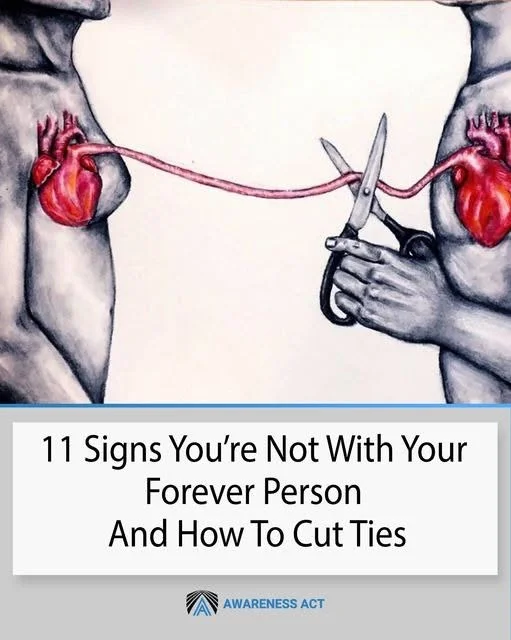
Signs You Are Not With Your Forever Person—and How to Safely Move On…Read More>

Not every relationship is meant to last forever, and realizing that can be emotionally difficult. Many people stay longer than they should because of hope, comfort, or fear of starting over. But sometimes, the healthiest decision is recognizing when a relationship is no longer aligned with your future—and knowing how to step away with clarity and self-respect. This isn’t about blaming anyone. It’s about understanding compatibility, emotional needs, and long-term direction. 1. You Keep Repeating the Same Problems Every couple faces challenges, but when the same issues come back again and again without real improvement, it’s a sign of deeper incompatibility. If conversations happen, promises are made, but nothing actually changes, the relationship may be stuck in a cycle rather than moving forward. 2. You Feel Emotionally Unstable in the Relationship A healthy long-term relationship should feel emotionally secure most of the time. If you constantly feel anxious, unsure, or emotionally drained, it may indicate that the connection is not stable enough for a long-term future. Peace is often a sign of compatibility—constant emotional turbulence is not. 3. Your Core Values Don’t Align Shared values are one of the strongest predictors of long-term success. Differences in lifestyle, family expectations, honesty, financial priorities, or life goals can create ongoing conflict over time. When values don’t match, compromise becomes harder and resentment can slowly build. 4. You Feel Alone Even When You’re Together One of the most painful signs is emotional loneliness inside the relationship. You may be physically together but feel misunderstood, unsupported, or disconnected. This often signals a lack of deep emotional bonding, which is essential for a long-term partner. 5. Effort Is One-Sided A healthy relationship requires mutual effort. If you are always the one initiating conversations, solving problems, or maintaining emotional connection, the imbalance can become exhausting. Over time, one-sided effort leads to emotional burnout. 6. You Are Growing in Different Directions People change over time, and sometimes those changes lead in different directions. If your personal growth, ambitions, or lifestyle no longer align, it can create distance. Growth should ideally bring people closer—not pull them apart. 7. You Don’t Feel Fully Accepted If you feel like you constantly have to change, hide parts of yourself, or meet unrealistic expectations, the relationship may not be emotionally safe for your authentic self. A forever partner should accept you as you are while supporting your growth. 8. Trust Has Been Damaged Repeatedly Trust is essential for long-term commitment. If trust has been broken multiple times and rebuilding it feels impossible, the emotional foundation of the relationship becomes unstable. Without trust, long-term security is very difficult to achieve. 9. You Stay Out of Fear, Not Love Fear of loneliness, fear of starting over, or fear of hurting the other person can keep people stuck in relationships that no longer feel right. Love should feel like choice, not obligation or fear. 10. You No Longer See a Shared Future When you imagine your future, if your partner no longer naturally fits into that vision, it may be a sign of emotional disconnect. A long-term partner should feel like part of your future—not something you’re uncertain about. How to Cut Ties in a Healthy Way Ending a relationship is never easy, but how you do it matters for your emotional healing and dignity. A calm, respectful approach helps both people move forward. 11. Be Clear With Yourself First Before ending things, be honest with yourself about why you want to leave. Clarity helps you avoid confusion or repeated back-and-forth decisions. When your decision is grounded, it becomes easier to stay firm. 12. Have an Honest but Calm Conversation When possible, communicate your feelings respectfully. Avoid blaming language and focus on your experience and emotional needs. Clarity is kinder than mixed signals or sudden distance. 13. Avoid Dragging the Process Prolonging a breakup without resolution often increases emotional pain for both sides. Once the decision is made, it’s important to follow through with consistency. Mixed signals make healing harder. 14. Create Healthy Distance Afterward After the breakup, limiting communication and emotional exposure helps both people heal. Constant contact can reopen emotional wounds and delay recovery. Space is essential for clarity and closure. 15. Focus on Rebuilding Your Life The end of a relationship is also the beginning of rediscovering yourself. Reconnect with your goals, friendships, routines, and personal growth. Healing doesn’t come from staying emotionally attached—it comes from moving forward. Final Thoughts Not every relationship is meant to last forever, and recognizing that is not failure—it’s emotional maturity. A “forever person” is someone who aligns with your values, supports your growth, and brings emotional peace, not confusion or constant struggle. Letting go can feel painful in the moment, but it often opens the door to a healthier, more fulfilling future where you are truly valued and emotionally secure. Read More >

Breakthrough Male Contraceptive Injection Offers Alternative to Condoms and Vasectomy

This innovation marks a significant shift in the contraceptive landscape, allowing men to share the responsibility of birth control in a safe and reversible way. A groundbreaking male contraceptive method, designed to offer a long-term alternative to condoms and vasectomy, has shown promising results in early clinical trials. The American biotechnology company Contraline has developed a device called Adam, which provides effective contraception for up to two years with a single injection. According to The Guardian on April 24, the product has successfully completed Phase I clinical trials. Unlike traditional methods, Adam works by injecting a water-based hydrogel into the vas deferens — the duct that carries sperm from the testes. The hydrogel acts as a physical barrier, blocking sperm from being released during ejaculation. “The hydrogel is soft and jelly-like in texture, made mostly of water,” researchers explained. The sperm, once blocked, is naturally reabsorbed by the body, leaving men to ejaculate semen that no longer contains…. Read More>

50-YEAR-OLD MAN KILLS HIS OWN WIFE AFTER SHOCKING DISCOVERY…..See More>>

What began as an ordinary day inside a family home ended in tragedy that has left an entire community stunned. Authorities say a 50-year-old man is in custody after allegedly killing his own wife following a discovery that triggered a rapid and violent escalation. Neighbors describe the couple as quiet and largely private, making the sudden police response all the more alarming. Within minutes, the area was flooded with emergency vehicles, and the home that once blended into the neighborhood became the focus of shock, confusion, and grief. According to investigators, the husband learned information about his wife that deeply disturbed him and led to a confrontation inside the home. Police say the argument intensified quickly, moving from words to irreversible action. While officials have not released every detail out of respect for the investigation and the family involved, they confirmed that the victim died at the scene. Officers responding described the situation as emotionally charged and devastating, emphasizing that this was not a random act but one rooted in a personal relationship that tragically unraveled. Law enforcement sources revealed that the suspect did not flee and was taken into custody shortly after authorities arrived. Images from the arrest show the man subdued and escorted by officers as neighbors watched in disbelief. Police confirmed that there is no threat to the public and that the suspect is cooperating with investigators. The motive, while linked to the discovery he made, is still under review as detectives work to establish a clear timeline of events leading up to the killing. The victim, described by acquaintances as a devoted woman who kept her personal life closely guarded, leaves behind grieving loved ones struggling to process the loss. Friends say the couple had their challenges, but nothing that hinted at such a violent ending. “You never think something like this could happen next door,” one neighbor said quietly. “It makes you question how well you really know anyone.” Candles and flowers have begun to appear near the home as the community searches for ways to cope. Authorities are now examining whether there were prior warning signs, including past disputes or reports, though none have been publicly confirmed. Officials stress that investigations like this take time and require careful examination of evidence, statements, and circumstances. Mental health professionals have also been involved to assess the suspect as part of standard procedure in cases involving domestic homicide. As the legal process moves forward, the case serves as a grim reminder of how quickly personal relationships can turn deadly when emotions spiral out of control. A life has been lost, another forever changed, and a family left shattered. For the community, the tragedy has replaced a sense of normalcy with sorrow and unanswered questions that may take years to heal. Read More>>>