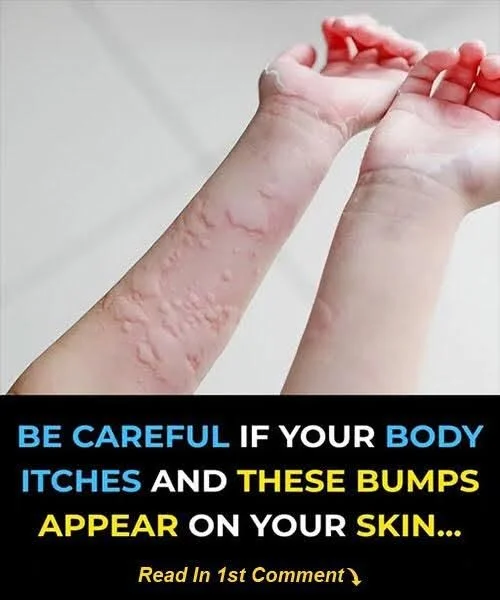
Hives, also known as urticaria, are raised, itchy welts that appear on the skin, often as a result of an allergic reaction, stress, or other underlying factors. While many people associate hives with food allergies or insect bites, there are several surprising causes that can trigger these uncomfortable skin reactions. Understanding the triggers can help prevent hives, manage flare-ups, and maintain healthier skin. Here are 20 surprising causes of hives, each explained in detail. 1. Food Allergies Food allergies are one of the most well-known causes of hives. Certain foods, including shellfish, peanuts, eggs, and dairy, can trigger an immune response that releases histamine into the bloodstream. Histamine causes the characteristic redness, swelling, and itchiness of hives. Interestingly, hives may appear immediately after consuming the allergenic food, or they can show up hours later, making it difficult to identify the exact trigger. Some people are allergic to multiple foods, or experience cross-reactivity, where eating one type of food causes a reaction due to similarity with another allergen. Repeated exposure to the allergen can also increase sensitivity, worsening the hives over time. Individuals with food allergies often need to maintain a food diary to track triggers, identify patterns, and prevent future outbreaks. Medical management may include antihistamines, corticosteroids, or avoidance strategies. In severe cases, epinephrine may be necessary if hives are accompanied by more serious allergic reactions. 2. Medication Reactions Many common medications can trigger hives, even if they have been taken before without issue. Antibiotics like penicillin, nonsteroidal anti-inflammatory drugs (NSAIDs), and certain pain relievers are frequently associated with hives. The immune system may recognize medication molecules as foreign invaders, prompting the release of histamine. This can cause sudden onset of itchy, red, or swollen welts on the skin. Sometimes hives appear after the first dose, and other times they develop after repeated exposure. It is essential to consult a doctor if hives appear after taking medication, as some reactions can progress to more severe conditions like angioedema or anaphylaxis. Doctors may recommend stopping the medication, switching to alternatives, or prescribing treatments to manage the reaction. Keeping a record of all medications taken, including over-the-counter drugs and supplements, helps identify possible triggers and prevent future outbreaks. 3. Insect Bites and Stings Insect bites and stings are another common but often overlooked cause of hives. Mosquitoes, bees, wasps, and other insects inject proteins into the skin that the immune system reacts to, releasing histamine and causing localized or widespread hives. The reaction may range from mild, itchy bumps to more extensive welts that appear hours after the bite. Some individuals are highly sensitive and may experience hives in areas distant from the actual bite site. Repeated exposure can exacerbate the reaction, and in rare cases, insect stings can cause severe allergic responses requiring immediate medical attention. Proper insect protection, quick removal of stingers, and antihistamine treatment can help manage symptoms and prevent further flare-ups. 4. Physical Triggers Physical factors such as pressure, temperature, or friction can cause hives in some individuals. This is known as physical or inducible urticaria. Examples include tight clothing, scratching, cold temperatures, heat, or sun exposure. When the skin is exposed to these triggers, mast cells release histamine, leading to temporary welts. Cold-induced hives may appear as itchy bumps after swimming in cold water or exposure to cold weather. Conversely, heat-induced hives can develop after hot showers, exercise, or sun exposure. Pressure-induced hives, or delayed pressure urticaria, may appear hours after carrying heavy bags, wearing tight clothing, or sitting in one position for an extended period. Identifying and minimizing physical triggers can help manage these reactions effectively. 5. Stress and Emotional Factors Emotional stress is a surprisingly common trigger for hives. The body’s stress response releases chemicals like cortisol and histamine that can exacerbate or directly cause skin reactions. Chronic stress can disrupt immune function, making the body more reactive to allergens or other environmental factors. Even mild emotional triggers, such as anxiety, work pressure, or significant life changes, may provoke hives in susceptible individuals. Stress management techniques such as mindfulness, meditation, yoga, or deep breathing exercises can reduce the frequency and severity of stress-induced hives. Recognizing the connection between emotional health and skin reactions is essential for effective management. 6. Viral and Bacterial Infections Certain infections, including viral illnesses like the flu or common cold, can trigger hives. The immune system’s response to the infection may inadvertently cause histamine release, leading to itchy, red welts. Bacterial infections, such as strep throat, can also provoke hives. In these cases, hives may appear before other symptoms or during the infection, signaling the body’s immune response. Understanding that infections can be underlying triggers helps in identifying and managing recurring hives. Treating the infection usually alleviates the skin reaction, and supportive care such as antihistamines can relieve discomfort in the meantime. 7. Food Additives and Preservatives Some individuals develop hives due to additives, preservatives, or artificial coloring in processed foods. Common triggers include sulfites, MSG (monosodium glutamate), artificial dyes, and certain flavor enhancers. These compounds can provoke immune reactions or directly release histamine in sensitive individuals. Reactions may vary in severity, from mild redness and itchiness to extensive hives covering large areas of the body. Reading food labels carefully and avoiding processed foods high in artificial additives can help prevent outbreaks. For those with known sensitivities, working with a nutritionist to identify safe alternatives is recommended. 8. Environmental Allergens Pollen, dust, mold, pet dander, and other environmental allergens can cause hives in susceptible individuals. These allergens trigger an immune response, leading to histamine release and itchy welts. Seasonal variations often influence the severity of hives, with pollen in spring and mold in humid months being common triggers. Indoor allergens, such as dust mites, can also provoke reactions year-round. Regular cleaning, air purifiers, and minimizing exposure to known allergens can help prevent or reduce hives. Allergy testing may also be useful in identifying specific environmental triggers. 9. Exercise-Induced Hives Exercise can sometimes trigger hives, a condition known as cholinergic urticaria. Sweating, … Read more