A Man Scratching a Woman’s Palm; What Does It Mean?….Read More>

Discover the cultural, romantic, and contextual meanings behind a man scratching a woman’s palm. Learn how intent varies in every scenario. Scratching a woman’s palm might seem like a trivial action, but it can carry different meanings depending on cultural, social, and personal contexts. While some may interpret this gesture as harmless, others might view it as a subtle sign of romance or attraction. Let’s uncover what this seemingly small act could signify. In some cultures and social settings, scratching the palm is considered a flirtatious gesture. Often occurring during a handshake, this gentle act may be used to express interest or attraction without saying a word. The palm, an intimate and sensitive part of the body, can make this action feel purposeful and personal. When combined with meaningful eye contact or a warm smile, scratching the palm might indicate romantic intent. This silent yet intimate gesture has been noted in some communities as a way to gauge mutual feelings discreetly. The meaning of this gesture varies widely depending on the cultural and social environment: Western Cultures: In many Western societies, scratching the palm during a handshake is rarely significant. If it carries romantic connotations, this is likely based on mutual understanding or shared context. African and Caribbean Communities: In some regions, scratching the palm has been recognized as a subtle romantic signal. Popular culture often highlights this, but interpretations are not universal. Asian Traditions: In parts of Asia, where physical touch is typically reserved for close relationships, this gesture could be seen as unusual or inappropriate, rather than flirtatious. In other cases, scratching the palm may be an unconscious or playful act with no deeper meaning. For example, one person might fidget or tease lightly without intending any romantic implications. Understanding the intent behind scratching a palm requires evaluating the situation: Formal Settings: In professional or formal environments, the gesture is unlikely to carry romantic significance. It’s more plausible to be an unintentional movement. Casual or Personal Situations: In relaxed settings where mutual attraction exists, this gesture might suggest flirtation. The tone of the interaction and additional nonverbal cues play a significant role in interpreting its meaning. Factors such as body language, tone, and the nature of the relationship between the individuals involved often provide essential context. If you’re uncertain about someone’s motives, consider these steps: Reflect on Context: Was the gesture deliberate or accidental? Did it happen in a setting where romantic undertones might be expected? Observe Additional Cues: Nonverbal signals, like prolonged eye contact or a warm smile, may offer more insight. Communicate: If you suspect the gesture was intentional but are unsure, approach the topic gently. Asking or clarifying feelings can help avoid misunderstandings. While scratching a woman’s palm can sometimes indicate romantic interest, it is not a universal language of flirtation. Cultural nuances, situational context, and personal intentions all play significant roles in deciphering this gesture. By staying observant and communicating openly, you can better understand the meaning behind such actions and respond appropriately.


The Hidden Biological Trigger: Why Your Heart Might React to the COVID-19 Vaccine…..See More>>>

The truth they didn’t tell you is finally surfacing, and it’s buried deep within your very own DNA. For years, the medical establishment dismissed the whispers, the hushed reports, and the terrifying reality of heart inflammation following mRNA vaccinations as nothing more than a statistical anomaly. But now, Stanford Medicine has blown the lid off the mystery. They have pinpointed the exact, lethal biological mechanism that turns a life-saving shot into a medical nightmare for the unlucky few. You’ve been told it’s safe, but what if your immune system is a ticking time bomb waiting for a specific, microscopic signal to ignite?Heart Condition Awareness The intersection of modern immunology and the global vaccination campaign has been a subject of intense scrutiny, hope, and significant controversy. While the overwhelming consensus from global health authorities remains that mRNA COVID-19 vaccines are safe and effective for the vast majority of the population, the medical community has never stopped investigating the rare, yet serious, cases of myocarditis that emerged in the wake of mass inoculation efforts. For those affected, the experience is far from a mere statistic; it is a profound health crisis. Now, researchers at Stanford Medicine have provided the most compelling insight to date, identifying a specific biological pathway that may explain why some individuals experience this severe inflammatory response. Myocarditis, an inflammation of the heart muscle, typically presents as chest pain, shortness of breath, or heart palpitations. While most cases documented post-vaccination have been mild to moderate, with patients frequently achieving a full recovery, the rarity of the condition has made it notoriously difficult to study. Because the reaction is so infrequent, capturing the precise moment of immune dysregulation in a clinical setting is a monumental task. The Stanford team approached this challenge by looking beyond the surface-level symptoms, diving deep into the molecular interactions occurring within the bodies of those who developed the condition. The breakthrough lies in the identification of two specific immune signaling molecules: CXCL10 and interferon-gamma. In a typical, healthy immune response, these molecules work in concert to fight off pathogens. However, the study suggests that in a rare subset of people, these molecules become hyperactive following vaccination, acting as the primary architects of inflammation. The mechanism, as detailed by the researchers, involves a dangerous feedback loop. Certain immune cells appear to produce elevated levels of CXCL10. This molecule acts as a signal flare, drawing in T cells—the “soldiers” of the immune system. Once these T cells arrive on the scene, the interaction with CXCL10 triggers a massive surge in interferon-gamma activity. Instead of fighting a virus, this amplified signal turns the immune system against the heart tissue, initiating an inflammatory response that the body struggles to regulate. It is a classic case of a biological “friendly fire,” where the mechanism designed to protect the host becomes the catalyst for injury.Vaccines & Immunizations To validate this theory, the Stanford researchers utilized both laboratory models and animal studies. The results were striking: by intervening and blocking these specific pathways, they were able to significantly reduce inflammation. Most importantly, this intervention did not paralyze the immune system; it merely dampened the runaway signaling, preserving the body’s ability to maintain broader immune function. This is a critical finding, as it offers a glimmer of hope that future treatments—or perhaps even pre-screening protocols—could be developed to mitigate these risks without compromising the protective benefits of vaccination. It is vital to contextualize these findings within the broader landscape of medical risk. The research team is unequivocal in stating that their work is intended to refine vaccine safety and deepen our understanding of rare immune phenomena. They are not suggesting that these findings invalidate the efficacy of the vaccines, which have saved millions of lives globally. Furthermore, it is important to note that the risks associated with a natural COVID-19 infection—including the risk of developing myocarditis—are consistently shown in clinical studies to be significantly higher than the risks associated with the vaccine itself. When a body is infected with the SARS-CoV-2 virus, the inflammatory response is often systemic, unpredictable, and far more aggressive than the localized reaction occasionally triggered by the vaccine’s mRNA instructions. The Stanford study serves as a masterclass in the evolution of precision medicine. By shifting the focus from population-level statistics to individual molecular profiles, scientists are beginning to unlock the “why” behind the “rare.” We are entering an era where we can no longer afford to treat the human body as a monolith. Every individual possesses a unique immunological signature, a genetic and biochemical blueprint that dictates how they will process a drug, a virus, or a vaccine. For the general public, this information should be viewed as a sign of progress rather than a cause for alarm. The ability to identify specific molecular culprits like CXCL10 means that we are moving away from trial-and-error medicine and toward a future of predictive healthcare. If we can understand the triggers for adverse reactions, we can develop the next generation of vaccines to be even safer, ensuring that the rare side effects currently seen are relegated to the history books.Infectious Diseases As we continue to navigate the long-term impacts of the pandemic, the commitment to transparency and rigorous scientific inquiry remains our best defense. The mystery of vaccine-induced myocarditis is being solved, one molecular interaction at a time. Through the persistence of researchers at institutions like Stanford, we are gaining a clearer picture of the complex dance between our immune systems and the therapies designed to protect them. The data is clear: the path forward is through science, skepticism, and the relentless pursuit of biological truth. We are not just learning how to fight a virus; we are learning how to listen to the silent, complex language of the human heart….. ReadMore>>>

How Smoking Weed Affects Your Body During a Workout…..see more>>>

 Maximising performance and boosting enjoyment in exercise is a continual pursuit for athletes, gym rats and joggers alike. From well planned-out exercising regimens to carefully curated diets, fitness enthusiasts and professionals are always seeking fresh, new ways to push their limits and unlock their full potential. However, as the legal landscape surrounding smoking weed continues to evolve and societal perceptions shift, fitness enthusiasts have been exploring the benefits of smoking weed as part of their exercising regime. But is it merely a passing fad, or does cannabis genuinely possess the capacity to enhance athletic performance and overall exercise experience? Advertisement A Different Kind of High: Cannabis and the Runner’s High Credit: Pexels While the research is extremely inconclusive as to whether smoking weed improves performance, there have been positive reviews on its effectiveness on improving mental fortitude and motivation for doing exercise. Some individuals report that working out while high on weed can enhance their focus, reduce anxiety, and amplify their enjoyment of the activity. Cannabis has come to the forefront as a potential shortcut to a similar state of elevated mood and altered perception. Jessamyn Stanley, a yoga teacher, body positivity advocate, and writer, emphasizes the mental benefits of smoking or ingesting weed before a workout. “Using weed before a workout is a great way to get out of your head about what’s to come,” she explains. The anticipation of a challenging workout can often be a barrier to entry, draining emotional energy and leading to negative associations with exercise. By quieting the mental chatter and fostering a sense of ease, cannabis may help individuals overcome this hurdle and approach their workouts with a more positive mindset. The Potential Benefits: Mood, Focus, and Pain Relief Credit: Pexels Some proponents suggest that cannabis may possess properties that can directly enhance athletic performance and recovery. One such benefit is mood enhancement, as smoking weed is well-known for its mood-altering effects attributed to the psychoactive compound tetrahydrocannabinol (THC). By stimulating the release of dopamine, a neurotransmitter associated with pleasure and reward, THC can induce feelings of euphoria, relaxation, and reduced anxiety. This mood boost can make exercise feel less like a chore and more like an enjoyable activity, potentially increasing adherence and motivation. While THC can sometimes impair cognitive function, some individuals report that it can also enhance focus and concentration, particularly when engaged in repetitive or monotonous activities. This heightened focus can be particularly beneficial for activities like long-distance running or cycling, where mental endurance is important. Pain relief is another potential benefit, as cannabis has been used for centuries as a pain reliever. By interacting with the body’s endocannabinoid system, cannabis can reduce pain perception and inflammation, allowing individuals to push through discomfort and exercise for longer durations. Furthermore, Dr. Gary Starr, MD, medical director of FOCUS, an international non-profit working toward developing cannabis quality management standards, suggests that marijuana might reduce the inflammation response in the body after a heavy workout. The Scientific Evidence: A Mixed Bag Credit: Pexels While there are positive personal anecdotes and experience from those who’ve smoked weed for exercising, the scientific evidence regarding the effects of smoking weed on exercise remains limited and inconclusive. A 2017 study published in the Journal of Science and Medicine in Sport found that while pot probably doesn’t physically improve your athletic performance, it may be excellent for getting your mind in the game. A survey published in the journal Nature found that approximately 70% of respondents living in states where recreational cannabis is legal reported that being high on pot made working out more enjoyable.This survey has also revealed that individuals who used cannabis before or after exercise spent more time working out than those who did not. However, it is important to acknowledge the limitations of these studies. Observational studies can only establish correlations, not causation, and the small sample sizes in many of these studies make it difficult to generalize the findings to larger populations. Read More: Cannabis Use Linked to Epigenetic Changes, Study Shows The Risks and Considerations: Heart Rate, Hydration, and Dose Credit: Pexels Before you start puffing the magic dragon, there are a couple of risks of smoking weed to take into consideration. Cannabis is known to increase heart rate, which can be particularly problematic for individuals with underlying heart conditions or arrhythmias. Additionally, THC can impair coordination and judgment, increasing the risk of exercise-related injuries, making caution and the avoidance of activities requiring precise movements essential. Dehydration is another concern, as highlighted by Meryl Montgomery, co-founder of Barbari, who emphasizes the importance of staying hydrated due to THC’s impact on glucose metabolism. Finally, determining the appropriate dosage is highly individual, depending on factors like body weight, tolerance, and cannabis strain, with a low-and-slow approach generally recommended. CBD: A Non-Psychoactive Alternative Credit: Pexels For those seeking the potential benefits of cannabis without the psychoactive effects of THC, cannabidiol (CBD) offers a promising alternative. CBD is a non-intoxicating compound found in cannabis that has been shown to possess a variety of therapeutic properties, including pain relief, anxiety reduction, and anti-inflammatory effects. Kendra Freeman, president of business development and product development at Mendi, a CBD company for athletes, suggests that adding some CBD to the mix may be beneficial, especially for those who are unsure about how their body reacts to THC. CBD won’t make you all floaty the way THC will, so you might find yourself able to focus on your workout more. Conclusion: Proceed with Caution and Awareness Credit: Pexels If you’re considering smoking weed as part of your exercise routine, it’s important to proceed with caution and awareness. Start with a low dose, pay attention to your body’s signals, and avoid activities that require precise movements or quick reflexes. It’s also essential to consult with a healthcare professional to discuss any potential risks or interactions with underlying health conditions or medications.,,,, Read More>>>

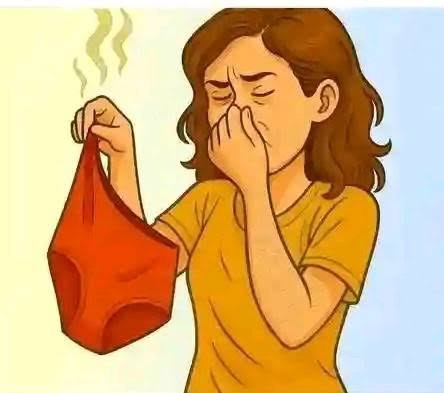
A woman’s underwear smells bad when… see more……

It’s important to remember that every woman has a unique scent, and having a mild vaginal odor is perfectly normal. That unique smell is the product of a diverse collection of bacteria, your body odor, and the delicate balance in your vaginal ecosystem — but what happens when that scent becomes overpoweringly strong? Let’s shed some light on what could be the causes of unusual vaginal odor. What Causes Vaginal Odor? The scent of your vagina isn’t random; it’s a well-calibrated result of your body’s pH balance and the vaginal microbiome. Several factors, including hormonal changes, sexual activity, and your menstrual cycle, influence this balance. Your vagina, like the rest of your body, has sweat glands. Located in the vulva and the groin area, these glands play a key role in your body’s temperature regulation. However, the sweat they produce can mix with bacteria in your genital area, contributing to body odor. Using a vaginal pH balancing cleanser can help reduce odor. It’s worth noting that body odor is a normal part of human physiology. When this odor becomes unusually strong or pungent, you can explore other potential causes. What Are the Common Causes? Recognizing when a change in vaginal odor is abnormal can sometimes be tricky, but it’s an important first step in managing your health. The most common causes of an unusual vaginal odor can range from bacterial vaginosis and yeast infections to trichomoniasis and sexually transmitted infections (STIs). Vaginal Infections Bacterial vaginosis (BV) is a condition resulting from an overgrowth of certain types of bacteria in the vagina. One noticeable sign of BV is a fishy odor, especially after sexual activity. Similarly, yeast infections can cause an odor, often accompanied by a thick, white discharge. Trichomoniasis Trichomoniasis, a lesser-known but common STI, can also cause a strong, foul odor and is often accompanied by a frothy, yellow-green vaginal discharge. On the other hand, more well-known STIs, like chlamydia or gonorrhea, can also result in changes to vaginal odor and discharge. Menopause With menopause, significant hormonal changes occur, which can lead to a decrease in estrogen levels. This decrease can alter the typical scent of the vagina, leading to a change in the odor that some may find unusual. Toxic Shock Syndrome (TSS) Another factor to consider is the use of tampons. Tampons that are left in too long can lead to toxic shock syndrome (TSS), a severe and potentially life-threatening condition. One symptom of TSS is a foul, unusual odor. Hormonal Imbalances Hormonal imbalances can also contribute to changes in vaginal odor. Fluctuations in hormone levels, such as those that occur during pregnancy or certain medical conditions like polycystic ovary syndrome (PCOS), can disrupt the delicate pH balance of the vagina and lead to an altered scent. Additionally, hormonal changes can affect sweat production and the sweat glands’ activity, which can further impact body odor in the genital area. Urinary Tract Infections (UTIs) Lastly, urinary tract infections — while technically affecting a different part of your body — can sometimes cause a strong, unpleasant smell if urine or discharge is left on the skin or fabric. This smell can often be mistaken as originating from the vagina, while it’s actually due to an infection in the urinary tract. The Importance of Good Hygiene and a Healthy Lifestyle When maintaining a healthy vaginal odor, hygiene and lifestyle choices play a significant role. However, good hygiene doesn’t mean over-cleansing. Wash With Care While it may seem counterintuitive, washing the vulva too often or using harsh soaps can disrupt the natural pH level of your vagina, leading to an overgrowth of certain bacteria and potentially causing a strong odor. Instead, the Centers for Disease Control and Prevention (CDC) recommends washing the genital area with warm water and a mild soap or cleanser, promoting an optimal environment for the natural vaginal microbiome. It’s essential to ensure the vagina is dried properly after washing to avoid moisture buildup, which could provide an ideal breeding ground for bacteria. Pro Tip: Not sure where to find a vagina-friendly cleanser? Check out our pH Balancing Cleanser™ — it’s doctor-developed, fragrance-free, and gentle. Choose Breathable Undies The type of underwear you choose can also make a difference. Cotton underwear is often recommended as it’s breathable and helps to absorb excess moisture and reduce sweat in the genital area. This can reduce the risk of bacterial growth and keep your body odor in check. Maintain a Healthy Diet and Lifestyle Your diet and lifestyle choices can impact your vagina’s natural scent, too. Eating a balanced diet rich in fruits, vegetables, and whole grains can help promote overall health, including vaginal health. Staying hydrated by drinking an adequate amount of water can help flush out toxins and maintain proper bodily functions. Regular exercise is also beneficial for maintaining hormonal balance and promoting healthy circulation, which can indirectly contribute to a healthier vaginal scent. However, it’s important to maintain proper hygiene during and after physical activity to prevent the buildup of sweat and bacteria. Pro Tip: Level up your diet with a probiotic supplement like Good Girl Probiotics® — a doctor-developed probiotic that supports a balanced vaginal pH, bacteria, and urinary tract health.* Avoid Scented Products Products such as vaginal deodorants and sprays may seem like a quick fix for vaginal odor, but they can be more harmful than helpful. These products can disrupt the natural pH of the vagina, causing an imbalance in the bacterial ecosystem. Douching is discouraged by healthcare providers, as it can lead to the same issues. Diagnosis and Treatment If you’re experiencing a persistent or foul-smelling vaginal odor, don’t hesitate to seek advice from a healthcare provider or an ob-gyn. They can help identify any underlying conditions, from a simple yeast infection to more severe issues, that could be causing the odor. For instance, bacterial vaginosis is usually treated with prescribed antibiotics such as metronidazole, while yeast infections may be treated with over-the-counter antifungal medications. Trichomoniasis, a sexually transmitted infection, is also typically … Read more

Young woman hospitalized after being pen…See more…..

People often say you never forget your first deeply personal experience. Mine, however, is remembered not for excitement or curiosity, but for fear and confusion. Instead of laughter or nervous anticipation, I remember tears streaming down my face while a close friend held my hand and medical staff rushed around me. What should have been an intimate and meaningful moment quickly turned into panic—first in a bathroom as I realized something was wrong, and later in a hospital room filled with urgent questions and examinations. Growing up, conversations about relationships, physical intimacy, and personal boundaries were often surrounded by silence, discomfort, or vague generalizations. These topics, despite being deeply important, were rarely approached with the clarity or seriousness they deserved. Instead, they were often reduced to jokes, exaggerated stories, or warnings that lacked real explanation. Cultural narratives tended to frame these experiences as exciting milestones—something to look forward to—or as awkward, even humorous situations that people would later laugh about. What was missing from these narratives was honesty about the risks, the emotional complexity, and the importance of preparation, communication, and self-awareness. In many environments, especially where open dialogue is limited, young people are left to piece together their understanding from unreliable sources. Friends, social media, rumors, and incomplete bits of information become the primary teachers. Unfortunately, these sources often lack accuracy and depth. They may glamorize certain experiences while ignoring the potential consequences or challenges. As a result, individuals can enter important moments in their lives without truly understanding what is happening physically, emotionally, or mentally. This gap in knowledge creates vulnerability—not because of a lack of intelligence, but because of a lack of access to honest and meaningful education. When something goes wrong in such situations, the impact is rarely just physical. The emotional response can be intense and overwhelming. Fear can take hold almost instantly, followed closely by embarrassment and confusion. There is often a sense of isolation, as if no one else could possibly understand what is happening. In my own experience, things escalated quickly enough that medical attention became necessary. What started as a situation that seemed manageable turned into something far more serious in a very short period of time. While the physical injury required immediate care and attention, it was the emotional aftermath that proved to be more complex and long-lasting. In the days and weeks that followed, my mind kept returning to that moment. I replayed everything repeatedly, analyzing each decision, each action, and each detail. Questions filled my thoughts—what could I have done differently? Did I ignore signs that something wasn’t right? Was I somehow responsible for what happened? This kind of self-questioning can be exhausting, and it often leads to unnecessary self-blame. Later, when I spoke with medical professionals, their explanation brought a different perspective. They clarified that the situation could likely have been prevented with better preparation, clearer communication, and a stronger understanding of the body and its limits. Hearing that was not easy at first. It’s difficult to accept that something painful might have been avoidable. But at the same time, that realization was important. It shifted my focus away from blaming myself and toward understanding a larger issue—the absence of open, honest, and informative conversations about health, safety, and personal boundaries. This lack of communication is not just an individual problem; it is a broader societal pattern. When important topics are avoided or treated as taboo, people are left without the tools they need to navigate real-life situations. Education is not just about facts—it’s about preparation. It’s about giving people the confidence to make informed decisions, to recognize risks, and to communicate effectively with others. Without that foundation, even the most common experiences can become sources of confusion and harm. Looking back now, my perspective has changed significantly. At the time, everything felt overwhelming, almost as if I had lost control over the situation. There was a sense of vulnerability that was difficult to process. But with time, reflection, and a willingness to understand what truly happened, that experience has taken on a different meaning. It is no longer defined solely by fear or uncertainty. Instead, it has become a powerful lesson—one that continues to shape how I approach life, relationships, and personal well-being. One of the most important lessons I learned is how closely fear is tied to a lack of knowledge. When we don’t fully understand what is happening to us, our minds tend to imagine the worst possible outcomes. Uncertainty creates space for anxiety to grow. But when we seek knowledge—when we ask questions, research, and learn—we begin to replace that fear with clarity. And clarity brings a sense of control. It allows us to approach situations more calmly, to recognize what is normal and what is not, and to make decisions that are grounded in understanding rather than panic. Communication is another critical aspect that often goes overlooked. Many people struggle to speak openly about sensitive topics, especially when they feel embarrassed or afraid of judgment. It can feel easier to stay silent, to keep things to yourself, and to hope that everything will resolve on its own. But silence often leads to isolation. It creates a barrier between individuals and the support they might need. When we choose to communicate honestly—whether with a trusted friend, a partner, or a professional—we open the door to understanding and support. We allow others to help us see things more clearly, and we remind ourselves that we are not alone. Read More>>>

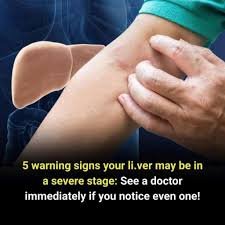
5 Warning Signs Your Liver May Be in a Severe Stage: See a Doctor Immediately If You Notice Even One!

Your liver is one of the most vital organs in your body, responsible for filtering toxins, aiding digestion, and regulating metabolism. However, liver disease often progresses silently, with symptoms appearing only when significant damage has already occurred. Recognizing the warning signs early can mean the difference between effective treatment and irreversible damage. 1. Dark Yellow Urine: A Silent Indicator of Liver Dysfunction 5 Warning Signs Your Liver May Be in a Severe Stage: See a Doctor Immediately If You Notice Even One! Your liver is one of the most vital organs in your body, responsible for filtering toxins, aiding digestion, and regulating metabolism. However, liver disease often progresses silently, with symptoms appearing only when significant damage has already occurred. Recognizing the warning signs early can mean the difference between effective treatment and irreversible damage. 1. Dark Yellow Urine: A Silent Indicator of Liver Dysfunction Urine color can reveal a lot about your health. While dehydration can cause darker urine temporarily, consistently dark yellow or brownish urine may indicate liver problems. The liver helps process bilirubin, a byproduct of red blood cell breakdown. When the liver isn’t functioning properly, bilirubin builds up, leading to dark urine. If your urine remains dark despite proper hydration, it could point to liver disease or bile duct obstruction. Cloudy or tea-colored urine may signal severe liver dysfunction and requires immediate medical evaluation. 2. Yellowing of the Skin and Eyes (Jaundice) One of the most recognizable signs of liver distress is jaundice, where the skin and the whites of the eyes take on a yellowish hue. This occurs when excess bilirubin accumulates in the bloodstream due to liver dysfunction. Over time, the yellowish tint can turn greenish, indicating further breakdown of bilirubin into biliverdin. Jaundice is often associated with conditions like hepatitis, cirrhosis, or bile duct obstruction. People with darker skin may not notice changes in their complexion, but the whites of the eyes are a more reliable indicator. If your eyes appear unusually yellow, seek medical attention immediately. 3. Unexplained Rashes and Skin Conditions Your skin can provide early clues about liver distress. Chronic liver disease impairs nutrient absorption, particularly zinc, which plays a crucial role in skin health. Zinc deficiency, common in non-alcoholic fatty liver disease (NAFLD), can cause inflammatory rashes around the mouth. These rashes may appear as clusters of fluid-filled bumps or dry, flaky patches that don’t heal easily. If you notice persistent skin irritation along with other symptoms, it could be a sign that your liver is struggling. 4. Persistent Itching: A Hidden Symptom of Liver Damage Itching (pruritus) is an often-overlooked sign of liver disease but can be incredibly distressing. This happens when bile salts accumulate in the bloodstream due to poor liver function, causing irritation under the skin. Unlike typical dry skin or allergic reactions, liver-related itching is persistent and widespread, often affecting the hands, feet, and face. Scratching does not relieve the itch and may even worsen the irritation. If you experience unexplained itching, especially without a rash or other skin condition, it could be a red flag for liver disease. 5. Red Spots on the Face and Spider Angiomas Not all liver symptoms are internal—some appear visibly on the skin. Spider angiomas (small, red, web-like blood vessels) can be an early warning sign of liver damage. These red spots form when capillaries near the skin’s surface dilate due to liver dysfunction. They often appear on the face, chest, and upper body, resembling spider webs. Multiple spider angiomas can be a sign of cirrhosis or chronic liver disease. If you start noticing these spots along with other symptoms, it’s essential to get a liver function test immediately. Why Early Detection Matters Liver disease often remains undiagnosed until it reaches an advanced stage, making early detection critical. Common causes of liver damage include: Fatty liver disease (NAFLD/NASH) – Often linked to obesity and poor diet. Hepatitis B or C – Viral infections that cause long-term liver damage. Alcoholic liver disease – Caused by excessive alcohol consumption. Cirrhosis – The final stage of liver scarring, which can be irreversible. Without treatment, liver disease can lead to liver failure, cancer, or even death. When to See a Doctor If you notice even one of these symptoms, it’s important to take action: Schedule a liver function test (LFT) – This simple blood test can check enzyme levels and detect liver abnormalities. Get an ultrasound or MRI – Imaging tests can reveal fatty liver, fibrosis, or tumors. Improve your lifestyle – Eating a balanced diet, staying active, and reducing alcohol intake can support liver health. Final Thoughts: Don’t Ignore the Signs Your liver works tirelessly to keep you healthy, but once damage occurs, recovery can be difficult. Recognizing the warning signs early is the key to preventing serious complications. If you experience dark urine, jaundice, persistent itching, unexplained rashes, or red spots on your skin, don’t wait—see a doctor immediately. Liver disease is a silent killer, but with early detection and lifestyle changes, it can be managed and even reversed.

HIGH ALERT IN USA FOR NEXT FEW HOURS…See more……

when three catastrophic attacks occurred within hours of each other, immediately following an eerie display of lightning strikes illuminating the sky. Witnesses described the sudden flashes as unusually intense, casting an unsettling glow over cities that were moments away from chaos. What first appeared to be a strange coincidence would soon take on a far more troubling meaning. emergency alerts started to flood phones and television screens, authorities confirmed that the incidents were separate but deeply alarming. Each attack targeted a different location, yet the timing was so precise that officials quickly ruled out chance. Confusion spread as people searched for answers, while first responders rushed to secure affected areas and assist those caught in the unfolding crisis. Social media erupted with speculation, videos, and firsthand accounts, amplifying fear and uncertainty. Many users noted the lightning seen just before the attacks, calling it a chilling sign of what was to follow. Experts urged calm, emphasizing that investigations were still in the early stages and that verified information would take time to emerge.

URGENT: Serious accident leaves 9 M0RT0S, among them was our beloved Fab… See more

A serious traffic accident turned Tuesday night (13) into a scene of loss on BR-251, near Grão Mogol, in the northern region of the state. A head-on collision between a van and a truck resulted in nine deaths and left 12 others injured, prompting a large emergency response and a national outpouring of concern. Authorities are now working to determine the precise causes of the crash and whether it could have been prevented. Preliminary findings from the Civil Police of Minas Gerais indicate that the truck crossed into the opposite lane, leading directly to the collision with the van, which was transporting workers returning to Ceará. According to forensic specialist Hugo Leonardo, physical evidence at the scene—including tire marks, drag marks, and grooves in the asphalt—was central to this initial conclusion. “It was a determining factor,” he said, noting that the roadway evidence strongly supports the early assessment. The investigation remains ongoing. Officials have emphasized that conclusions at this stage are preliminary and that further technical analysis will be conducted to establish responsibility and contributing factors. As families await answers, the focus remains on accountability, road safety, and preventing similar tragedies in the future.

R.I.P Young woman d!es at the hands of her…See more

ennifer Robyn Bernard, an actress who was one of the early stars of General Hospital, died this week.The role of Terry Brock on General Hospital for about six years in the 1980s was played by Robyn when she died.TMZ says she was found in San Jacinto, California.Tuesday, police were called to look into a death, and Robyn’s fingerprints were used to identify her.The cause of death has not been released, and an autopsy will be done by the Riverside County Coroner on Wednesday. IMDB says the soap opera actress was in 145 episodes of General Hospital from 1984 to 1990.In Voices from the High School, which aired in 2002, she played a psychologist. passing of our beloved Jackie Zeman’ the touching post continued.“Just like her character, the legendary Bobbie Spencer, she was a bright light and true professional that brought so much positive energy with her to work.” Read more below

The Body Knows When Death is Near, and It Begins in Your Nose…see more>>>

  The Body Knows When Death is Near, and It Begins in Your Nose x Death is a mysterious and often unsettling subject for many people. Throughout history, humans have tried to understand and anticipate the end of life. Surprisingly, there is some scientific research suggests that our sense of smell may hold the key to unlocking the secrets of approaching death. It turns out that our nose has the uncanny ability to leave clues as to when death may occur, both in terms of being able to smell when someone else’s death is near, as well as the loss of smell as a predictor of our own future health.   Smelling Death: A Sixth Sense? Source: Shutterstock One intriguing aspect of our sense of smell is its potential to detect the approach of death in others. Many anecdotal stories have been shared about individuals who claimed to have experienced a certain smell prior to the death of a loved one. These experiences hint at the existence of a mysterious sixth sense, specifically tied to our olfactory system.   Several theories attempt to explain this phenomenon. One explanation suggests that as the body approaches death, it produces particular chemicals or odors that are imperceptible to most people but which some individuals with heightened olfactory senses can detect. Another theory claims that the sense of smell may be linked to subtle shifts in our emotional state, allowing us to pick up on the imminent loss of a loved one. It’s not so much that we realize that we are smelling death, but rather that, thanks to our olfactory glands, we begin to sense that it is near. While scientific evidence in this area is limited, few interesting studies have been conducted. One study conducted by scientists at the University of Chicago found that animals, such as dogs or even cats, are able to detect chemical changes in individuals with certain medical conditions, including cancer. Similarly, it is possible that humans, with a heightened sense of smell, may also have the ability to sense imminent death. There are even examples of animals who live in hospitals and long term care facilities who almost always accurately predict when a patient or resident is going to pass away.   Loss of Smell: A Predictor of Future Health Credit: Youtube   Alongside the ability to smell the approach of death in others, the loss of smell in oneself may also serve as a predictor of future health. Several scientific studies have indicated that a decline in olfactory function may be associated with certain health conditions, including neurodegenerative diseases like Parkinson’s and Alzheimer’s. It can also be a signal of respiratory and cardiovascular problems. Research has shown that the olfactory system often deteriorates before other symptoms of these diseases become apparent. This suggests that a loss of smell could serve as an early warning sign, helping individuals and healthcare professionals identify potential health issues and intervene at an early stage. In fact, a study published in the Journal of the American Geriatrics Society found that elderly individuals with a diminished sense of smell were more likely to die within five years compared to those with a healthy sense of smell. This suggests that the loss of smell could be an important indicator of overall health and mortality risk, offering valuable insights and opportunities for preventive care.   The Future of Smell-Based Predictions Source: Shutterstock As our understanding of the human body continues to advance, we are discovering new connections and insights into how various systems and senses interact. The olfactory system, often overlooked in comparison to other senses like sight and hearing, seems to hold great potential in predicting both the approach of death in others and the anticipation of future health outcomes. Further research is needed to validate these intriguing findings. Scientists are actively exploring the chemical changes occurring in the body before death, as well as the impact of olfactory dysfunction on overall health and mortality risk. With an improved understanding, it may be possible to develop diagnostic tools that harness the power of smell, providing individuals with timely and potentially life-saving interventions.   The Nose Knows? Source: Shutterstock The notion that “the body knows when death is near, and it begins in your nose” is a fascinating area of study. The ability to smell death in others and the loss of smell as a predictor of future health opens up new avenues of research and understanding in the fields of medicine and human biology. By exploring and harnessing the power of our sense of smell, we may unlock valuable insights into life and death, ultimately improving the quality of our well-being. Share this