What do you call a person with nails like that?…See More….
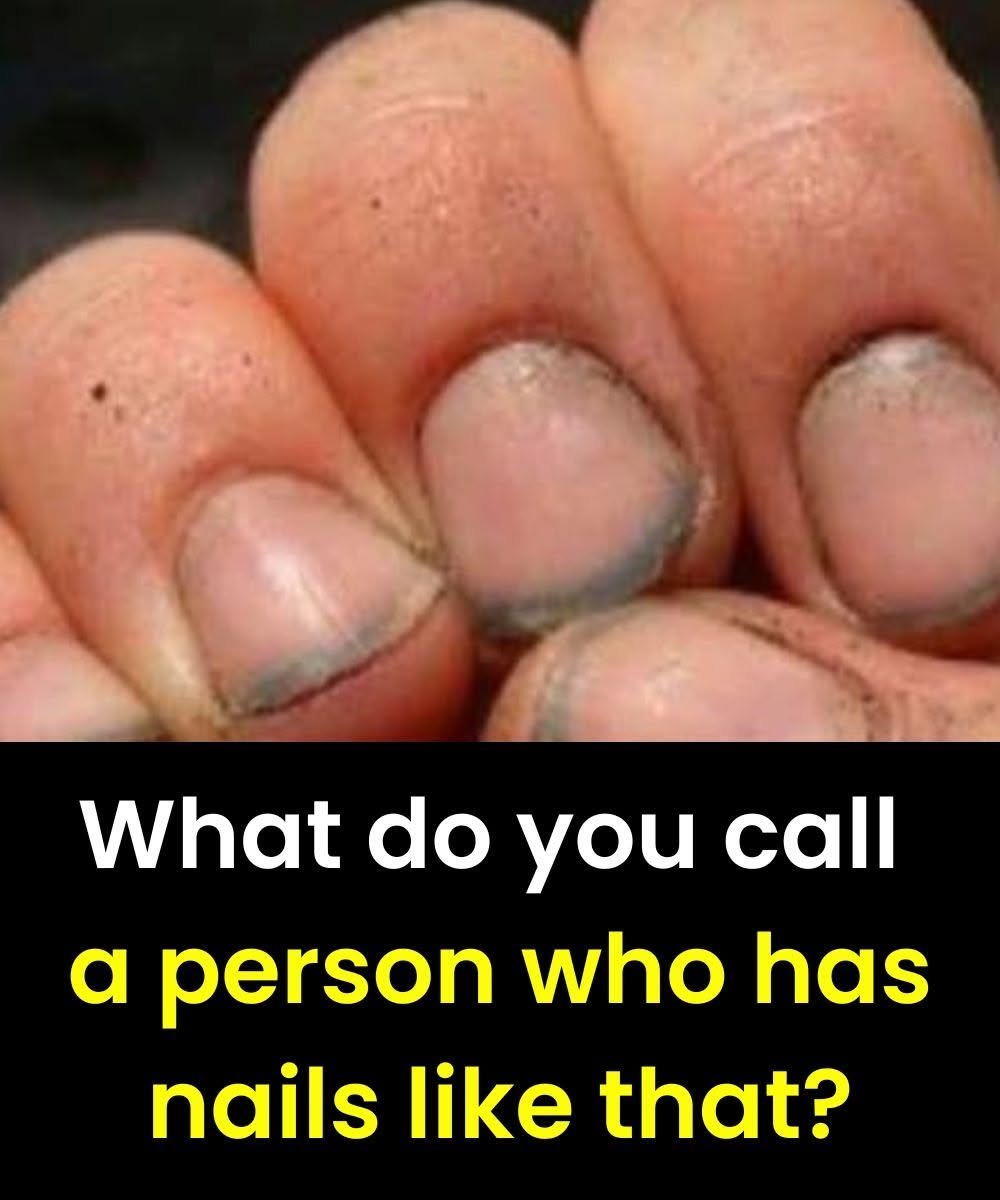
When someone has nails that appear thickened, discolored, brittle, or partially detached from the nail bed, people often react with curiosity — and sometimes with misunderstanding. Many immediately assume poor hygiene, neglect, or even unusual personal style choices. However, in most cases, nails that look abnormal are not about fashion or cleanliness at all. They are often a sign of a medical condition, commonly known as onychomycosis, or more simply, a fungal nail infection. Let’s explore what such a person is commonly called, what it is often misunderstood as, and what is truly happening biologically when nails begin to deteriorate. What Do You Call a Person With Nails Like That? There is no special label for a person with damaged or infected nails. Medically speaking, the condition is called onychomycosis when caused by fungi. If the nail is lifting away from the nail bed, it may also involve onycholysis. When nails become thick and claw-like, it can sometimes be referred to as onychogryphosis. Importantly, these terms describe the condition — not the person. It is inaccurate and insensitive to label someone negatively based on nail appearance. Nail diseases are medical issues, not personality traits. What Is It Often Mistaken For? People frequently misunderstand fungal nail infections as: Poor personal hygiene Dirty habits Smoking damage Nutritional deficiency only A cosmetic issue Simply “old age nails” In reality, while hygiene can influence risk, fungal infections can affect anyone — including very clean, health-conscious individuals. Another common misunderstanding is confusing fungal infection with psoriasis-related nail changes. Nail psoriasis can cause pitting, discoloration, and thickening that resemble fungal damage. Without medical testing, it is difficult to distinguish between them visually. Because fungal nails often appear yellow, brown, crumbly, or thickened, observers may jump to conclusions. But the visible damage is a symptom of infection, not neglect. What Is Actually Happening? (The Science Behind It) Fungal nail infections occur when microscopic fungi enter the nail through small cracks or separation between the nail and nail bed. The most common fungi involved are dermatophytes, but yeasts and molds can also cause infection. Once inside, the fungi feed on keratin, the protein that makes up nails. As they multiply, they disrupt the nail’s normal growth pattern. This leads to: Yellow, white, or brown discoloration Thickening of the nail Brittleness or crumbling edges Distortion in shape Foul odor in some cases Separation from the nail bed Because nails grow slowly, infections can persist for months or even years without treatment. Why Does It Happen? Several factors increase the risk of fungal nail infection: 1. Warm, Moist Environments Fungi thrive in warmth and moisture. Wearing tight shoes, sweating frequently, or spending time in public pools and locker rooms increases exposure. 2. Aging As people age, nail growth slows and circulation decreases. Nails may also become more brittle, making them easier for fungi to penetrate. 3. Weakened Immune System Conditions like diabetes or immune disorders reduce the body’s ability to fight infection. 4. Minor Nail Injuries Small cuts, cracks, or trauma create entry points for fungi. 5. Athlete’s Foot Fungal skin infections can spread to the nails if untreated. It is important to understand that fungal infection is opportunistic — it takes advantage of conditions that allow growth. It is not a sign of moral failing or laziness. Why It Is Often Misjudged Nails are highly visible. When they look abnormal, people notice. Because nail health is commonly associated with grooming and hygiene, visible damage may lead others to assume neglect. Social media and beauty culture reinforce the idea that nails should look polished and perfect. Any deviation can be judged harshly. But medically speaking, nail infections are common. Studies estimate that up to 10% of the global population experiences fungal nail infections at some point, and the rate increases significantly with age. Misjudgment often comes from lack of awareness, not from malice. Can It Be Treated? Yes, but treatment requires patience. Options include: Topical antifungal medications (applied for months) Oral antifungal drugs (prescribed for severe cases) Laser treatments in some clinics Removal of the infected nail in extreme situations Because nails grow slowly, full recovery can take 6–12 months for fingernails and even longer for toenails. Early treatment improves outcomes. Ignoring the condition may allow it to spread or worsen. When It’s Not Fungal Not all abnormal nails are fungal. Other causes include: Psoriasis Eczema Trauma Thyroid disorders Iron deficiency Bacterial infections A proper medical diagnosis often requires laboratory testing. Emotional Impact People with visible nail infections may feel embarrassed or self-conscious. They may avoid social situations or hide their hands and feet. This emotional burden is amplified when others assume poor hygiene. Compassion and understanding are important. Medical conditions deserve medical solutions — not judgment. Final Thoughts A person with thickened, discolored, or damaged nails is not “dirty” or careless. Most likely, they are experiencing onychomycosis, a common fungal nail infection. It is often misunderstood as poor hygiene or cosmetic neglect, but in reality, it is a biological condition caused by fungal organisms feeding on keratin. Aging, moisture, minor injuries, and immune health all contribute to its development. Instead of labeling or judging, awareness is key. Nail infections are treatable, though they require time and proper care. In the end, nail appearance does not define a person. It simply reflects a health condition — one that deserves understanding, not stigma.    

7 Things Unloved Daughters Carry into Adult Relationships….Read More>

Many people can’t fathom the notion of parents not loving their children. However, for reasons unbeknownst, there are occasional disconnects. Unsurprisingly, growing up and feeling unloved often negatively impacts one’s future and well-being. Here are 7 everyday things that result from an adult daughter facing years of excessive damage done during childhood. 1. Feeling Unloved Leads to Feeling Doubt Credit: Shutterstock A woman who has grown up feeling unloved will often also have trouble feeling secure within herself or her relationships. In fact, in many cases, a woman who struggles with feelings of being unloved may not even know themselves well enough to understand themselves. They won’t know who they are as a person or their needs. As a result, needs can become silenced until they’ve gone overlooked and continued to cause more damage. She’ll question her own worth despite how amazing, successful, intelligent, or talented she may be.   Read More: Mom says airline allowed unaccompanied daughter to exit plane alone after flight 2. Doubt Leads to Trust Issues Credit: Shutterstock When people grow up feeling unloved by their parents, it causes them to question their own self-worth. As such, feeling uncertain about one’s own self can also cause one to question the intentions of another. This includes the person with whom they’re in a relationship. Moreover, a woman whose parents made her feel unloved, also put it in her head that no one else would ever truly love her either. 3. Trust Issues Lead to False Expectations Credit: Shutterstock In the same way that a woman who grew up feeling unloved will struggle to trust her partner, she’ll also struggle to feel like the relationship will be successful. She’ll always be waiting for it to unravel. As a result, she may stand out, or it may be difficult for her to open up. 4. Unloved Emotions Credit: Shutterstock Growing up feeling unloved can cause a variety of emotional struggles, including the inability to feel or express those emotions. More than likely, a woman in this position also grew up feeling like her thoughts, feelings, needs, or emotions didn’t matter. As such, it may be difficult to allow herself to be vulnerable and allow another person the opportunity to see her emotional side. In the same way, a woman who felt unloved growing up will struggle with vulnerability; she will also struggle with boundaries. Somewhere along the way, someone reinforced the idea that her boundaries didn’t matter or weren’t worth respecting. As a result, she may struggle in personal and professional relationships, never truly learning to speak up for herself. Alternatively, because she can’t relate to what it’s like to have boundaries, she may also cross someone else’s boundaries without even realizing it. 5. Normalizing Behaviors Credit: Shutterstock When women, or even men, grow up feeling unloved, in an abusive environment, or neglected, they often make the mistake of normalizing their trauma. While it’s impossible for everyone to come out of childhood totally unscathed, in healthy and happy homes, there’s an even balance of power that cultivates an environment in which children feel secure, loved, and validated. 6. Being Unloved Causes Questionable Love Credit: Shutterstock As previously noted, a woman who has struggled with feeling unloved since childhood may be incredibly reserved with her emotions or open up about them. Another side effect of the damage caused by feeling unloved is a woman’s ability to say, “I love you.” Whether or not the person says it first, it will be difficult for a woman to say back or even believe without previous behaviors and actions to back that. 7. Struggling to Let Go Credit: Shutterstock Growing up feeling unloved may make it more difficult for a woman to let go. To let go of the past, let go of the things that have hurt her. Or even to let go of the people who hurt her. Although it doesn’t make sense from a logical standpoint, growing up unloved can lead to psychological compulsions. These compulsions prevent someone from letting go. Another extreme and materialistic example is someone who hoards everything: trash, gifts from former partners, magazines dated back to seemingly happier times, and so on. What is Needed Instead Credit: Shutterstock Women who exhibit any of these signs or have admittedly grown up in a home where they felt unloved face numerous obstacles. However, there are some simple things one can do as a partner, friend, or colleague that will help them feel more supported and comfortable. Remind one another about the admirable or lovable qualities they possess and point out their accomplishments. Reinforce the ideas that they belong, are loved, talented, attractive, etc. Moreover, an occasional reminder of how far they’ve come from the toxicity of their childhood and how proud the hurt child inside them would be if they could have taken a look at themselves today. Lastly, although this article is geared toward women, men too can come from a damaging background and can also benefit from being treated with more love, compassion, understanding, or grace.

The Secret Language of Anklets: More Than Just a Pretty Accessory…see more>

Ankle bracelets, those delicate chains that dance around the ankle, have been captivating wearers for centuries. While today they’re often seen as a breezy summer accessory, their history runs deep, carrying meanings that span protection, status, and cultural identity. In ancient Egypt, anklets weren’t just decorative—they were believed to ward off evil spirits and even insects. The soft jingle of tiny bells or charms served as both a musical accompaniment to the wearer’s steps and a form of spiritual armor. Meanwhile, in India, silver anklets hold deep significance for married women, their gentle chime symbolizing marital harmony and tradition. Brides often receive them as part of their wedding jewelry, linking them to love and new beginnings. Arabian cultures have their own layered interpretations. Historically, anklets were associated with dancers and performers, sometimes carrying sensual or artistic connotations. Yet in other contexts, they were markers of social standing—elaborate gold anklets in ancient Rome and Sumer were reserved for the wealthy, turning a simple accessory into a status symbol. Today, anklets are all about personal style. Whether you choose a minimalist gold chain, a bohemian beaded design, or a playful charm bracelet, there’s no strict rule on which ankle to wear it on. It’s a fashion statement that nods to history while letting individuality shine.

Could Persistent Itching Be a Sign of a Liver Problem? Here’s What You Should Know

Don’t Ignore Ongoing Itching – It May Sometimes Be Related to Liver Health Most people experience itchy skin from time to time. Dry weather, allergies, insect bites, or skin irritation are among the most common causes. Usually, the itching improves with moisturizers, avoiding irritants, or simple home care. However, persistent itching without an obvious rash or skin condition can sometimes be associated with an underlying medical problem, including certain liver diseases. Although itching alone does not mean someone has liver disease or liver cancer, it can occasionally be one of several symptoms that deserve medical evaluation. Understanding when itching may be more than just a skin problem can help you know when it’s time to seek professional advice. Why Can Liver Disease Cause Itching? The liver performs hundreds of important functions, including: Filtering waste products from the blood Producing bile for digestion Processing nutrients Breaking down medications Helping regulate hormones When certain liver diseases interfere with the normal flow of bile—a condition known as cholestasis—substances that are normally excreted may accumulate in the body. Although researchers are still studying the exact mechanism, this buildup is believed to contribute to itching in some people. It’s important to note that not every liver disease causes itching, and most people with itchy skin do not have liver disease. What Does Liver-Related Itching Feel Like? Unlike itching caused by eczema or insect bites, liver-related itching often has distinctive features. People may describe it as: Persistent or recurring Worse at night Difficult to relieve by scratching Occurring without a noticeable rash Affecting both sides of the body Because there is often no visible skin disease, the itching can be frustrating and interfere with sleep. Areas Where Itching May Be More Noticeable Although itching can affect almost any part of the body, some people with liver disorders report it being more noticeable on: 1. The Palms of the Hands Persistent itching of the palms without an obvious skin condition has been reported in some liver diseases involving impaired bile flow. However, itchy palms are much more commonly caused by: Dry skin Contact dermatitis Allergic reactions Eczema 2. The Soles of the Feet Itching on the soles of the feet may also occur in certain liver disorders. Again, this symptom is not specific to liver disease and has many other possible causes, including fungal infections, eczema, or nerve-related conditions The key concern is persistent itching without a clear explanation, especially when accompanied by other symptoms. Other Symptoms That May Suggest a Liver Problem Persistent itching alone is rarely enough to identify liver disease. Other symptoms that may occur include: Yellowing of the skin or eyes (jaundice) Dark-colored urine Pale or clay-colored stools Persistent fatigue Loss of appetite Unexplained weight loss Nausea Abdominal swelling Pain or discomfort in the upper right abdomen Easy bruising or bleeding If itching occurs together with these symptoms, medical evaluation is important. Liver Conditions That May Cause Itching Several liver disorders have been associated with chronic itching. Examples include: Primary Biliary Cholangitis (PBC) An autoimmune disease that gradually damages the small bile ducts in the liver. Itching is one of its most common early symptoms. Primary Sclerosing Cholangitis (PSC) A condition that causes inflammation and scarring of the bile ducts. Some people experience persistent itching. Cholestasis Any condition that reduces or blocks bile flow may contribute to itching. This can occur because of: Gallstones Certain medications Pregnancy-related cholestasis Liver disease Cirrhosis Advanced scarring of the liver may lead to itching in some individuals, depending on the underlying cause. Liver Cancer Some people with liver cancer may develop itching, particularly if the tumor affects bile flow or causes jaundice. However, itching alone is not an early or common sign of liver cancer, and most people with itching do not have cancer. Common Causes of Itchy Skin That Are Not Related to the Liver Most cases of itching have non-liver causes. These include: Dry skin Eczema Psoriasis Allergic reactions Insect bites Fungal infections Kidney disease Thyroid disorders Diabetes Certain medications Because there are so many possible causes, a medical evaluation is often needed when itching persists. How Doctors Evaluate Persistent Itching If itching continues without an obvious explanation, your healthcare provider may recommend: A physical examination Blood tests Liver function tests Kidney function tests Thyroid testing Blood glucose testing Allergy evaluation when appropriate Imaging studies such as ultrasound if liver disease is suspected Testing depends on your symptoms and medical history. Healthy Habits That Support Liver Health Although not all liver diseases can be prevented, several lifestyle habits support overall liver health. Limit Alcohol Excessive alcohol consumption increases the risk of liver damage. Maintain a Healthy Weight A healthy weight lowers the risk of metabolic dysfunction-associated steatotic liver disease (MASLD), formerly known as non-alcoholic fatty liver disease. Eat a Balanced Diet Choose foods rich in: Fruits Vegetables Whole grains Lean proteins Healthy fats Limit highly processed foods and sugary beverages. Stay Physically Active Regular exercise supports both liver and overall health. Follow Medication Instructions Take medications only as directed, and avoid unnecessary supplements or herbal products that may affect the liver. Can You Relieve the Itching? Treatment depends on the underlying cause. For general skin care, you may find relief by: Using fragrance-free moisturizers Taking lukewarm rather than very hot showers Wearing loose, breathable clothing Avoiding harsh soaps Keeping fingernails short to reduce skin injury from scratching If itching is caused by liver disease, your healthcare provider may prescribe treatments aimed at addressing the underlying condition or relieving the symptom. Self-treating persistent itching without identifying the cause is not recommended. Common Myths About Liver-Related Itching Myth 1: Itchy Hands Always Mean Liver Disease False. Dry skin and eczema are much more common causes. Myth 2: Itching Means Liver Cancer False. Most people with itchy skin do not have liver cancer. Myth 3: Liver Disease Always Causes Itching False. Many people with liver disease never experience itching. When Should You See a Doctor? Arrange a medical evaluation if itching: Lasts for several weeks. Has no obvious skin cause. Keeps you awake at night. Does not improve with basic skin care. … Read more

A woman’s underwear smells bad when… see more

It’s important to remember that every woman has a unique scent, and having a mild vaginal odor is perfectly normal. That unique smell is the product of a diverse collection of bacteria, your body odor, and the delicate balance in your vaginal ecosystem — but what happens when that scent becomes overpoweringly strong? Let’s shed some light on what could be the causes of unusual vaginal odor. What Causes Vaginal Odor? The scent of your vagina isn’t random; it’s a well-calibrated result of your body’s pH balance and the vaginal microbiome. Several factors, including hormonal changes, sexual activity, and your menstrual cycle, influence this balance. Your vagina, like the rest of your body, has sweat glands. Located in the vulva and the groin area, these glands play a key role in your body’s temperature regulation. However, the sweat they produce can mix with bacteria in your genital area, contributing to body odor. Using a vaginal pH balancing cleanser can help reduce odor. It’s worth noting that body odor is a normal part of human physiology. When this odor becomes unusually strong or pungent, you can explore other potential causes. What Are the Common Causes? Recognizing when a change in vaginal odor is abnormal can sometimes be tricky, but it’s an important first step in managing your health. The most common causes of an unusual vaginal odor can range from bacterial vaginosis and yeast infections to trichomoniasis and sexually transmitted infections (STIs). Vaginal Infections Bacterial vaginosis (BV) is a condition resulting from an overgrowth of certain types of bacteria in the vagina. One noticeable sign of BV is a fishy odor, especially after sexual activity. Similarly, yeast infections can cause an odor, often accompanied by a thick, white discharge. Trichomoniasis Trichomoniasis, a lesser-known but common STI, can also cause a strong, foul odor and is often accompanied by a frothy, yellow-green vaginal discharge. On the other hand, more well-known STIs, like chlamydia or gonorrhea, can also result in changes to vaginal odor and discharge. Menopause With menopause, significant hormonal changes occur, which can lead to a decrease in estrogen levels. This decrease can alter the typical scent of the vagina, leading to a change in the odor that some may find unusual. Toxic Shock Syndrome (TSS) Another factor to consider is the use of tampons. Tampons that are left in too long can lead to toxic shock syndrome (TSS), a severe and potentially life-threatening condition. One symptom of TSS is a foul, unusual odor. Hormonal Imbalances Hormonal imbalances can also contribute to changes in vaginal odor. Fluctuations in hormone levels, such as those that occur during pregnancy or certain medical conditions like polycystic ovary syndrome (PCOS), can disrupt the delicate pH balance of the vagina and lead to an altered scent. Additionally, hormonal changes can affect sweat production and the sweat glands’ activity, which can further impact body odor in the genital area. Urinary Tract Infections (UTIs) Lastly, urinary tract infections — while technically affecting a different part of your body — can sometimes cause a strong, unpleasant smell if urine or discharge is left on the skin or fabric. This smell can often be mistaken as originating from the vagina, while it’s actually due to an infection in the urinary tract. The Importance of Good Hygiene and a Healthy Lifestyle When maintaining a healthy vaginal odor, hygiene and lifestyle choices play a significant role. However, good hygiene doesn’t mean over-cleansing. Wash With Care While it may seem counterintuitive, washing the vulva too often or using harsh soaps can disrupt the natural pH level of your vagina, leading to an overgrowth of certain bacteria and potentially causing a strong odor. Instead, the Centers for Disease Control and Prevention (CDC) recommends washing the genital area with warm water and a mild soap or cleanser, promoting an optimal environment for the natural vaginal microbiome. It’s essential to ensure the vagina is dried properly after washing to avoid moisture buildup, which could provide an ideal breeding ground for bacteria. Pro Tip: Not sure where to find a vagina-friendly cleanser? Check out our pH Balancing Cleanser™ — it’s doctor-developed, fragrance-free, and gentle. Choose Breathable Undies The type of underwear you choose can also make a difference. Cotton underwear is often recommended as it’s breathable and helps to absorb excess moisture and reduce sweat in the genital area. This can reduce the risk of bacterial growth and keep your body odor in check. Maintain a Healthy Diet and Lifestyle Your diet and lifestyle choices can impact your vagina’s natural scent, too. Eating a balanced diet rich in fruits, vegetables, and whole grains can help promote overall health, including vaginal health. Staying hydrated by drinking an adequate amount of water can help flush out toxins and maintain proper bodily functions. Regular exercise is also beneficial for maintaining hormonal balance and promoting healthy circulation, which can indirectly contribute to a healthier vaginal scent. However, it’s important to maintain proper hygiene during and after physical activity to prevent the buildup of sweat and bacteria. Pro Tip: Level up your diet with a probiotic supplement like Good Girl Probiotics® — a doctor-developed probiotic that supports a balanced vaginal pH, bacteria, and urinary tract health.* Avoid Scented Products Products such as vaginal deodorants and sprays may seem like a quick fix for vaginal odor, but they can be more harmful than helpful. These products can disrupt the natural pH of the vagina, causing an imbalance in the bacterial ecosystem. Douching is discouraged by healthcare providers, as it can lead to the same issues. Diagnosis and Treatment If you’re experiencing a persistent or foul-smelling vaginal odor, don’t hesitate to seek advice from a healthcare provider or an ob-gyn. They can help identify any underlying conditions, from a simple yeast infection to more severe issues, that could be causing the odor. For instance, bacterial vaginosis is usually treated with prescribed antibiotics such as metronidazole, while yeast infections may be treated with over-the-counter antifungal medications. Trichomoniasis, a sexually transmitted infection, is also typically … Read more

Did you know : When a lizard visits your house, it’s a sign…. Read more

Did you know: When a lizard visits your house, it’s a sign Posted onMarch 29, 2025 ByadminNo Commentson Did you know: When a lizard visits your house, it’s a sign Lizards, those small reptiles often seen darting across walls or gardens, may carry a deeper meaning when they enter your home. While some see their presence as mere coincidence, many cultures believe lizards symbolize protection, adaptability, and transformation. A Symbol of Natural Protection In various traditions, lizards are associated with good luck and protection from negative energies. Their agility and survival skills suggest an ability to avoid danger, while their insect-hunting nature helps maintain a pest-free home. A Message from the Universe? Some believe lizards appear during times of transition, reminding you to be flexible and adaptable. Their presence may signal that change is coming and encourage you to let go of what no longer serves you. The Wisdom of Detachment Lizards can shed their tails to escape threats—symbolizing the need to release negativity and move forward.   Instead of fearing lizards, consider them helpful visitors bringing balance and protection to your home.

HT14. How The Girl Who Was Called Ugly Became The Sexiest Woman Alive

In the world of film and television, on-screen romances are often polished, carefully scripted, and designed to feel effortless. But behind those scenes, actors sometimes have very different experiences. During a candid interview, legendary actress Sally Field shared a surprising personal memory. Known for her warmth and authenticity, she reflected on her long career and revealed which on-screen kiss she found the most uncomfortable. The answer caught many fans off guard, not because of controversy, but because of the history and familiarity involved. A Career Defined by Versatility Sally Field has long been regarded as one of the most talented performers of her generation. Her ability to move between emotional depth and lighthearted roles has made her a standout figure in Hollywood. Audiences remember her from a wide range of productions, including Steel Magnolias, where she delivered a deeply emotional performance, as well as beloved titles like Forrest Gump and Mrs. Doubtfire. Earlier in her career, she charmed viewers in television series such as Gidget and The Flying Nun, proving her versatility from the very beginning. Her decades-long presence in the entertainment industry reflects both her talent and her ability to connect with audiences across generations. The Story Behind the “Worst Kiss” During an appearance on Watch What Happens Live with Andy Cohen, Sally Field was asked a playful but revealing question: what was her worst on-screen kiss? After a moment of hesitation and laughter, she decided to answer honestly. The name she revealed was Burt Reynolds, her co-star in the iconic film Smokey and the Bandit. What made the revelation surprising was their real-life relationship at the time. The two actors were not just co-stars, they were also romantically involved for several years. When Reality and Performance Collide The story highlights an interesting aspect of acting. Even when two people share a personal connection, their on-screen chemistry does not always translate seamlessly into every moment. Sally Field described the experience with humor, noting that certain details made the scene less than ideal from her perspective. Her tone remained lighthearted, focusing more on the awkwardness than anything negative. This kind of honesty offers a glimpse into the realities of filmmaking. Scenes that appear natural to viewers often require multiple takes, careful direction, and a great deal of professionalism. A Relationship Remembered Burt Reynolds and Sally Field met during the production of Smokey and the Bandit in the late 1970s. Their connection extended beyond the screen, leading to a relationship that lasted several years. Like many relationships in the public eye, theirs evolved over time. In later interviews, Field spoke openly about why they eventually went their separate ways, emphasizing personal growth and compatibility. Reynolds, in his own reflections, expressed appreciation for their time together. These differing perspectives show how relationships can be complex, especially when lived under public attention. The Human Side of Hollywood What makes this story resonate is not the revelation itself, but the humanity behind it. Fans often see actors through the lens of their roles, imagining seamless perfection in every scene. However, moments like this remind us that actors are individuals navigating real experiences. Their stories include humor, awkwardness, and reflection, just like anyone else’s. Sally Field has built a reputation not only for her talent but also for her honesty. Her willingness to share personal anecdotes adds depth to her public image and strengthens her connection with audiences. Cultural Fascination With Behind-the-Scenes Stories There is a long-standing curiosity about what happens behind the camera. Audiences are drawn to stories that reveal the reality behind polished performances. This fascination reflects a broader human interest in authenticity. Learning that even iconic actors experience awkward moments makes their work feel more relatable. In a way, these stories bridge the gap between celebrity and everyday life, reminding us that even the most celebrated careers are filled with ordinary, human moments. A Lasting Legacy Beyond this lighthearted revelation, Sally Field continues to be recognized for her contributions to film and television. Her performances have left a lasting impact on audiences and the industry alike. From emotional dramas to comedic roles, she has consistently demonstrated a commitment to storytelling. Her ability to adapt and remain relevant over decades speaks to both her skill and her dedication. A Reflection on Human Curiosity Stories like this capture attention not because they are dramatic, but because they are real. A simple question about an on-screen kiss becomes a window into a lifetime of experience. It reminds us that behind every performance is a person with memories, opinions, and a sense of humor. These glimpses into personal experiences allow audiences to connect more deeply with the people they admire. In the end, curiosity drives us to look beyond the surface. Whether it is a film, a performance, or a candid interview, we are always searching for the human story beneath it all.

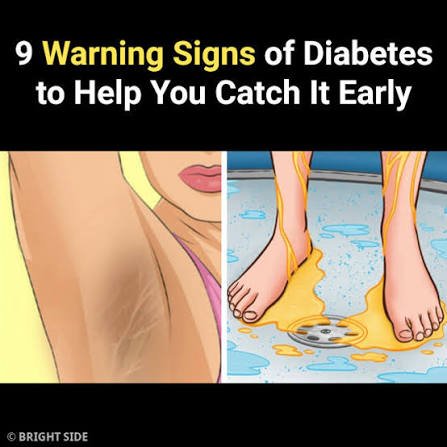
9 Warning Signs of Diabetes You Might Be Overlooking…see more>

Diabetes is a chronic health condition that often develops silently, with many people experiencing mild or unnoticed symptoms in the early stages. Left untreated, it can lead to serious complications like nerve damage, kidney disease, and vision problems. Unfortunately, many early warning signs of diabetes are mistaken for minor health issues or simply ignored. Recognizing these subtle clues early on can help you take control of your health before the condition worsens. If you experience any of the following nine symptoms, it may be time to consult a doctor for a diabetes screening. 1. Dark Patches of Skin (Acanthosis Nigricans) A dark, velvety-textured patch of skin appearing on the neck, armpits, groin, or elbows could be an early warning sign of diabetes or prediabetes. This condition, known as acanthosis nigricans, is often linked to insulin resistance—a key indicator that the body is struggling to regulate blood sugar levels. These patches may appear thicker and darker than surrounding skin and can sometimes feel slightly raised. While this condition is not dangerous in itself, it often signals underlying metabolic issues that should be addressed. 2. Unintentional Weight Loss Losing weight without trying can be a red flag for diabetes, particularly type 1 diabetes. When the body fails to use glucose for energy due to insulin resistance or deficiency, it starts breaking down fat and muscle to compensate. This process leads to rapid, unexplained weight loss despite a normal or increased appetite. If you’ve noticed significant weight loss without changes to your diet or exercise routine, it’s essential to see a doctor for an evaluation. 3. Blurred Vision and Eye Problems Fluctuating blood sugar levels can affect eye health, leading to temporary blurred vision. When blood sugar levels rise, fluid can build up in the eye’s lens, affecting its ability to focus properly. Over time, prolonged high blood sugar can damage the tiny blood vessels in the retina, increasing the risk of diabetic retinopathy—a leading cause of blindness. If you experience frequent vision changes, don’t ignore them; get your blood sugar levels checked immediately. 4. Outbreak of Small Bumps (Eruptive Xanthomatosis) Diabetes can cause higher triglyceride levels, leading to a skin condition called eruptive xanthomatosis. This appears as small, yellowish bumps on the buttocks, thighs, elbows, or knees. These bumps are often: Tender and itchy Reddish or yellow in color More common in individuals with high cholesterol and uncontrolled diabetes If you suddenly develop small, itchy bumps, especially in conjunction with other diabetes symptoms, it may be time to get your blood sugar levels tested. 5. Persistent Fatigue and Low Energy Feeling tired all the time, even after a full night’s sleep, can be an early warning sign of diabetes. The body struggles to convert glucose into energy, leading to: Chronic exhaustion Difficulty concentrating Mental fog This fatigue is not just a normal lack of sleep—it’s a result of unstable blood sugar levels that prevent the body from properly fueling itself. One of the most common early symptoms of diabetes is excessive thirst and frequent urination. When blood sugar levels are too high, the kidneys work harder to filter out excess glucose, leading to more urine production. This results in: Constant thirst (even after drinking fluids) More frequent trips to the bathroom (especially at night) Dehydration and dry mouth If you find yourself drinking more water than usual but still feeling dehydrated, it’s a sign that your body is struggling to regulate blood sugar levels. 7. Skin Tags (Acrochordons) Skin tags are small, soft growths that typically appear on the neck, armpits, and groin area. While they are harmless, having multiple skin tags may indicate high insulin levels in the body—often a precursor to type 2 diabetes. If you suddenly develop an unusual number of skin tags, it might be worth discussing with your doctor to see if further testing is needed. 8. Slow Healing Cuts and Wounds 9 Warning Signs of Diabetes You Might Be Overlooking Diabetes is a chronic health condition that often develops silently, with many people experiencing mild or unnoticed symptoms in the early stages. Left untreated, it can lead to serious complications like nerve damage, kidney disease, and vision problems. Unfortunately, many early warning signs of diabetes are mistaken for minor health issues or simply ignored. Recognizing these subtle clues early on can help you take control of your health before the condition worsens. If you experience any of the following nine symptoms, it may be time to consult a doctor for a diabetes screening. 1. Dark Patches of Skin (Acanthosis Nigricans) A dark, velvety-textured patch of skin appearing on the neck, armpits, groin, or elbows could be an early warning sign of diabetes or prediabetes. This condition, known as acanthosis nigricans, is often linked to insulin resistance—a key indicator that the body is struggling to regulate blood sugar levels. These patches may appear thicker and darker than surrounding skin and can sometimes feel slightly raised. While this condition is not dangerous in itself, it often signals underlying metabolic issues that should be addressed. 2. Unintentional Weight Loss Losing weight without trying can be a red flag for diabetes, particularly type 1 diabetes. When the body fails to use glucose for energy due to insulin resistance or deficiency, it starts breaking down fat and muscle to compensate. This process leads to rapid, unexplained weight loss despite a normal or increased appetite. If you’ve noticed significant weight loss without changes to your diet or exercise routine, it’s essential to see a doctor for an evaluation. 3. Blurred Vision and Eye Problems Fluctuating blood sugar levels can affect eye health, leading to temporary blurred vision. When blood sugar levels rise, fluid can build up in the eye’s lens, affecting its ability to focus properly. Over time, prolonged high blood sugar can damage the tiny blood vessels in the retina, increasing the risk of diabetic retinopathy—a leading cause of blindness. If you experience frequent vision changes, don’t ignore them; get your blood sugar levels checked immediately. 4. Outbreak of Small Bumps (Eruptive Xanthomatosis) Diabetes can cause higher triglyceride levels, leading to a skin condition called eruptive xanthomatosis. This appears as small, yellowish bumps on the buttocks, thighs, elbows, or knees. These bumps are often: Tender and itchy Reddish or yellow in color More common in individuals with high cholesterol and uncontrolled diabetes If you suddenly develop small, itchy bumps, especially in conjunction with other diabetes symptoms, it may be time to get your blood sugar levels tested. 5. Persistent Fatigue and Low Energy Feeling tired all the time, even after a full night’s sleep, can be an early warning sign of diabetes. The body struggles to convert glucose into energy, leading to: Chronic exhaustion Difficulty concentrating Mental fog This fatigue is not just a normal lack of sleep—it’s a result … Read more

The Real Reason Why a Man Turns His Back on You When Sleeping: Understanding the Hidden Language of Body Position

In a relationship, small gestures often speak louder than words. One such gesture that many women notice and question is when a man turns his back on them while sleeping. At first glance, this might seem like a cold or distant action, triggering thoughts like: “Is he upset with me?” or “Is he losing interest?” However, the truth is often more complex and far less dramatic. Sleep behavior is deeply influenced by comfort, psychological states, and personal habits. Turning away in bed isn’t always a sign of rejection. In fact, it could mean many different things—some positive, others neutral, and a few that may indeed reflect emotional distance. Let’s explore the real reasons why a man might turn his back on you while sleeping, how to interpret them, and what you can do to strengthen your emotional connection. 1. Personal Comfort and Sleeping Style The most common and benign reason a man turns his back during sleep is pure comfort. Everyone has a preferred sleeping position, and for many people—men included—sleeping on their side facing away is the most comfortable and natural. This doesn’t mean he doesn’t want to be close to you. It could simply be the position in which he falls asleep fastest or sleeps more deeply. Signs it’s just comfort: He starts the night cuddling or close, but turns away as he dozes off. His body language during the day is affectionate and loving. He still reaches out for you in the morning.   What it means: It’s likely not personal. He’s just trying to get good rest. 2. Subconscious Desire for Space Sometimes turning away can signal a need for personal space—not necessarily emotional distance, but a need for physical autonomy during rest. Sleeping is one of the few times when a person is fully vulnerable, and some men instinctively retreat into their own space for a sense of security or comfort. This may occur if: You’ve had a long day or a disagreement. He’s feeling overwhelmed with work or life stress. He’s used to sleeping alone and still adjusting to co-sleeping.   What it means: He might just need a little physical or mental space, and it doesn’t mean he’s pulling away emotionally. 3. He’s Processing Emotions or Stress Men often deal with stress differently than women. While women may prefer to talk about what’s bothering them, men are more likely to withdraw temporarily to process emotions internally.   Turning his back while sleeping could be a sign that: He’s deep in thought about something unrelated to your relationship. He’s trying to work through stress or anxiety in silence. He’s not ready to talk yet but doesn’t want to fight. What it means: Give him time and space. Ask gently the next day how he’s feeling, and offer support without pressure. 4. Emotional Distance or Unspoken Issues In some cases, turning his back could indicate a deeper emotional disconnect. If it’s paired with other red flags—like lack of communication, decreased affection, or a cold demeanor during the day—it might signal that he’s withdrawing emotionally.   Look out for these signs: He avoids eye contact or conversation. He’s less affectionate overall. He seems distant or uninterested in the relationship. What it means: It could be time for an honest conversation. Don’t jump to conclusions, but do pay attention if this behavior is part of a larger pattern.   5. It’s a Form of Non-Verbal Communication Believe it or not, body language in bed is one way couples communicate without words. If he turns his back but still touches your foot or keeps his back close to yours, it can actually be a sign of intimacy and trust. Types of non-verbal signs to look for: He moves closer, even if his back is turned. He reaches for your hand or foot during the night. His breathing relaxes when you touch him. What it means: He’s comfortable enough to relax completely around you. That’s a positive sign.   6. Physical Conditions or Sleep Habits Men (and women) often sleep in certain positions due to physical reasons: Back pain or neck stiffness Snoring (some sleep facing away to reduce noise) Sleep disorders like sleep apnea Temperature control—he might be too hot and needs space What it means: It might be worth having a conversation about sleep comfort or even visiting a sleep specialist if these issues persist.   7. Habit Formed from Past Experiences If he’s used to sleeping alone, or in a previous relationship where closeness wasn’t encouraged, he may have developed habits of turning away during sleep. What it means: This may not reflect his feelings about you—it might just take time for him to adapt to the idea of sharing a bed emotionally and physically.   8. Intimacy Cycle in Long-Term Relationships In long-term relationships, the sleeping dynamic can shift naturally over time. The early stages of intense physical closeness often mellow into a more relaxed routine where both partners value good sleep over constant cuddling. What it means: It’s a natural part of relationship evolution. You can still maintain emotional closeness in other ways—through communication, shared activities, and intentional affection.   How to Address It Without Creating Conflict If his sleep position is bothering you or causing emotional distress, here are gentle ways to bring it up: Start with curiosity, not accusation: “I noticed you turn your back when you sleep. Is that just your comfort zone, or are you okay?” Use humor or light conversation: “I think your back is spending more time with me than your face lately!” Create nighttime rituals: A kiss, a hug, or a cuddle before sleep can create emotional closeness even if you don’t sleep facing each other. Focus on daytime connection: If he’s affectionate during the day, that speaks volumes. Don’t judge your entire relationship based on sleep positions.   Conclusion So, what does it really mean when a man turns his back on you while sleeping? It could mean nothing more than comfort, a need for space, or a reflection of stress he’s processing internally. But in rare cases, it may … Read more

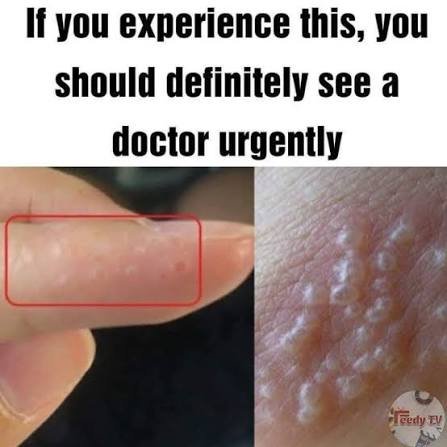
If You Notice Painful Red Bumps, You Might Have Dyshidrotic Eczema

Dyshidrotic eczema, also known as “foot-and-hand eczema,” is a particularly frustrating form of the skin condition that can flare up during the warmer months. This type of eczema manifests as small, intensely itchy blisters on the palms, soles, and sides of the fingers and toes. These blisters can be incredibly painful and take weeks to heal, making it difficult to enjoy all the summer has to offer. While the exact causes of dyshidrotic eczema are not fully understood, it is believed to be related to an overactive immune system’s response to certain triggers. Factors that may contribute to flare-ups include: Seasonal allergens, such as pollen Stress and anxiety Contact with irritants, like soaps or chemicals Sweating and humidity Understanding these potential triggers can help you take proactive steps to manage your symptoms. Eczema cannot be cured, but it can be effectively managed with the right treatment approach. For those dealing with dyshidrotic eczema, the following options may provide relief: Prescription Medications Topical corticosteroids to reduce inflammation and itching Oral antihistamines to alleviate symptoms Immunosuppressant creams, such as Protopic or Elidel, to calm the immune system Natural Remedies Cold compresses to soothe irritated skin Aloe vera gel to promote healing Colloidal oatmeal baths to alleviate dryness and itching Lifestyle Changes Avoiding known triggers, like harsh soaps or excessive sweating Keeping the skin moisturized to prevent further irritation Practicing stress-reducing techniques, such as meditation or yoga By working closely with your dermatologist, you can develop a comprehensive treatment plan to keep your dyshidrotic eczema under control, even during the summer months. In addition to managing your dyshidrotic eczema, it’s also important to take steps to protect your skin from the harsh summer elements, such as: Sun Exposure Use a broad-spectrum sunscreen with an SPF of 30 or higher Seek shade whenever possible and wear protective clothing Swimming and Water Activities Rinse off with fresh water after swimming in chlorinated or saltwater Apply a fragrance-free, hypoallergenic moisturizer after bathing Sweating and Humidity Wear breathable, moisture-wicking fabrics to help manage perspiration Keep the affected areas clean and dry to prevent further irritation By combining effective eczema management with diligent skin protection, you can enjoy all the summer fun without the constant worry of flare-ups. With the right knowledge and tools, you can take control of your dyshidrotic eczema and reclaim your carefree summer. Remember, you are not alone in this journey – millions of people worldwide are navigating the same challenges. By staying informed, being proactive, and seeking support when needed, you can minimize the impact of this condition and focus on making the most of the warm weather. So, here’s to a summer filled with sun, laughter, and freedom from the blisters and discomfort of dyshidrotic eczema. Embrace the season with confidence, and don’t let this condition hold you back from all the joy and adventure that awaits.