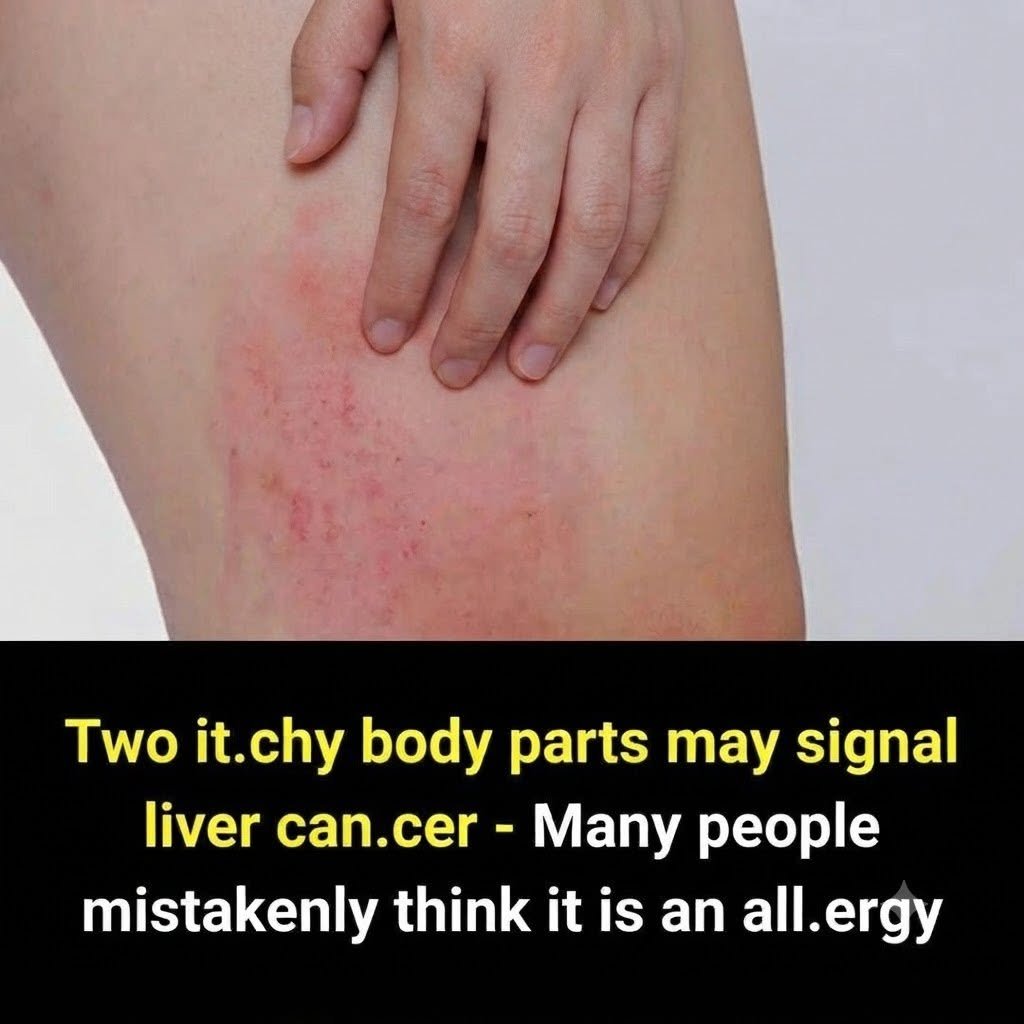
Most people experience itchy skin from time to time. Dry weather, allergies, insect bites, or skin irritation are among the most common causes. Usually, the itching improves with moisturizers, avoiding irritants, or simple home care.
However, persistent itching without an obvious rash or skin condition can sometimes be associated with an underlying medical problem, including certain liver diseases. Although itching alone does not mean someone has liver disease or liver cancer, it can occasionally be one of several symptoms that deserve medical evaluation.
Understanding when itching may be more than just a skin problem can help you know when it’s time to seek professional advice.
Why Can Liver Disease Cause Itching?
The liver performs hundreds of important functions, including:
- Filtering waste products from the blood
- Producing bile for digestion
- Processing nutrients
- Breaking down medications
- Helping regulate hormones
When certain liver diseases interfere with the normal flow of bile—a condition known as cholestasis—substances that are normally excreted may accumulate in the body. Although researchers are still studying the exact mechanism, this buildup is believed to contribute to itching in some people.
It’s important to note that not every liver disease causes itching, and most people with itchy skin do not have liver disease.
What Does Liver-Related Itching Feel Like?
Unlike itching caused by eczema or insect bites, liver-related itching often has distinctive features.
People may describe it as:
- Persistent or recurring
- Worse at night
- Difficult to relieve by scratching
- Occurring without a noticeable rash
- Affecting both sides of the body
Because there is often no visible skin disease, the itching can be frustrating and interfere with sleep.
Areas Where Itching May Be More Noticeable
Although itching can affect almost any part of the body, some people with liver disorders report it being more noticeable on:
1. The Palms of the Hands
Persistent itching of the palms without an obvious skin condition has been reported in some liver diseases involving impaired bile flow.
However, itchy palms are much more commonly caused by:
- Dry skin
- Contact dermatitis
- Allergic reactions
- Eczema
2. The Soles of the Feet
Itching on the soles of the feet may also occur in certain liver disorders.
Again, this symptom is not specific to liver disease and has many other possible causes, including fungal infections, eczema, or nerve-related conditions
The key concern is persistent itching without a clear explanation, especially when accompanied by other symptoms.
Other Symptoms That May Suggest a Liver Problem
Persistent itching alone is rarely enough to identify liver disease.
Other symptoms that may occur include:
- Yellowing of the skin or eyes (jaundice)
- Dark-colored urine
- Pale or clay-colored stools
- Persistent fatigue
- Loss of appetite
- Unexplained weight loss
- Nausea
- Abdominal swelling
- Pain or discomfort in the upper right abdomen
- Easy bruising or bleeding
If itching occurs together with these symptoms, medical evaluation is important.
Liver Conditions That May Cause Itching
Several liver disorders have been associated with chronic itching.
Examples include:
Primary Biliary Cholangitis (PBC)
An autoimmune disease that gradually damages the small bile ducts in the liver.
Itching is one of its most common early symptoms.
Primary Sclerosing Cholangitis (PSC)
A condition that causes inflammation and scarring of the bile ducts.
Some people experience persistent itching.
Cholestasis
Any condition that reduces or blocks bile flow may contribute to itching.
This can occur because of:
- Gallstones
- Certain medications
- Pregnancy-related cholestasis
- Liver disease
Cirrhosis
Advanced scarring of the liver may lead to itching in some individuals, depending on the underlying cause.
Liver Cancer
Some people with liver cancer may develop itching, particularly if the tumor affects bile flow or causes jaundice.
However, itching alone is not an early or common sign of liver cancer, and most people with itching do not have cancer.
Common Causes of Itchy Skin That Are Not Related to the Liver
Most cases of itching have non-liver causes.
These include:
- Dry skin
- Eczema
- Psoriasis
- Allergic reactions
- Insect bites
- Fungal infections
- Kidney disease
- Thyroid disorders
- Diabetes
- Certain medications
Because there are so many possible causes, a medical evaluation is often needed when itching persists.
How Doctors Evaluate Persistent Itching
If itching continues without an obvious explanation, your healthcare provider may recommend:
- A physical examination
- Blood tests
- Liver function tests
- Kidney function tests
- Thyroid testing
- Blood glucose testing
- Allergy evaluation when appropriate
- Imaging studies such as ultrasound if liver disease is suspected
Testing depends on your symptoms and medical history.
Healthy Habits That Support Liver Health
Although not all liver diseases can be prevented, several lifestyle habits support overall liver health.
Limit Alcohol
Excessive alcohol consumption increases the risk of liver damage.
Maintain a Healthy Weight
A healthy weight lowers the risk of metabolic dysfunction-associated steatotic liver disease (MASLD), formerly known as non-alcoholic fatty liver disease.
Eat a Balanced Diet
Choose foods rich in:
- Fruits
- Vegetables
- Whole grains
- Lean proteins
- Healthy fats
Limit highly processed foods and sugary beverages.
Stay Physically Active
Regular exercise supports both liver and overall health.
Follow Medication Instructions
Take medications only as directed, and avoid unnecessary supplements or herbal products that may affect the liver.
Can You Relieve the Itching?
Treatment depends on the underlying cause.
For general skin care, you may find relief by:
- Using fragrance-free moisturizers
- Taking lukewarm rather than very hot showers
- Wearing loose, breathable clothing
- Avoiding harsh soaps
- Keeping fingernails short to reduce skin injury from scratching
If itching is caused by liver disease, your healthcare provider may prescribe treatments aimed at addressing the underlying condition or relieving the symptom.
Self-treating persistent itching without identifying the cause is not recommended.
Common Myths About Liver-Related Itching
Myth 1: Itchy Hands Always Mean Liver Disease
False.
Dry skin and eczema are much more common causes.
Myth 2: Itching Means Liver Cancer
False.
Most people with itchy skin do not have liver cancer.
Myth 3: Liver Disease Always Causes Itching
False.
Many people with liver disease never experience itching.
When Should You See a Doctor?
Arrange a medical evaluation if itching:
- Lasts for several weeks.
- Has no obvious skin cause.
- Keeps you awake at night.
- Does not improve with basic skin care.
- Is accompanied by jaundice.
- Occurs with dark urine or pale stools.
- Is associated with unexplained weight loss, persistent fatigue, or abdominal swelling.
These symptoms do not necessarily indicate liver disease, but they should be assessed by a healthcare professional.
Seek urgent medical attention if jaundice develops suddenly or is accompanied by confusion, severe abdominal pain, persistent vomiting, or significant bleeding.
Final Thoughts
Persistent itching is often caused by common conditions such as dry skin, allergies, or eczema. However, in some cases—particularly when it occurs without a rash, is worse at night, or is accompanied by symptoms such as jaundice, dark urine, or unexplained fatigue – it may be associated with an underlying liver disorder.
It’s important to remember that itching alone cannot diagnose liver disease or liver cancer. Most people with chronic itching have other, more common causes. The key is to pay attention to symptoms that are persistent, unexplained, or occur alongside other warning signs.
Rather than relying on self-diagnosis, consult a qualified healthcare professional if persistent itching affects your quality of life or is accompanied by additional concerning symptoms. Early evaluation can help identify the cause and ensure appropriate treatment.
