Criminal court proceedings often represent the final chapter of a tragic series of events, providing an opportunity for victims’ families to be heard while allowing the justice system to determine an appropriate sentence. These hearings can be emotionally difficult for everyone involved, as judges consider the evidence presented during the trial alongside the legal standards that govern the case. While no verdict can undo a loss, the sentencing process aims to provide accountability and bring legal closure.
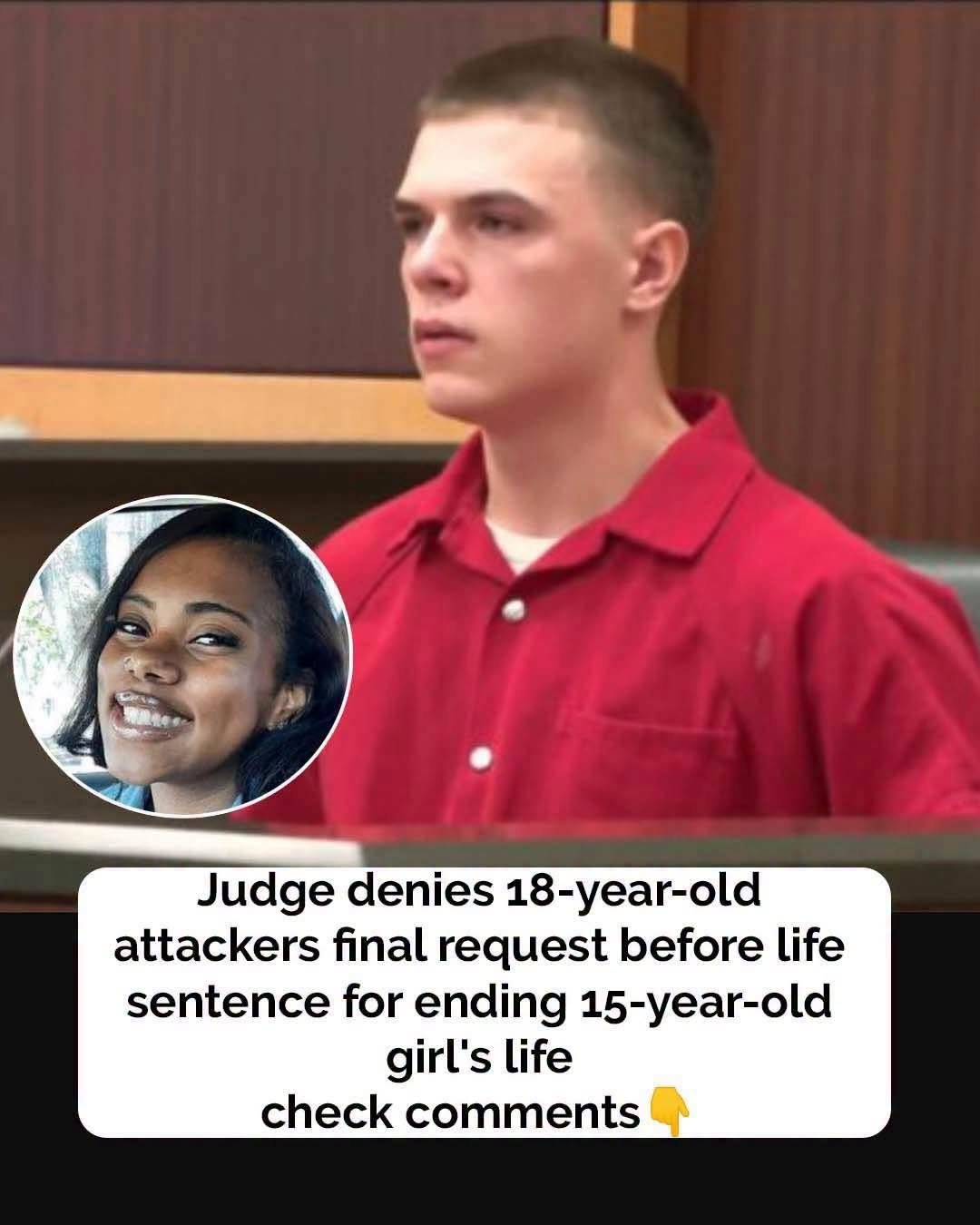
In this case, an 18-year-old defendant was sentenced to life in prison after being convicted in connection with the fatal shooting of 15-year-old Kayla Rincon-Miller during an attempted robbery. According to court proceedings, the incident occurred in March 2024 after the victim had left a movie theater with friends. In addition to the life sentence for the murder conviction, the court imposed an additional prison term related to the attempted armed robbery conviction, reflecting the seriousness of the offenses.
Before the sentence was announced, the defendant addressed the courtroom and expressed remorse for his actions, acknowledging the pain caused to the victim’s family. He also requested permission to embrace his relatives before being taken into custody. The presiding judge declined that request, allowing only a verbal farewell in accordance with the court’s decision and courtroom procedures. The hearing also included statements from Kayla’s loved ones, who spoke about the profound and lasting impact of their loss.
The case has generated widespread public discussion about accountability, judicial discretion, and the lasting consequences of violent crime. While opinions differ regarding expressions of remorse made during sentencing hearings, the proceedings underscore the importance of public safety, respect for the rule of law, and the enduring support needed by families affected by tragedy.
