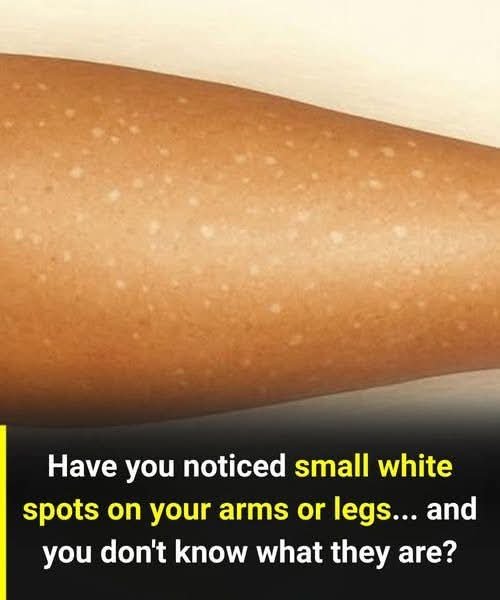
Small white spots on the arms or legs can be puzzling when you first notice them. These spots are often a skin condition called idiopathic guttate hypomelanosis (IGH) or could be related to other causes like pityriasis alba, vitiligo, or post‑inflammatory hypopigmentation.
What are the white spots?- Appearance: Tiny, round or oval, white or pale patches usually 1–5 mm in size.
– Common locations: Mostly seen on sun‑exposed areas such as arms, legs, and sometimes the face.
– Cause: The exact reason isn’t fully understood, but sun exposure, aging, and genetics are thought to play a role in IGH. Other conditions may involve inflammation or melanocyte loss.
Possible conditions associated with white spots1. Idiopathic guttate hypomelanosis (IGH) – benign, age‑related loss of pigment.
2. Pityriasis alba – mild eczema‑like patches that leave white spots after healing.
3. Vitiligo – autoimmune loss of melanocytes causing larger, distinct white patches.
4. Post‑inflammatory hypopigmentation – skin lightening after injury or rash.
When to seek medical advice- The spots are spreading rapidly or becoming larger.
– You experience itching, redness, or other symptoms.
– You’re unsure of the cause or need a proper diagnosis.
Management & treatment- Sun protection: Use sunscreen to prevent further skin damage and worsening of spots.
– Topical treatments: Creams with retinoids or mild steroids may help in some cases.
– Dermatologist visit: A professional can confirm the diagnosis with a skin exam or biopsy and suggest specific therapies like laser or chemical peels for cosmetic improvement.
Bottom lineWhite spots on arms or legs are usually harmless but can indicate various skin conditions. If you’re concerned about their appearance or progression, consulting a dermatologist is the best step for accurate diagnosis and appropriate care.
Do you want to know more about how to differentiate between the common causes of white skin spots, or are you looking for specific treatment options for your situation?
