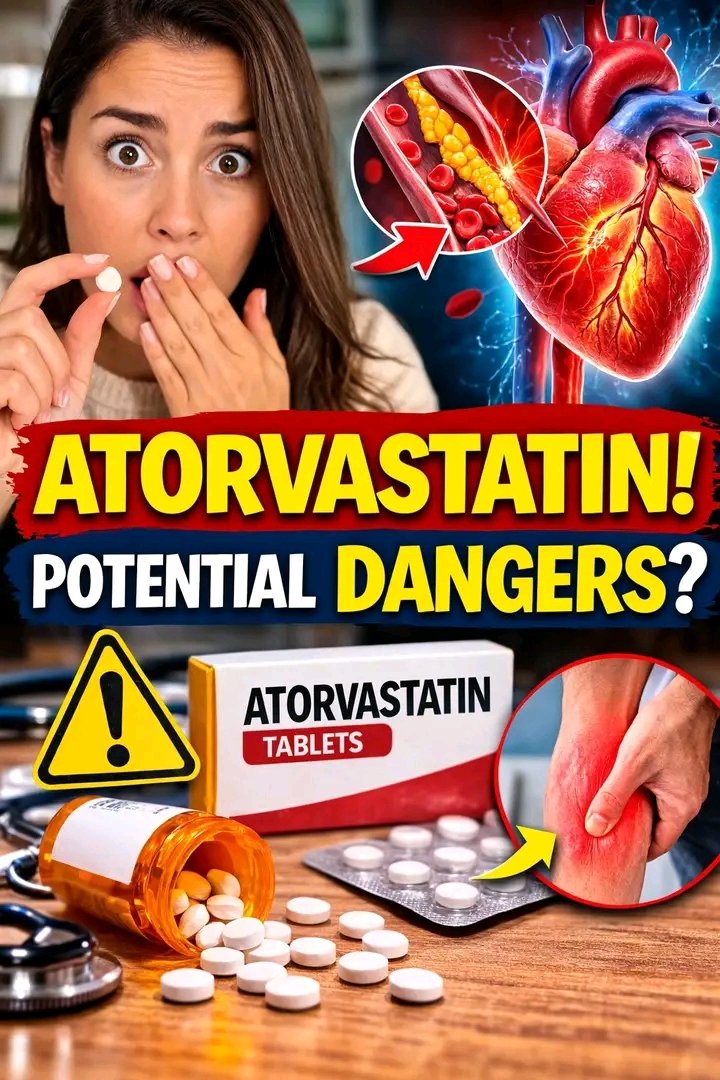
Atorvastatin is a widely prescribed statin medication used to lower cholesterol levels and reduce the risk of cardiovascular disease. While generally considered safe and effective, there are potential dangers and side effects associated with its use that patients should be aware of.
What is Atorvastatin?
Atorvastatin belongs to a class of drugs called statins, which work by inhibiting an enzyme in the liver responsible for producing cholesterol. By reducing cholesterol production, atorvastatin helps prevent the buildup of plaque in arteries, thereby lowering the risk of heart attacks and strokes.
Potential Dangers and Side Effects
1. Muscle Pain and Damage: One of the most common side effects of atorvastatin is muscle pain or myopathy. In severe cases, it can lead to rhabdomyolysis, a condition where muscle tissue breaks down, potentially causing kidney damage.
2. Liver Damage: Atorvastatin can cause elevated liver enzymes, indicating liver stress or damage. Regular liver function tests are often recommended for patients on statin therapy.
3. Increased Blood Sugar: Some studies suggest statins like atorvastatin may raise blood sugar levels, increasing the risk of developing type 2 diabetes.
4. Drug Interactions: Atorvastatin can interact with other medications, such as certain antibiotics or antifungals, increasing the risk of side effects.
Managing Risks
– Medical Supervision: Patients should take atorvastatin only under a doctor’s supervision. Regular check-ups can help monitor side effects and adjust dosages if needed.
– Lifestyle Changes: Combining medication with a heart-healthy diet, exercise, and smoking cessation can enhance benefits and reduce risks.
– Awareness of Symptoms: Recognizing symptoms like unexplained muscle pain, weakness, or dark urine can prompt timely medical intervention.
Conclusion
Atorvastatin is an effective medication for managing cholesterol and reducing cardiovascular risk, but it’s not without potential dangers. Awareness of side effects and close collaboration with healthcare providers are key to safe and effective use.
