Understanding the Diversity of Women’s Leg Shapes: Anatomy, Movement, Confidence, and Body Positivity
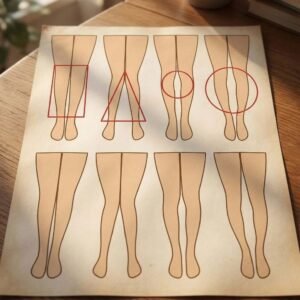
The human body is remarkably diverse. No two people are exactly alike, and that uniqueness extends to every aspect of our physical appearance, including the shape and structure of our legs. Throughout history, cultures around the world have attached different meanings, beauty standards, and assumptions to physical features. However, modern understanding of anatomy and health encourages a more balanced perspective—one that appreciates natural variation rather than judging bodies according to trends or stereotypes. Women’s leg shapes have long been a topic of discussion in fashion, fitness, and popular culture. From magazine covers to social media posts, countless opinions have been shared about what constitutes the “ideal” leg shape. Yet many of these standards are based on temporary trends rather than scientific understanding. The reality is that leg shape is influenced by a combination of genetics, skeletal structure, muscle development, posture, lifestyle, and movement patterns. Rather than viewing different leg shapes as indicators of beauty, worth, or personality, it is far more productive to understand them as natural expressions of human diversity. Every body is designed differently, and those differences contribute to the uniqueness of each individual. The Role of Genetics in Leg Shape One of the most important factors influencing leg shape is genetics. The structure of the pelvis, the alignment of the hips, the length of the femur, and the positioning of the knee joints are largely determined before birth. These inherited characteristics create the foundation upon which the body develops throughout life. Some women naturally have straighter leg alignment, while others may have a slight inward or outward angle. These variations are normal and typically do not indicate a health problem. Genetics also influence muscle distribution, body composition, and bone structure, all of which contribute to overall appearance. Understanding the role of genetics can help reduce unnecessary comparisons. Just as people inherit different eye colors, heights, and facial features, they also inherit different body structures. Attempting to force every body into the same aesthetic standard ignores the natural diversity that exists among humans. How Skeletal Structure Influences Appearance The skeletal system provides the framework that supports the body. The shape of the pelvis, hip sockets, knees, and ankles all influence how the legs appear. For example, the width of the pelvis varies significantly from person to person. This difference can affect the spacing between the thighs, the angle of the legs, and the overall silhouette of the lower body. Similarly, the natural alignment of the knees can create subtle variations in leg appearance without affecting functionality. Because skeletal structure cannot be significantly altered through exercise, it is important to recognize that many aspects of leg shape are simply part of an individual’s anatomy. Fitness and healthy living can improve strength, endurance, and muscle tone, but they do not fundamentally change bone structure. The Influence of Muscle Development While genetics establish the foundation, muscle development can influence the appearance of the legs over time. Physical activities such as walking, running, cycling, swimming, dancing, and strength training engage different muscle groups and may contribute to variations in muscle tone. Athletes often develop distinctive lower-body characteristics based on their chosen activities. For example: Runners may develop strong quadriceps and calves. Cyclists often build endurance-oriented leg muscles. Dancers may develop flexibility and balanced muscle definition. Strength trainers frequently focus on overall lower-body power. These differences reflect training habits rather than innate superiority. Every type of movement offers unique benefits, and no single body shape should be considered the universal standard. Understanding Common Leg Alignments Leg alignment varies widely among healthy individuals. Some common patterns include: Straight Alignment Many people have legs that appear relatively straight when standing. This alignment is often considered conventional in many cultures, but it is simply one variation among many. Mild Inward Angling Some individuals have knees that angle slightly inward. In many cases, this is a normal anatomical variation and does not affect mobility or health. Mild Outward Angling Others may exhibit a slight outward curvature. Again, this can be a natural structural characteristic and may not interfere with everyday activities. It is important to note that significant alignment issues that cause pain, discomfort, or mobility limitations should be evaluated by healthcare professionals. However, minor variations are extremely common and are often part of normal human anatomy. Why Body Diversity Matters Body diversity refers to the natural variation in human appearance. Recognizing this diversity helps challenge unrealistic beauty standards that often dominate media and advertising. For decades, many people were exposed to narrow definitions of attractiveness. These standards frequently changed over time, demonstrating how subjective beauty can be. Features that were once celebrated in one era were sometimes criticized in another. Understanding body diversity encourages a healthier perspective. Instead of pursuing a constantly changing ideal, individuals can focus on health, strength, comfort, and self-confidence. The Connection Between Movement and Physical Appearance How people move can influence how their bodies develop. Daily habits, occupations, recreational activities, and exercise routines all contribute to muscle use and posture. Someone who spends significant time walking may develop different muscular patterns than someone who primarily cycles. Similarly, a dancer may move differently from a swimmer or weightlifter. These differences are not indicators of personality or character. Rather, they reflect lifestyle choices and physical activities that shape the body over time. Movement also affects posture, balance, coordination, and overall physical well-being. Regular activity can help support joint health, maintain muscle strength, and improve mobility throughout life. Fashion and Different Leg Shapes Fashion trends often attempt to promote a particular body ideal, but clothing should ultimately serve the individual rather than the other way around. Different styles can complement different body proportions: Tailored pants may emphasize clean lines. Wide-leg trousers can create a flowing silhouette. Athletic wear often prioritizes comfort and mobility. Skirts and dresses offer a variety of styling options depending on personal preference. The best clothing choices are those that make the wearer feel comfortable, confident, and authentic. There is no universal rule that dictates which styles belong to which body … Read more

Young woman hospitalized after having…..see more>>>

At the hospital, doctors found that she had suffered internal tearing, likely made worse by pain, anxiety, lack of readiness, and the absence of proper care and comfort during the experience. She was treated over several days, and although the bleeding eventually stopped, the physical pain was only part of what stayed with her. The emotional shock, fear, and silence afterward were just as lasting. Looking back, she realized how little honest preparation she had received about sex, consent, comfort, and readiness. Talking later with friends showed her that many young women go through painful or distressing first experiences, yet these realities are rarely discussed openly beforehand. That lack of education can leave people believing pain and fear are simply normal, when they may actually be signs that something is wrong. Over time, she healed physically and emotionally, and her later experiences were very different because they involved feeling safe, comfortable, and in control. Her story became a call for better sex education—education that includes not just risks and protection, but also communication, emotional readiness, boundaries, and the understanding that no one should feel pressured, unprepared, or alone

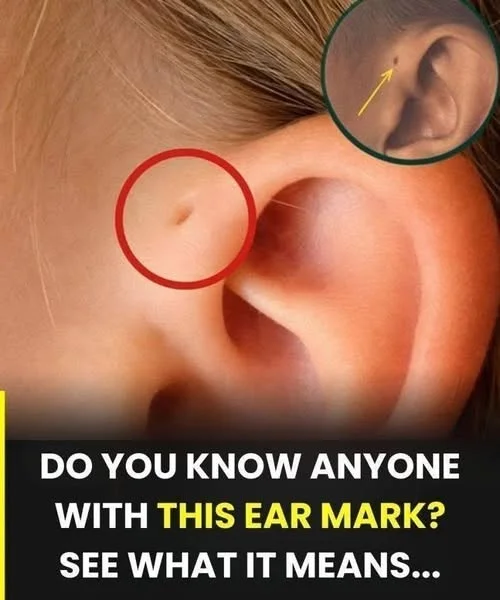
Discover the meaning of this particular mark on the ear…..Reading continue>

If you’ve ever noticed someone with a small mark or tiny hole near their ear and assumed it came from an injury, it’s actually something different. It’s a genetic trait—and here’s what it may mean. According to American researcher Neil Shubin, in his book Your Inner Fish, this unusual feature could be linked to human evolution. He suggests that, at some point in our distant past, humans shared traits with fish, and this mark may be a leftover sign of that connection. Only a small portion of the population has this feature. It appears near where the ear meets the head and typically forms during the early stages of fetal development. This condition is known as a preauricular sinus. It’s not dangerous, not a disease, and doesn’t affect a person’s health. Instead, it’s simply a harmless physical trait that may reflect our evolutionary history.

How Social Media Is Transforming Beauty Trends and Creative Self-Expression

Beauty trends have always evolved alongside culture, fashion, and personal expression. From classic styles of past decades to modern techniques inspired by digital creators, grooming and cosmetics continue to reflect changing preferences around the world. Among facial features, eyebrows have remained a significant element of beauty styling because they help frame the face and contribute to overall appearance. As trends shift over time, eyebrow designs often become a visible reflection of broader changes in fashion and creativity.     One of the most noticeable developments in recent years has been the influence of social media on beauty culture. Platforms that allow creators to share tutorials, demonstrations, and artistic concepts have made it possible for new ideas to reach global audiences almost instantly. Styles that once emerged gradually now gain attention within days, encouraging people to explore different looks and experiment with new techniques. This rapid exchange of ideas has transformed beauty from a traditional routine into an increasingly creative and interactive experience.     A useful way to understand modern beauty trends is to view them as forms of artistic expression rather than strict standards to follow. Some styles are designed for everyday wear, while others are created primarily to showcase imagination and creativity. Experimental eyebrow designs, bold makeup concepts, and unconventional visual techniques often serve as examples of how beauty can intersect with art. These trends encourage conversation, inspire innovation, and demonstrate the wide variety of ways people choose to express their individuality.     Ultimately, the continuing evolution of beauty trends highlights the growing importance of creativity and personal choice. Social media has expanded opportunities for people to discover new ideas, share inspiration, and celebrate different forms of self-expression. Whether someone prefers timeless, natural styling or enjoys exploring artistic trends, the modern beauty landscape offers space for a wide range of preferences. By embracing creativity while remaining true to personal style, individuals can enjoy beauty as a positive and expressive part of everyday life.

My daughter woke up with this huge spot on her foot I don’t know what it could be. She’s been in pain and can’t move her foot what is this.. Explain this

A blood blister forms when small blood vessels, known as capillaries, break beneath the skin’s surface while the outer layer remains intact. The blood becomes trapped underneath, creating a swollen pocket that is usually tender to the touch. These blisters most commonly develop on areas of the body exposed to pressure or friction, including the fingers, palms, toes, and soles of the feet. They can also appear inside the mouth, affecting the cheeks, gums, or tongue. In many cases, blood blisters are caused by sudden trauma. Slamming a finger in a door, wearing shoes that fit poorly, or repeatedly using tools and sports equipment can all lead to the condition. Inside the mouth, blood blisters may occur after accidentally biting the cheek or tongue, undergoing dental work, or wearing dental appliances that rub against soft tissue. Some people may be more prone to developing blood blisters than others. Individuals with fragile skin, circulation problems, diabetes, or certain blood-clotting disorders may notice that these blisters appear more easily or take longer to heal. Symptoms are usually easy to recognize. A blood blister often appears as a raised, fluid-filled bump with a dark red, purple, or black coloration. The area may feel tender, sore, or slightly swollen. In most situations, the discomfort is temporary, and the blister resolves within one to two weeks. Although it may be tempting to pop a blood blister, medical experts generally advise against doing so. The skin covering the blister acts as a natural protective barrier, helping prevent bacteria from entering and causing infection. Opening the blister prematurely can increase the risk of complications and delay healing. If a blood blister bursts on its own, gently wash the area with soap and water, apply an antiseptic, and cover it with a clean bandage. Keeping the area protected and dry can help reduce the chance of infection. For simple home treatment, reducing pressure on the affected area is often the most effective step. Applying a cold compress for 10 to 15 minutes can help ease swelling and discomfort. Wearing comfortable footwear, protective gloves, or avoiding activities that irritate the blister may also speed recovery. Blood blisters that develop inside the mouth can be particularly uncomfortable. Warm saltwater rinses may help soothe irritation and keep the area clean. Avoiding spicy, acidic, or sharp foods until healing occurs can also reduce discomfort. While most blood blisters are harmless, there are situations where medical attention is recommended. A healthcare professional should evaluate a blister that becomes increasingly painful, grows larger, shows signs of infection, or fails to heal within two weeks. Repeated blood blisters that appear without any obvious injury may also warrant further investigation. Prevention is often straightforward. Wearing properly fitted shoes, using protective gloves during manual work, cushioning sports equipment, and maintaining healthy skin can all reduce the likelihood of developing blood blisters. Managing underlying medical conditions is equally important for those at increased risk.     Although blood blisters may look concerning, they are usually the result of minor injuries and heal without significant treatment. Paying attention to how they develop, where they appear, and whether they recur can provide valuable clues about your overall health. If something seems unusual or the blister does not heal as expected, seeking medical advice is always the safest approach.

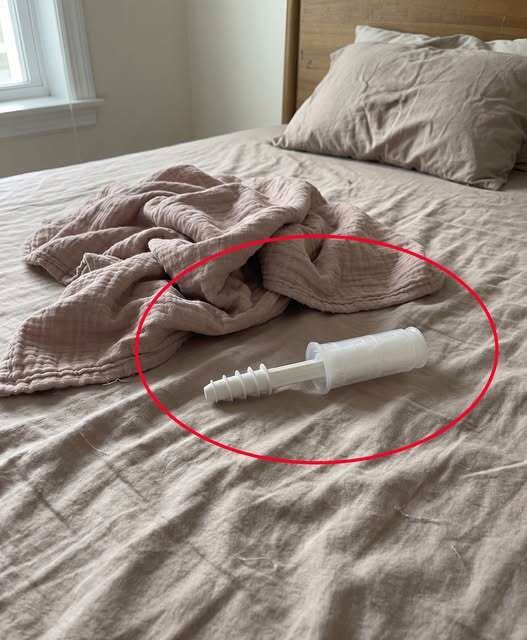
My wife kept this strange object in her wardrobe — would you know what it is?

Finding an unfamiliar object around the house can quickly spark curiosity. That is exactly what happened when a seemingly strange item was discovered tucked away among folded clothes in a wardrobe. At first glance, the object appeared difficult to identify. It featured a clear plastic section connected to a long pointed tip with spiral ridges along the side, making it look like part of a tool or device missing its main component. The unusual shape led to plenty of speculation. Was it a beauty accessory, a household gadget, or perhaps part of a kitchen appliance? The more it was examined, the more possibilities came to mind. Its location only added to the mystery, since finding it among clothing seemed completely unrelated to any obvious purpose. Rather than immediately asking for an explanation, curiosity inspired a search for answers. After sharing a photo and seeking opinions online, the mystery was quickly solved. The object turned out to be an applicator nozzle used with silicone sealant or construction adhesive. These nozzles attach to tubes of sealant and help users apply smooth, controlled lines of material into narrow spaces. The pointed tip allows access to tight corners and gaps around sinks, windows, bathtubs, countertops, and other areas that need sealing. Once identified, the object seemed far less mysterious. Silicone sealant is commonly used for simple home improvement projects, helping prevent leaks, seal gaps, and improve the appearance of kitchens and bathrooms. It serves as a reminder that ordinary objects can look surprisingly unfamiliar when separated from the products they belong to. Sometimes the most puzzling discoveries turn out to have the simplest explanations.

The Body’s Intuition: Signs of an Impending End….Reading continue>

Have you ever felt smarter for no apparent reason? Many believe that our brain harnesses a special way of approaching life’s uncertainty perhaps having a “sixth sense” about things we can’t quite explain. Although the topic can be controversial, it’s true that our biological systems begin to show signs when the end may be near. The body naturally starts to shut down, slowly conserving the limited energy it has left. The Subtle Language of the Body Some people believe that this final, pre-death physiological state has a psychosomatic component. Many people close to death experienced a sense of inner peace and clarity—almost like the mind is quietly letting go of the stresses and the practicalities of a tragic event. This type of intuition may reflect the deep emotional bond that connects us to others. Studies suggest that before death, many people experience both physical and psychological changes that often go unnoticed. One of the most common signs is a sudden burst of energy sometimes referred to as the “surge” or “rally” where the person may suddenly feel better, talk more, or even ask to see loved ones. This surge can last for hours or days, and it often confuses family members who may think their loved one is recovering. Another common sign is physical and mental withdrawal—sleeping more, eating less, and seeming distant. The body conserves energy for the final process, and the mind may begin to detach from daily concerns. Physical Signs of Approaching Death Beyond changes in breathing, there are other physical and emotional indicators that may suggest someone is nearing the end. Changes in circulation, temperature, and skin tone are common. Hands and feet may become cooler or appear mottled as blood flow decreases. Fatigue and weakness increase, and the person may sleep for longer periods. It becomes urgent to pay attention to our health and well-being. Perception vs Intuition It’s essential to understand that not all these signs are definitive. In many cases, they may correspond to treatable conditions. That’s why staying in touch with our body and not ignoring its messages is key. Regular medical check-ups, listening to our intuition when something feels off, and maintaining a healthy lifestyle are the best ways we can protect our health in the long term. Our physical and mental health are deeply interrelated. Stress, anxiety, and unhealthy lifestyle habits can all increase the risk of illness. Conversely, a balanced diet, regular exercise, and positive emotional well-being can significantly improve our quality of life. The body’s messages are often subtle, but if we learn to listen, we can act in time. The Importance of Self-Awareness While understanding the body’s signals related to death is fascinating, it’s equally important to focus on how to improve our overall well-being. Paying attention to our body’s signals, practicing mindfulness, and living a healthy lifestyle, and staying connected to our intuition are all ways to live a fuller, more conscious life. One of the most effective ways to keep your immune system strong is to adopt habits that improve your overall health and reduce inflammation, but it also helps relieve breathing issues and supports lung health. Garlic and Its Power Garlic, known as one of the most potent natural medicines, helps fight infections, lowers blood pressure, and improves heart health—without including it in your daily diet can provide extra protection against illness. Conclusion: The Importance of Body Awareness Facing the reality of death is never easy, but recognizing the signals our body sends can help us live more fully and prepare for the end with dignity and calmness. By learning to listen to our body and mind, we can improve our quality of life—and perhaps find peace in the face of life’s greatest uncertainty.

She Locked Him…See More>

In the sweltering heat of 1840s Georgia, Thornwood Plantation rose like a white-columned kingdom built on blood and cotton. To outsiders, Eleanor Ashford was the epitome of Southern grace — porcelain skin, sharp emerald eyes, and a voice that could command both admiration and fear. At twenty-four, she had married the wealthy planter Harlan Ashford, a man twice her age whose fortune came from fields worked by hundreds of enslaved souls. But beneath the polished floors of the great house lay a darkness few ever suspected. Solomon had arrived at Thornwood as a quiet, broad-shouldered man in his late twenties. His eyes held stories no one cared to hear — stories of a mother sold away, a sister lost to the auction block, and a quiet rage that burned hotter than the Georgia sun. Eleanor noticed him immediately. Not for his strength in the fields, but for the way he refused to lower his gaze completely. That defiance sealed his fate. One humid summer night in 1842, after a minor infraction — a spilled bucket of water near the veranda — Eleanor ordered him dragged into the basement beneath the main house. What began as punishment became a private ritual of cruelty that lasted seven agonizing years. The basement was a damp, windowless hell of stone walls and iron rings. Eleanor visited him there under the cover of night, away from her husband’s indifferent eyes and the prying ears of the household. At first, it was simple humiliation: forcing him to kneel while she read poetry aloud, mocking his illiteracy, making him polish her riding boots with his bare hands until his fingers bled. But the cruelty deepened. She starved him for days, then forced him to eat scraps from her plate like a dog. She had him whipped until his back was a map of scars, then tended the wounds herself with stinging salt water, whispering that this was “for his own good. ” Some nights she brought a riding crop. Other nights she simply sat on the old wooden chair and watched him shiver in chains, describing in exquisite detail how powerless he was. “You belong to me,” she would hiss, her breath warm against his ear. “Not the fields. Not my husband. Me. ” To the world, Solomon was just another field hand who had “disappeared” into harsh discipline. Only Eleanor knew the truth. And in the strangest twist of all, something unspoken began to twist between them in that basement — a current of twisted desire mixed with hatred. Solomon’s silence became a weapon. His unbreaking stare made her return night after night, even when she told herself it was only to break him. For seven years he endured. He memorized every word she spoke, every crack in her voice when her own loneliness slipped through the mask of dominance. He learned her fears — of losing the plantation, of her husband’s growing suspicions, of the emptiness behind her perfect smile. Then, in the spring of 1849, Harlan Ashford died. The official story was a sudden fever. But the household whispered of strange night-time visits to the basement by Eleanor in the weeks before his death. Poison was suspected by some, though never proven. The will, shockingly rewritten just months earlier, left everything — the plantation, the fortune, the slaves — to Eleanor. But with one cryptic condition: she must never sell Thornwood, and she must “honor the debts of the past. ” No one understood what that meant. Except Solomon. With Harlan gone, Eleanor’s control over the plantation began to fracture. Debts mounted. Neighbors eyed the widow with suspicion. And one stormy night, she descended into the basement for what she thought would be the final time. Solomon was waiting. The chains that had held him for seven years lay open on the floor. In his hands was the key — taken from her own pocket weeks earlier during one of her visits. He stood tall, no longer the broken man she had tried to create. “You think you can just walk away?” she spat, fear flickering behind her anger. “No, Miss Eleanor,” he said, his voice low and steady, the first full sentence she had heard from him in years. “You’re not walking away. You’re staying right here… with me. ” What followed was a whirlwind of legal maneuvering no one in Georgia had ever witnessed. Solomon revealed documents — carefully preserved letters and records he had hidden even from her — proving distant kinship to a freedman who had once owned a small stake in Thornwood before being swindled. Combined with the mysterious clause in Harlan’s will and Solomon’s intimate knowledge of Eleanor’s secrets, he forced her hand. Either she married him, granting him legal control as her husband under the twisted laws of the time, or he would expose everything: the basement torture, the possible murder of Harlan, and the nights she had crossed every line of power and decency. Eleanor, cornered and terrified of losing the only world she knew, agreed. Their wedding was a quiet, scandalous affair attended by few. The bride wore black. The groom wore the same simple shirt he had worn in the fields. That night, they returned to the big house — but it was Solomon who climbed the grand staircase first. Eleanor followed. In the master bedroom, she expected violence. She expected the revenge she had earned. Instead, Solomon turned to her with those same quiet eyes that had haunted her for seven years. “You kept me in the dark for seven years,” he said softly. “Now you will live in my light… or in my shadow. The choice is yours, wife. ” For months, their marriage was a battlefield of pride and power. Eleanor fought him at every turn — with sharp words, with cold silences, with desperate attempts to reassert control. But Solomon never raised a hand to her. He simply held the keys to everything she had built on cruelty. Slowly, … Read more

😍At 20, Barron Trump FINALLY Admits What We All Suspected… Full Story In First Comment

In a family built on branding, Barron Trump became the exception: the one Trump child whose image wasn’t endlessly leveraged. That was no accident. Melania reportedly pushed back against photo ops, minimized interviews that mentioned him, and refused to let his school life become campaign material. While the world dissected Donald’s every word, she focused on keeping Barron’s daily routine almost boring on purpose. Over time, that strategy created a strange paradox: the less people saw of Barron, the more intrigued they became. His height, his rare public appearances, his unreadable expression — all fueled speculation, but revealed almost nothing. That, in many ways, is the point. In a culture that demands access to everything, his guarded presence signals a different kind of power: the right not to perform. Whatever he chooses next, it will be from a life where, for once, the spotlight wasn’t the only option.

This was the horse that devou….Reading Continue>>>

Sirens tore through the stillness as cars sat frozen on the Mexico–Querétaro Highway, their passengers suddenly trapped in someone else’s nightmare. A trailer failed to stop. Metal folded. Lives split in two — before and after. They had planned a celebration, not a farewell. More than thirty years together had carried them through the quiet, unremarkable days that truly build a life: shared meals, small arguments, reconciliations, plans postponed and revived. Their anniversary was meant to honor that long, ordinary miracle. Instead, their family received a phone call that broke the world open in a single sentence. There was no warning, no final embrace, only the stark reality that a familiar highway had stolen what time had not. In the aftermath, investigators will measure skid marks and reconstruct seconds. Families will measure absence in birthdays missed, empty chairs, and the instinct to call someone who is no longer there. A blocked lane will eventually reopen; traffic will flow again. But for those left behind, every commute becomes a reminder that nothing about tomorrow is promised, and that presence is the most fragile, precious thing we ever hold.