The human body is remarkably diverse. No two people are exactly alike, and that uniqueness extends to every aspect of our physical appearance, including the shape and structure of our legs. Throughout history, cultures around the world have attached different meanings, beauty standards, and assumptions to physical features. However, modern understanding of anatomy and health encourages a more balanced perspective—one that appreciates natural variation rather than judging bodies according to trends or stereotypes.
Women’s leg shapes have long been a topic of discussion in fashion, fitness, and popular culture. From magazine covers to social media posts, countless opinions have been shared about what constitutes the “ideal” leg shape. Yet many of these standards are based on temporary trends rather than scientific understanding. The reality is that leg shape is influenced by a combination of genetics, skeletal structure, muscle development, posture, lifestyle, and movement patterns.
Rather than viewing different leg shapes as indicators of beauty, worth, or personality, it is far more productive to understand them as natural expressions of human diversity. Every body is designed differently, and those differences contribute to the uniqueness of each individual.
The Role of Genetics in Leg Shape
One of the most important factors influencing leg shape is genetics. The structure of the pelvis, the alignment of the hips, the length of the femur, and the positioning of the knee joints are largely determined before birth. These inherited characteristics create the foundation upon which the body develops throughout life.
Some women naturally have straighter leg alignment, while others may have a slight inward or outward angle. These variations are normal and typically do not indicate a health problem. Genetics also influence muscle distribution, body composition, and bone structure, all of which contribute to overall appearance.
Understanding the role of genetics can help reduce unnecessary comparisons. Just as people inherit different eye colors, heights, and facial features, they also inherit different body structures. Attempting to force every body into the same aesthetic standard ignores the natural diversity that exists among humans.
How Skeletal Structure Influences Appearance
The skeletal system provides the framework that supports the body. The shape of the pelvis, hip sockets, knees, and ankles all influence how the legs appear.
For example, the width of the pelvis varies significantly from person to person. This difference can affect the spacing between the thighs, the angle of the legs, and the overall silhouette of the lower body. Similarly, the natural alignment of the knees can create subtle variations in leg appearance without affecting functionality.
Because skeletal structure cannot be significantly altered through exercise, it is important to recognize that many aspects of leg shape are simply part of an individual’s anatomy. Fitness and healthy living can improve strength, endurance, and muscle tone, but they do not fundamentally change bone structure.
The Influence of Muscle Development
While genetics establish the foundation, muscle development can influence the appearance of the legs over time. Physical activities such as walking, running, cycling, swimming, dancing, and strength training engage different muscle groups and may contribute to variations in muscle tone.
Athletes often develop distinctive lower-body characteristics based on their chosen activities. For example:
Runners may develop strong quadriceps and calves.
Cyclists often build endurance-oriented leg muscles.
Dancers may develop flexibility and balanced muscle definition.
Strength trainers frequently focus on overall lower-body power.
These differences reflect training habits rather than innate superiority. Every type of movement offers unique benefits, and no single body shape should be considered the universal standard.
Understanding Common Leg Alignments
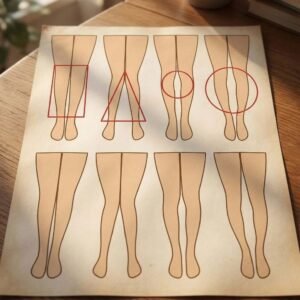
Leg alignment varies widely among healthy individuals. Some common patterns include:
Straight Alignment
Many people have legs that appear relatively straight when standing. This alignment is often considered conventional in many cultures, but it is simply one variation among many.
Mild Inward Angling
Some individuals have knees that angle slightly inward. In many cases, this is a normal anatomical variation and does not affect mobility or health.
Mild Outward Angling
Others may exhibit a slight outward curvature. Again, this can be a natural structural characteristic and may not interfere with everyday activities.
It is important to note that significant alignment issues that cause pain, discomfort, or mobility limitations should be evaluated by healthcare professionals. However, minor variations are extremely common and are often part of normal human anatomy.
Why Body Diversity Matters
Body diversity refers to the natural variation in human appearance. Recognizing this diversity helps challenge unrealistic beauty standards that often dominate media and advertising.
For decades, many people were exposed to narrow definitions of attractiveness. These standards frequently changed over time, demonstrating how subjective beauty can be. Features that were once celebrated in one era were sometimes criticized in another.
Understanding body diversity encourages a healthier perspective. Instead of pursuing a constantly changing ideal, individuals can focus on health, strength, comfort, and self-confidence.
The Connection Between Movement and Physical Appearance
How people move can influence how their bodies develop. Daily habits, occupations, recreational activities, and exercise routines all contribute to muscle use and posture.
Someone who spends significant time walking may develop different muscular patterns than someone who primarily cycles. Similarly, a dancer may move differently from a swimmer or weightlifter.
These differences are not indicators of personality or character. Rather, they reflect lifestyle choices and physical activities that shape the body over time.
Movement also affects posture, balance, coordination, and overall physical well-being. Regular activity can help support joint health, maintain muscle strength, and improve mobility throughout life.
Fashion and Different Leg Shapes
Fashion trends often attempt to promote a particular body ideal, but clothing should ultimately serve the individual rather than the other way around.
Different styles can complement different body proportions:
Tailored pants may emphasize clean lines.
Wide-leg trousers can create a flowing silhouette.
Athletic wear often prioritizes comfort and mobility.
Skirts and dresses offer a variety of styling options depending on personal preference.
The best clothing choices are those that make the wearer feel comfortable, confident, and authentic. There is no universal rule that dictates which styles belong to which body types.
Fashion becomes far more enjoyable when it is approached as a form of self-expression rather than a method of meeting external expectations.
Debunking Common Myths About Leg Appearance
Many myths surrounding leg shape continue to circulate online. Understanding the facts can help prevent unnecessary insecurity.
Myth 1: Certain Leg Shapes Reveal Personality
There is no scientific evidence that leg shape determines personality traits, intelligence, leadership ability, creativity, or emotional characteristics.
Personality develops through a complex combination of genetics, environment, experiences, culture, education, and personal choices. Physical features alone cannot accurately predict character.
Myth 2: Exercise Can Completely Change Bone Structure
Exercise can strengthen muscles, improve endurance, and enhance fitness. However, it generally cannot alter fundamental skeletal alignment in healthy adults.
Myth 3: One Leg Shape Is More Attractive Than Others
Attractiveness is highly subjective and varies across cultures, time periods, and personal preferences. There is no universally superior leg shape.
Myth 4: A Specific Gap Between the Thighs Indicates Fitness
The presence or absence of a thigh gap is largely determined by skeletal structure, hip width, and body proportions. It is not a reliable measure of fitness or health.
The Importance of Functional Fitness
Rather than focusing solely on appearance, many health experts recommend prioritizing function.
Strong, healthy legs contribute to:
Balance
Mobility
Stability
Athletic performance
Joint support
Injury prevention
Independence during aging
Functional fitness emphasizes what the body can do rather than how it looks. This approach often leads to healthier habits and a more positive relationship with exercise.
Activities such as walking, strength training, yoga, swimming, and cycling can support overall lower-body health regardless of an individual’s natural anatomy.
Confidence Beyond Appearance
Confidence is often misunderstood as something that comes from physical perfection. In reality, confidence typically develops through experience, self-acceptance, competence, and personal growth.
People who feel comfortable in their own bodies are often better equipped to navigate social situations, pursue goals, and express themselves authentically.
Body confidence does not require loving every aspect of one’s appearance every day. Instead, it involves recognizing that self-worth extends far beyond physical characteristics.
A person’s kindness, intelligence, creativity, resilience, and values contribute far more to their identity than any specific body feature.
Social Media and Body Image
The rise of social media has transformed how people perceive beauty. While online platforms can provide inspiration and community, they can also create unrealistic expectations.
Edited photos, selective angles, filters, and carefully curated content often present images that do not accurately reflect everyday reality.
Comparing oneself to highly edited or professionally produced content can contribute to dissatisfaction and low self-esteem.
Developing media literacy is an important skill. Understanding how images are created helps individuals maintain realistic expectations about appearance and body diversity.
Celebrating Individual Differences
Every person’s body tells a unique story. The shape of the legs, the way someone walks, and the physical characteristics they possess are all part of their individual journey.
These features reflect a combination of inherited traits, life experiences, daily habits, and personal choices. Rather than ranking bodies according to arbitrary standards, society benefits from appreciating the wide spectrum of human variation.
Celebrating differences promotes inclusion, reduces stigma, and encourages healthier attitudes toward appearance.
Health Should Come Before Trends
Fashion trends and beauty ideals come and go. What is considered desirable today may be replaced by a completely different standard tomorrow.
Health, however, remains important throughout life.
Maintaining healthy habits such as:
Regular exercise
Balanced nutrition
Adequate sleep
Stress management
Proper hydration
can support long-term well-being regardless of body shape.
Focusing on health rather than appearance often leads to more sustainable and positive outcomes.
The Value of Self-Acceptance
Self-acceptance is not about giving up on personal goals. It is about recognizing reality while treating oneself with respect and compassion.
Accepting one’s natural body structure does not prevent growth or improvement. Instead, it creates a healthier foundation for pursuing fitness, wellness, and personal development.
When individuals stop fighting against aspects of their anatomy that cannot be changed, they often gain more energy to focus on areas where meaningful progress is possible.
Looking Toward a More Inclusive Future
Modern conversations about body image increasingly emphasize diversity and representation. This shift reflects a growing understanding that beauty cannot be reduced to a single measurement, shape, or proportion.
As society continues to evolve, there is greater recognition that healthy bodies come in many forms. This broader perspective helps people appreciate themselves and others more fully.
Education, awareness, and respectful dialogue can continue to challenge outdated assumptions and encourage more inclusive attitudes toward appearance.
Conclusion
The shape of a woman’s legs is a natural result of genetics, skeletal structure, muscle development, and lifestyle factors. It is not a measure of character, intelligence, success, attractiveness, or personal worth. Human bodies are diverse by design, and that diversity deserves appreciation rather than judgment.
Instead of focusing on narrow beauty standards, it is far more meaningful to value health, mobility, strength, comfort, and confidence. Every body has unique characteristics that contribute to its individuality. Understanding and respecting those differences can foster a healthier relationship with appearance and promote greater self-acceptance.
Ultimately, the most important aspect of any body is not how closely it matches a trend, but how well it supports the person living within it. By embracing body diversity and prioritizing well-being over comparison, individuals can build lasting confidence and a more positive view of themselves and others.
