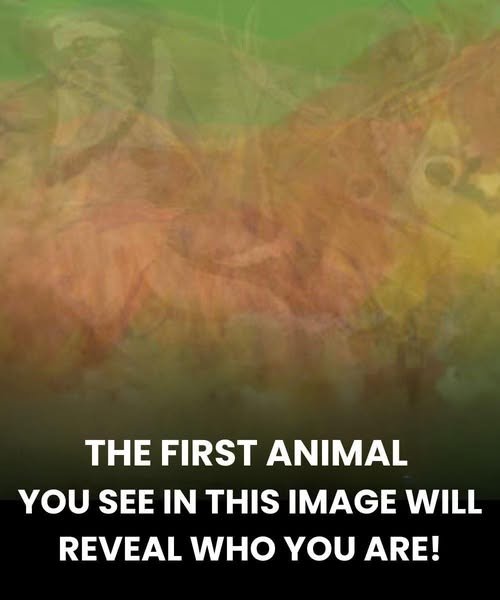
When people are asked to identify the first animal they notice in an ambiguous picture, their brain automatically fills in gaps based on personal experiences, preferences, and subconscious associations. Psychologists call this phenomenon selective attention or priming: the mind prioritizes information that resonates with the individual’s current mindset. Marketers and social media creators use such tricks to engage audiences by making the experience feel personalized and insightful.
How the Meme Works
1. Ambiguity: The image blends several animal shapes (often a horse, elephant, or bird) into a textured background, forcing viewers to focus on one figure first.
2. Interpretation: The first animal spotted is then linked to a personality trait or destiny, sparking curiosity and discussion.
3. Social Sharing: People enjoy sharing their “revelations” online, which fuels the meme’s viral spread.
Critical Perspective
While fun, these perception games have no scientific basis for actual personality assessment. They are purely entertainment that leverages cognitive biases. The “revelation” is subjective and varies widely among viewers, making the experience unique to each individual.
Using the Concept Creatively
You can apply the idea of first‑impression perception in various fields:
– Art therapy: guiding clients to explore what their immediate visual focus says about their emotions.
– Marketing: designing ambiguous ads that prompt personal interpretations, encouraging engagement.
– Games: creating puzzle experiences where players must identify hidden shapes to unlock clues.
