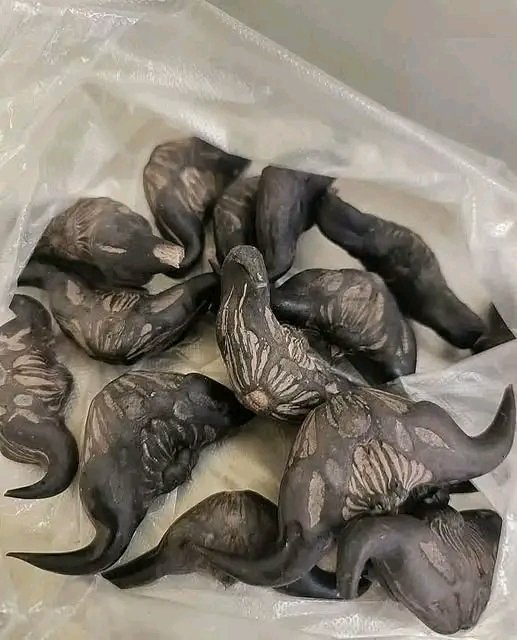
What are they?
Despite the name, they’re not related to the crunchy canned water chestnuts used in Asian stir-fries. Trapa bispinosa / Trapa natans is an aquatic plant. The edible part is the seed/nut that grows underwater, attached to floating leaves. The hard shell has 2-4 sharp “horns,” which is why it’s called “bull nut” or “buffalo nut” in some areas.
Season & Where They’re Found
In Pakistan, India, and parts of China, Singhara is a staple of fall and winter. Vendors sell them boiled or roasted near lakes, ponds, and markets from September to December. They grow in freshwater lakes, ponds, and slow-moving rivers.
Nutrition & Uses
1. Energy: High in complex carbs and starch, so they’re eaten as a filling snack during fasting months or winter.
2. Gluten-free: The flour, called singhara atta, is used to make puris, halwa, and rotis during religious fasts when wheat is avoided.
3. Minerals: Contains potassium, manganese, iodine, and B vitamins.
4. Taste: Raw it’s slightly astringent. Boiled/roasted, it tastes mildly sweet and nutty, similar to water chestnut or chestnut.
How people eat them
– Boiled: Simmer 20-30 min, crack the shell, eat the soft white kernel inside.
– Roasted: Toss on hot coals until the shell cracks, then peel.
– Flour: Dried and ground into flour for fasting recipes.
Caution
The horns are sharp, so handle carefully. Also, like any wild aquatic plant, they should be sourced from clean water. In areas with polluted water, aquatic plants can absorb contaminants.
So those “demon horns” in your bag are just nature’s snack. A seasonal favorite across South Asia that’s both food and folk medicine.
