12 Things Woman Do When She is Comfortable and Happy in Intimacy!

There is a kind of quiet shift that happens in a woman when she finally feels safe with someone. It’s not loud, not dramatic, and not something she announces. It doesn’t come with grand gestures or constant reassurance. It’s subtle, almost invisible at first, but once you notice it, you realize everything about her has softened in a way that only comes from real comfort. It begins in her body. The tension she carries without even realizing it starts to fade. Her shoulders drop slightly. Her breathing slows. She no longer feels the need to stay alert, to read between every word, to prepare herself for disappointment. Instead, she settles into the moment. Not because she’s trying to relax, but because she finally can. That’s the difference. When a woman feels emotionally at ease, she stops performing. She doesn’t feel the need to present a polished version of herself. The small, controlled habits she once held onto—careful smiles, measured reactions, guarded responses—begin to fall away. What replaces them is something far more genuine. You see it in the way she carries herself. She relaxes in your presence without needing to explain it. Her voice becomes calmer, her movements less rushed. There’s no urgency in the way she speaks or acts. She’s no longer trying to prove anything or protect herself from what might go wrong. She’s simply there, existing without pressure. Her eyes change too. When she looks at you, there’s no scanning, no searching for hidden meaning or signs of trouble. Her gaze lingers, not out of curiosity or uncertainty, but because she feels comfortable staying in that moment. It’s steady, unguarded, and honest. It reflects a sense of peace that can’t be forced. Then there’s her laughter. At some point, without either of you noticing when it happened, it becomes different. It’s no longer restrained or filtered. She doesn’t cover it, doesn’t hold it back, doesn’t worry about whether it sounds too loud or too much. It fills the space naturally, the way it’s meant to. That kind of laughter doesn’t come from effort—it comes from feeling free. Her pace changes as well. She becomes slower, not in a distant or disconnected way, but in a more intentional one. She allows moments to stretch instead of rushing through them. Her touch becomes gentler, her presence more grounded. She doesn’t feel the need to move quickly from one moment to the next. She stays, fully present, because she trusts the space she’s in. Closeness starts to feel natural. She reaches for you without thinking about it. Not always in obvious ways, but in small, instinctive gestures. Her hand finds yours during quiet moments. She leans closer without realizing it. These aren’t calculated actions—they’re reflexes that come from trust. Her body no longer sees distance as necessary. She begins to open up. Not all at once, and not in a way that feels forced. It happens gradually, in layers. She shares things she doesn’t usually talk about—memories, insecurities, thoughts she’s kept to herself. Not because she needs to, but because she feels safe enough to. There’s no fear that her words will be used against her later. That kind of openness is rare. It only appears when she feels secure enough to let someone see her without defenses. Her energy shifts into something calmer. She stops analyzing every silence, every tone, every pause. She no longer feels the need to interpret everything. Instead, she rests in the interaction. There’s a steadiness to her presence that wasn’t there before. That calmness isn’t something she gives easily—it’s something she allows when she trusts where she is. Playfulness returns. She teases you, not to provoke, but to connect. The way she jokes, the way she lightly challenges you, the way she smiles when you respond—it all comes from a place of ease. She’s not holding back parts of herself anymore. She’s allowing her personality to move freely. She lets go of control. The need to appear perfect, to say the right thing, to behave in a certain way—it fades. She becomes less concerned with how she’s perceived and more focused on how she feels. She doesn’t overthink her actions or her words. She just exists as she is, without adjustment. After moments of closeness, she stays. There’s no rush to pull away, no immediate need to create distance. She lingers, quietly, comfortably. Sometimes it’s just her presence, sometimes it’s the way her hand moves absentmindedly, tracing patterns without purpose. She’s not trying to fill silence—she’s at ease within it. Her communication changes too. She doesn’t rely only on words. You start to notice the small signals—the way she breathes, the way she looks at you when she thinks you’re not paying attention, the way her posture shifts when she’s relaxed. These subtle expressions say more than anything she could explain directly. And then there’s the way she looks at you. It’s no longer about excitement or anticipation. It’s something quieter, more grounded. Her gaze carries peace. There’s no expectation behind it, no pressure. Just presence. Just appreciation for what exists in that moment. That’s when you understand. When a woman feels truly comfortable and happy, she doesn’t need constant reassurance. Her body shows it before her words ever do. Her mind stops racing. Her heart settles. The connection stops feeling like something she has to maintain and becomes something she simply lives. This kind of comfort doesn’t come from perfection. It doesn’t come from grand gestures or constant attention. It comes from safety. From knowing she can be herself without judgment, without fear, without needing to protect parts of who she is. That’s when everything changes. That’s when she becomes softer without losing strength, more open without losing control. And that’s when her presence feels different. Not because she’s trying to be something more, but because she finally doesn’t have to be anything other than herself.

The Moment That Made Her Walk Off Stage..See More>

Everything was going exactly as expected. The lights were bright, the music was loud, and the energy from the crowd was undeniable. She moved across the stage with confidence, completely in control of the performance. For a while, it looked like just another unforgettable show—until something changed. At first, it was subtle. A quick glance downward, a small shift in movement that most people in the audience didn’t even notice. But those watching closely could tell something caught her attention. It wasn’t part of the choreography, and it wasn’t planned. In that moment, her focus shifted from the performance to something happening around her. As the seconds passed, her movements became more cautious. She adjusted slightly, trying to stay composed while continuing the show. But it was clear she had noticed something that made her uncomfortable. The crowd kept cheering, unaware that behind the performance, she was making a quick decision about what to do next. Then it happened. Without making a scene, she stepped away, choosing to leave the stage rather than ignore what she had just realized. It wasn’t dramatic, but it was intentional. Professionals know when to keep going—and when it’s better to step back for a moment. Afterward, the clips spread everywhere. People began replaying the exact moment, trying to figure out what she saw and why she reacted the way she did. And while opinions varied, one thing was clear—she noticed something others didn’t, and she trusted her instinct in that moment.

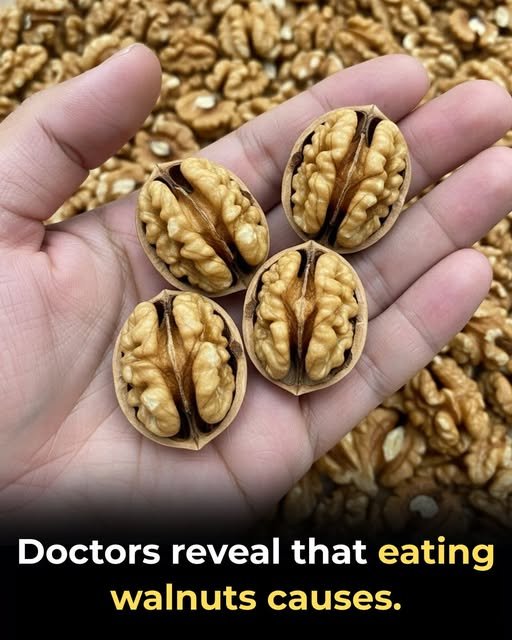
Proven Health Benefits of Walnuts, How Many to Eat, and More (Science Based)

Proven Health Benefits of Walnuts, How Many to Eat, and More (Science Based) Walnuts are a nutritional powerhouse, a true superfood that’s easy to add to your daily diet. These crunchy, earthy-tasting nuts are packed with antioxidants, essential fatty acids, and a rich blend of vitamins and minerals. Regularly eating just a handful of walnuts can have a profound impact on your overall health, from improving brain function to protecting your heart. A growing body of scientific research supports the many benefits of walnuts. Studies show that consuming them can lower “bad” LDL cholesterol, decrease blood pressure, and reduce oxidative stress and inflammation throughout the body. In fact, some of these positive effects can be measured just hours after eating them. Let’s delve into why these nuts are so good for you and how you can best incorporate them into your life. What Are Walnuts?   Walnuts are the edible seeds of trees belonging to the Juglans genus, most commonly the Persian or English walnut and the black walnut. They grow inside a hard shell that must be cracked to reveal the distinctively shaped, wrinkly lobes within. A thin, brown skin covers the edible kernel, and this skin is a crucial part of the nut’s nutritional value. Like many nuts and seeds, walnuts are prone to spoilage if not stored correctly due to their high oil content. To keep them fresh, shelled walnuts should be stored in an airtight container in the refrigerator, where they can last for up to six months. You can also freeze them for up to a year. Un-shelled walnuts should be kept in a cool, dry, and dark place for up to six months.   Nutritional Profile and Key Benefits   The impressive nutritional makeup of walnuts is why they’re so highly regarded. A 1-ounce serving (about 14 walnut halves) contains 185 calories, 4.3 grams of protein, and nearly 2 grams of dietary fiber. They also have a low glycemic index, making them a great snack for stable energy. Beyond their basic macros, walnuts contain a unique combination of polyunsaturated fatty acids, specifically omega-6 (linoleate) and omega-3 (linolenate). They are one of the richest plant-based sources of omega-3s, with a single serving providing 2.57 grams of the beneficial fatty acid alpha-linolenic acid (ALA). These healthy fats are a primary reason for the nut’s cardiovascular benefits. Walnuts are also an excellent source of essential vitamins and minerals. A quarter-cup (approx. 30 grams) provides 50% of your daily manganese needs, 23% of your copper, 11% of your magnesium, and nearly 5% of your iron.   Why Walnuts Are the Champion of Nuts   Among the many types of nuts, walnuts stand out. Research by Dr. Joe Vinson, a chemistry professor at the University of Scranton, found that walnuts contain more polyphenols—powerful antioxidants—and have a higher antioxidant potency than pistachios, almonds, pecans, cashews, Brazil nuts, hazelnuts, and macadamia nuts. In fact, the antioxidants found in walnuts are thought to be 15 times more potent than vitamin E. This powerful combination of antioxidants helps to combat free radicals and protect your cells from damage. When you compare walnuts to almonds, the difference is clear. While almonds are a healthy choice, 100 grams of almonds contain far fewer antioxidants and a significantly lower amount of omega-3s than the same amount of walnuts. This high concentration of beneficial compounds is what makes walnuts so effective at promoting health. How to Eat and Store Walnuts for Maximum Benefit   Just a small handful of walnuts a day is enough to reap their full health benefits. Research suggests that eating just 7 walnuts a day is sufficient. They are best consumed raw, as heat can diminish some of their nutrients. You can also soak them overnight to improve their nutrient profile and digestibility. It’s highly recommended to eat the entire walnut, including the thin, brown skin. While some find the skin to be slightly bitter, it contains a high concentration of antioxidants that you would otherwise miss out on. In-Depth Health Benefits of Walnuts   Let’s explore the specific ways that walnuts can boost your health.   Promote Healthy Brain Function   Walnuts’ high levels of antioxidants and omega-3s help to reduce inflammation and oxidative stress in the brain. This can help prevent degenerative brain diseases and improve overall cognitive function. Studies have shown that a diet rich in walnuts can improve mood in healthy individuals and may have the potential to slow the progression of Alzheimer’s disease. Their high omega-3 content can also positively impact memory and learning skills.   Support Cardiovascular Health   Eating walnuts every day is a simple way to protect your heart. The unique combination of polyunsaturated acids in walnuts can help lower bad cholesterol and reduce hypertension. Studies have shown that consuming about half a cup of ground walnuts for eight weeks significantly lowers the risk of coronary heart disease. Unlike some other high-fat foods, walnuts do not cause weight gain when used as a replacement food in the diet, making them a heart-healthy choice. Improve Gut Microbiota   Walnuts act as a prebiotic, feeding the beneficial bacteria in your gut. A trial published in the Journal of Nutrition found that consuming 42 grams of walnuts daily for two weeks led to an increase in good gut bacteria, highlighting their role in gastrointestinal health.   Aid in Weight Management   Despite being high in calories and fat, walnuts can be a great tool for weight loss. The healthy polyunsaturated and monounsaturated fats provide satiety, helping you feel full and satisfied. A study found that a weight-loss diet enriched with walnuts was more effective at lowering LDL cholesterol and blood pressure than a standard weight-loss diet.   Manage Diabetes   The nutritional content of walnuts can help manage diabetes symptoms and reduce the risk of developing the disease. A trial found that women who ate at least 28 grams of walnuts a week had a lower chance of developing type 2 diabetes. Their polyunsaturated fats and low glycemic index make them an ideal food for those with diabetes.   Enhance Male Reproductive Health   For men, walnuts can significantly improve fertility. A randomized controlled trial … Read more

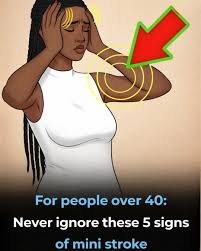
5 Signs of a Mini Stroke You Should Never Ignore…See More..>

A mini stroke, also known as a transient ischemic attack (TIA), is often called a “warning stroke.” While its symptoms may disappear within minutes or hours, it can be a serious sign that a major stroke could happen soon. Recognizing the early signs of a mini stroke can help you or your loved ones seek medical attention in time. In this article, we’ll explore the 5 key signs of a mini stroke and what you should do if they occur. What Is a Mini Stroke? A mini stroke happens when blood flow to the brain is temporarily blocked. Unlike a full stroke, the blockage resolves quickly, and symptoms don’t last long. However, this does not mean it’s harmless. According to health experts, many people who experience a TIA may have a full stroke within days or weeks if they don’t get proper treatment. 1. Sudden Numbness or Weakness One of the most common signs of a mini stroke is sudden numbness or weakness, especially on one side of the body. You might notice: Weakness in the arm or leg A drooping face Difficulty lifting one side of the body This symptom can appear suddenly and may go away quickly, but it should never be ignored. 2. Trouble Speaking or Understanding If someone suddenly struggles to speak clearly or understand simple sentences, it could be a warning sign. Look for: Slurred speech Confusion when talking Difficulty finding the right words Even if speech returns to normal, it’s important to seek medical help immediately. 3. Vision Problems A mini stroke can affect your eyesight in one or both eyes. Common issues include: Blurred vision Double vision Temporary loss of vision These changes can last only a few minutes but are a serious red flag. 4. Sudden Dizziness or Loss of Balance Feeling dizzy or losing coordination without a clear reason could signal a mini stroke. You may experience: Trouble walking Loss of balance Sudden falls These symptoms are often mistaken for fatigue or low blood pressure, but they can indicate something more serious. 5. Sudden Severe Headache A sudden, intense headache with no known cause can also be a symptom of a mini stroke. It may feel: Sharp and unusual Different from previous headaches Accompanied by other symptoms like dizziness or vision problems What Should You Do? If you notice any of these signs—even if they disappear quickly—you should treat it as a medical emergency. Act FAST: F (Face): Is one side drooping? A (Arms): Can both arms be raised? S (Speech): Is speech slurred? T (Time): Call emergency services immediately Final Thoughts A mini stroke is a warning sign your body should not ignore. Early detection and treatment can significantly reduce the risk of a major stroke. If you or someone you know experiences any of these symptoms, don’t wait. Quick action can save lives.

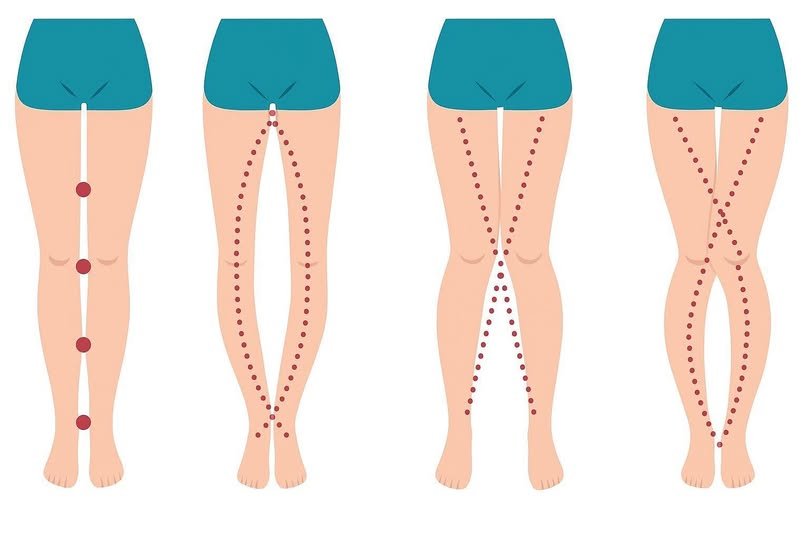
What Your Legs Can’t Say, Your Vagina Can — The Truth About the Female Body Most People Don’t Know

When it comes to understanding the female body, few areas are as misunderstood-and as mystified-as the vagina. Often mislabeled, oversimplified, or completely ignored in everyday conversations, this essential part of the female anatomy plays a powerful role in reproduction, pleasure, hormonal balance, and even aging. And yes, while the alignment of your legs can say something about your body structure, it’s your vagina that tells the deepest stories about your health. Let’s dive into the fascinating world of the vagina: what it is, what it isn’t, how it works, how it changes, and why it deserves more attention and respect. Let’s Get the Terminology Right: Vulva vs. Vagina One of the most common misconceptions is the interchangeable use of “vagina” to describe the entire genital area. In truth: The vulva is the external part of the genitals. This includes the labia (inner and outer), clitoris, urethral opening, and the entrance to the vagina. The vagina is the internal muscular canal that connects the vulva to the cervix. Getting this distinction right is not just a matter of semantics-it’s about understanding your body, how it functions, and how to care for it. What Is the Vagina? The vagina is a flexible muscular canal, typically 7-12 cm long, that serves as a passage connecting the cervix (the entrance to the uterus) with the outside world. It plays key roles in: he vagina receives sperm during intercourse and is the birth canal during delivery. Menstruation: It’s the pathway through which menstrual blood exits the body. Health Management: Hormonal creams, contraceptive rings, and medications can be inserted into the vagina for localized or systemic effect. The vagina is designed to adapt and support a wide range of physiological functions-from holding a tampon to stretching enough to deliver a baby. Anatomy: More Than Just a “Tube” Though often referred to as a “tube”, the vagina is anything but simple: The walls are collapsible: In a relaxed state, vaginal walls lie against each other like an accordion. This prevents things like tampons from falling out. Rugae (folds): These allow expansion during intercourse and childbirth. Mucosal lining: Like the tissue inside your mouth, the vagina’s lining helps keep it moist and protected. Muscle & elasticity: Beneath the surface are layers of muscle and elastic fibers that support flexibility and strength. How the Vagina Changes Over Time Like every other part of your body, your vagina ages. From puberty through pregnancy and menopause, its structure and function adapt in response to hormonal changes. During menstruating years: High estrogen levels keep the vaginal lining thick and elastic. During pregnancy: Blood flow increases, tissues relax, and the vagina prepares to deliver a baby. After childbirth: The vagina stretches significantly, but typically regains its form within 6-12 weeks postpartum. After menopause: Estrogen drops, leading to thinner walls, dryness, and decreased natural lubrication. This can cause discomfort during sex and increase risk of irritation or infection. Despite these changes, the vagina remains a strong, self-maintaining organ, capable of healing and adapting across a woman’s lifespan. The Menstrual Cycle & Vaginal Changes Your vagina doesn’t stay the same day-to-day-it changes throughout your cycle: Estrogen peaks, the cervix rises, becomes softer, and the vaginal walls thicken. The cervix opens to allow sperm entry, and vaginal discharge becomes clear and stretchy to facilitate fertility. The cervix lowers, closes, and becomes firmer. Discharge may become cloudy or sticky. These changes are completely normal and a good sign that your reproductive system is working in sync with your hormones. Myths vs. Facts Let’s clear up some common misunderstandings: Myth: The vagina is always open. – Fact: The vaginal walls are normally closed and only open when needed (e.g. during penetration or childbirth). Myth: All vaginas look and feel the same. – Fact: Just like faces, no two vaginas are identical. Size, shape, and elasticity vary widely. Myth: The vagina is a sign of too much sex. Fact: Vaginal tightness is more related to pelvic floor muscle tone than sexual activity. Why Understanding the Vagina Matters Knowing your anatomy isn’t just about science-it’s about empowerment. When you understand how your vagina works and how it changes, you’re better equipped to: Advocate for your health Notice signs of imbalance or illness Understand your fertility Enjoy intimacy without shame or misinformation Final Thoughts: The Vagina Is Powerful From menstruation to motherhood, the vagina plays an irreplaceable role in a woman’s body. It is resilient, adaptive, and intricately linked to overall health and well-being. Learning about your anatomy isn’t just interesting-it’s essential for self-care. Whether you’re in your teens or postmenopausal, it’s never too late to learn about and celebrate your body. So, let’s ditch the myths, embrace the facts, and talk about vaginas-loudly and proudly. If you’d like a visual guide or infographics on vaginal health, or even tips for keeping your vulva and vagina healthy at every life stage, let me know-I’d love to help create it for you!

ALERT: 8 Subtle Body Odors That Could Signal Can.cer — Don’t Ignore Them

ALERT: 8 Subtle Body Odors That Could Signal Cancer — Don’t Ignore Them Doctors say unusual body odors are usually harmless and often linked to diet, hygiene, infections, or medications. However, in some cases, persistent or unexplained smells may be associated with underlying medical conditions — including certain cancers. Researchers explain that cancer cells can release compounds known as volatile organic compounds (VOCs), which may affect body odor, breath, urine, sweat, or wounds. Experts emphasize that odors alone do not diagnose cancer, but sudden or persistent changes should not be ignored, especially when combined with other symptoms such as fatigue, unexplained weight loss, pain, bleeding, or swelling. Here are eight unusual odors doctors say may deserve medical attention: 1. Persistent Bad Breath Chronic bad breath that does not improve with brushing or dental care may sometimes be linked to cancers affecting the mouth, throat, lungs, or digestive system. Tumors, infections, and tissue breakdown can all contribute to foul-smelling breath. 2. Strong-Smelling Urine Experts warn that unusually strong, sweet, or ammonia-like urine odors could signal dehydration, infection, or possible bladder, prostate, or kidney problems. Certain cancers and chemotherapy drugs may also change urine smell. 3. Foul-Smelling Wounds or Skin Areas Ulcerating tumors near the skin can sometimes develop bacterial infections that produce a strong unpleasant odor. Doctors say infected wounds should always receive medical care quickly. 4. Unusual Vaginal Odor Persistent fishy, metallic, or foul vaginal odors may be linked to infections, but experts say they can occasionally appear alongside cervical or gynecological cancers. 5. Strong Body Odor Changes Sudden changes in sweat odor or body smell may occur because cancer and its treatments affect metabolism, hormones, and bacteria on the skin. Some patients report unusual “chemical” smells during chemotherapy. 6. Rotten-Egg Smelling Stool or Gas Researchers say colorectal cancers may alter gut bacteria and release sulfur compounds that create unusually foul-smelling gas or stool. Persistent digestive changes should be medically evaluated. 7. Metallic or Strange Breath Smell During Treatment Chemotherapy and radiation therapy can change taste and smell perception while also producing unusual odors in saliva, sweat, and breath. 8. Persistent Sweet or Fruity Smell A sweet or fruity odor on the breath is more commonly associated with diabetes, but doctors say unexplained odor changes should still be evaluated if accompanied by other concerning symptoms. Researchers continue studying whether dogs and advanced technology may one day help detect cancer through scent. Some studies suggest trained dogs can identify certain cancers by smelling breath, urine, or blood samples with surprisingly high accuracy. Still, doctors stress that body odor alone is not proof of cancer. Many harmless conditions can cause similar symptoms. The most important step is paying attention to persistent changes and seeking medical advice when something feels unusual.

The Psychology Behind the “First‑Sight” Trick….see more>

When people are asked to identify the first animal they notice in an ambiguous picture, their brain automatically fills in gaps based on personal experiences, preferences, and subconscious associations. Psychologists call this phenomenon selective attention or priming: the mind prioritizes information that resonates with the individual’s current mindset. Marketers and social media creators use such tricks to engage audiences by making the experience feel personalized and insightful. How the Meme Works 1. Ambiguity: The image blends several animal shapes (often a horse, elephant, or bird) into a textured background, forcing viewers to focus on one figure first. 2. Interpretation: The first animal spotted is then linked to a personality trait or destiny, sparking curiosity and discussion. 3. Social Sharing: People enjoy sharing their “revelations” online, which fuels the meme’s viral spread. Critical Perspective While fun, these perception games have no scientific basis for actual personality assessment. They are purely entertainment that leverages cognitive biases. The “revelation” is subjective and varies widely among viewers, making the experience unique to each individual. Using the Concept Creatively You can apply the idea of first‑impression perception in various fields: – Art therapy: guiding clients to explore what their immediate visual focus says about their emotions. – Marketing: designing ambiguous ads that prompt personal interpretations, encouraging engagement. – Games: creating puzzle experiences where players must identify hidden shapes to unlock clues.

8 STRANGE Signs Your Body Is Begging for VITAMIN B12…Reading continue>

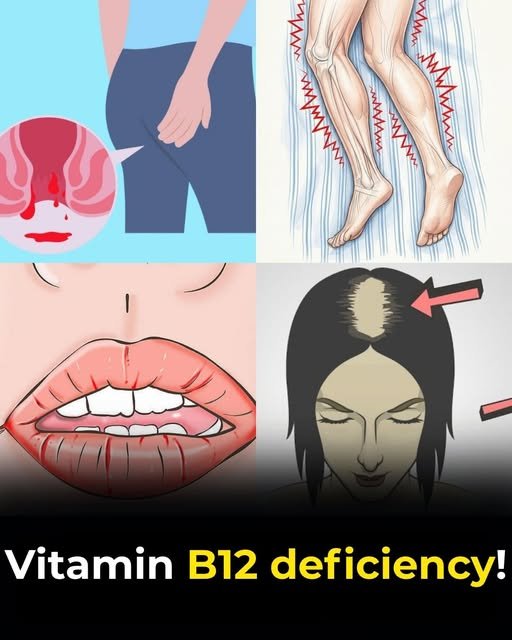
Vitamin B12 deficiency is a common nutritional issue that can cause a range of noticeable symptoms in the body. The illustrations show four typical signs associated with low B12 levels: 1. Hemorrhagic piles (bleeding rectal tissue) – B12 deficiency can affect blood formation, leading to issues like anemia and bleeding tendencies, which may manifest as hemorrhoids or rectal bleeding. 2. Tingling and nerve pain in the legs – The red zigzag lines indicate neuropathy, a frequent complication of B12 shortage. It causes tingling, numbness, or burning sensations in the limbs due to nerve damage. 3. Cracked or sore lips (angular cheilitis) – A lack of B12 can result in mucosal changes, making the lips crack or become inflamed, often seen as angular stomatitis. 4. Hair loss or patchy alopecia – Insufficient B12 can affect skin and hair health, leading to thinning or loss of hair, as shown by the bald patch in the illustration. Why B12 matters Vitamin B12 is essential for red blood cell production, neurological function, and DNA synthesis. Deficiency can arise from poor dietary intake (especially in vegans), malabsorption disorders (e.g., pernicious anemia), or gastrointestinal issues. Managing B12 deficiency – Diet: Include B12‑rich foods like meat, fish, eggs, dairy, or fortified cereals. – Supplements: Oral B12 tablets or sublingual doses are common; severe cases may need injections. – Medical check: Blood tests can confirm low B12 levels and guide appropriate treatment. Recognizing these symptoms early and addressing the deficiency can prevent complications like severe anemia or permanent nerve damage.

Kidney Disease on the Rise: Doctors Warn Popular Vegetable May Be Linked to Hospitalization…..see more>

Recent medical reports have highlighted a sharp increase in kidney disease cases, with healthcare professionals pointing to a commonly consumed vegetable as a potential risk factor for hospitalization. The vegetable in question is spinach, which is widely eaten for its nutritional benefits. Doctors caution that excessive consumption of spinach, especially when improperly washed or cooked, may contribute to kidney problems due to its high oxalate content. Oxalates can accumulate in the kidneys and form stones or exacerbate existing renal conditions, leading to severe health complications that may require hospitalization. Medical experts advise moderation in spinach intake, particularly for individuals with pre‑existing kidney issues or those prone to kidney stones. They also recommend proper preparation methods such as thorough washing and cooking to reduce oxalate levels. The health community urges people to be aware of dietary influences on kidney health and to consult physicians for personalized nutrition advice, especially when dealing with chronic kidney disease risks.

Did you know that old men have….see more…….

Did you know that old men have sperm…See more We all know man-made chemicals are damaging ecosystems across the planet. But could certain chemicals also be negatively affecting human fertility? Dr Shanna Swan, an environmental and reproductive epidemiologist at Mount Sinai Hospital in New York and the author of Count Down, predicts that current trends could not continue much longer without threatening human survival.