Selective Socialization: Why Pulling Back from Social Situations Isn’t “Antisocial” Behavior……see more….
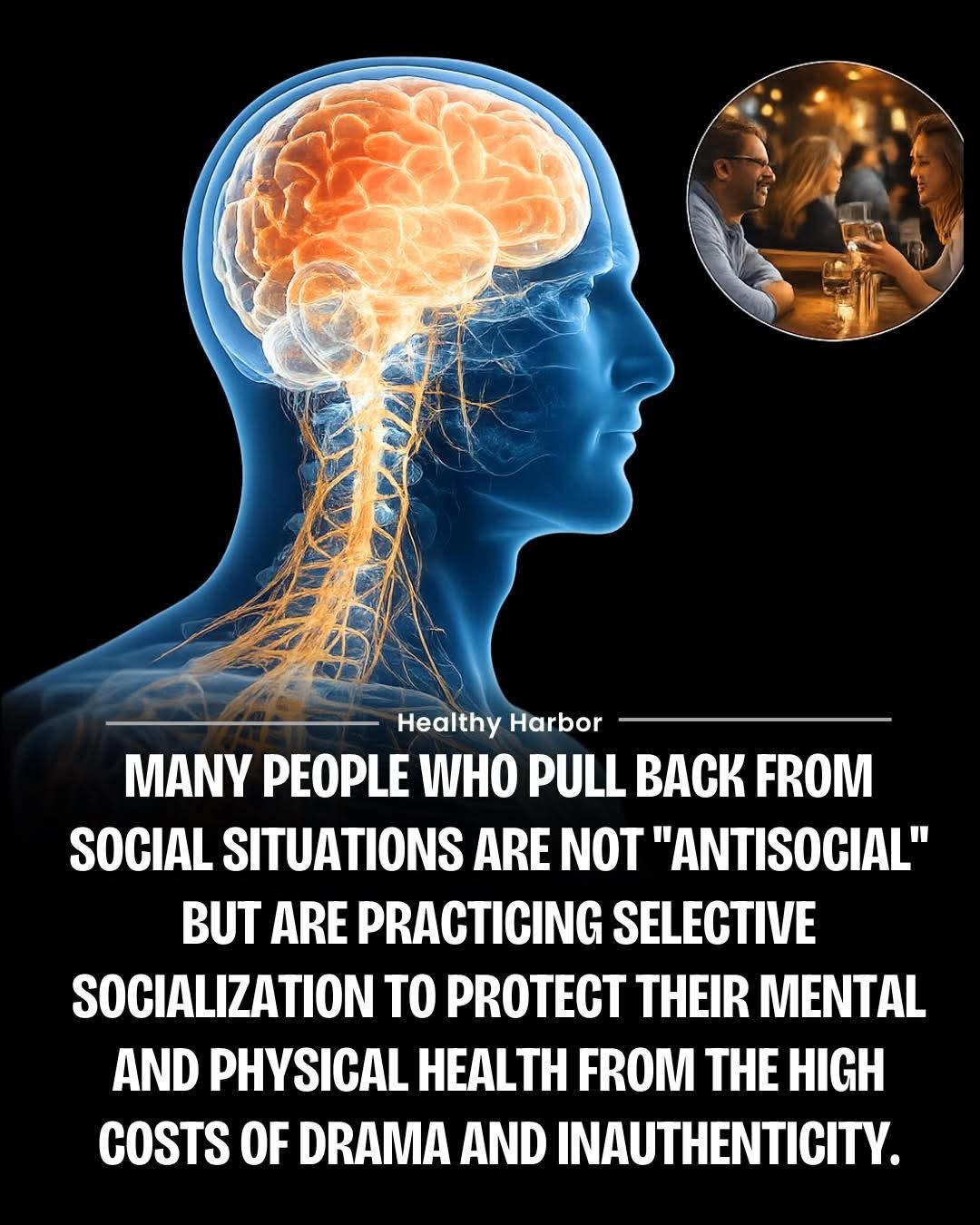
  In everyday life, people often label individuals who avoid large social gatherings or prefer solitude as “antisocial.” However, research suggests that many of these individuals are simply practicing selective socialization—a conscious choice to limit social exposure in order to protect their mental and physical health. What Is Selective Socialization? Selective socialization is the strategy of choosing social interactions carefully, favoring authentic, low‑drama connections over indiscriminate involvement in social events. The brain, illustrated in the image with its intricate neural network, responds to social stress much like it does to physical stress, releasing hormones that can affect both mental and physical well‑being. Why People Opt for Selective Socialization 1. Mental Health Protection: Constant exposure to social drama or inauthentic interactions can increase anxiety, stress, and emotional exhaustion. By stepping back, individuals give themselves space to process experiences and maintain emotional balance. 2. Physical Health Impact: Chronic social stress is linked to physiological effects such as elevated cortisol levels, which can weaken the immune system and affect overall health. 3. Authenticity: Many people prioritize genuine relationships over superficial engagements. Selective socialization allows them to invest time in connections that are meaningful and supportive. The Misunderstanding of “Antisocial” Behavior The term “antisocial” often carries a negative connotation, implying a disregard for social norms or others’ feelings. In contrast, selective socialization is a self‑regulatory behavior focused on preserving personal well‑being, not rejecting society altogether. Practical Tips for Practicing Healthy Selective Socialization – Assess Each Situation: Ask yourself if a social event will add value or stress to your life. – Set Boundaries: Clearly communicate your needs to others to avoid misunderstandings. – Prioritize Quality: Focus on nurturing a few authentic relationships rather than spreading yourself thin across many superficial ones. – Self‑Care: Use the time saved from unnecessary socializing for activities that rejuvenate you, like exercise, reading, or meditation. Conclusion Choosing to pull back from certain social situations is not inherently antisocial; it can be a smart, health‑focused decision. By understanding and respecting the practice of selective socialization, we can reduce stigma around personal boundary‑setting and promote healthier social habits that benefit both mind and body.

Scene Analysis: A Suspenseful Family Confrontation…see more…

  The photo captures a tense moment in a cozy home setting at night, illuminated by string lights in the background windows. A man in a white shirt stands holding a smartphone, facing three other adults who appear shocked or concerned. On the table in front of them lies an open laptop displaying a video call with several people, alongside scattered piles of cash and papers. A framed family photograph sits on a cabinet behind them, adding a personal context to the scene. The composition suggests a dramatic confrontation possibly involving financial or investigative matters, with the laptop video call indicating a connection to external authorities or witnesses. The atmosphere implies the man with the phone is either presenting evidence or receiving instructions that have alarmed the group, hinting at a storyline involving deception, investigation, or an unexpected revelation

If you see someone with this tatoo…see more ….

1. “Mi vida loca” or the three phases of life: In some cultures, the three dots signify the past, present, and future, or the stages of life—birth, life, and death. It can also be linked to the phrase “mi vida loca” (my crazy life), referencing a lived experience of hardship or rebellion. 2. Ellipsis symbolism: The three dots can act as an ellipsis (…), suggesting “continuation” or “unfinished business,” implying that the wearer’s story is still being written. 3. Minimalist aesthetic: From an artistic standpoint, the design is favored for its subtlety and versatility, allowing for personal meaning without overt symbolism. The placement on the wrist or forearm makes the tattoo easily visible, serving as a reminder of personal philosophy or life journey. Artists often recommend using fine-line techniques to ensure the dots remain crisp over time, as small designs can blur with aging skin.

Atorvastatin: Understanding the Potential Dangers….See more👇👇👇

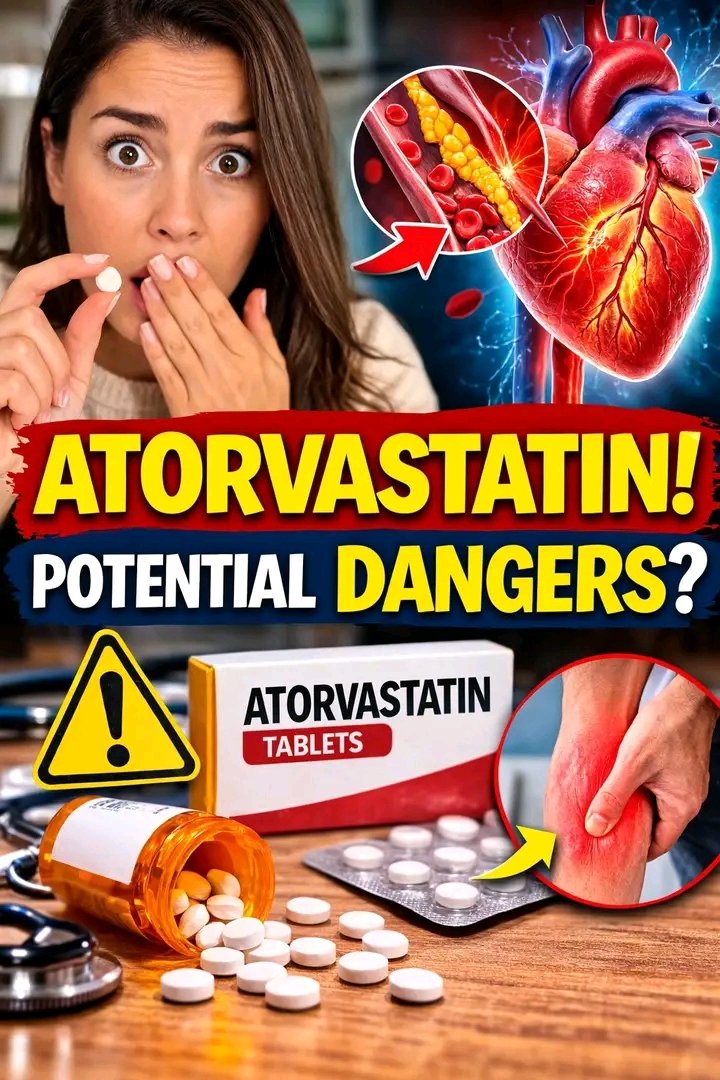
  Atorvastatin is a widely prescribed statin medication used to lower cholesterol levels and reduce the risk of cardiovascular disease. While generally considered safe and effective, there are potential dangers and side effects associated with its use that patients should be aware of. What is Atorvastatin? Atorvastatin belongs to a class of drugs called statins, which work by inhibiting an enzyme in the liver responsible for producing cholesterol. By reducing cholesterol production, atorvastatin helps prevent the buildup of plaque in arteries, thereby lowering the risk of heart attacks and strokes. Potential Dangers and Side Effects 1. Muscle Pain and Damage: One of the most common side effects of atorvastatin is muscle pain or myopathy. In severe cases, it can lead to rhabdomyolysis, a condition where muscle tissue breaks down, potentially causing kidney damage. 2. Liver Damage: Atorvastatin can cause elevated liver enzymes, indicating liver stress or damage. Regular liver function tests are often recommended for patients on statin therapy. 3. Increased Blood Sugar: Some studies suggest statins like atorvastatin may raise blood sugar levels, increasing the risk of developing type 2 diabetes. 4. Drug Interactions: Atorvastatin can interact with other medications, such as certain antibiotics or antifungals, increasing the risk of side effects. Managing Risks – Medical Supervision: Patients should take atorvastatin only under a doctor’s supervision. Regular check-ups can help monitor side effects and adjust dosages if needed. – Lifestyle Changes: Combining medication with a heart-healthy diet, exercise, and smoking cessation can enhance benefits and reduce risks. – Awareness of Symptoms: Recognizing symptoms like unexplained muscle pain, weakness, or dark urine can prompt timely medical intervention. Conclusion Atorvastatin is an effective medication for managing cholesterol and reducing cardiovascular risk, but it’s not without potential dangers. Awareness of side effects and close collaboration with healthcare providers are key to safe and effective use.

Article on Natural Eyebrow & Eyelash Enhancement with Castor Oil

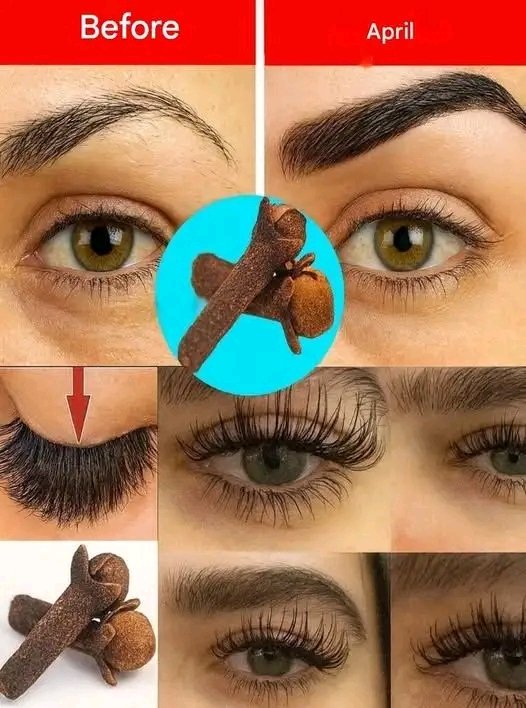
Eyebrows and eyelashes frame the eyes and play a big role in facial expression. Many people look for natural ways to make their brows fuller and lashes longer. One popular home remedy involves castor oil, often mixed with other ingredients like hazelnut oil, which is believed to nourish hair follicles. How Castor Oil Works Castor oil is rich in ricinoleic acid, a fatty acid that may help stimulate hair growth by improving blood circulation to the follicles and providing moisturization. Some users apply it directly to the brows and lashes with a clean mascara wand or cotton swab. Using Castor Oil Safely 1. Patch test: Apply a small amount to the skin to check for allergic reactions. 2. Clean application: Use a sterile applicator to avoid infection. 3. Consistency: Regular nightly application may yield noticeable results over weeks. 4. Quality: Choose cold‑pressed, pure castor oil for best results. Combining with Other Oils Mixing castor oil with a carrier like hazelnut oil can dilute its thickness and add vitamin E, which supports hair health. A typical mix is 2 parts castor oil to 1 part hazelnut oil. What Science Says Evidence supporting castor oil for lash/brow growth is limited. Most benefits are anecdotal. Professional treatments like serums with peptides or medical procedures (e.g., lash extensions) provide more reliable results. Tips for Best Results – Keep brows and lashes clean before application. – Avoid getting oil in the eyes. – Be patient; natural methods take time.

The Night the Music Paused: Understanding the Moment Shakira Stepped Off Stage

Live performances are often celebrated for their energy, precision, and emotional connection between artists and their audiences. Fans attend concerts expecting memorable moments—powerful vocals, captivating choreography, and a shared sense of excitement that only live music can deliver. However, there are occasions when events take an unexpected turn, reminding everyone that even the most carefully planned performances are still subject to real-time decisions and unforeseen circumstances. However, there are occasions when events take an unexpected turn, reminding everyone that even the most carefully planned performances are still subject to real-time decisions and unforeseen circumstances. One such moment occurred during a recent performance by global music icon Shakira, when she unexpectedly stepped away from the stage mid-show. The incident left fans surprised and curious, sparking conversations across social media and entertainment circles. The concert began as many of Shakira’s performances do—with a high level of anticipation and excitement. Fans from various regions had gathered, many traveling long distances to witness the performance. The concert began as many of Shakira’s performances do-with a high level of anticipation and excitement. Fans from various regions had gathered, many traveling long distances to witness the performance. The atmosphere was vibrant: • Bright stage lights illuminated the venue • Music echoed through the crowd • Thousands of fans sang along in unison From the moment she appeared on stage, Shakira delivered a performance that reflected her reputation for excellence. Her voice carried clearly across the venue, and her stage presence kept the audience fully engaged. This article provides a professional, balanced, and AdSense-compliant retelling of the event, focusing on what is known, the audience’s reaction, and the broader significance of such moments in live entertainment. A Night Filled with Anticipation The concert began as many of Shakira’s performances do—with a high level of anticipation and excitement. Fans from various regions had gathered, many traveling long distances to witness the performance. The atmosphere was vibrant: Bright stage lights illuminated the venue Music echoed through the crowd Thousands of fans sang along in unison From the moment she appeared on stage, Shakira delivered a performance that reflected her reputation for excellence. Her voice carried clearly across the venue, and her stage presence kept the audience fully engaged.

People with this ear hole have… See more👇👇👇

What Is a Preauricular Pit? A preauricular pit is a small, benign hole or indentation in the skin near the front of the ear, often present from birth. It’s a congenital anomaly that forms during embryonic development when the ear’s tissues don’t fuse completely. Common Characteristics – Appearance: A tiny opening or dimple, sometimes with a small dot inside. – Location: Typically in front of the upper ear, near where the ear attaches to the head. – Symptoms: Usually harmless and asymptomatic. Some people may experience infection, drainage, or swelling if the pit becomes blocked. Medical Significance – Infection risk: The pit can collect debris, leading to infection (abscess). If infected, it may need antibiotics or surgical drainage. – Association with other conditions: Rarely, it can be linked to hearing issues or kidney abnormalities, especially if other anomalies are present. – Treatment: Most cases require no treatment. Surgery is considered only if infections recur or for cosmetic reasons. Myths & Facts – Myth: The mark predicts personality or destiny. – Fact: It’s simply an anatomical variation with no proven link to personality or future events. Bottom Line A preauricular ear pit is generally a harmless birthmark that needs attention only if it becomes infected. Consulting an ENT specialist is advisable if you notice redness, pain, or discharge.

If you are getting these pimples on your lips or int;im:ate area, it is because… See more👇👇👇

What causes these spots? 1. Sebaceous gland activity: Overactive oil glands can produce visible deposits. 2. Hormonal changes: Fluctuations may increase gland secretion. 3. Genetic predisposition: Some people naturally have more visible spots. Key points about Fordyce spots – Benign: They are not an infection, cancer, or sexually transmitted condition. – No treatment needed: Most cases require no medical intervention unless for cosmetic reasons. – Differential diagnosis: Similar lesions can be milia, acne, or viral infections, so a professional evaluation is advisable for uncertain cases. Management (if desired for cosmetic reasons) – Topical retinoids or chemical peels can reduce appearance. – Laser or electrocautery may be used by dermatologists for removal. – Keeping the area clean and avoiding harsh products helps prevent irritation. When to seek medical advice – If the bumps become painful, inflamed, or change in appearance. – When accompanied by other symptoms like discharge or itching. – To rule out infections or other skin conditions that need specific treatment.

# Did you know that old men have the penis…See more

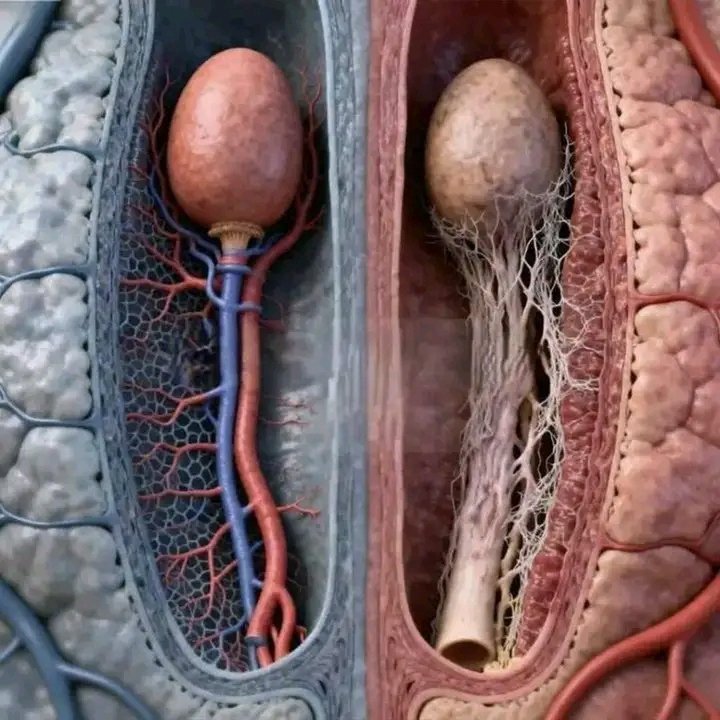
Testicular Anatomy & Cancer Overview The testicles (testes) are oval organs located in the scrotum, responsible for sperm production and hormone secretion. They are supplied by blood vessels and contain seminiferous tubules where spermatogenesis occurs. The left side of the image shows a normal testicle with intact vascularization (red and blue vessels) and a smooth capsule. Pathological Changes in Testicular Cancer The right side depicts a testicle with cancer, characterized by: – An abnormal, enlarged mass replacing normal tissue. – Disrupted vascular network and possible invasion of tumor-associated vessels. – Loss of the regular tubular structure due to neoplastic growth. Types & Symptoms Testicular cancer commonly affects young men and can present as a painless lump, swelling, or heaviness in the scrotum. Major types include seminoma and non-seminoma tumors. Diagnosis & Treatment Diagnosis involves ultrasound, tumor marker tests (e.g., AFP, hCG), and biopsy. Treatment typically includes surgical removal (orchiectomy), chemotherapy, or radiation, depending on stage and type. Prevention & Awareness Regular self-examination is recommended for early detection. Awareness of changes in testicular size, shape, or texture can lead to timely medical consultation.

# That detail isn’t innocent… and few people know it. 🤔🤯… See more

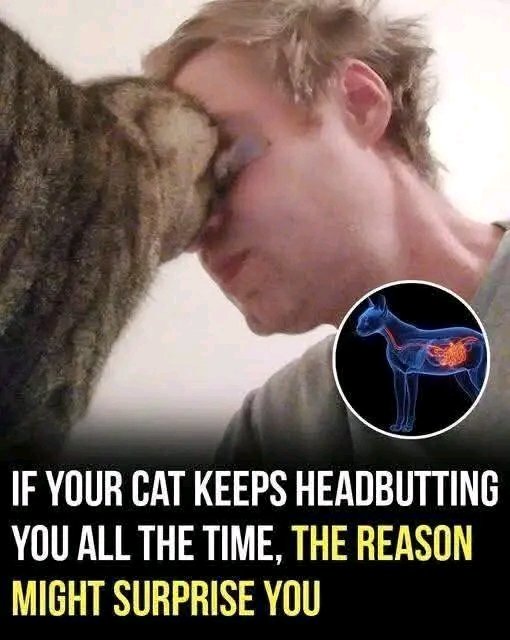
Cats are notorious for their quirky behaviors, and one of the most common yet puzzling actions is headbutting (or “bumping” their heads against you). When a feline keeps pressing its forehead into you repeatedly, it’s usually sending a clear message that most owners miss. Why Cats Headbutt Humans 1. Scent marking: A cat has scent glands in its cheeks and forehead. By rubbing its head on you, it deposits its pheromones, claiming you as part of its territory and signaling familiarity and safety. 2. Affection & bonding: Headbutting is a friendly gesture. In cat language, it means “I trust you” and is a way of strengthening social bonds with its human companion. 3. Attention seeking: Some cats learn that headbutting gets a reaction—like petting or treats—so they repeat the behavior to get what they want. 4. Health check: Occasionally, excessive headbutting can indicate a medical issue, such as nasal irritation or skin problems, prompting the cat to seek comfort. What the “surprise” in the meme refers to The highlighted cat anatomy in the image shows the scent glands (orange area on the cheek and forehead). The “surprise” is realizing that the cute headbutt is actually your cat’s way of marking you with its own scent, essentially saying, “You’re mine!” How to respond to your cat’s headbutting – Enjoy the affection: Return the gesture with gentle petting or chin scratches, reinforcing the bond. – Observe behavior: If the headbutting is excessive or accompanied by other symptoms (sniffing, rubbing eyes), check for skin irritation or health issues and consult a vet if needed. – Reward appropriately: Use treats or playtime to acknowledge the interaction, ensuring the cat feels appreciated without encouraging overly demanding behavior. Bottom line A cat’s persistent headbutting is generally a sign of love, trust, and territorial marking. Understanding this simple feline communication can deepen your connection with your pet and make everyday interactions more meaningful.